What is the Slowest Crop to Grow? Discover the Plants That Take Their Time

In the world of agriculture, patience is indeed a virtue, especially when it comes to cultivating certain crops. While many plants thrive in a matter of weeks, others take their time to reach maturity. This article explores the slowest crops to grow, delving into the reasons behind their extended growth periods and the unique characteristics that make them worth the wait. From heirloom vegetables to exotic herbs and grains, understanding these leisurely growing plants can offer valuable insights for gardeners and farmers alike, encouraging a deeper appreciation for the natural rhythms of the earth and the journey of cultivation.
What is the Slowest Crop to Grow?
The slowest crop to grow is often considered to be asparagus due to its lengthy cultivation period. This perennial plant can take up to three years before it is ready for harvest, as the initial focus is on developing a robust root system. During this time, growers must ensure proper care and maintenance, including adequate watering and weed control, to promote healthy growth. Once established, asparagus can yield for many years, making it a worthwhile investment for the patient gardener.
Factors Influencing Growth Rate
Various factors can significantly impact the growth rate of crops, including soil quality, temperature, and moisture levels. For instance, crops like asparagus thrive in well-drained, nutrient-rich soil and require specific climatic conditions to flourish. If these elements are not optimal, the growth can be further delayed, extending the time it takes for the crop to reach maturity. Understanding these factors is crucial for growers aiming to optimize their agriculture practices.
Comparison with Other Slow-Growing Crops
While asparagus is notably slow, there are other crops that also exhibit lengthy growth cycles. For example, artichokes can take about two years before they begin producing edible buds. Similarly, giant sequoias may take decades to grow to maturity, making them slower than many traditional vegetables. These crops require a unique set of conditions to thrive, often leading to prolonged waiting periods before any yield is seen.
Annual vs Perennial Crops
The distinction between annual and perennial crops plays a significant role in determining growth rates. Annual crops, such as tomatoes or corn, complete their life cycle within a single year and are typically faster to grow. In contrast, perennial crops like asparagus grow for multiple years and may take several seasons to yield their first harvest, thus making them appear much slower in comparison to annual varieties.
Land Preparation for Slow-Growing Crops
Proper land preparation is essential for the success of slow-growing crops. For asparagus, growers must prepare the soil well ahead of planting, often incorporating organic matter to enhance fertility. This early investment in soil health can improve growth rates over time. Additionally, maintaining optimal soil pH and moisture levels is vital, as it directly affects the health and output of slow-growing crops.
Economic Considerations of Slow-Growing Crops
Investing in slow-growing crops like asparagus can pose some economic challenges. Farmers may face delayed returns on their investment, requiring careful financial planning. However, the long-term profits from a productive asparagus bed, which can last upwards of 15 years, may outweigh these initial challenges. Understanding the balance between patience and profitability is a critical aspect of cultivating such crops.
| Crop | Growth Time | Type |
|---|---|---|
| Asparagus | 3 years | Perennial |
| Artichokes | 2 years | Perennial |
| Giant Sequoias | Decades | Perennial |
| Blueberries | 3 years | Perennial |
| Truffles | 5-10 years | Perennial |
What crop takes the least time to grow?
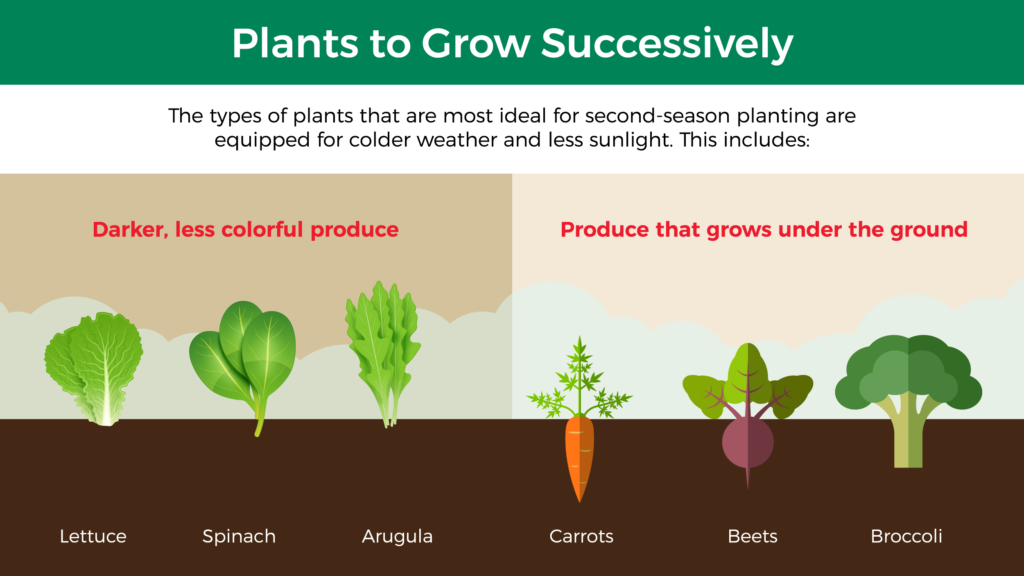
The crop that takes the least time to grow is generally considered to be radishes. Radishes can mature within a remarkably short period of just 3 to 4 weeks from planting to harvest. This rapid growth makes them an ideal choice for gardeners looking for quick results or for those in areas with shorter growing seasons.
Crops with Quick Growth Cycles
Many crops besides radishes also have relatively quick growth cycles, allowing for rapid harvests. These plants often thrive in a variety of environments and can be grown in small spaces, making them popular among home gardeners.
- Leafy greens: Crops like spinach and lettuce can also mature quickly, often within 30 to 45 days.
- Herbs: Many herbs, including basil and cilantro, can be harvested just a few weeks after planting.
- Green onions: These can be grown from seeds in about 3 to 4 weeks, making them another fast-growing option.
Factors Influencing Crop Growth Time
The time it takes for a crop to grow can be influenced by various factors, including climate, soil quality, and watering practices. Understanding these elements can help maximize growth rates and yield.
- Temperature: Most fast-growing crops thrive in temperatures between 60°F and 75°F.
- Soil nutrients: Well-fertilized soil can enhance growth rates significantly, allowing crops to mature faster.
- Watering frequency: Consistent moisture is crucial, but overwatering can stunt growth.
Pest and Disease Management
Even for quick-growing crops, the threat of pests and diseases can potentially impact growth time and yield. Effective management practices can help maintain healthy plants.
- Regular monitoring: Check for signs of pests or diseases frequently to catch any issues quickly.
- Natural remedies: Using organic pest control methods can minimize harm to plants and speed up recovery.
- Crop rotation: Switching planting locations annually can reduce pest and disease susceptibility.
Seasonal Considerations for Quick-Growing Crops
When planning to grow quick-maturing crops, seasonal considerations are essential. The growing season will dictate which crops will perform best at different times of the year.
See also:
- Spring planting: Many quick-growing crops can be planted early in the spring for a fast summer harvest.
- Fall harvesting: Certain crops can be successfully planted late in the summer for fall harvests.
- Frost tolerance: Some quick-growing crops are more tolerant of cool temperatures, allowing for extended growing seasons.
Maximizing Yield from Quick-Growing Crops
To get the most out of crops that mature quickly, specific practices can be employed to enhance yield and ensure healthy growth.
- Succession planting: Planting in intervals can allow for multiple harvests throughout the growing season.
- Companion planting: Some plants thrive when grown together, enhancing growth and yield.
- Proper spacing: Giving plants enough room to grow can prevent competition for nutrients and sunlight, improving harvest size.
Which crop takes the longest to grow?

The crop that takes the longest to grow is typically considered to be bamboo. Despite being a type of grass, certain species of bamboo can take anywhere from 3 to 7 years before they reach their full height and can be sustainably harvested. However, once they begin to grow, some species can grow at an astonishing rate.
Bamboo Growth Timeline
Bamboo has a unique growth pattern compared to other crops. The initial years are crucial for establishing a robust root system. After this period, bamboo can shoot up as much as 3 feet in a single day. This growth timeline can vary significantly depending on the species and environmental conditions.
- Most bamboo species take 3-5 years to mature.
- Some varieties may take up to 7 years to fully develop their size.
- Once established, bamboo can rapidly grow, demonstrating its resilience.
Factors Influencing Bamboo Growth
The growth rate of bamboo is influenced by various factors such as soil quality, climate, and water availability. Each of these elements plays a crucial role in how quickly a bamboo species can mature and thrive.
- Soil: Nutrient-rich soil promotes better growth.
- Climate: Bamboo typically flourishes in warm and humid environments.
- Water: Adequate water supply is essential for sustaining growth.
Comparison with Other Slow-Growing Crops
When comparing bamboo to other slow-growing crops, several crops may take a long time to mature, but bamboo stands out due to its longevity and eventual growth speed. Other crops, like trees, may take multiple years but won't achieve the same rapid height once established.
- Fruit trees, like mangos, often take 3-6 years to produce fruit.
- Nut trees, like walnuts, can take up to 10 years before yielding nuts.
- Perennial crops, such as asparagus, take several years for the first harvest, typically around 3 years.
The Importance of Bamboo
Bamboo is not only significant for its fast growth once established, but it also holds economic and environmental benefits. It is widely used for construction, paper production, and even as a food source in many Asian cultures.
- Sustainable material: Bamboo can be harvested without killing the plant.
- Carbon absorption: It plays a vital role in sequestering carbon from the atmosphere.
- Erosion control: The root system helps prevent soil erosion.
Harvesting Bamboo
Once bamboo has reached maturity, the harvesting process requires careful consideration to ensure that the growth cycle continues uninterrupted. Harvesting too much or too frequently can impact future growth.
- Harvest only the mature stalks to maintain the health of the plant.
- Plan harvesting during the dry season to reduce damage.
- Leave enough stalks to ensure continued photosynthesis and regeneration.
What's the slowest plant to grow?
The slowest plant to grow is often considered to be the Welwitschia mirabilis, a unique species native to the Namib Desert in Namibia and Angola. This ancient plant can live for several hundred years, sometimes reaching a lifespan of over 1,000 years. Its growth rate is exceptionally slow due to the harsh environmental conditions it endures, with average growth rates of less than one inch per year. The Welwitschia has only two leaves that grow continuously throughout its life, which contribute to its unique appearance.
Growth Conditions
The growth conditions for the Welwitschia mirabilis are quite extreme, which contributes to its slow development. This plant thrives in an arid environment with limited water availability. Factors influencing its growth include:
- Soil quality: The soil in which it grows is sandy and poor in nutrients.
- Temperature variations: High daytime temperatures and low nighttime temperatures create a challenging environment.
- Water scarcity: It relies on occasional fog for moisture rather than rainfall.
Adaptations
The adaptations of the Welwitschia mirabilis have allowed it to survive in its harsh habitat. Its unique features help it manage water and nutrients effectively:
- Deep root system: This allows the plant to tap into groundwater sources.
- Leaf structure: The leaves are thick and waxy, reducing water loss.
- Photosynthesis adaptations: It has a specialized method of photosynthesis better suited for arid conditions.
Lifespan and Growth Rate
The lifespan and growth rate of the Welwitschia are astonishing compared to other plants. Its longevity is one of its most notable characteristics:
See also:
- Age range: Some specimens can live between 400 to 1,500 years.
- Annual growth: The growth rate can be as slow as 1-3 cm per year.
- Reproductive maturity: It can take decades to reach reproductive age, further extending its life cycle.
Ecological Importance
The ecological importance of Welwitschia mirabilis in its native habitat cannot be understated. It plays a significant role in maintaining the local ecosystem:
- Habitat provider: It offers shelter and food for various desert organisms.
- Soil stabilization: Its roots help prevent soil erosion in windy conditions.
- Biodiversity support: The plant contributes to the biodiversity of the Namib Desert.
Cultural Significance
The cultural significance of the Welwitschia extends beyond its biological attributes. It holds value in various contexts:
- Symbol of resilience: It is often seen as a symbol of endurance in extreme conditions.
- Research interest: Scientists study its unique adaptations for insights into survival strategies.
- Tourist attraction: It is an attraction for visitors to Namibia, showcasing nature’s wonders.
Which crop is the hardest to grow?
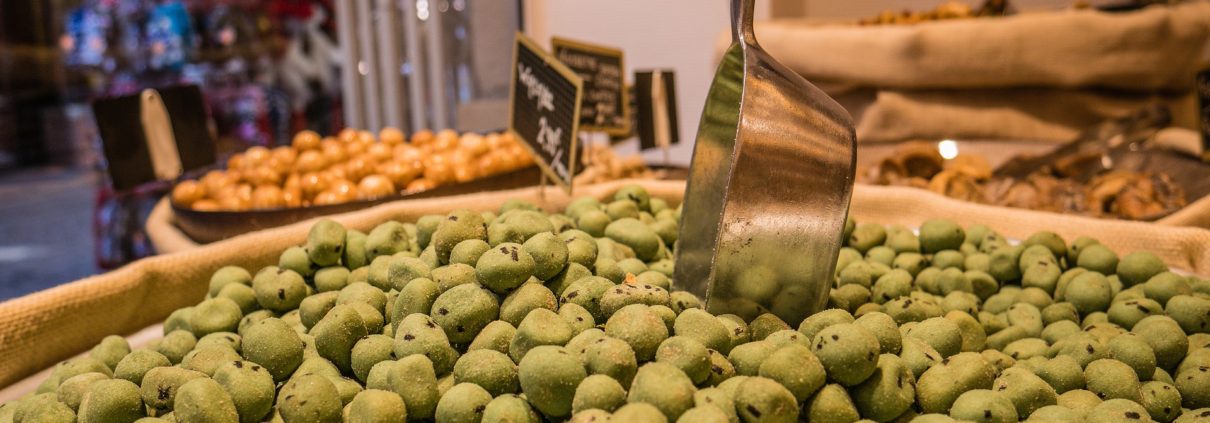
The title of the hardest crop to grow often varies based on several factors including climate, soil conditions, and required cultivation methods. However, wasabi (Wasabia japonica) is frequently cited as one of the most challenging crops to cultivate.
1. Growing Conditions for Wasabi
Wasabi requires very specific growing conditions that are difficult to replicate. It thrives in cool, shady environments with temperatures between 46°F and 50°F. Additionally, wasabi needs to be grown in running water, which mimics its natural habitat in riverbeds in Japan.
- Temperature: Ideal temperatures are crucial, as extremes can stunt growth or kill the plant.
- Water quality: The water must be clean and high in oxygen, making natural river beds the best choice.
- Shade: Direct sunlight can harm the plant, so it requires shade, which is not always feasible in open fields.
2. Pest and Disease Management
Managing pests and diseases presents another significant hurdle in wasabi cultivation. The plant is susceptible to various pests and fungal diseases that can devastate crops.
- Pest control: Regular monitoring and organic pest control methods are often necessary to protect the plants.
- Disease prevention: Diseases like root rot can occur if plants are grown in overly wet conditions or poor-quality soil.
- Resilience: Wasabi plants are inherently fragile, making them less resilient to attacks compared to other crops.
3. Harvesting Challenges
Harvesting wasabi is labor-intensive and requires careful timing and handling to ensure quality.
- Timing: Harvesting must occur at the right time, generally 1.5 to 2 years after planting for optimal flavor.
- Careful handling: The roots can be easily damaged, which affects the taste and marketability of the product.
- Yield limitations: Due to the long growing period, the yield can be limited, making it less profitable.
4. Economic Factors
The economics of growing wasabi present additional challenges for farmers.
- High start-up costs: Establishing a wasabi farm requires significant investment in infrastructure, particularly for water management.
- Market demand: Although there is a niche market, promoting and selling wasabi can be difficult due to competition.
- Profit margins: The high cost of cultivation and low yields can result in slim profit margins.
5. Alternative Crops
Because of the challenges associated with growing wasabi, many farmers consider alternative crops that are easier to cultivate.
- Green onions: Easier to grow with faster harvest times and less stringent growing conditions.
- Herbs: Many herbs can be grown in similar conditions but require less investment and shorter cultivation periods.
- Root vegetables: Crops like carrots and potatoes are generally more resilient and profitable.
Questions from Our Readers
What is the slowest crop to grow?
The slowest crop to grow is typically the saffron crocus. This flower takes a significant amount of time to produce its delicate fronds, requiring careful cultivation and harvesting over several seasons before the saffron threads can be collected.
How long does it take for saffron to fully grow?
It generally takes about 3 to 4 years for saffron crocus plants to become established and produce a full harvest, making it one of the most time-consuming crops to cultivate.
Are there other slow-growing crops?
Yes, other slow-growing crops include truffles and some types of trees like fruit trees, which can take several years to mature and bear fruit. These crops also require specialized growing conditions, adding to their overall time frame.
What factors contribute to the slow growth of crops?
Factors such as climate, soil quality, and care requirements significantly contribute to the slow growth of certain crops. For instance, many slow-growing crops need specific environmental conditions to thrive, which can delay their maturation and yield.
See also:

If you want to read more articles like What is the Slowest Crop to Grow? Discover the Plants That Take Their Time, we recommend you check out our Plants category.
Leave a Reply
Related Articles