What is the oldest plant still around today? Discover the Secrets of Nature's Ancient Lifeforms

Plants have been a fundamental part of Earth's ecosystem for millions of years, with some species exhibiting remarkable resilience and longevity. Among them, a few ancient lifeforms have stood the test of time, offering insights into our planet's history and the evolution of life. In this article, we delve into the fascinating world of the oldest plants still thriving today, exploring their unique adaptations, habitats, and the secrets they hold. Join us as we uncover the enduring legacy of these extraordinary organisms and what they can teach us about survival in an ever-changing environment.
What is the Oldest Plant Still Around Today?
The oldest known plant still existing today is the Posidonia oceanica, a type of seagrass found in the Mediterranean Sea. This remarkable plant can live for thousands of years, with some individuals estimated to be around 100,000 years old. These ancient seagrass meadows not only play a crucial role in the marine ecosystem, providing habitat and food for various marine life, but they also contribute to carbon sequestration and help maintain water quality. Their longevity and ecological importance make Posidonia oceanica a significant plant in our understanding of marine biology and environmental conservation.
Characteristics of Posidonia Oceanica
The Posidonia oceanica has long, ribbon-like leaves that can grow up to 1 meter in length. It is distinguished by its dense, intertwined root system which anchors it firmly to the seabed, providing stability in the often turbulent marine environment. This plant is beneficial for the ecosystem as it forms extensive underwater meadows that support fish nurseries and offer habitat for diverse marine species. The meadows also act as natural filters, improving the clarity and quality of seawater.
Ecological Importance
The ecological role of Posidonia oceanica is vital to the health of the Mediterranean marine ecosystem. These seagrass meadows help prevent shoreline erosion by stabilizing sediments, thereby mitigating the impact of wave action. Additionally, they provide essential habitat for a wide variety of marine organisms, including fish, crustaceans, and invertebrates, fostering biodiversity. The presence of Posidonia oceanica is also an indicator of a healthy marine environment, making its conservation critical for maintaining ecosystem balance.
Life Cycle and Reproduction
Posidonia oceanica reproduces through both sexual and asexual means. The sexual reproduction involves flowering and the production of seeds, which can develop into new plants. Asexual reproduction occurs through rhizomes, allowing the seagrass to extend its meadows over time. This dual reproductive strategy contributes to the resilience of the seagrass, enabling it to spread and colonize new areas while also maintaining genetic diversity, crucial for adapting to changing environmental conditions.
Threats to Posidonia Oceanica
Despite its age and significance, Posidonia oceanica faces numerous threats including coastal development, pollution, and climate change. Activities such as dredging, boating, and anchoring can physically damage these sensitive meadows, while pollution can lead to nutrient enrichment, encouraging harmful algae blooms. Furthermore, rising sea temperatures and ocean acidification pose serious risks to their survival. Protecting these ancient plants is essential for preserving not only their ecological benefits but also the broader health of marine environments.
Conservation Efforts
Conservation efforts for Posidonia oceanica include legal protections and restoration projects aimed at revitalizing degraded areas. Many Mediterranean countries have implemented regulations to limit coastal development and reduce pollution that affects seagrass habitats. Additionally, awareness campaigns are vital in educating the public about the importance of these ecosystems and promoting sustainable practices. Restoration projects often involve planting new seagrass shoots in damaged areas, with the goal of re-establishing resilient meadows that can continue to thrive for thousands of years.
| Aspect | Details |
|---|---|
| Scientific Name | Posidonia oceanica |
| Age | Up to 100,000 years |
| Habitat | Mediterranean Sea |
| Reproduction | Asexual and Sexual |
| Threats | Coastal development, pollution, climate change |
What is the oldest living thing still alive today?
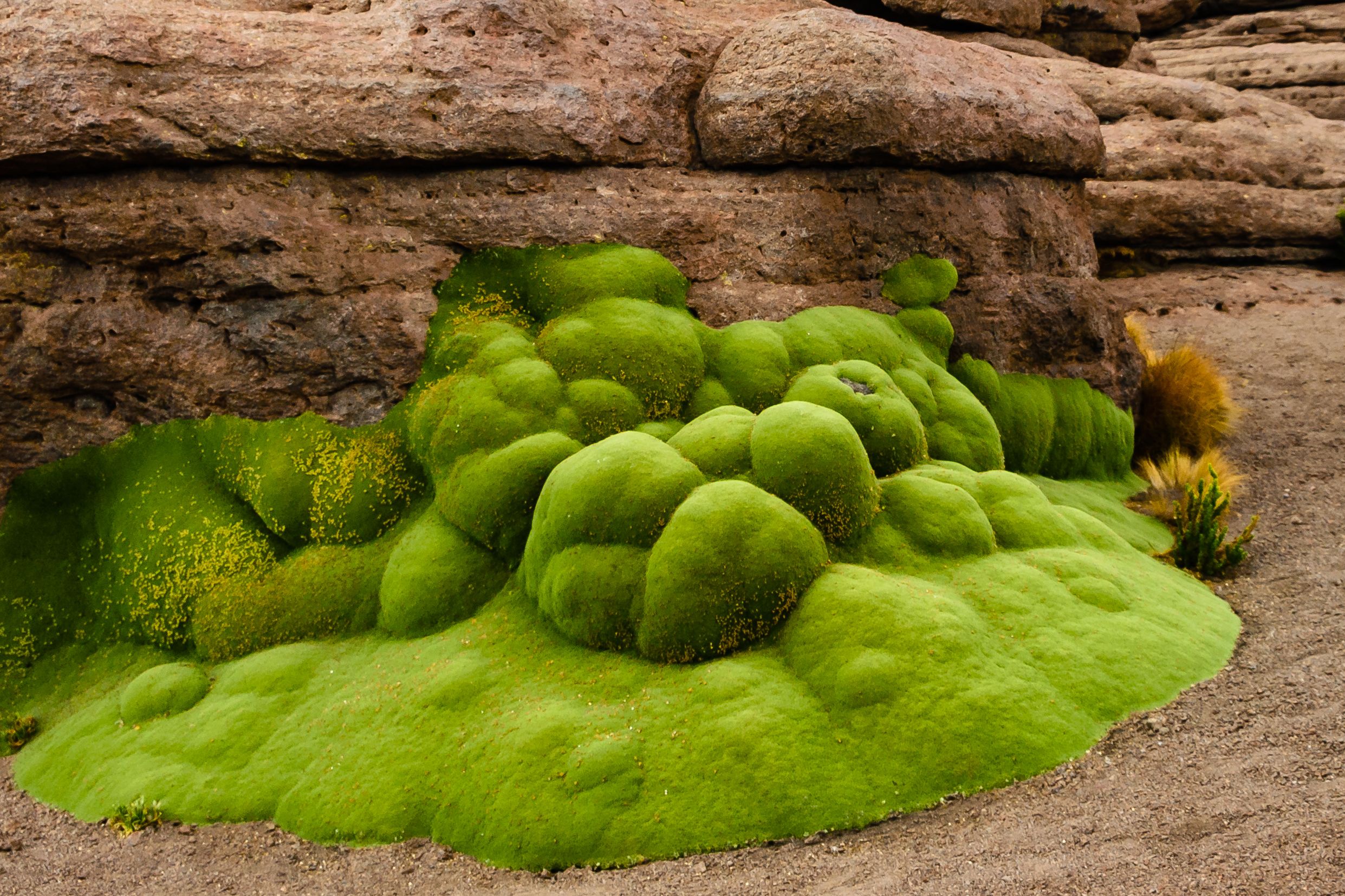
The oldest living thing still alive today is a species of clonal colony of quaking aspen (Populus tremuloides) known as Pando, located in Utah, USA. This organism is estimated to be around 80,000 years old, making it one of the oldest and largest living organisms on Earth. Pando is not just remarkable for its age; it encompasses around 106 acres and is made up of approximately 47,000 genetically identical trees that share a single root system.
Characteristics of Pando
Pando exhibits several remarkable characteristics that contribute to its status as the oldest living organism:
See also:
- Clonal Growth: Pando's trees are all genetically identical, meaning they emerged from the same parent tree and grow from a shared root system.
- Resilience: The root system of Pando can withstand various environmental pressures, allowing the organism to flourish over thousands of years.
- Habitat: Pando thrives in the rich soils of Utah's Fishlake National Forest, where the conditions favor its growth and sustainability.
Comparison with Other Ancient Organisms
Pando's age and structure can be compared to other ancient organisms, showcasing the diversity of longevity in nature:
- Old Tjikko: A clonal Norway Spruce in Sweden, estimated to be around 9,560 years old, is one of the oldest known living trees.
- Methuselah: A Bristlecone Pine in California, approximately 4,850 years old, this tree is renowned for its longevity.
- Posidonia oceanica: A seagrass species in the Mediterranean, which can form large, clonal underwater meadows, with estimates suggesting some colonies are over 100,000 years old.
Ecological Importance of Pando
Pando plays a significant role in its ecosystem, contributing to biodiversity and environmental health:
- Wildlife Habitat: The immense canopy and diversity of flora beneath support numerous animal species and insects.
- Soil Stabilization: The extensive root system helps prevent soil erosion, maintaining the health of the forest ecosystem.
- Carbon Sequestration: As a large organism, Pando captures significant amounts of carbon dioxide, aiding in climate change mitigation.
Threats to Pando's Survival
Despite its age and resilience, Pando faces several threats that could jeopardize its existence:
- Climate Change: Alterations in temperature and precipitation can affect the health and growth of the trees.
- Wildfire Risks: Increasing wildfire frequency in the region could pose a significant threat to the clonal colony.
- Browsing Pressure: Overpopulation of deer and other herbivores leads to excessive browsing, preventing new growth from maturing.
Conservation Efforts
Conservation efforts are essential to protect Pando and ensure its survival for future generations:
- Monitoring Programs: Scientists regularly monitor the health of trees and root systems to assess the colony's overall condition.
- Public Awareness: Efforts are being made to increase awareness about the importance of Pando and other ancient organisms.
- Management Practices: Implementing strategies to manage deer populations and mitigate wildfire risks can help preserve Pando’s ecosystem.
Is there a plant that never dies?

It is a common belief that some plants have the ability to survive under extreme conditions, but the idea of a plant that never dies is more nuanced. While there are plants that are known for their hardiness and longevity, no plant is truly immortal. However, some species exhibit remarkable resilience and can thrive in harsh environments or survive for incredibly long periods, leading to the perception that they are nearly indestructible.
Resilient Plants in Nature
Many plants have adapted to their environments in ways that allow them to survive extreme conditions, such as drought, high temperatures, and poor soil quality. These adaptations can make them appear immortal in a practical sense.
- Succulents: These plants store water in their leaves, stems, or roots, allowing them to survive long periods without rain.
- Cacti: With their thick, waxy skin and spines instead of leaves, cacti are specially designed to conserve water in arid environments.
- Resurrection Plant: Known as Selaginella lepidophylla, this plant can survive extreme dehydration and then quickly revive when water is available.
Longevity in Trees
Some trees are known for their incredible longevity, living for thousands of years, which may contribute to the idea of a plant that never dies.
- Bristlecone Pine: Found in the western United States, some individuals have been dated to be over 5,000 years old.
- Sequoia: These gigantic trees can live for more than 3,000 years, showcasing a remarkable lifespan.
- Olive Trees: Many olive trees can live for centuries and potentially even thousands of years with proper care.
Asexual Reproduction and Cloning
Certain plants can reproduce asexually, which allows them to create clones of themselves, giving the appearance of immortality.
- Quaking Aspen: This tree species can spread through root systems, creating extensive groves that are genetically identical.
- Strawberry Plants: These plants produce runners that can grow new plants from their roots, enabling continuous propagation.
- Bulb Plants: Many plants, like tulips and daffodils, can reproduce through bulbs, which can remain dormant until conditions are favorable.
Endurance in Extreme Environments
Some plants thrive in extreme environments, such as deserts and rocky terrains, exhibiting properties that allow them to survive for long durations.
See also:
- Halophytes: These salt-tolerant plants can grow in saline environments such as coastal areas, surviving where other plants cannot.
- Alpine Plants: They endure harsh weather conditions, including freezing temperatures and high winds, demonstrating incredible resilience.
- Tundra Flora: Plants in the tundra have adapted to short growing seasons and freezing temperatures, showcasing endurance against elements.
The Myth of Immortality in Botany
Despite their impressive survival strategies, no plant can escape the inevitability of death due to natural causes such as disease, age, or environmental changes.
- Environmental Threats: Changes in climate and habitat can lead to extinction, impacting even the hardiest plants.
- Biological Age: Every plant has a life cycle, with specific phases of growth, maturity, and decay.
- Pest and Disease Resistance: Factors such as pests or diseases can ultimately lead to the demise of even the most robust species.
What is the oldest species of tree still alive today?
:max_bytes(150000):strip_icc()/worldsoldesttree-0d8ddfb92fa149e6bd8924bbb7f611d1.jpg)
The oldest species of tree still alive today is the Bristlecone Pine (Pinus longaeva). Found in the mountainous regions of California, Nevada, and Utah, some of these trees have been dated to be over 4,800 years old. The longevity of the Bristlecone Pine is attributed to their slow growth rate and the extreme conditions in which they thrive, including harsh weather and rocky, nutrient-poor soil.
Characteristics of Bristlecone Pines
Bristlecone Pines are known for their unique and twisted shapes, making them stand out in the landscape. Their dense wood contains high levels of resin, making them resistant to decay and insects. This natural durability contributes to their long lifespan.
- Adaptations to Extreme Environments: They grow in high-altitude regions where few other species can survive.
- Unique Tree Structure: Their gnarled appearance can be attributed to sustained harsh weather conditions.
- Slow Growth Rate: This species grows at a much slower pace than other trees, enhancing its longevity.
Regions Where Bristlecone Pines are Found
Bristlecone Pines predominantly thrive in the White Mountains of California, though they can also be found in parts of Nevada and Utah. These areas are characterized by their arid climate and rocky soil, which plays a significant role in the tree's growth.
- White Mountains, California: Home to some of the oldest known Bristlecone Pines.
- Great Basin National Park, Nevada: Another key location where these ancient trees can be observed.
- Nevada's Mount Wheeler: Hosts a variety of ancient trees within its slopes.
Significance of Old Trees in Ecosystems
Old trees like the Bristlecone Pine play a critical role in their ecosystems. They provide habitat and food for various species, serve as natural carbon sinks, and contribute to soil stabilization. Their age and resilience offer valuable insights into the history of climate changes in their regions.
- Biodiversity: Old trees create habitats for numerous organisms.
- Climate Regulation: They help in carbon storage, contributing to climate stability.
- Soil Health: Their root systems assist in preventing erosion and maintaining soil integrity.
Conservation Efforts for Ancient Trees
Preserving Bristlecone Pines is essential for maintaining biodiversity and understanding ecological history. Conservation efforts focus on protecting these trees from threats such as climate change, pests, and human activity.
- Protected Areas: Many Bristlecone Pine forests are located within national parks and reserves to safeguard their growth.
- Research Initiatives: Ongoing studies help track the health and growth of ancient trees.
- Public Awareness Campaigns: Educating the public on the importance of these ancient species encourages conservation efforts.
Interesting Facts About Bristlecone Pines
Bristlecone Pines have fascinating facts that highlight their unique aspects and place in history. For instance, they have been used for dendrochronology, the study of tree rings, to understand past climate conditions.
- Oldest Living Organism: Some individuals, such as Methuselah, are over 4,800 years old.
- Dendrochronology: The study of their rings has contributed significantly to climate science.
- Unique Aesthetic: Their twisted branches and ancient look attract visitors and researchers alike.
Questions from Our Readers
What is the oldest plant still around today?
The oldest plant still around today is the bristlecone pine, specifically the species known as Pinus longaeva. Some individuals of this species have been dated to be over 5,000 years old, making them some of the most ancient living organisms on Earth.
Where can the oldest plants be found?
The oldest bristlecone pines are primarily located in the White Mountains of California, particularly within the Inyo National Forest. These trees thrive in harsh conditions, which contributes to their remarkable longevity and resilience.
See also:
What factors contribute to the longevity of these plants?
The longevity of the bristlecone pine is attributed to several factors, including its ability to withstand harsh weather, poor soil conditions, and disease resistance. Their slow growth rate also means they invest energy in survival rather than rapid growth.
Are there other ancient plants besides the bristlecone pine?
Yes, there are other ancient plants, such as the Methuselah tree, another bristlecone pine, and the Old Tjikko, a clonal Norway spruce in Sweden that is over 9,500 years old. These plants showcase the incredible diversity and adaptability of ancient vegetation.
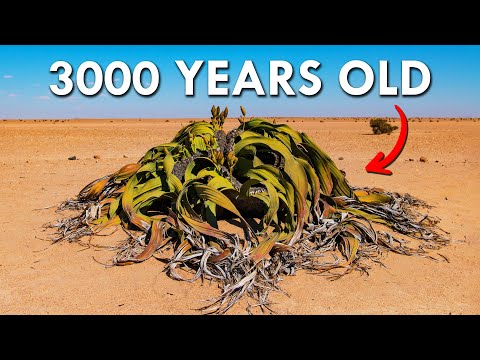
If you want to read more articles like What is the oldest plant still around today? Discover the Secrets of Nature's Ancient Lifeforms, we recommend you check out our Plants category.
Leave a Reply
Related Articles