What is the oldest crop on Earth? Discover the Ancient Origins and History of Humanity's First Harvests

Agriculture has been a cornerstone of human civilization, shaping our societies and landscapes for thousands of years. Among the myriad crops that have sustained us, one stands out as the oldest: the enigmatic grain that first nurtured our ancestors. This article delves into the ancient origins and history of humanity's first harvests, exploring how this primordial crop not only fed early communities but also laid the foundation for agricultural practices that continue to evolve today. Join us on a journey through time to uncover the significance of this remarkable plant and its impact on the course of human development.
What is the Oldest Crop on Earth?
The oldest crop believed to have been domesticated by humans is wheat, specifically emmer wheat (Triticum dicoccum) and spelt (Triticum spelta). Archaeological evidence suggests that these grains were cultivated as early as 10,000 years ago in the Fertile Crescent, a region stretching from modern-day Israel to Iraq. This area provided the ideal conditions for early agriculture due to its fertile soil and favorable climate. Wheat's domestication marked a significant turning point in human history, allowing for the development of settled societies and the eventual rise of civilizations.
Historical Significance
Wheat holds monumental historical significance as one of the first crops to be widely cultivated, leading to the establishment of early agrarian societies. Its adoption allowed populations to transition from nomadic lifestyles to settled farming communities, resulting in increased food production and population growth. This shift laid the groundwork for the development of cities, trade, and complex political structures, thereby influencing the trajectory of human civilization.
Varieties of Ancient Wheat
The two primary varieties of ancient wheat are emmer wheat and spelt. Emmer wheat, known for its nutritional value and adaptability, was generally easier to grow in various climates. Spelt, on the other hand, is known for its high protein content and resistance to diseases, making it a valuable crop for early farmers. Both varieties are still grown today, appreciated for their flavor and potential health benefits in modern diets.
Geographical Origins
The geographical origins of the oldest crops, including wheat, can be traced back to the Fertile Crescent, which encompasses parts of present-day Turkey, Syria, Lebanon, Jordan, Israel, and Iraq. This region's unique environment provided the ideal conditions for wild grains to thrive, which early humans began to harvest and eventually cultivate. The Fertile Crescent is often referred to as the cradle of civilization due to the profound agricultural developments that took place there.
Impact on Agriculture
The domestication of wheat had a transformative impact on agriculture as it allowed for the development of farming techniques that enhanced food security. Wheat became a staple crop, leading to advancements in irrigation, crop rotation, and the use of tools such as sickles and plows. This agricultural revolution not only increased efficiency in food production but also contributed to the sustainability of communities as they learned to cultivate crops systematically.
Modern Wheat Cultivation
Modern wheat cultivation has evolved from its ancient roots, with current practices incorporating advanced techniques such as genetic modification and precision farming. Today, wheat stands as one of the world's most important cereal grains, providing a significant portion of the daily caloric intake for populations globally. The ongoing research in genetics and natural growing techniques aims to improve yield, disease resistance, and adaptability of wheat varieties, ensuring their sustainability in a changing climate.
| Crop | Importance | Region of Origin | Domestication Date |
|---|---|---|---|
| Emmer Wheat | Foundation of early agriculture | Fertile Crescent | Circa 10,000 years ago |
| Spelt | High protein content, disease resistant | Fertile Crescent | Circa 9,000 years ago |
Which is the oldest crop in the world?
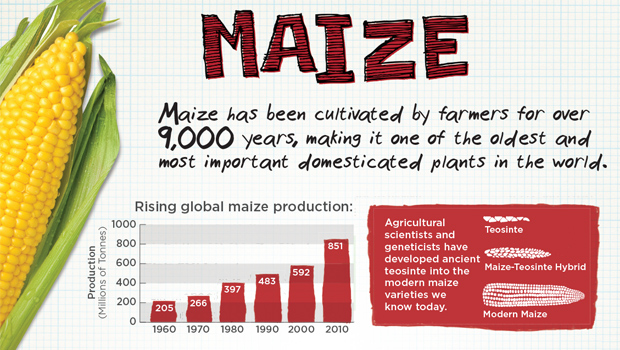
The oldest crop in the world is believed to be wheat, specifically emmer wheat (Triticum dicoccum), which has been cultivated since around 10,000 years ago in the Fertile Crescent — a region that includes parts of modern-day Iraq, Syria, Lebanon, Israel, and Jordan. This ancient variety of wheat played a significant role in the development of agriculture and was one of the first cultivated grains in human history. Its domestication marked a pivotal transition from nomadic lifestyles to settled farming communities, significantly impacting food production and societal organization.
Historical Significance of Wheat
Emmer wheat is particularly significant because it represents one of the earliest examples of human agricultural innovation. It was one of the first crops to be cultivated, leading to the establishment of agricultural societies.
See also:
- This transition allowed for permanent settlements and the rise of civilization.
- It facilitated population growth due to a more stable food supply.
- The surplus produced by agriculture led to the specialization of labor and the development of different crafts and trades.
Domestication of Emmer Wheat
The process of domestication for emmer wheat involved selecting plants that would yield larger and more nutritious grains, ultimately adapting them to human needs. This selective breeding was crucial for the survival and growth of early civilizations.
- Emmer wheat's tough outer husk made it favorable for storage and transport.
- This crop adapted well to different environmental conditions, making it versatile.
- Farmers learned to cultivate and harvest these crops effectively, leading to increased yields.
Global Distribution and Evolution
From its origins in the Fertile Crescent, emmer wheat spread across the globe, evolving into various wheat species and varieties that we know today, such as spelt and modern common wheat.
- Through migration and trade, emmer wheat traveled to Europe, Asia, and North Africa.
- Climate and soil conditions influenced the evolution of wheat varieties.
- Today, modern wheat contributes to a significant portion of the global diet, thanks to its rich nutritional profile.
Impact on Culture and Society
Wheat has played an essential role in shaping the culture and society of various regions. It has not only influenced diet but also rituals, traditions, and economies.
- Wheat is often celebrated in festivals and customs across cultures.
- It has been a symbol of abundance and fertility in various mythologies.
- The role of wheat in trade and economy has made it a staple in global commerce.
Modern Implications of Ancient Cultivation
Understanding the origins of wheat and its domestication helps modern scientists and farmers appreciate its role in today’s agriculture, providing insights into sustainable farming practices and genetic diversity.
- It encourages the conservation of ancient grains for biodiversity and resilience.
- Modern breeding techniques draw on traditional practices for developing new varieties.
- Awareness of historical crops enhances food security strategies in the face of climate change.
What was the first ever crop?

The first ever crop cultivated by humans is believed to be wild barley (Hordeum spontaneum), which dates back to around 10,000 to 12,000 years ago. This early form of agriculture took place during the Neolithic era, particularly in the Fertile Crescent region, which encompasses parts of modern-day Iraq, Syria, Lebanon, and Israel. The domestication of wild barley marks a significant transition from nomadic lifestyles to settled agricultural societies. Over time, as humans began to select and grow plants with desirable traits, this led to the development of agriculture and the establishment of permanent settlements.
The Importance of Wild Barley
Wild barley played a crucial role in the transition to agriculture. It was one of the first plants that humans cultivated, leading to a better understanding of farming practices.
- Foundation of Agriculture: The cultivation of wild barley helped establish the basic principles of agriculture.
- Food Security: Growing barley provided a reliable food source, which was critical for early human populations.
- Cultural Development: The shift to farming allowed for the development of communities and eventually civilizations.
Domestication Process
The process of domestication of wild barley involved selecting plants that exhibited favorable traits, which would produce a better yield and be easier to harvest.
- Selection: Early farmers would select barley plants that had larger seeds and non-brittle stems.
- Propagation: These selected plants were then cultivated, leading to a consistent supply of food.
- Adaptation: Over generations, barley adapted to the farming practices and environmental conditions, leading to cultivated varieties.
Spread of Agriculture
Once wild barley was domesticated, the knowledge of agricultural practices began to spread to neighboring regions, influencing other cultures.
- Migration: As populations grew, groups migrated and took agricultural knowledge with them.
- Trade: Early agricultural societies engaged in trade, exchanging seeds and agricultural techniques.
- Cultural Exchange: The diffusion of farming practices led to a mix of agricultural traditions among different cultures.
Barley in Ancient Civilizations
Barley became a vital crop in ancient civilizations and was often used not just for food but also in religious practices.
See also:
- Staple Food: It was a primary source of sustenance for populations in ancient Mesopotamia, Egypt, and beyond.
- Trade Commodity: Barley was valuable in commerce, sometimes used as a form of currency.
- Religious Significance: Barley was used in rituals and offerings, highlighting its importance in cultural practices.
Evolution to Modern Varieties
Over thousands of years, wild barley has evolved into numerous varieties, each suited for different climates and agricultural practices.
- Genetic Diversity: The genetic variation in barley has allowed farmers to select traits that optimize yield and resilience.
- Modern Breeding: Today, scientific breeding techniques contribute to developing improved varieties for specific needs.
- Global Crop: Barley remains a globally important crop, used in food production, animal feed, and brewing industries.
What is the oldest grain on Earth?
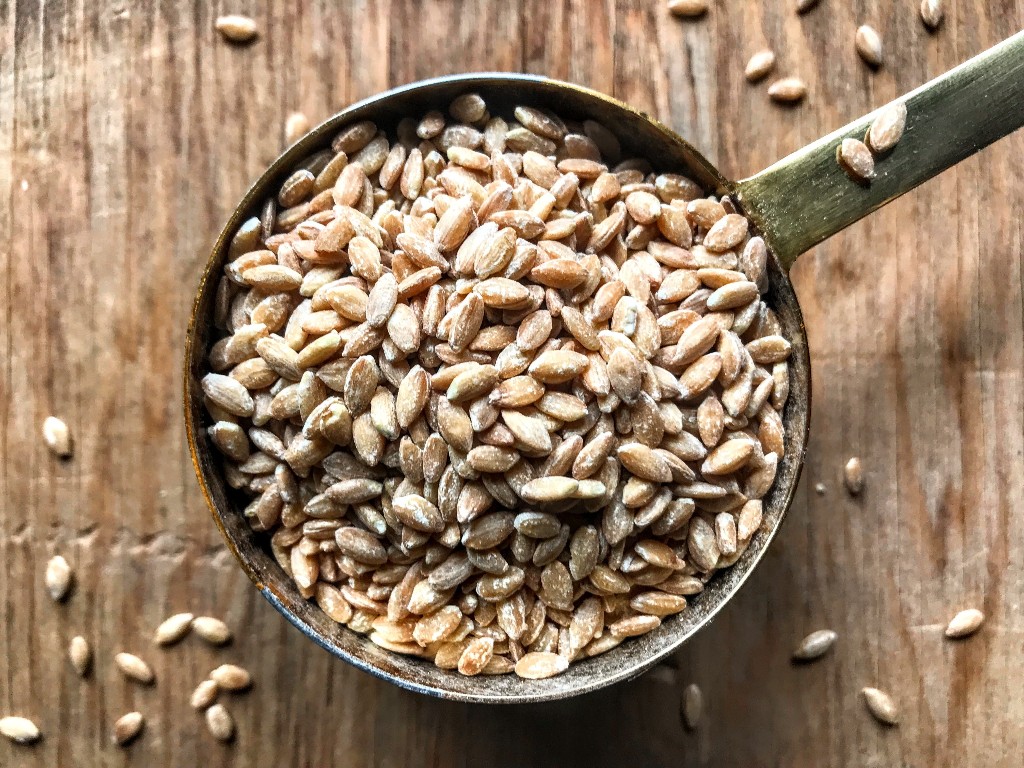
The oldest grain on Earth is generally considered to be emmer wheat, which has been cultivated for over 10,000 years. This ancient grain is a type of wheat that was primarily grown in the Fertile Crescent, a region known for its rich soils and favorable climate, enabling the early development of agriculture. Emmer wheat is a key part of human history, influencing diets and agricultural practices across various cultures.
Historical Significance of Emmer Wheat
Emmer wheat holds significant importance in the history of agriculture and human civilization. Its cultivation marked the transition from nomadic lifestyles to settled farming communities. Key points include:
- Adoption of Agriculture: Emmer wheat was one of the first grains to be cultivated, facilitating the shift to agriculture around 10,000 years ago.
- Dietary Staple: It served as a primary food source for ancient civilizations, providing essential nutrients for growth and survival.
- Cultural Impact: The grain influenced social structures, trade, and the development of complex societies.
Characteristics of Emmer Wheat
Emmer wheat is recognized for its distinct characteristics that differentiate it from modern wheat varieties. These traits contribute to its resilience and nutritional value. Important characteristics include:
- Hardy Nature: It grows well in poor soils and is drought-resistant, making it suitable for various climates.
- Nutritional Profile: Higher in protein and fiber than many modern wheat varieties, it offers numerous health benefits.
- Gluten Content: Emmer wheat contains gluten, but it may be easier to digest for some individuals compared to modern gluten-rich grains.
Archaeological Evidence
Archaeological studies provide crucial insights into the history of emmer wheat and its role in ancient societies. Key findings include:
- Excavation Sites: Evidence of emmer wheat has been found in sites across the Middle East, including sites in ancient Israel, Jordan, and Turkey.
- Ancient Artifacts: Tools for grinding and processing wheat have been discovered, indicating its significance in daily life.
- Carbon Dating: Radiocarbon dating of wheat grains shows that they date back to roughly 9500 BCE.
Modern Uses of Emmer Wheat
Today, emmer wheat is gaining popularity for its health benefits and unique flavor. Various uses include:
- Health Food Products: It is used in specialty breads, pastas, and cereals, appealing to health-conscious consumers.
- Culinary Traditions: Emmer wheat is integral in traditional dishes in regions where it has been cultivated for centuries.
- Sustainable Farming: Interest in ancient grains like emmer is rising among farmers focused on sustainable practices and biodiversity.
Cultural Symbolism
Emmer wheat also carries cultural symbolism in various societies. Its significance can be observed through:
- Mythology: In ancient cultures, emmer wheat often symbolized fertility and was associated with agricultural deities.
- Rituals and Festivals: Grains, including emmer wheat, were used in rituals to ensure good harvests and demonstrate gratitude.
- Art and Literature: Its representation in ancient art and texts showcases its importance in human culture and society.
Questions from Our Readers
What is the oldest crop on Earth?
The oldest known crop on Earth is wheat, specifically emmer wheat, which dates back around 10,000 years to the Neolithic era. This ancient grain is believed to have been one of the first cultivated plants, playing a crucial role in the transition from hunter-gatherer societies to agricultural ones.
How did ancient civilizations utilize the oldest crops?
Ancient civilizations utilized the oldest crops, such as wheat and barley, for their nutritional value and the ability to produce food surplus. This surplus allowed for the development of complex societies, as it enabled population growth and the specialization of labor.
See also:
What methods were used to cultivate the oldest crops?
Early farmers cultivated the oldest crops using basic agricultural techniques like sowing seeds in prepared soil, irrigation, and seasonal harvesting. Over time, these methods evolved into more sophisticated practices that enhanced crop yields and sustainability.
Are there still modern varieties of the oldest crops?
Yes, there are still modern varieties of the oldest crops, such as emmer wheat and einkorn, which are often referred to as ancient grains. These varieties are gaining popularity due to their nutritional benefits and are often promoted as healthier alternatives to modern wheat.

If you want to read more articles like What is the oldest crop on Earth? Discover the Ancient Origins and History of Humanity's First Harvests, we recommend you check out our Plants category.
Leave a Reply
Related Articles