What is the Most Wasted Crop? Unveiling the Shocking Truth Behind Global Food Waste

Food waste is an alarming global issue that affects not only the environment but also food security and economic stability. Among the various crops produced worldwide, some are disproportionately wasted, raising critical questions about agricultural practices and consumer behavior. This article delves into the most wasted crop, uncovering the shocking statistics and practices that contribute to this pervasive problem. By understanding the scale and implications of this waste, we can start to explore effective solutions and promote sustainable practices that can help mitigate the food crisis and ultimately preserve our planet’s resources.
What Is the Most Wasted Crop?
The most wasted crop globally is grain, particularly rice and wheat. Due to various factors including poor storage, inadequate infrastructure, and market inefficiencies, a significant portion of grain produced is never consumed. It is estimated that about one-third of all food produced for human consumption is lost or wasted each year. This loss not only exacerbates food insecurity but also has considerable environmental impacts, as resources such as water, labor, and energy invested in producing this grain are squandered. Addressing the issue of food waste in grain production is crucial for enhancing food sustainability and conserving natural resources.
Causes of Grain Waste
One of the primary causes of grain waste is improper storage facilities. In many countries, especially developing ones, grains are often stored in inadequate conditions that lead to spoilage due to pests, moisture, and temperature. Additionally, logistical challenges hinder the transportation of grain from producers to consumers, leading to significant losses. Consumer behavior and food preferences also play a role, as people tend to discard grains that do not meet aesthetic standards, regardless of their edibility.
Environmental Impact of Grain Waste
Wasted grain has a profound environmental impact. The production of grains consumes large amounts of water, fertilizer, and land, which ultimately contributes to resource depletion. Moreover, when grains are wasted, all the associated energy used in their cultivation, harvesting, processing, and transportation is also lost. This leads to an increased carbon footprint and contributes to climate change, as decomposing waste emits greenhouse gases.
Economic Costs of Grain Waste
The economic costs of grain waste are staggering. It is estimated that billions of dollars are lost annually due to wasted grains, affecting farmers, distributors, and consumers alike. Farmers suffer when they are unable to sell a portion of their harvest, while consumers face higher prices due to decreased supply. This economic impact can intensify food insecurity, particularly in low-income regions where food resources are already scarce.
Global Initiatives to Reduce Grain Waste
Efforts to combat grain waste are underway at various levels, with governments, NGOs, and private sectors working together. Initiatives such as improving storage technology, enhancing transportation infrastructure, and increasing public awareness about food waste are vital. Programs aimed at redistributing excess food to those in need have gained traction, helping to ensure that grains are consumed rather than wasted.
Strategies for Consumers to Reduce Grain Waste
Consumers can play a significant role in reducing grain waste by being mindful of their purchasing habits. Meal planning, buying in bulk, and understanding expiration dates can help minimize waste at the household level. Furthermore, educating oneself about food preservation techniques can extend the life of grains and other food items. By making small changes in behavior, consumers can significantly contribute to the reduction of grain waste.
| Aspect | Details |
|---|---|
| Production Loss | About 30% of grain produced is wasted. |
| Environmental Impact | Increased carbon emissions due to decomposition. |
| Economic Cost | Billions lost annually from grain waste. |
| Consumer Waste | Approximately 15% of total food waste comes from consumers. |
| Initiatives | Improving storage and transportation to minimize losses. |
What is the 1 most wasted food?

The 1 most wasted food is bread. According to various studies, including data from the Food and Agriculture Organization (FAO) and other food waste research organizations, bread often tops the list of foods that are discarded in households and commercial settings alike. This waste is primarily due to its relatively short shelf life, improper storage, and consumer habits.
The Reasons Behind Bread Waste
Bread is frequently wasted for several reasons:
- Short Shelf Life: Fresh bread has a limited lifespan, leading to quicker spoilage.
- Improper Storage: Many consumers do not store bread correctly, leading to mold growth or stale texture.
- Consumer Habits: People often buy more bread than they can consume, resulting in leftover products going to waste.
The Impact of Bread Waste
The waste of bread has significant environmental and economic impacts:
- Environmental Burden: Wasted bread contributes to greenhouse gas emissions when decomposing in landfills.
- Resource Inefficiency: The water, energy, and materials used in bread production are wasted when bread is wasted.
- Economic Loss: Individuals and retailers face financial losses due to unsold or uneaten bread.
Tips for Reducing Bread Waste
Several strategies can help minimize bread waste at home:
- Buy Responsibly: Assess your consumption before purchasing large quantities of bread.
- Proper Storage: Store bread in a cool, dry place or freeze it to extend its shelf life.
- Creative Use: Use stale bread in recipes like croutons, bread puddings, or sandwiches.
Innovations to Combat Bread Waste
Various innovations have emerged to address bread waste:
See also:
- Food Rescue Programs: Many communities have implemented programs to redistribute unsold bread to those in need.
- Smart Packaging: New packaging technologies help keep bread fresher for longer.
- App Development: Some mobile apps allow consumers to find deals on soon-to-be-expired bread, reducing waste.
The Role of Education in Reducing Bread Waste
Education plays a crucial role in reducing the amount of bread wasted:
- Awareness Campaigns: Informing consumers about the impacts of food waste can change purchasing and consumption habits.
- Cooking Courses: Teaching recipes that utilize leftover bread helps reduce waste.
- Community Workshops: Organizing events that focus on food preservation and storage can enhance awareness and skills.
What is the most profit crop?
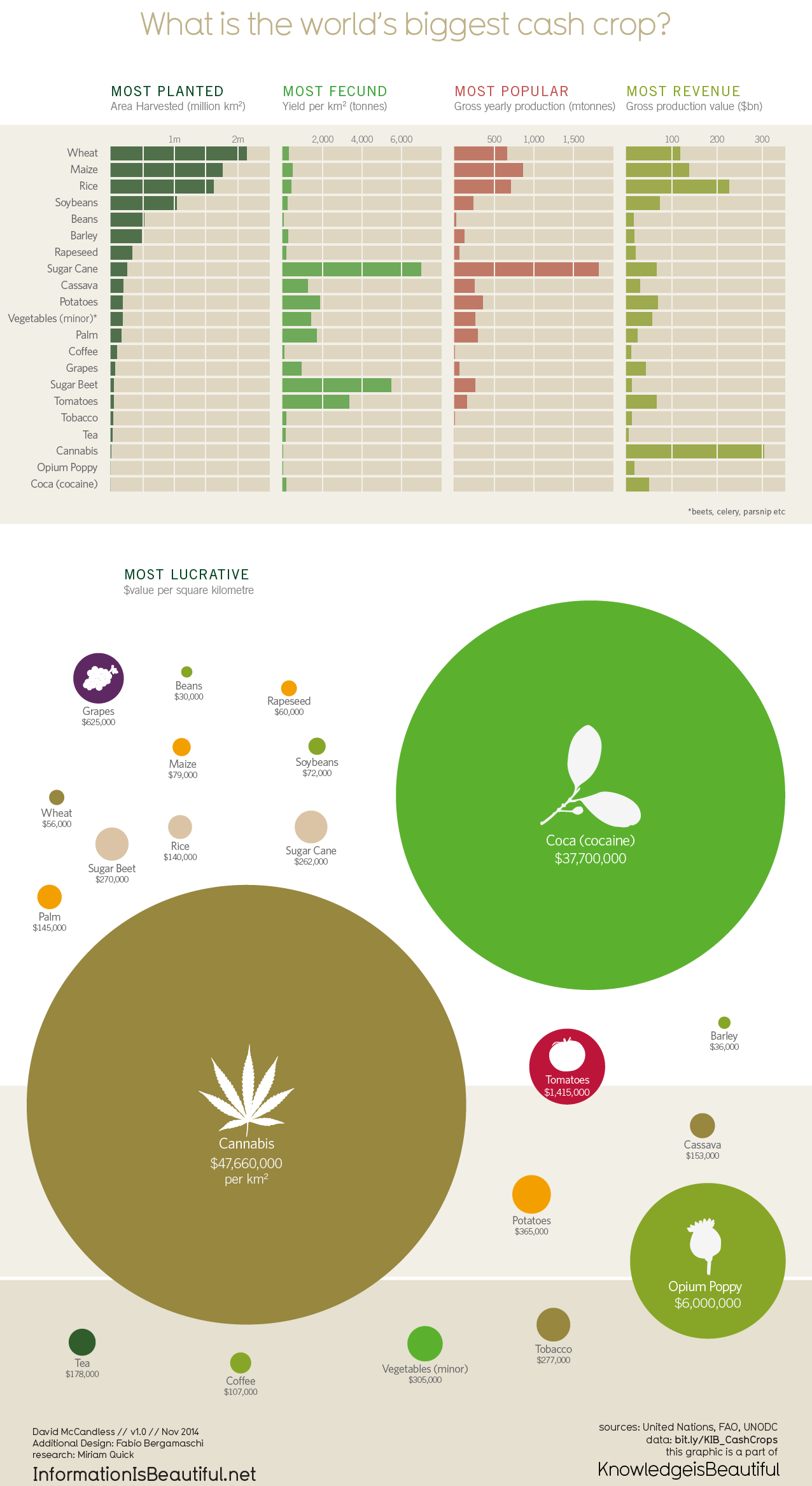
The most profitable crop can vary significantly based on region, climate, market demand, and farming practices. However, certain crops have shown consistently high profitability across various markets. For instance, saffron, avocado, and organic vegetables are frequently mentioned as some of the most lucrative options. This is primarily due to their high market prices, low production costs, and increasing consumer demand.
Factors Influencing Crop Profitability
The profitability of crops is influenced by various factors, which include:
- Market Demand: The level of consumer interest in a particular crop can drive up its price.
- Production Costs: Low input costs for growing a crop can enhance profits.
- Climate Conditions: Certain crops thrive better in specific climates, affecting yield and, consequently, profitability.
Popular Highly Profitable Crops
Several crops have gained popularity for their high-profit margins. Notably:
- Saffron: Known as the world's most expensive spice, it offers significant returns.
- Avocado: With its surge in popularity, avocados can provide excellent profits for growers.
- Organic Vegetables: Rising health awareness has led to increased demand for organic produce, translating to better prices.
Cost-Benefit Analysis of Crops
Understanding costs is vital for evaluating profitability:
- Initial Investment: This includes seed costs, labor, and land preparation expenses.
- Maintenance Costs: These encompass water, fertilizers, and pest control measures necessary for crop growth.
- Harvesting Expenses: Labor and machinery costs involved in harvesting can impact overall profitability.
Regional Variability of Crop Profitability
Not all crops yield the same profits across different regions. Key points include:
- Soil Quality: Fertile soil can significantly enhance crop yields, leading to higher profits.
- Climate Suitability: Regions with a favorable climate for specific crops will generally see better productivity.
- Local Market Access: Proximity to markets can reduce transport costs and improve profit margins.
Future Trends in Crop Production
Emerging trends can affect future crop profitability:
- Technological Advances: Innovations in farming technology may reduce costs and increase efficiency.
- Consumer Preferences: Trends towards sustainability and healthy eating can shift market demands.
- Global Market Changes: Global events can influence supply chains and affect local crop prices.
How many crops are wasted?
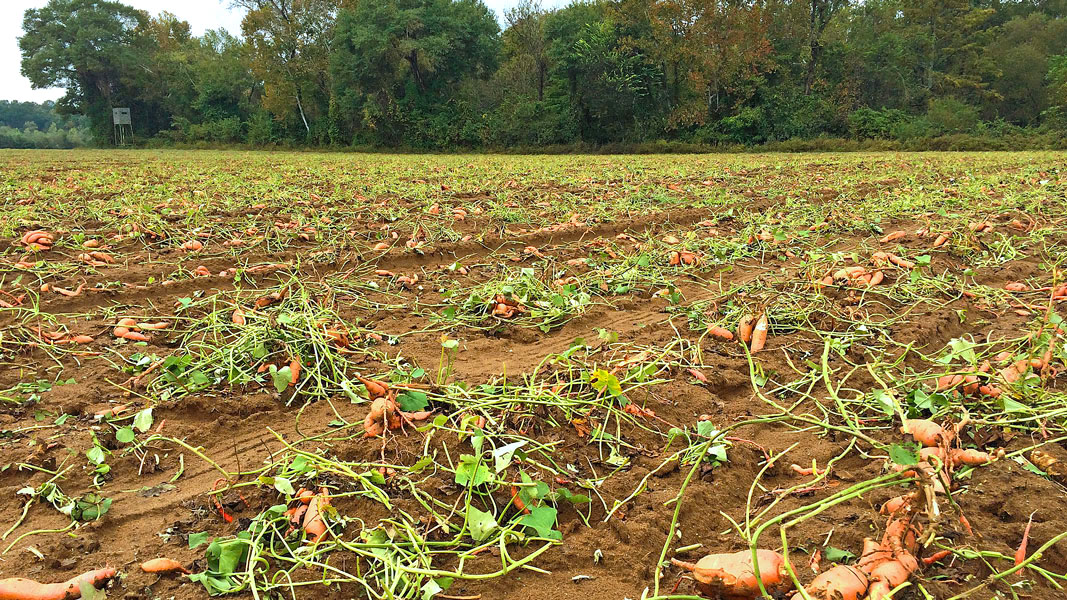
According to the Food and Agriculture Organization (FAO), about one-third of the food produced globally is wasted each year. This amounts to approximately 1.3 billion tons of food, which dramatically highlights the scale of crop waste. Different factors contribute to this issue, including inadequate harvesting techniques, lack of infrastructure for storage and transportation, and consumer behavior. Specific crops experience varying levels of waste due to these factors, with fruits and vegetables being among the most wasted.
Factors Contributing to Crop Waste
Crop waste is influenced by several factors that can occur at different stages of the food supply chain.
- Farm-Level Losses: Many crops do not make it from the field to the market due to poor harvesting techniques, pests, disease, and inadequate planning.
- Post-Harvest Handling: Crop loss occurs during the storage and transportation processes, often because of inadequate facilities that cannot maintain the necessary conditions to keep crops fresh.
- Consumer Behavior: Wasted crops often stem from consumer preferences for produce that meets aesthetic standards, leading to perfectly edible food being discarded.
Types of Crops Most Affected by Waste
Certain types of crops are more susceptible to waste than others, driven by their perishability and market dynamics.
- Fruits: Items like bananas and berries often spoil quickly if they aren’t sold on time.
- Vegetables: Leafy greens and root vegetables typically have a short shelf life, resulting in high levels of waste.
- Grains: While grains like rice and wheat are less perishable, they can still be lost due to storage pest infestations and poor handling practices.
Geographical Variations in Crop Waste
The extent of crop waste varies significantly depending on geographical location and local agricultural practices.
See also:
- Developed Countries: In places like North America and Europe, much waste occurs at the retail and consumer levels, where aesthetic perfection is prioritized.
- Developing Countries: In regions of Africa and Asia, crop waste is more pronounced at the farm and storage levels due to inadequate infrastructure.
- Climate Impact: The geographical impact of climate change also influences crop waste, as extreme weather can affect yields and increase losses.
Economic Implications of Crop Waste
The economic fallout from crop waste is substantial, affecting farmers, businesses, and consumers alike.
- Farmer Income: When crops are wasted, farmers lose potential income, which can lead to economic instability in agricultural communities.
- Food Prices: Wastage can drive up prices due to decreased supply, impacting consumers and increasing food insecurity.
- Environmental Costs: The economic implications extend to environmental degradation due to the unnecessary use of resources (water, land, and energy) that go into growing wasted crops.
Innovative Solutions to Reduce Crop Waste
Addressing crop waste requires innovative strategies at various levels of the food supply chain.
- Improving Technology: Implementing better harvesting equipment and storage technology can significantly reduce post-harvest losses.
- Consumer Education: Teaching consumers about proper storage techniques and the value of imperfect produce can help decrease waste at the household level.
- Policy Initiatives: Governments can play a role by establishing regulations that reduce food waste and promote efficient agricultural practices.
What is the biggest source of food waste?
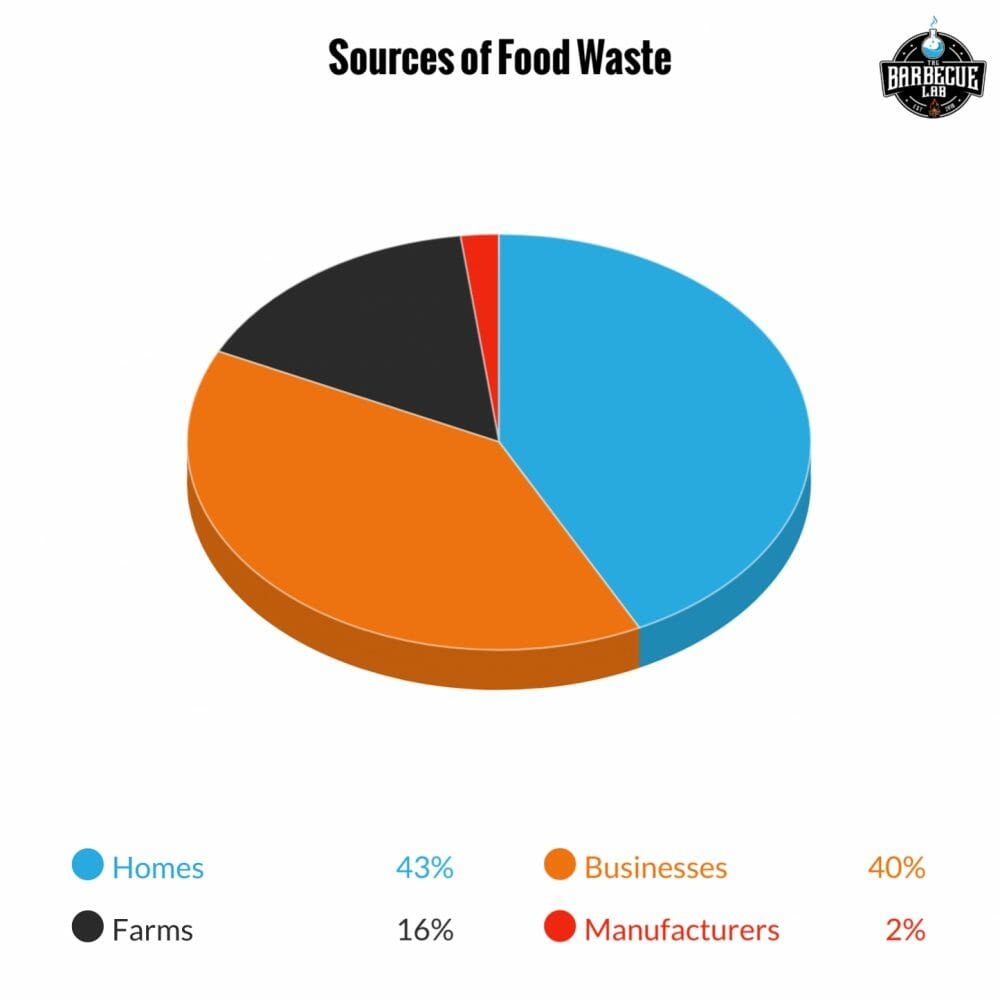
The biggest source of food waste largely stems from consumer behavior, often influenced by factors such as over-purchasing, misunderstanding expiration dates, and improper storage. It is estimated that approximately 30-40% of the food supply in the U.S. ends up in landfills. This waste not only has environmental repercussions but also significant economic implications, with billions of dollars wasted each year. The challenge is multi-faceted and requires a combination of education, better food management practices, and policy changes to address effectively.
Consumer Over-Purchasing
Consumer over-purchasing is a significant contributor to food waste. Many consumers buy more food than they can realistically consume due to promotions, perceived scarcity, or simply habit.
- Promotional Offers: Sales and discounts can lead consumers to buy excess food they do not need.
- Bulk Buying: Purchasing in bulk may save money, but it often results in unused products going to waste.
- Lack of Planning: Without meal planning, consumers may end up with items they do not use before they spoil.
Misunderstanding Expiration Dates
Many consumers misinterpret food labels, such as sell by, use by, and best before dates, leading to unnecessary discarding of edible food.
- Confusion of Labels: Different terms can create ambiguity, leading to premature disposal of food.
- Consumer Trust in Labels: Many people believe that food is unsafe once the date passes, contributing to food waste.
- Lack of Education: There's a general lack of understanding about the safety of food post-expiration dates.
Improper Food Storage
Improper food storage techniques can lead to earlier spoilage and waste. Understanding how to store different types of food can make a significant difference in their longevity.
- Temperature Control: Not keeping perishables at the right temperature can lead to quicker spoilage.
- Awareness of Best Practices: Many consumers are unaware of the best storage methods for different food items.
- Use of Packaging: Failing to repackage bulk items appropriately can lead to faster degradation.
Food Preparation Habits
Food preparation habits can also contribute to waste, as often, parts of the food are discarded that may have been edible.
- Skin and Peels: Many people discard peels and skins, which can be nutritious and flavorful.
- Unused Leftovers: Leftover food often gets thrown away instead of being reused in another meal.
- Portion Sizes: Preparing too large portions can lead to more waste if leftovers are not consumed.
Supply Chain Inefficiencies
Inefficiencies in the food supply chain also contribute to food waste, encompassing production, transportation, and distribution processes.
- Overproduction: Producers often cultivate more food than the market can absorb, resulting in surplus.
- Transportation Delays: Delays in the supply chain can cause perishable items to spoil before reaching consumers.
- Market Demand Fluctuations: Changes in consumer demand can lead to an imbalance in supply, causing excess waste.
Questions from Our Readers
What is the most wasted crop in the world?
The most wasted crop globally is maize (corn), with a significant portion discarded due to spoilage, overproduction, or poor storage practices. Statistics show that around one-third of all maize produced is not consumed, highlighting the need for better management and distribution practices.
Why is maize the most wasted crop?
Maize is often the most wasted crop due to its high production levels and the challenges associated with its storage and shelf life. Environmental factors, such as pests and weather-related incidents, also contribute to a substantial loss of this staple crop before it reaches consumers.
What are the implications of maize wastage?
The wastage of maize has serious implications for food security, where millions of people could benefit from the food that goes unused. Additionally, waste contributes to environmental issues, including increased greenhouse gas emissions from decomposing crops and a loss of resources that go into crop production.
How can we reduce maize wastage?
To reduce maize wastage, stakeholders can implement improved storage techniques, enhance transportation systems, and promote awareness among farmers about harvesting methods that minimize loss. Policies that encourage better market access for surplus maize can also help in utilizing the crop more efficiently.
See also:

If you want to read more articles like What is the Most Wasted Crop? Unveiling the Shocking Truth Behind Global Food Waste, we recommend you check out our Compost category.
Leave a Reply
Related Articles