What is the Most Profitable Crop to Grow in Canada? A Comprehensive Guide for Farmers

Determining the most profitable crop to grow in Canada can significantly impact a farmer's success and sustainability. With diverse climates and soil types across the nation, the potential for profitability varies widely. This comprehensive guide delves into the key factors influencing crop profitability, including market demand, production costs, and regional considerations. We will explore various crops commonly grown in Canada, analyzing their economic viability and offering insights to help farmers make informed decisions. Whether you're a seasoned grower or new to agriculture, understanding these dynamics is essential for maximizing yields and ensuring a prosperous farming venture.
What is the Most Profitable Crop to Grow in Canada?
In Canada, the most profitable crop to grow varies by region, climate, and market demands, but canola often emerges as a top contender due to its high oil content and demand in both food and industrial markets. Canola is valued not only for its nutritional properties but also for its adaptability to various soil types and climates across Canada, especially in the Prairie provinces. The crop’s profitability is boosted by its export potential, making it a favorable choice for farmers looking to maximize their returns. Because of recent advancements in farming technology, canola cultivation has become more efficient, further enhancing its profitability potential compared to other crops such as wheat or barley.
Economic Factors Affecting Crop Profitability
The economic factors influencing crop profitability in Canada include market prices, demand, and production costs. Farmers must stay updated on current market trends and fluctuations in the prices of various crops. Factors like climate conditions, pest management costs, and changes in agricultural policies can significantly affect the economic viability of different crops. Canola, for instance, has maintained a stable demand and supports competitive pricing, making it an attractive option for farmers.
Regional Variability in Crop Production
Canada's vast geographic diversity means that different provinces excel in various crops due to climatic differences. For instance, Ontario and Quebec are known for their fruit and vegetable production, while the Prairies are ideal for grains like canola and barley. Consequently, farmers must assess their local conditions, including soil type and weather patterns, to determine which crop can yield the highest profit margins in their specific region.
Market Demand Trends
The ever-changing market demand for agricultural products plays a crucial role in determining which crops are the most profitable. Current trends show a growing appetite for organic products and sustainable farming practices, which can lead to higher prices for crops like canola, especially if they are certified organic. Understanding consumer preferences and emerging trends is essential for farmers to align their production with what consumers are willing to pay.
Technological Advances in Agriculture
Technological advancements in farming, such as precision agriculture and improved seed varieties, have made growing canola more efficient and profitable. These innovations allow farmers to use resources such as water, fertilizers, and pesticides more effectively, which can greatly increase yields and reduce overall production costs. Access to data-driven tools can help farmers monitor crop health and make informed decisions, directly impacting profitability.
Investment in Research and Development
Investing in research and development (R&D) is crucial for increasing crop yields and finding better ways to cope with crop diseases and climate change. Organizations and universities in Canada are continuously working to develop disease-resistant canola varieties and innovative farming methods that can lead to increased productivity. Such investments can significantly influence the profitability of growing canola and other crops in the long term.
| Crop | Profitability Potential | Key Factors |
|---|---|---|
| Canola | High | Market demand, adaptability, technological advancements |
| Wheat | Moderate | Global demand, price fluctuations |
| Barley | Moderate | Animal feed production, malting industry |
| Soybeans | Increasing | Export markets, food industry use |
| Fruits & Vegetables | Variable | Local consumer demand, seasonal availability |
What is the most profitable crop in Canada?

The most profitable crop in Canada is canola. This oilseed crop has gained significant popularity due to its high market demand and versatility. Canola is valued for its oil, which is known for its health benefits and is extensively used in cooking and food processing. Furthermore, the residual meal after oil extraction serves as an excellent protein feed for livestock. Canola's profitability stems from various factors, including its high yield per acre, adaptability to diverse soil types, and the various uses of its products in both culinary and industrial applications.
Canola's Economic Impact
Canola has transformed Canadian agriculture, contributing substantially to the economy through both direct and indirect channels. This crop is not only a major export product but also supports a myriad of jobs across the agricultural sector, from farmers to processors and distributors. Its economic impact can be broken down into several areas:
- Export Revenue: Canada is one of the largest exporters of canola oil and meal worldwide, generating billions in revenue.
- Job Creation: The canola industry supports thousands of jobs, from farming to processing and logistics.
- Sustainability Practices: Many canola farmers employ sustainable practices that enhance soil health and biodiversity.
Growing Conditions for Canola
The success of canola as a profitable crop in Canada is largely attributed to its favorable growing conditions. There are several critical environmental and agronomic factors that contribute to canola’s thriving growth:
See also:
- Climate: Canola thrives in Canada’s temperate climate, which provides the necessary cool temperatures for optimal growth.
- Soil Quality: Well-drained soils rich in organic matter are ideal for canola cultivation.
- Crop Rotation: Implementing crop rotation helps in maintaining soil fertility and reducing pest populations.
Technological Advances in Canola Farming
Technological advancements have significantly improved canola farming practices, maximizing yields and reducing costs. These innovations play a crucial role in maintaining canola's status as the most profitable crop:
- Precision Agriculture: Utilizing GPS and data analytics enables farmers to optimize inputs and monitor crop health effectively.
- Biotechnology: Genetically modified canola varieties are resistant to pests and diseases, leading to higher productivity and lower chemical use.
- Improved Machinery: Modern harvesting and planting equipment have enhanced efficiency, allowing farmers to cover more land in less time.
Market Demand for Canola Products
The robust market demand for canola products plays a crucial role in making canola the most profitable crop in Canada. Several factors contribute to this strong demand:
- Health Trends: Canola oil is often marketed as a heart-healthy option, prompting consumer demand.
- Food Industry Usage: It is widely used in restaurants, commercial food production, and households.
- Biofuels: Canola oil is increasingly used in the biodiesel industry, creating additional market opportunities.
Challenges Facing Canola Production
Despite its profitability, canola production in Canada faces several challenges that require attention for sustainability and continued success. These challenges include:
- Climate Change: Changes in climate patterns may affect yield and pest behavior.
- Pest Resistance: The emergence of resistant pests can threaten crop health and profitability.
- Market Fluctuations: Prices can be volatile based on global supply and demand factors.
Which crop gives the highest profit?
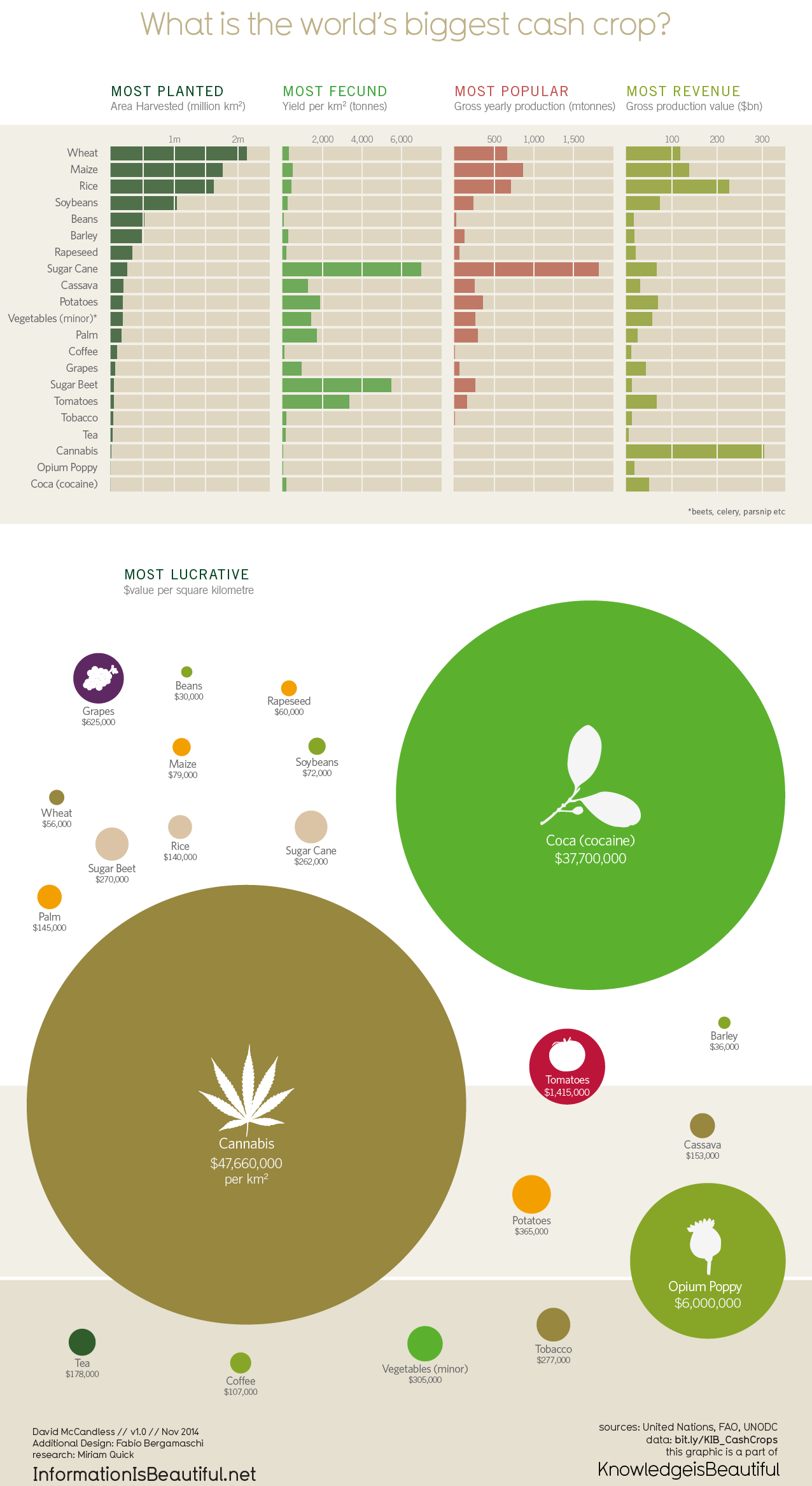
The crop that often gives the highest profit varies by region, market demand, and the specific conditions where it is grown. However, certain crops stand out consistently across various metrics of profitability. Among these, high-value crops such as saffron, truffles, and certain types of organic vegetables and fruits tend to yield the highest financial returns.
Factors such as production costs, yield per acre, market price fluctuations, and consumer trends heavily influence the profitability of any given crop. Here is a breakdown of some of the most profitable crops:
Saffron Production
Saffron, the world's most expensive spice, comes from the flower of Crocus sativus. Its unique flavor, color, and health benefits drive its high market price. Consider the following factors for saffron profitability:
- Low Yield but High Price: Requires significant labor for harvesting, leading to high costs but high returns.
- Market Demand: The demand for saffron continues to rise, especially in gourmet cooking and health-related products.
- Climate Requirements: Thrives in specific climates, which can limit where it can be effectively grown.
Truffle Farming
Truffles are another lucrative crop, particularly European black truffles and white truffles. Their demand has surged in recent years, making them highly profitable. Key points include:
- Long Maturation Time: It takes several years for truffle trees to begin producing, but the long-term returns can be substantial.
- High Market Value: Truffles can sell for thousands of dollars per kilogram, providing excellent profit margins.
- Specific Growth Conditions: Requires specific soil and climate conditions, making them less accessible for the average farmer.
Organic Vegetables
Growing organic vegetables can also be a highly profitable venture, especially with the increasing demand for organic produce. Important considerations for profitability include:
- Market Trends: There is a significant consumer trend towards health and sustainability, boosting organic produce sales.
- Direct-to-Consumer Sales: Many organic farmers sell directly to consumers, reducing costs associated with middlemen.
- Variety and Planning: Planting a variety of high-demand organic vegetables can maximize yield and profit.
Fruit Orchards
Growing specialty fruits such as blueberries, avocados, or exotic fruits can be immensely profitable, particularly in regions with suitable climates. The profitability factors include:
- Diverse Market Opportunities: Specialty fruits often cater to niche markets that are willing to pay premium prices.
- Long Shelf Life: Some fruits can be stored longer, providing flexibility in selling times and better price realization.
- Export Potential: Many fruits have high export demand, further increasing potential profit margins.
Culinary and Medicinal Herbs
Herbs such as basil, cilantro, and lavender possess high market value and are in constant demand for culinary and medicinal uses. Profitable aspects include:
See also:
- Rapid Growth Cycle: Many herbs can be harvested multiple times a year, allowing for frequent income generation.
- Value-Added Products: Herbs can be processed into products like oils or teas, increasing profit potential.
- Local Markets: Selling fresh herbs locally or at farmers' markets can significantly boost earnings.
What are cash crops in Canada?

Cash crops in Canada are agricultural products that are grown for direct sale in the market rather than for personal consumption or subsistence farming. These crops are typically cultivated to generate income and are sold to meet consumer demand. Canadian farmers often focus on cash crops to maximize profitability, taking advantage of the country's diverse climate and soil conditions which allow for a wide variety of agricultural products to thrive.
Types of Cash Crops in Canada
The primary types of cash crops grown in Canada include:
- Cereals: This category includes wheat, barley, oats, and corn, which are among the most common cash crops.
- Oilseeds: Canola and soybean are significant oilseed crops that command high prices in the market.
- Fruits and Vegetables: Fresh produce like berries, apples, and potatoes are essential cash crops for farmers.
- Pulses: Lentils and peas have become popular cash crops due to the growing demand for plant-based proteins.
- Specialty crops: This can consist of crops like herbs, flowers, and mushrooms, often targeted at niche markets.
Regions Known for Cash Crop Production
Certain regions of Canada are particularly known for their cash crop production:
- The Prairies: Alberta, Saskatchewan, and Manitoba are leading producers of grains and oilseeds.
- Ontario: Known for a variety of crops, including corn, soybeans, and fruits.
- Quebec: Notable for producing cash crops like corn, soybeans, and maple syrup.
- British Columbia: Specializes in fruits and vegetables, including berries and mushrooms.
- The Atlantic Provinces: Focus primarily on potatoes and certain fruit crops.
Economic Impact of Cash Crops
The economic significance of cash crops in Canada cannot be underestimated:
- Job Creation: Cash crop farming provides numerous jobs in agriculture, processing, and distribution.
- Export Revenue: Many cash crops are exported, contributing significantly to Canada's economy and trade balance.
- Investment Opportunities: The farming sector attracts investments, bolstering rural communities.
- Support for Related Industries: Cash cropping supports industries such as machinery, fertilizers, and transport.
- Food Security: A diverse cash crop market enhances food security for Canadians and consumers worldwide.
Factors Influencing Cash Crop Success
Several factors influence the success of cash crops in Canada:
- Climate: Regions with favorable weather conditions yield heightened productivity.
- Soil Quality: The fertility of the soil plays a crucial role in determining crop yield.
- Market Demand: Farmers often adjust their planting decisions based on the current market trends and consumer preferences.
- Technological Advancements: Use of modern farming techniques and machinery enhances efficiency and productivity.
- Government Policies: Agricultural policies and subsidies can either support or hinder cash crop production.
Challenges Faced by Cash Crop Farmers
Farmers encounter various challenges when growing cash crops:
- Market Volatility: Fluctuating prices can impact profitability and crop selection.
- Climate Change: Changing weather patterns can adversely affect crop yields and growing conditions.
- Pest and Disease Management: Farmers must deal with pests and diseases that threaten cash crop viability.
- Competition: Global competition can make it challenging to maintain market share.
- Regulatory Hurdles: Adhering to environmental and safety regulations can create additional burdens for farmers.
What are the top 5 crops grown in Canada?

The top five crops grown in Canada include wheat, canola, corn, barley, and soybeans. These crops are significant for both domestic consumption and export markets, playing a crucial role in Canada's agricultural industry.
Wheat
- In 2022, Canada produced approximately 24 million metric tons of wheat.
- The diverse climate across regions allows for both winter and spring wheat farming.
- Canada ranks among the top wheat exporters in the world, serving numerous countries.
Canola
- In 2022, the production of canola was approximately 20.3 million metric tons.
- Canola oil is highly valued for its health benefits, including being low in saturated fats.
- Overall, Canada is the world’s top exporter of canola oil.
Corn
- In 2022, around 13 million metric tons of corn were produced.
- Canadian farmers are increasingly investing in biotechnology and improved seed varieties.
- With proper management, corn can yield great returns for Canadian farmers, contributing to the economy.
Barley
- Canada produces approximately 7 million metric tons of barley annually.
- With a strong emphasis on quality, Canadian barley is recognized globally for its ideal malting qualities.
- The Canadian barley industry also contributes significantly to the export market, serving breweries worldwide.
Soybeans
- In 2022, the production of soybeans in Canada reached approximately 6.5 million metric tons.
- Canadian farmers are adopting more sustainable practices to enhance production efficiency.
- Canada is experiencing an increasing trend in soybean exports, particularly to Asian markets.
Questions from Our Readers
What is the most profitable crop to grow in Canada?
The most profitable crop to grow in Canada often varies by region, but generally, canola is recognized as one of the top contenders due to its high demand and market value. Growers can also achieve significant profits from soybeans, corn, and wheat, depending on local conditions and market needs.
What factors influence crop profitability in Canada?
Several factors influence crop profitability in Canada, including climate, soil quality, and market access. The choice of crop can also be affected by government policies, subsidies, and the global market trends, which can fluctuate based on supply and demand.
See also:
Are there any risks involved in growing high-yield crops?
Yes, growing high-yield crops involves certain risks, such as pest infestations, disease outbreaks, and unpredictable weather patterns. These risks can lead to significant losses if not managed properly, making it essential for farmers to adopt effective crop management practices.
How can farmers increase the profitability of their crops?
Farmers can increase crop profitability by implementing diverse crop rotations, utilizing advanced agricultural technology, and engaging in sustainable farming practices. Additionally, staying informed about market trends and seeking out value-added opportunities can further enhance profitability.

If you want to read more articles like What is the Most Profitable Crop to Grow in Canada? A Comprehensive Guide for Farmers, we recommend you check out our Plants category.
Leave a Reply
Related Articles