Discover What is the Easiest Plant to Grow in Canada: A Complete Guide for Beginners

For those new to gardening, choosing the right plant can be both exciting and overwhelming. In Canada, with its diverse climate and varying temperature zones, it's essential to identify which plants thrive effortlessly. This guide focuses on the easiest plants to grow in Canadian gardens, providing beginners with practical tips and insights. Whether you have a sunny balcony or a shaded backyard, there’s a perfect plant waiting for you. From hardy perennials to vibrant annuals, discover a selection of low-maintenance options that will flourish with minimal effort. Get ready to cultivate a beautiful garden and enjoy the rewards of your green thumb!
What is the Easiest Plant to Grow in Canada?
One of the easiest plants to grow in Canada is the hardy perennial known as the coneflower (Echinacea). This plant thrives in a variety of climates across Canada, as it is resilient to cold winters and can handle different soil types. Coneflowers not only require minimal maintenance but also attract beneficial pollinators like bees and butterflies, making them an excellent choice for home gardens. Their vibrant colors and ability to self-seed further enhance their appeal for both novice and experienced gardeners.
Benefits of Growing Coneflowers
Growing coneflowers offers several advantages. They are known for their drought resistance and adaptability, which means they can thrive in various environmental conditions. This resilience minimizes the need for frequent watering, making them an ideal choice for gardeners who seek low-maintenance plants. Additionally, coneflowers’ ability to attract various pollinators not only aids in local ecosystem health but also adds aesthetic value to any garden.
Optimal Growing Conditions
Coneflowers prefer full sun but can tolerate partial shade, making them versatile in terms of placement. They thrive best in well-draining soils with a pH level between 6.0 and 8.0. Regular watering during their initial growth phase is crucial, but once established, they can survive with minimal irrigation. A simple soil test can be beneficial to ensure that the nutrient levels are adequate for these plants to flourish.
Common Pests and Diseases
While coneflowers are generally disease-resistant, they can be susceptible to certain pests such as aphids, spider mites, and beetles. Regular monitoring and maintenance practices, such as removing affected leaves or using natural pest control methods, can help protect them from infestations. Additionally, ensuring good air circulation around the plant can reduce the risk of diseases like powdery mildew, which is more common in humid conditions.
How to Harvest Coneflower Seeds
If you wish to collect seeds from your coneflowers, it is best to wait until the flowers have completely dried out. At this stage, you can cut the seed heads and place them in a paper bag for further drying. Once fully dry, gently shake the bag to release the seeds. Store them in a cool, dry place until you are ready to replant, ensuring you have a continuous supply of these beautiful blooms for next season.
Growing Alternatives in Canada
If coneflowers aren't your preference, several other easy-to-grow plants are suitable for the Canadian climate, such as marigolds, zinnias, and daylilies. These alternatives also offer vibrant colors and require minimal care. They share similar growing conditions to coneflowers and can thrive in various regions across Canada, making them excellent options for those new to gardening.
| Plant Name | Light Requirements | Water Needs | Pest Resistance |
|---|---|---|---|
| Coneflower | Full Sun | Low | High |
| Marigold | Full Sun | Moderate | Medium |
| Zinnia | Full Sun | Moderate | High |
| Daylily | Full Sun to Partial Shade | Low | High |
What plants can survive Canadian winter?

When considering what plants can survive the harsh conditions of a Canadian winter, it's essential to select species that are well-adapted to cold temperatures and can endure frost, snow, and ice. The following is a comprehensive list of plants that thrive during these extreme conditions:
1. Perennials
Many perennial plants are capable of withstanding cold winters. These plants grow back each spring from their roots, allowing them to survive freezing temperatures.
- Daylilies - Resilient and capable of thriving in various climates, daylilies can survive Canadian winters with minimal care.
- Peonies - Known for their beautiful flowers, peonies are hardy and can support harsh winter conditions.
- Hostas - With a variety of sizes and colors, hostas go dormant in winter, making them ideal for frigid environments.
2. Shrubs
Some shrub varieties possess remarkable cold tolerance, making them suitable for Canadian gardens.
- Winterberry Holly - A deciduous holly that adds color in winter, with bright red berries that persist through the season.
- Common Juniper - This evergreen shrub is hardy and can endure extreme cold, offering excellent ground cover.
- Ninebark - A versatile and hardy shrub that can withstand a variety of climates, including severe winters.
3. Evergreens
Evergreen plants are excellent for winter landscapes as they maintain their foliage throughout the year.
- Norway Spruce - Known for its strength and resilience, this tree is well-suited for the cold Canadian climate.
- Eastern White Pine - This long-lived tree can handle heavy snowfall and frigid temperatures while providing year-round beauty.
- Canadian Hemlock - An adaptable tree, the hemlock is often found in woodland areas and provides lush green foliage even in winter.
4. Bulbs
Certain bulbous plants are excellent for winter survival, especially when properly mulched.
See also:
- Daffodils - These hardy flowers can bloom in early spring, often poking through the snow.
- Crocus - Known for their vibrant colors, crocus bulbs can endure cold conditions and often flower early.
- Snowdrops - As one of the first flowers to bloom in spring, snowdrops are specially adapted to handle the frost.
5. Ornamental Grasses
Ornamental grasses provide texture and movement in the winter landscape, and many varieties are particularly hardy.
- Pampas Grass - Able to withstand cold winters, pampas grass becomes dormant and re-emerges in spring.
- Blue Fescue - A compact grass that adds a unique color and texture, enduring cold temperatures well.
- Miscanthus - This grass is known for its striking plumes, which can provide winter interest and structure.
What is the easiest vegetable to grow in Canada?
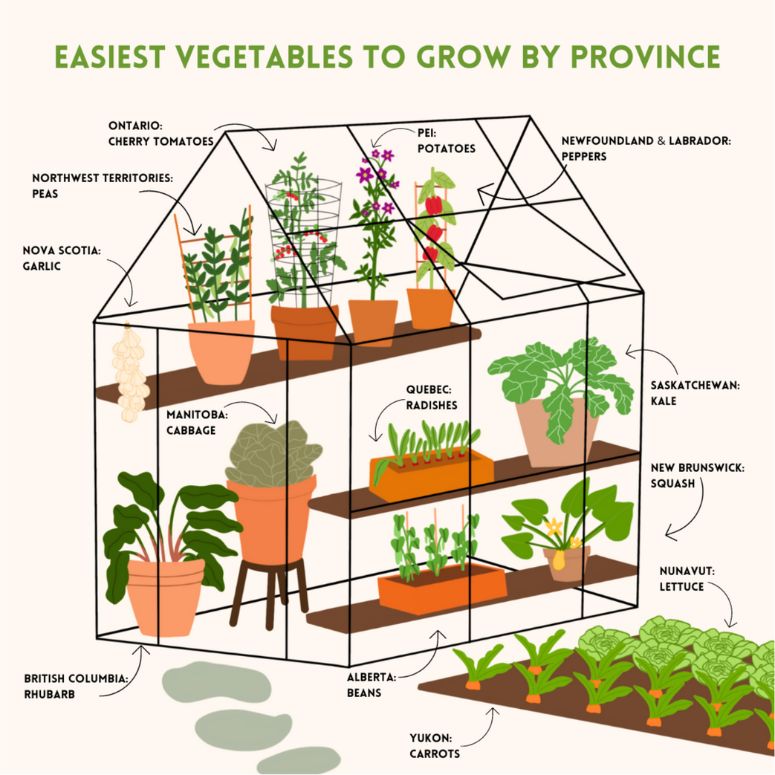
The easiest vegetable to grow in Canada is often considered to be the radish. This fast-growing crop is ideal for Canadian climates, especially during the cool spring and fall months. Radishes mature quickly, usually within three to four weeks, making them a great choice for beginner gardeners. Additionally, they require minimal maintenance and can be planted in a variety of soil types, as long as there is good drainage.
Benefits of Growing Radishes
Radishes provide numerous advantages for home gardeners, particularly in Canada. Here are some key benefits:
- Quick Harvesting: Radishes are one of the fastest vegetables to mature, which allows for multiple sowings in a single season.
- Space Efficient: They can be grown in small spaces, making them ideal for urban gardeners or those with limited garden beds.
- Soil Benefits: Radishes help break up compacted soil with their root systems, improving soil structure for subsequent crops.
Ideal Growing Conditions for Radishes
To successfully cultivate radishes in Canada, understanding the right growing conditions is essential. Here’s what you need to know:
- Temperature: Radishes thrive in cool weather, with optimal temperatures between 10°C and 20°C (50°F - 68°F).
- Soil Type: They prefer well-drained, sandy loam soil with a pH between 6.0 and 7.0.
- Light: Radishes need full sun to partial shade; at least 6 hours of sunlight a day is recommended for the best growth.
Common Radish Varieties for Canadian Gardens
There are several radish varieties that are particularly well-suited for growing in Canadian climates. Here are a few popular options:
- Red Globe: This classic variety is round and bright red, offering a mild flavor and crisp texture.
- French Breakfast: An elongated radish with a white tip, known for its slightly spicy flavor and appealing appearance.
- Daikon: A larger variety that can grow up to 18 inches long, often used in Asian cooking.
Challenges in Growing Radishes
While radishes are generally easy to grow, there can be some challenges. Here are the most common issues:
- Pest Infestation: Flea beetles may target young plants; use row covers to protect seedlings.
- Crop Rotation: Avoid planting radishes in the same spot every year to prevent disease buildup in the soil.
- Bolting: If temperatures rise too quickly, radishes may bolt; plant in late summer for fall crops to avoid this.
Harvesting and Storing Radishes
Knowing when and how to harvest radishes ensures the best flavor and quality. Here’s how to do it:
- Timing: Harvest radishes when they reach their full size, generally within 3-4 weeks after planting.
- Method: Gently pull the radishes from the soil to avoid damaging the roots.
- Storage: Store radishes in the refrigerator, preferably unwashed, in a loosely sealed bag to retain freshness.
What crops grow best in Canada?
In Canada, a diverse range of crops thrive due to its varied climate and geography. The country is known for its abundant agricultural land and is one of the leading producers of several crops. Here are some of the most successful crops grown in Canada:
Cereal Grains
Cereal grains are among the most significant crops grown across Canada, particularly in the Prairie provinces (Alberta, Saskatchewan, and Manitoba). The climate, marked by warm growing seasons and adequate rainfall, supports the production of key cereals. The primary grains include:
- Wheat: Canada is one of the world's largest wheat producers, especially hard red spring wheat.
- Barley: Known for its use in brewing and animal feed, barley thrives in the cooler climates of Western Canada.
- Oats: Oat production is particularly strong in Canada, which is a major exporter of oats worldwide.
Canola
Canola is one of the most important oilseed crops in Canada and is primarily grown in the Prairie provinces. It has gained popularity due to its high oil content and health benefits associated with canola oil. The factors contributing to its success include:
- Climate: Canola requires a temperate climate, which is well-suited to the Canadian landscape.
- Crop Rotation: It is often included in crop rotation systems to maintain soil health.
- High Yield: Advances in agriculture technology have led to increased yields and better disease management.
Pulses
Pulses, including lentils, peas, and chickpeas, are extensively grown in Canada, particularly in Saskatchewan. These crops are valued for their nutritional content and ability to fix nitrogen in the soil. They have several advantages:
See also:
- Soil Fertility: Pulses improve soil quality by enriching it with nitrogen.
- Market Demand: There is a growing global demand for pulses due to their health benefits.
- Drought Resistance: Many pulse crops can withstand dry conditions, making them adaptable to varying climates.
Fruits and Vegetables
While Canada is known for its grains and oilseeds, it also produces a variety of fruits and vegetables, primarily in regions with warmer climates such as the Southern Ontario and British Columbia. Key crops include:
- Apples: Canada is recognized for its crisp and sweet apple varieties, thriving in areas with cold winters.
- Potatoes: Grown mainly in Prince Edward Island, potatoes are a staple vegetable with consistent demand.
- Greenhouse Vegetables: Cucumber, pepper, and tomato production is increasingly common in controlled environments.
Specialty Crops
Canada also cultivates a variety of specialty crops that cater to niche markets. These crops might include herbs, berries, and other unique crops. Their growth is supported by:
- Consumer Trends: Increasing consumer interest in organic and locally-sourced products drives specialty crop production.
- Diverse Climate Zones: Canada’s diverse climate allows for the cultivation of many specialty crops across the provinces.
- Innovation: Farmers are adopting innovative farming practices to enhance yields and crop quality.
What is the easiest plant to grow for beginners?

The easiest plant to grow for beginners is typically the snake plant (Sansevieria), also known as mother-in-law's tongue. This resilient plant is favored for its low maintenance requirements and ability to thrive in various conditions. Here are several key reasons why the snake plant is an excellent choice for beginners:
Caring for Snake Plants
Caring for snake plants is straightforward. They thrive in various light conditions, from low light to bright indirect sunlight. Their watering needs are minimal, and they can survive in very dry conditions. Important care tips include:
- Water sparingly: Allow the soil to dry out completely between waterings.
- Use well-draining soil: A cactus or succulent mix works best.
- Avoid overwatering: This is the main cause of problems for snake plants.
Benefits of Growing a Snake Plant
Growing a snake plant comes with numerous benefits. Not only is it easy to care for, but it also serves as a great air purifier. Here are some of the advantages:
- Improves indoor air quality by converting CO2 into oxygen.
- Adaptable to different environments and conditions.
- It produces very few pests, making it ideal for novice gardeners.
Choosing the Right Pot for Snake Plants
Selecting the right pot for your snake plant is important for its growth and health. The pot should have drainage holes to prevent excess moisture. Consider these points:
- Choose a pot made of clay or ceramic for breathability.
- Size matters: Choose a pot that is slightly larger than the plant's root ball.
- Ensure drainage: Always check for adequate drainage to prevent root rot.
Propagation Techniques for Snake Plants
Propagation of snake plants is simple and can be done through leaf cuttings or division. This makes it easy to grow more plants or share with friends. Here are some methods:
- Leaf cuttings: Cut a leaf into sections and place them in soil.
- Division: Remove the plant from its pot and separate the root ball into smaller sections.
- Water propagation: Place cuttings in water until roots develop before replanting.
Common Issues and Solutions
While snake plants are generally low maintenance, beginners may encounter some common issues. Here are a few problems and how to solve them:
- Yellowing leaves: This may indicate overwatering; reduce watering frequency.
- Pest infestations: Look out for mealybugs and spider mites; treat with insecticidal soap.
- Weak growth: This could be due to insufficient light; move the plant to a brighter location.
Questions from Our Readers
What is the easiest plant to grow in Canada?
The easiest plant to grow in Canada is typically the hardy perennial known as the daylily. These plants thrive in various soil types and can withstand cold temperatures, making them well-suited for Canadian climates.
Can I grow vegetables easily in Canada?
Yes, several vegetables are easy to grow in Canada, such as radishes, lettuce, and carrots. These crops have a short growing season and can adapt well to the typical Canadian weather conditions.
Are there any indoor plants that grow well in Canada?
Absolutely! Many indoor plants, like the spider plant and snake plant, flourish in Canadian homes due to their resilience to lower light conditions and ability to tolerate varying temperatures.
When is the best time to start planting in Canada?
The best time to start planting in Canada generally begins in late spring, around May, after the last frost. This timing ensures that plants can grow in the most favorable weather conditions throughout the growing season.
See also:

If you want to read more articles like Discover What is the Easiest Plant to Grow in Canada: A Complete Guide for Beginners, we recommend you check out our Plants category.
Leave a Reply
Related Articles