What is a fruit that can't be grown in Canada? Discover the Uncultivable Delicacies

In the vast landscape of agriculture, Canada boasts a diverse range of fruits, nurtured by its unique climate and rich soils. However, certain exquisite fruits defy its cultivation, remaining tantalizingly out of reach for Canadian farmers and enthusiasts alike. This article delves into the world of uncultivable delicacies, exploring which fruits cannot thrive in Canada and the reasons behind their inability to flourish. From tropical treasures to exotic varieties, we will uncover the factors that limit their growth in this northern nation, igniting curiosity about the flavors that lie beyond its borders.
Fruits Restricted by Canada's Climate
In Canada, one prominent fruit that cannot be grown is the mango. This tropical fruit requires a warm, humid climate and a long growing season, conditions that are typically found in sub-tropical or tropical regions. Canada's relatively short growing season and cold winters make it impossible for mango trees to thrive outside, thus limiting their cultivation to indoor environments or small-scale greenhouses with controlled climates. The necessary temperature range for mangoes is well above what Canadian provinces can naturally provide, fundamentally barring this delicious fruit from being grown commercially in the country.
Climate Requirements for Mango Cultivation
Mangoes thrive in tropical climates where temperatures consistently remain between 20°C and 30°C (68°F - 86°F). They require a frost-free environment with plenty of sunlight and humidity. In contrast, Canada's continental climate typically includes cold winters and shorter summers, making it unsuitable for growing mangoes outdoors.
Potential Alternatives in Canada
While mangoes cannot be grown in Canada, there are some alternative fruits that can be cultivated in similar conditions. Fruits such as peaches and nectarines thrive in certain regions of Canada, particularly in the southern areas of provinces like British Columbia and Ontario, where the climate is relatively mild during the growing season.
Greenhouse Cultivation of Mangoes
Although not feasible on a large scale, mangoes can be grown in greenhouses within Canada. These controlled environments can mimic the necessary tropical conditions through the use of climate control technology, allowing growers to manage temperature, humidity, and light. However, the costs associated with such setups can be prohibitive for many farmers.
The Economic Impact of Importing Mangoes
Canada's inability to grow mangoes results in a reliance on imports to meet consumer demand. This reliance impacts local economies as Canadian consumers spend money on imported fruits, which can be more expensive. Additionally, fluctuations in global supply and prices can affect the availability and cost of mangoes in the Canadian market.
Global Mango Production Regions
The top mango-producing countries include India, China, and Thailand, which have the ideal climatic conditions for mango cultivation. These countries benefit from longer growing seasons and adequate rainfall, allowing them to supply the global market with this tropical fruit. Understanding these regions is essential for appreciating the challenges faced by countries like Canada regarding mango availability.
| Fruit | Climate | Growing Season |
|---|---|---|
| Mango | Tropical | Long (year-round) |
| Peach | Temperate | Moderate (summer) |
What fruits cannot grow in Canada?

Many fruits cannot grow in Canada due to its cold climate, short growing season, and specific soil conditions. The harsh winter temperatures, which can drop significantly, particularly in regions like the northern territories, limit the types of fruits that can thrive. Here are some examples of fruits that typically cannot grow or are highly unproductive in Canada:
1. Tropical Fruits
Tropical fruits are those that typically grow in warm, humid climates. Canada’s cold winters and limited warm seasons make it nearly impossible for these fruits to flourish. Some notable examples include:
- Mangoes: Require a tropical climate with temperatures above 20°C (68°F).
- Pineapples: Thrive in warm temperatures and high humidity.
- Papayas: Need a frost-free environment and warm conditions year-round.
2. Citrus Fruits
Citrus fruits, such as oranges, lemons, and limes, require warm temperatures to grow. Though some varieties can survive in mild climates, most citrus fruits cannot endure the extreme cold found in many parts of Canada. The main reasons include:
- Temperature Sensitivity: Citrus trees can suffer from cold damage below 0°C (32°F).
- Frost Risk: Frost can kill blossoms and fruits, severely affecting yield.
- Short Growing Season: Citrus fruits need a long warm season to mature.
3. Stone Fruits
Stone fruits, such as peaches, plums, and cherries, are typically found in regions with a temperate climate. While some cold-hardy varieties exist, most stone fruits struggle to grow in Canada due to:
See also:
- Winter Hardiness: Many varieties cannot withstand prolonged freezing conditions.
- Fungal Diseases: Higher humidity in summer can lead to diseases detrimental to stone fruits.
- Pollination Issues: Limited biodiversity can affect pollination success.
4. Melons
Melons, including cantaloupes and watermelons, require warmer weather to produce sweet, ripe fruits. Canada’s shorter summers pose challenges to the growth of melons due to:
- Heat Requirements: Melons need consistent warmth to thrive, typically above 24°C (75°F).
- Growing Season: Insufficient time for fruit maturation before the cold sets in.
- Pests and Diseases: Cooler climates may discourage beneficial insects that help with pollination.
5. Berries from Warmer Climates
Certain berries, particularly those native to warmer regions, cannot adapt to Canada’s climate. Some examples and their limitations include:
- Blueberries: While some varieties thrive, numerous others fail due to frost sensitivity.
- Goji Berries: Native to warmer climates, they struggle with Canadian winters.
- Acai Berries: Require tropical temperatures to grow, failing to adapt to cold climates.
What does not grow in Canada?

Canada, known for its vast landscapes and diverse climates, has several limitations when it comes to agriculture. Its harsh winters, short growing seasons, and specific soil types contribute to which plants and crops can thrive. Here are some things that do not typically grow in Canada.
1. Tropical Fruits
Tropical fruits such as pineapples, mangoes, and bananas require a warm and humid climate for optimal growth. These fruits thrive in conditions typically found in regions near the equator. The average Canadian climate is too cold for these fruits to mature.
- Pineapples: Need a temperature of 65°F (18°C) or higher.
- Mangoes: Require well-drained, sandy loam soil and summer temperatures above 80°F (27°C).
- Bananas: Need a warm climate with high humidity levels.
2. Certain Vegetables
Some vegetables, particularly those requiring a long growing season, do not fare well in Canada. Crops such as eggplants, bell peppers, and sweet potatoes often struggle because they need warm soil and air temperatures to thrive.
- Eggplants: Require warm temperatures above 70°F (21°C) for growth.
- Bell peppers: Thrive in temperatures consistently above 60°F (15°C).
- Sweet potatoes: Need a frost-free period of at least 100 days.
3. Some Nuts and Seeds
Canada's cold climate is not suitable for many nut-producing trees. Species such as walnuts, pecans, and certain varieties of almonds cannot survive in the cooler temperatures found in most of Canada.
- Walnuts: Prefer temperate climates and struggle in colder regions.
- Pecans: Require a long growing season and warm conditions.
- Almonds: Need a frost-free period for blooming.
4. Coffee Plants
Coffee plants are tropical and thrive in warm, humid conditions with stable temperatures between 60°F (15°C) and 70°F (24°C). The Canadian climate lacks the consistency required for coffee cultivation.
- Coffee plants need elevations between 2,000 to 6,000 feet in temperature-regulated areas.
- The plants require a frost-free environment throughout the year.
- Low humidity levels in Canada further complicate coffee cultivation.
5. Certain Herbs
While many herbs can grow in Canada, some like basil and cilantro are more suited to warmer climates. Their growth is often limited to greenhouses or very specific conditions to extend their growing season.
- Basil: Prefers warm weather and does not tolerate frost.
- Cilantro: Thrives in mild to warm temperatures but bolts quickly in extreme heat.
- Other delicate herbs may not withstand prolonged cold and moisture.
What foods does Canada not allow?
:max_bytes(150000):strip_icc()/what-you-can-and-cant-bring-into-canada-3371025_final-5a520d022d704548a8aa67a33f1e671c.png)
Prohibited Meats in Canada
Canada has strict regulations regarding the importation of certain types of meat products to protect public health. The country prohibits the importation of meats from countries that are considered to have high risks for diseases such as BSE (Bovine Spongiform Encephalopathy) and Avian Influenza. The list of meats that are not allowed includes:
- Beef from countries with BSE restrictions
- Pork from regions with outbreak history of African Swine Fever
- Poultry from areas affected by Avian Influenza
Fruits and Vegetables Restrictions
Certain fruits and vegetables are restricted in Canada to prevent the introduction of pests and diseases. These restrictions are especially focused on items that can carry harmful microorganisms or insects that could impact the agricultural industry. Examples of banned items include:
See also:
- Citrus fruits from specific countries
- Fresh vegetables from regions with pest risks
- Potatoes from certain areas due to pest infestations
Dairy Product Regulations
Canada has specific standards for dairy products, often banning imports that do not meet their regulations. These regulations are in place to ensure food safety and quality. Restrictions on dairy products can include:
- Unpasteurized milk and cheese from certain regions
- Dairy products that do not meet Canadian food safety standards
- Raw milk cheeses that have not been aged for a sufficient time
Seafood Import Restrictions
The Canadian Food Inspection Agency (CFIA) enforces strict rules regarding the importation of seafood to ensure both safety and sustainability. Certain seafood products are either banned or heavily regulated, including:
- Shark fins from unsustainable fisheries
- Shellfish from areas with contamination issues
- Fish species that are overfished or endangered
Processed Food Regulations
Processed foods in Canada must adhere to stringent regulations that can limit the import of various items. These regulations help ensure that all products meet safety standards. Items that may be restricted include:
- Processed meats containing banned additives
- Snack foods with artificial colors or flavors not approved in Canada
- Packaged goods lacking proper labeling
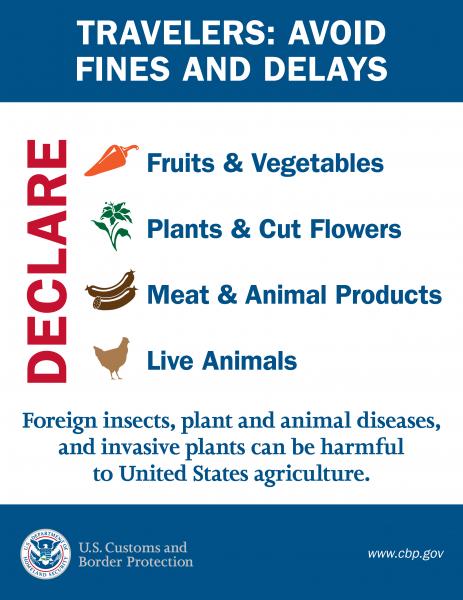
What fruits and vegetables cannot be brought into the US from Canada?
Prohibited Fruits
Certain fruits cannot be brought into the US from Canada due to the potential risk of pests and diseases that they may carry. The following fruits are typically prohibited:
- Apples: Apples may carry invasive pests like the apple maggot.
- Grapes: Grapes can harbor European grapevine moths, which pose a threat to U.S. vineyards.
- Cherries: Some cherry varieties may carry diseases that can infect U.S. orchards.
Prohibited Vegetables
Just like fruits, certain vegetables are also banned from being brought into the United States from Canada. These restrictions help protect agricultural resources. The following vegetables are generally not allowed:
- Tomatoes: Tomatoes can carry the Tobacco mosaic virus, which can survive in garden soils.
- Potatoes: Potatoes are restricted due to concerns about potato blight.
- Cucumbers: They may carry pests that could threaten other crops.
The restrictions on fruits and vegetables are enforced by specific regulatory authorities in both the United States and Canada. These agencies aim to prevent the importation of hazardous agricultural products:
- USDA: The United States Department of Agriculture enforces the regulations related to agricultural imports.
- APHIS: The Animal and Plant Health Inspection Service monitors and regulates the import of plant products.
- CFIA: The Canadian Food Inspection Agency works to ensure safety and compliance on the Canadian side.
Implications for Travelers
Travelers from Canada to the United States must be aware of these restrictions to avoid fines and confiscation of their goods. It's crucial to understand the implications before traveling:
- Fines: Attempting to bring prohibited items can result in substantial fines.
- Confiscation: Importing restricted products will lead to confiscation at the border.
- Delays: Travelers may face delays while their items are inspected.
Alternatives to Prohibited Items
For those who enjoy fruits and vegetables, there are several alternatives that can be safely brought into the U.S. from Canada. Substituting these items can ensure compliance with regulations:
- Imported Bananas: A safe alternative that is generally allowed.
- Oranges: Oranges are typically permitted and make for a healthy snack.
- Carrots: Carrots are usually not restricted, offering a nutritious substitute.
Questions from Our Readers
What is a fruit that can't be grown in Canada?
Bananas are an example of a fruit that can't be grown in Canada due to the country's cold climate. These tropical fruits require a warm and stable temperature to thrive, which is not achievable outside of greenhouses in most parts of Canada.
Why can't bananas grow in Canada?
Bananas need a specific range of temperatures that are typically found in tropical regions. In Canada, the cold winters and short growing season make it impossible for banana plants to survive and produce fruit without significant protection.
Are there other fruits that cannot be grown in Canada?
Yes, many other fruits like kiwis, mangoes, and pineapples also cannot be grown in Canada because they have similar climate requirements as bananas, thriving in hot and humid environments rather than cold northern ones.
See also:
Can any of these fruits be grown in Canada under specific conditions?
Yes, with the use of greenhouses or controlled environments, it is possible to grow some tropical fruits, including bananas and mangoes, in Canada, but this can be expensive and labor-intensive.

If you want to read more articles like What is a fruit that can't be grown in Canada? Discover the Uncultivable Delicacies, we recommend you check out our Plants category.
Leave a Reply
Related Articles