What Compost is Best for Garlic? Top Tips for Optimal Growth and Flavor

Garlic is a beloved ingredient in kitchens around the world, renowned for its bold flavor and numerous health benefits. To cultivate robust, flavorful garlic, the right compost is crucial. Choosing the best compost not only enhances growth but also impacts the overall health of the plants. In this article, we will explore the ideal types of compost for garlic cultivation, offering top tips to ensure optimal growth and flavor. From nutrient-rich blends to organic options, discover how the right compost can make a significant difference in your garlic harvest. Let’s dig into the essentials for growing exceptional garlic!
What Type of Compost is Ideal for Growing Garlic?
When it comes to cultivating garlic, the choice of compost plays a pivotal role in ensuring vibrant growth and robust flavor. The best compost for garlic should be rich in organic matter, ensuring that it provides ample nutrients and supports moisture retention while allowing for adequate drainage. A blend of well-rotted manure, leaf mold, and garden compost works well, as it enhances soil structure and pH balance. Furthermore, the compost should be fully decomposed to prevent the introduction of pathogens and weeds. A slightly acidic to neutral pH, ranging from 6.0 to 7.0, is optimal for garlic growth, making it essential to test the soil before planting.
Benefits of Using Well-Rotted Manure
Well-rotted manure is an excellent compost choice for garlic due to its nutrient-rich profile. It provides essential elements like nitrogen, phosphorus, and potassium, which are crucial for healthy bulb development. Decomposed manure improves soil texture, enhancing aeration and drainage, which garlic requires to thrive. It's essential to apply the manure a few months before planting to ensure that it has broken down sufficiently, preventing any risk of burning the garlic roots with fresh manure.
Leaf Mold as a Compost Ingredient
Leaf mold, created from decomposed leaves, serves as a fantastic addition to garlic compost. It significantly improves the soil's structure, enhancing its ability to retain moisture while also fostering beneficial microbial activity. This compost type adds organic matter, providing essential nutrients over time. Leaf mold helps to maintain a balanced moisture level, which is particularly important for garlic, as excess water can lead to rot, while insufficient moisture can hinder growth.
Importance of pH Level in Compost
The pH level of the compost is critical for garlic cultivation. Garlic prefers a slightly acidic to neutral pH, ideally between 6.0 and 7.0. Compost that is too acidic or alkaline can lead to nutrient deficiencies and affect the plant's overall health. Regular soil testing is advisable to determine pH levels and amend the compost if necessary, ensuring that the garlic plants absorb nutrients effectively.
Using Garden Compost Effectively
Garden compost, created from kitchen scraps and yard waste, can be particularly beneficial for garlic when properly mixed. This compost type is often rich in micronutrients and helps improve overall soil fertility. Blending garden compost with other ingredients like well-rotted manure enhances its nutrient content, providing a well-rounded environment for garlic growth. It is important to ensure that garden compost is well-decomposed to avoid attracting pests or introducing diseases to the garlic plants.
Mixing Different Compost Types
Combining various types of compost is an effective strategy for creating a rich soil environment for garlic. A mixture of well-rotted manure, leaf mold, and garden compost produces a balanced nutrient profile and improves soil structure. This diversification allows garlic to access a broader range of nutrients and benefits from better moisture retention and drainage. Using a combination of these compost types can make a significant difference in the health and yield of garlic crops.
| Compost Type | Benefits |
|---|---|
| Well-Rotted Manure | Rich in nitrogen, phosphorus, and potassium; improves soil texture. |
| Leaf Mold | Enhances moisture retention and microbial activity; adds organic matter. |
| Garden Compost | Provides micronutrients; enriches soil fertility. |
| Mixed Compost | Balanced nutrient profile; improves moisture retention and drainage. |
What kind of compost is best for garlic?

Garlic thrives best in well-balanced, nutrient-rich compost. The ideal compost for garlic should have a blend of organic matter that enhances soil structure, provides adequate nutrients, and maintains proper drainage. When selecting compost for garlic, consider these essential factors:
1. Nutrient Content: Garlic requires a high-phosphate fertilizer to encourage root development and bulb formation. Look for composts rich in nitrogen, phosphorus, and potassium.
2. pH Levels: The optimal pH for garlic is between 6.0 and 7.0. Select compost that helps maintain these levels.
3. Moisture Retention: It’s important that the compost retains moisture while also allowing excess water to drain, preventing bulb rot.
4. Microbial Activity: Healthy garlic plants benefit from a compost rich in beneficial microorganisms that improve soil health and structure.
5. Organic Matter: Compost should consist of decomposed plant materials, which improves soil fertility and provides essential trace minerals.
Benefits of Compost for Garlic Growth
Garlic clearly benefits from compost by providing essential nutrients and improving soil quality. Key benefits include:
- Nutrient Supply: Compost adds vital nutrients that garlic needs throughout its growing season.
- Soil Structure: Improved soil structure enhances drainage and aeration, crucial for healthy root development.
- Microbial Health: Healthy levels of beneficial microbes in compost help prevent diseases and pests affecting garlic.
Types of Compost Suitable for Garlic
When it comes to composting options for garlic, various types can be beneficial. Consider these:
- Well-Rotted Manure: Provides nutrients and enhances soil texture, thereby fostering greater resilience in garlic plants.
- Leaf Mold: Decomposed leaf material is excellent for adding organic matter to the soil, which helps with moisture retention.
- Kitchen Scraps Compost: A mix of vegetable scraps enriches compost with nitrogen, helping garlic to flourish.
How to Prepare Garlic Compost
Preparing compost specifically for garlic can involve creating a custom mix. Here are the steps:
- Gather Materials: Collect a mix of green materials (like vegetable scraps) and brown materials (such as dried leaves).
- Layering: Alternate layers of greens and browns to balance nitrogen and carbon ratios.
- Composting Process: Turn the compost regularly to aerate it, speeding up decomposition and producing a fine end product.
How Much Compost to Use for Garlic
Determining the right amount of compost is crucial for optimal growth:
See also:
- Bed Preparation: Incorporate about 2-4 inches of compost into the topsoil before planting.
- Top Dressing: Apply a layer of compost as a top dressing during the growing season to provide continuous nutrients.
- Monitoring: Adjust compost amounts based on the performance of garlic plants and soil assessments.
Best Practices for Using Compost with Garlic
Implementing certain practices can enhance the effectiveness of compost used for garlic:
- Testing Soil: Before planting, test your soil to determine nutrient levels and amend accordingly.
- Diversification: Use a range of compost types to ensure a balanced supply of nutrients.
- Timing: Add compost at specific stages of garlic growth for maximum benefit, especially before planting and during active growth phases.
What is the best soil composition for garlic?

The best soil composition for garlic is crucial for ensuring optimal growth and a good yield. Garlic thrives in well-drained, fertile soil with plenty of organic matter. The ideal soil composition involves several key elements:
1. Soil Texture: A mix of sandy loam or loamy soil is best. This allows for good drainage while retaining enough moisture and nutrients.
2. pH Level: Garlic prefers a slightly acidic to neutral soil, ideally with a pH between 6.0 and 7.0. A soil test can help you determine the right pH for your garlic garden.
3. Organic Matter: Incorporating ample amounts of organic matter, such as compost or well-rotted manure, is vital. This increases the soil's fertility and improves its texture.
4. Nutrients: The soil should be rich in essential nutrients like nitrogen, phosphorus, and potassium. Regular fertilization based on soil tests can help maintain nutrient levels.
5. Drainage: Good drainage is essential to prevent bulb rot. If your soil retains too much water, consider raised beds or amending the soil with sand or perlite.
Soil Texture for Garlic
The texture of the soil can significantly affect the growth of garlic. Sandy loam is generally considered ideal as it provides a balance between drainage and moisture retention. A loose texture allows garlic roots to expand and absorb nutrients effectively.
- Drainage: Sandy loam facilitates excess water movement.
- Root Development: A loose texture promotes healthier root growth.
- Nutrient Access: The right texture aids in nutrient absorption.
Optimal pH Levels
Maintaining a proper pH level is essential for garlic. Garlic grows best when the soil pH is between 6.0 and 7.0. If the soil is too acidic or alkaline, it can hinder nutrient uptake, leading to poor growth.
- Soil Testing: Conduct a soil test to determine pH levels.
- Amendments: Use lime to raise pH and sulfur to lower pH.
- Regular Monitoring: Check pH periodically for consistent health.
Importance of Organic Matter
Incorporating organic matter into the soil is vital for garlic cultivation. Organic materials, such as compost, enhance soil fertility and structure, promoting a more robust crop.
- Fertility: Organic matter increases nutrient availability.
- Soil Structure: Improves aeration and drainage in the soil.
- Microbial Activity: Supports beneficial microorganisms essential for plant health.
Nutrient Requirements
Garlic requires a balanced supply of essential nutrients for optimal growth. Key nutrients include nitrogen, phosphorus, and potassium, all of which can be supplemented through fertilizers and organic amendments.
- Nitrogen: Promotes leafy growth and overall plant vigor.
- Phosphorus: Aids in root development and bulb formation.
- Potassium: Enhances disease resistance and helps in nutrient uptake.
Ensuring Proper Drainage
Effective drainage is critical in garlic cultivation to prevent diseases associated with overwatering, such as bulb rot. Improved drainage can be achieved by selecting the right soil and planting techniques.
- Soil Amendments: Add materials like sand or perlite to improve drainage.
- Raised Beds: Consider using raised beds if drainage is a concern.
- Water Management: Monitor watering practices to prevent waterlogging.
What compost is best for wild garlic?
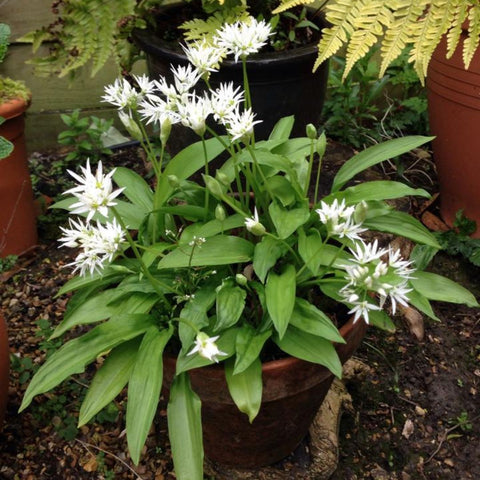
Wild garlic, known scientifically as Allium ursinum, thrives in a variety of conditions but benefits from a specific type of compost to maximize its growth and flavor. The best compost for wild garlic should be rich in organic matter, well-draining, and retain moisture without becoming waterlogged. Here are several options and considerations for choosing the right compost.
Choosing the Right Base Ingredients
When creating a compost mix for wild garlic, it's essential to start with the right base ingredients that provide adequate nutrition and drainage. The ideal mix includes:
- Leaf Mold: This decomposed leaf material is excellent as it provides a natural source of nutrients and improves soil structure.
- Composted Manure: Organic cow or horse manure adds essential nutrients and boosts microbial activity in the soil.
- Peat-Free Compost: A high-quality, peat-free compost offers a light texture, important for root development, while being environmentally sustainable.
Organic Matter Importance
Wild garlic benefits significantly from a compost high in organic matter. Organic matter improves soil fertility, supports beneficial microorganisms, and enhances water retention. Key components include:
- Plant Material: Adding composted plant material enriches the compost with organic nutrients that are released gradually.
- Kitchen Scraps: Vegetable peels and other scraps can be composted to enhance nutrient content, making it suitable for wild garlic.
- Wood Chips: These can provide excellent structure to the compost while slowly breaking down to add nutrients over time.
pH Levels
The ideal pH level for wild garlic growth is slightly acidic to neutral, typically between 6.0 and 7.0. The compost you choose should reflect this pH balance to promote optimal growth:
See also:
- Soil Testing: It's advisable to test your compost's pH before use to ensure it falls within the appropriate range for wild garlic.
- Adjustments: If necessary, you can amend your compost with lime to raise the pH, or sulfur to lower it, to create a more suitable environment.
- Regular Monitoring: Keep an eye on your compost's pH level over time to maintain optimal growing conditions.
Moisture Retention and Drainage
Wild garlic requires consistent moisture but also needs good drainage to prevent root rot. The best compost should provide:
- Water-Absorbent Materials: Use components like coconut coir or perlite to help retain moisture while ensuring proper drainage.
- Air Space: Incorporating materials like sand or grit helps create air pockets, allowing for better air circulation around the roots.
- Mulching: Applying a layer of mulch on top of the compost can help retain moisture and regulate temperature.
Fertilization Needs
While wild garlic doesn't require excessive fertilization, the right compost can provide sufficient nutrients for healthy growth. Focus on:
- Slow-Release Fertilizers: Opt for organic options that slowly release nutrients over time, reducing the risk of nutrient leaching.
- Balanced Nutrient Ratios: Aim for a compost with a balanced ratio of nitrogen, phosphorus, and potassium to support vigorous growth and flowering.
- Seasonal Amendments: Consider adding organic fertilizers during the growing season if the plants show signs of nutrient deficiency.
What type of mulch is best for garlic?
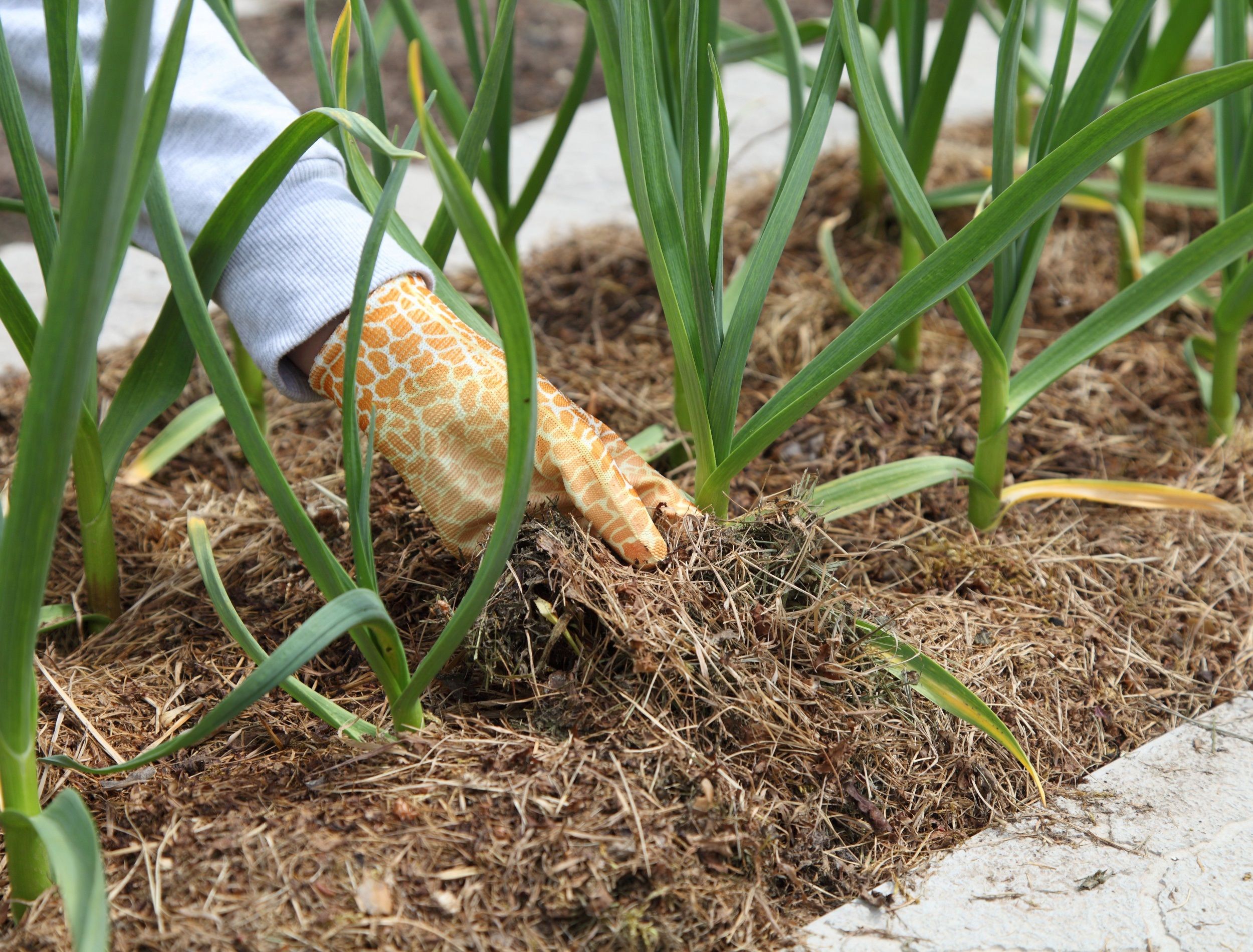
Mulching is an essential part of garlic cultivation, offering several benefits that contribute to healthy growth and high yields. The type of mulch best suited for garlic largely depends on local climate conditions, soil type, and personal preferences.
Best Types of Mulch for Garlic
1. Straw Mulch
Straw is a popular choice for garlic growers due to its lightweight and insulating properties. It helps maintain soil moisture while suppressing weeds, making it easier for garlic plants to thrive.
- Helps retain moisture in the soil.
- Suppresses weed growth effectively.
- Provides a habitat for beneficial organisms in the soil.
2. Wood Chips or Bark Mulch
Wood chips or bark mulch offers good moisture retention and improves soil structure as it decomposes over time. However, it may take longer to break down compared to other mulches.
- Enhances soil texture and aeration.
- Rich in nutrients once decomposed.
- Provides a long-lasting mulch option, reducing the frequency of replenishment.
3. Compost Mulch
Compost is an excellent organic mulch that not only protects the soil but also adds nutrients as it breaks down. Its application can lead to improved soil fertility and structure.
- Improves nutrient availability for garlic plants.
- Promotes beneficial microbial activity in the soil.
- Helps in moisture retention while preventing soil erosion.
4. Grass Clippings
Grass clippings are a readily available and cost-effective mulch for garlic. They decompose quickly and add nitrogen to the soil, making them particularly beneficial for early-growing garlic.
- Rich in nitrogen which is crucial for plant growth.
- Effective at suppressing weeds when applied in a thick layer.
- Need to ensure they are free of chemicals and pesticides.
5. Leaves or Leaf Mold
Shredded leaves or leaf mold serves as an excellent mulch for garlic. They break down slower, providing long-term benefits in terms of soil improvement.
- Enhances soil structure and moisture retention.
- Provides a habitat for beneficial soil organisms.
- Repurposes yard waste sustainably, making it an eco-friendly option.
Questions from Our Readers
What type of compost is best for garlic?
The best compost for garlic is one that is rich in organic matter and has a good balance of nutrients. A well-aged compost with plenty of decomposed plant material provides essential nutrients while improving soil structure, drainage, and moisture retention. Additionally, a compost that contains some well-rotted manure can enhance the nitrogen content, which is beneficial for garlic growth.
Should I use homemade or store-bought compost for garlic?
Both homemade and store-bought compost can be effective for garlic, but homemade compost allows you to control the ingredients, ensuring it is organic and nutrient-rich. On the other hand, store-bought compost can offer convenience and consistency, but it's essential to select a high-quality product without additives or chemicals that could harm your garlic plants.
When should I apply compost to my garlic plants?
Compost should ideally be applied to garlic plants when preparing the soil before planting and again during the growing season as a top dressing. Adding compost in the early spring or fall will provide nutrients throughout the growth cycle, helping the garlic to establish strong roots and produce healthy bulbs.
How much compost do I need for growing garlic?
A general guideline is to mix about 1 to 2 inches of compost into the top 6 to 12 inches of soil during planting. Additionally, a light layer of compost as a top dressing (about ½ inch) can be applied throughout the growing season to ensure a steady supply of nutrients to the garlic plants.
See also:

If you want to read more articles like What Compost is Best for Garlic? Top Tips for Optimal Growth and Flavor, we recommend you check out our Compost category.
Leave a Reply
Related Articles