Ultimate Guide: What are the best plants to grow next to each other?

In the world of gardening, companion planting has become a popular practice for optimizing plant health and productivity. By strategically selecting which plants to grow next to each other, gardeners can enhance growth, deter pests, and improve flavor. This ultimate guide will explore the best plant combinations to create a thriving garden ecosystem. From herbs that repel insects to vegetables that boost each other's growth, understanding the relationships between plants can lead to bountiful harvests and healthier gardens. Whether you are a novice or an experienced gardener, discover how to capitalize on nature’s partnerships for a flourishing garden.
Companion Planting: The Best Plants to Grow Next to Each Other
Companion planting is a gardening strategy that involves growing different plants in proximity for mutual benefits, such as pest control, pollination, and enhancing growth. By carefully selecting companion plants, gardeners can create a thriving ecosystem that maximizes crop yield and promotes healthier plants. For example, tomatoes grow well with basil and marigolds, as these plants can deter harmful pests and improve flavor. Similarly, pairing carrots with onions can help confuse pests that target each plant, thus offering better protection. This harmonious relationship among plants not only helps them flourish but also fosters a more sustainable gardening practice.
Benefits of Companion Planting
Companion planting offers several benefits that can enhance the productivity and health of a garden. By strategically placing compatible plants together, gardeners can improve nutrient uptake, reduce the risk of pest infestations, and even promote better pollination through diverse flowering times. Additionally, certain plants can provide shade or vine support, thereby creating a more balanced microclimate that supports various species. The concept of companion planting fosters biodiversity, which is essential for a resilient ecosystem and can lead to higher yields and improved plant vigor.
Common Companion Plant Pairings
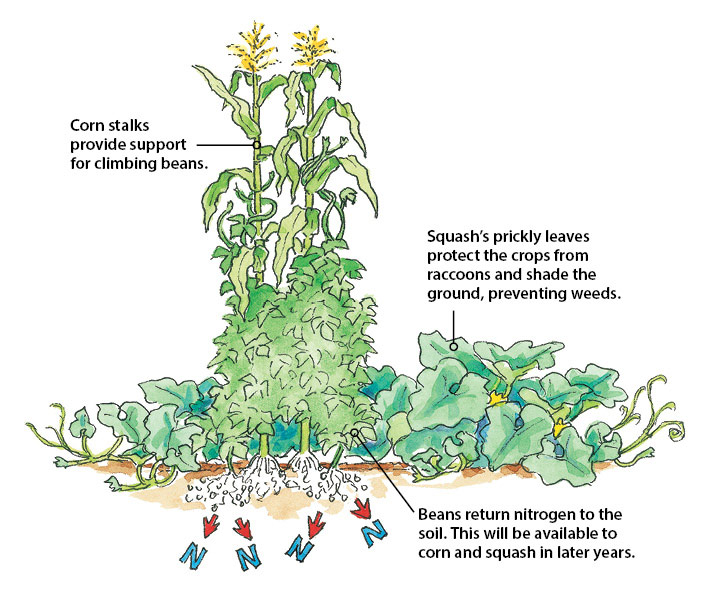
Some of the most popular companion plant pairings include tomatoes with basil, which enhances flavor and repels pests, or cucumbers with radishes, where radishes can act as a trap crop for pests. Other common pairings are carrots with onions, and corn grown alongside beans and squash, often referred to as the three sisters. Each pairing serves a specific purpose, whether it's pest control, nutritional benefits, or structural support, helping to create a more productive garden.
Plants to Avoid Planting Together
Not all plants are friends in the garden, and some can negatively affect each other's growth. For instance, cabbage shouldn’t be planted near strawberries, as it can stunt their growth. Similarly, potatoes and tomatoes can attract similar diseases, making them poor companions for one another. It's crucial to research and understand which plants tend to inhibit each other's growth or attract pests when grown together, ensuring a more successful and harmonious gardening experience.
Crops That Benefit from Interplanting
Certain crops significantly benefit from interplanting, where fast-growing plants are sown alongside slower-growing varieties. This strategy helps maximize space and resources, such as light and nutrients. For example, planting lettuce alongside carrots can allow the lettuce to be harvested before the carrots fully mature, optimizing garden real estate. This practice can lead to more dynamic plantings and healthier produce, as plants often benefit from complementary growth habits.
The Role of Herbs in Companion Planting
Herbs play a vital role in companion planting due to their ability to attract beneficial insects and deter pests. For instance, chamomile promotes stronger plant growth and can enhance the flavor of nearby crops. Other herbs, such as mint and rosemary, can repel unwanted pests while improving the overall health of neighboring plants. Incorporating herbs into your garden can create a pest-repelling environment, thereby enhancing overall yield and plant vitality through their aromatic properties and growth enhancement.
| Plant Pairing | Benefit |
|---|---|
| Tomatoes & Basil | Enhances flavor & repels pests |
| Cucumbers & Radishes | Trap crop for pests |
| Carrots & Onions | Confuses pests |
| Corn, Beans & Squash | Mutual support & nutrients |
| Chamomile | Enhances growth & flavor |
Can you plant plants right next to each other?

Yes, you can plant plants right next to each other, but there are important factors to consider to ensure the health and growth of the plants. The distance between plants can significantly impact their overall health, growth rate, and productivity. Here are some key points to understand when planting plants in close proximity:
Understanding Plant Spacing
When planting different species or even the same species of plants, it's crucial to understand their spacing needs. Plant spacing refers to the distance between individual plants and can vary depending on species and their growth habits.
- Growth habit: Some plants grow taller or wider than others, requiring more room to access sunlight and nutrients.
- Root systems: Different plants may have varying root structures that can compete for soil nutrients.
- Air circulation: Adequate spacing allows for air flow, reducing the risk of diseases.
Companion Planting
Planting certain species close together can actually be beneficial through a practice known as companion planting. Certain plants can enhance each other’s growth when grown nearby.
- Mutual benefits: Some plants can repel pests when planted next to each other, while others may improve nutrient uptake.
- Enhancing flavors: Certain herbs, like basil next to tomatoes, can increase the flavor and fragrance of neighboring plants.
- Maximizing space: Companion planting maximizes garden space, allowing for a more diverse and productive garden.
The Risk of Crowding
While grouping plants closely can be advantageous, overcrowding can lead to several problems. Each plant requires a sufficient amount of resources.
- Nutrient competition: Overcrowded plants may compete for limited nutrients in the soil, resulting in poor growth.
- Disease spread: High density can lead to increased humidity and poor air circulation, fostering disease spread among plants.
- Stunted growth: Plants may become stunted as they struggle to compete for light and space.
Choosing the Right Plants
When deciding to plant plants next to each other, it's vital to choose compatible species. Some plants thrive when planted together, while others do not.
See also:
- Growth requirements: Choose plants with similar water and light requirements to ensure they thrive in the same conditions.
- Compatibility: Be aware of plants that may have allelopathic effects, which can inhibit the growth of nearby plants.
- Climate considerations: Ensure that both plants can survive in the same climate and soil conditions.
Conclusion on Planting Proximity
Understanding the principles outlined above can guide you in effectively planting plants right next to each other. Overall, consider each plant's particular needs, the advantages of companion planting, the risks of overcrowding, and the compatibility of plant species. This knowledge will help you create a thriving, healthy garden space.
What are the best three plants to grow together?
The best three plants to grow together are tomatoes, basil, and marigolds. This combination is known for its compatibility and mutual benefits, creating a harmonious garden that can thrive together.
Benefits of Growing Tomatoes with Basil
Growing tomatoes alongside basil is highly beneficial for both plants. Basil is known to repel certain pests such as aphids and whiteflies, which can harm tomato plants. Additionally, the fragrant herbs can enhance the flavor of the tomatoes.
- Pest repellent: Basil emits essential oils that deter harmful insects.
- Flavor enhancement: The combination can result in improved taste.
- Companion growth: Basil can help improve the overall health of tomato plants.
Marigolds: A Natural Pest Control
Marigolds are excellent companions for tomatoes and basil due to their natural pest-repelling properties. They attract beneficial insects while deterring nematodes and other harmful pests, creating a protective barrier for the other plants in the garden.
- Nematode repellent: Marigolds help in reducing nematode populations in the soil.
- Attracting pollinators: They draw in bees and butterflies, increasing pollination.
- Aesthetic appeal: Their vibrant colors add beauty to the garden.
Caring for Companion Plants
When growing tomatoes, basil, and marigolds together, it's essential to consider their care requirements. They thrive in similar conditions, making it easier to maintain their health and productivity while sharing the same space.
- Soil requirements: They prefer well-draining, nutrient-rich soil.
- Watering needs: Regular watering is crucial, especially in hot weather.
- Sunlight: All three plants require full sunlight for optimal growth.
Spacing for Optimal Growth
Proper spacing is critical when planting tomatoes, basil, and marigolds together. Each plant needs enough room to grow and spread without competing for resources, which can enhance their overall yield.
- Tomato spacing: Space tomato plants about 18 to 24 inches apart.
- Basil spacing: Basil should be planted about 12 inches apart.
- Marigold spacing: Marigolds can be spaced about 10 to 12 inches apart.
Harvesting Tips
Harvesting your plants at the right time ensures peak freshness and flavor. Knowing when to pick tomatoes, basil, and marigolds can maximize your garden's output.
- Tomato signs: Look for a firm texture and a rich color for harvest.
- Basil signs: Cut leaves regularly to promote bushier growth.
- Marigold signs: Harvest blooms for use in arrangements or as a pest deterrent.
Do plants benefit from being next to each other?

Plants can indeed benefit from being next to each other in various ways. This phenomenon, often referred to as companion planting, involves placing different species of plants in close proximity for mutual benefit. The interactions between plants can enhance growth, deter pests, and improve overall health. Here are some of the ways in which plants may benefit from being in proximity to one another:
Enhanced Growth Through Nutrient Sharing
Plants can share nutrients when grown in proximity. This is often achieved through complementary root systems and mycorrhizal fungi that connect plant roots. The benefits include:
- Symbiotic relationships: Certain plants release nutrients or sugars that other plants can utilize.
- Improved soil structure: Diverse root systems can aerate the soil and improve its quality.
- Efficient use of resources: Plants can optimize sunlight and water absorption by different rooting depths and canopy structures.
Pest Control and Disease Prevention
When plants are grown together, they can help protect each other from pests and diseases. This is known as allelopathy, where one plant species produces biochemicals that inhibit the growth of pests or pathogens that affect neighboring plants. Notable benefits include:
- Natural repellents: Some plants emit scents that deter harmful insects.
- Diversity reduces vulnerability: A mix of plant species can reduce the likelihood of a pest outbreak.
- Host plants’ resistance: Certain plants can attract beneficial insects that prey on pests.
Microclimate Creation
Plants can modify their immediate environment, especially temperature and humidity levels. By strategically placing plants together, a beneficial microclimate can be created:
See also:
- Shade provision: Taller plants can provide shade to shorter plants, protecting them from heat stress.
- Moisture retention: Clustered plants can reduce evaporation rates, keeping the soil moist.
- Windbreaks: Dense plantings can act as barriers to wind, reducing damage from strong gusts.
Biodiversity and Soil Health
Encouraging diversity in plant arrangements promotes soil health. Different plants contribute to a more balanced soil ecosystem. Key points include:
- Microbial activity: Varied root exudates foster a rich community of microbes that enhance nutrient cycling.
- Organic matter contribution: Diverse plant types can increase organic matter through varied litter fall and root decay.
- Soil structure improvement: Different root depths can enhance soil structure, promoting water infiltration and root penetration.
Improved Pollination and Yield
Plants positioned near each other can lead to better pollination rates due to increased attractiveness to pollinators. This can result in higher yields:
- Diverse flowering times: Different plants may bloom at various times, attracting a range of pollinators throughout the growing season.
- Enhanced visibility: Clusters of various colors and types can draw attention from pollinators more effectively than a single species.
- Mutual support: Companion plants can provide resources that boost the productivity of each other, including shade and nutrients.
What is the best layout for garden plants?
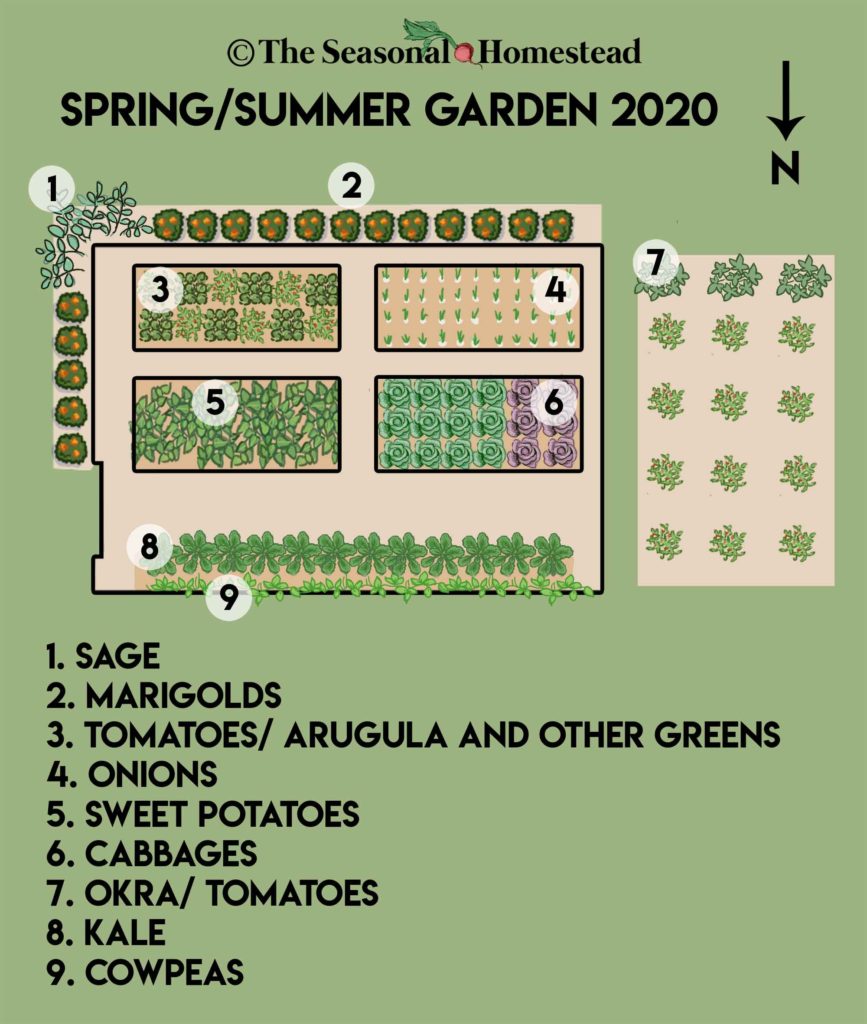
The best layout for garden plants depends on several factors including the type of plants, the climate, and the available space. A well-planned garden layout can enhance plant growth, maximize sun exposure, and improve accessibility for maintenance. Here are some effective strategies:
Understanding Plant Requirements
Different garden plants have varying requirements for light, water, and nutrients. Understanding these needs is crucial for determining the best layout.
- Light Requirements: Group plants with similar light needs together to ensure they all receive adequate sunlight.
- Water Needs: Organize plants based on their water requirements to prevent overwatering or underwatering.
- Nutrient Preferences: Some plants may require more nutrients; place them in richer soil or plan for specific fertilization methods.
Sun Exposure and Microclimates
Assessing sun exposure throughout the day can greatly influence plant placement. Different areas of a garden may create microclimates that can favor certain species.
- Full Sun Zones: Place sun-loving plants in areas that receive at least six hours of direct sunlight.
- Shaded Areas: Identify shadier spots for plants that thrive in low light conditions.
- Wind Protection: Consider natural barriers such as trees or shrubs that can protect sensitive plants from harsh winds.
Vertical Gardening Techniques
In smaller gardens, vertical gardening can maximize space and enhance aesthetics.
- Wall Planters: Use vertical structures to grow climbing plants or herbs to save ground space.
- Stacking Planters: Incorporate tiered planters to create a multi-level garden that looks visually appealing.
- Hanging Baskets: Utilize hanging baskets for flowers and trailing plants to add depth and dimension.
Companion Planting
Companion planting involves positioning plants together that can mutually benefit each other, enhancing growth and providing pest control.
- Mutual Growth: Some plants help each other grow better when planted close, such as tomatoes and basil.
- Pest Control: Certain plants can deter pests; for instance, marigolds are known to repel nematodes.
- Improved Pollination: Flowers can attract beneficial insects that help in pollinating nearby crops.
Accessibility and Maintenance
Ensuring your garden layout allows for easy access is vital for ongoing maintenance.
- Pathways: Create clear pathways to reach plants easily without stepping on soil or other plants.
- Raised Beds: Use raised beds to reduce strain on your back and to improve soil drainage.
- Planting Heights: Position taller plants at the back of the bed and shorter ones in the front for better visibility and access.
Questions from Our Readers
What are companion plants, and why are they important?
Companion plants are those that, when grown together, can benefit each other in various ways, such as improving growth, deterring pests, or enhancing flavor. These interactions help create a more balanced and productive garden environment, making the cultivation of certain plants more effective.
Which plants are known to grow well together?
Some excellent examples of companion plant pairings include tomatoes and basil, which can enhance each other's flavor and deter pests. Similarly, carrots and onions are beneficial together as they can help repel each other's pests while maximizing space in your garden.
Are there plants that should not be grown next to each other?
Yes, there are certain plants that should be avoided when planting near each other, as they may negatively affect each other’s growth or attract pests. For instance, potatoes should not be planted near tomatoes, as they can share common diseases and pests, leading to poor health for both plants.
How can I determine the best companion plants for my garden?
To determine the best companion plants for your garden, consider factors such as their growing conditions, space requirements, and specific benefits they offer. Utilizing garden companion planting guides or resources will help you select the most compatible plants, ensuring a thriving and productive garden.
See also:
If you want to read more articles like Ultimate Guide: What are the best plants to grow next to each other?, we recommend you check out our Plants category.
Leave a Reply
Related Articles