Is Isopropyl Alcohol Safe for Plants? Discover the Truth and Best Practices

Isopropyl alcohol, commonly known as rubbing alcohol, is a versatile substance frequently used in households for cleaning and disinfecting purposes. However, many plant enthusiasts wonder whether it poses any risk to their beloved greenery. In this article, we will uncover the truth about the safety of isopropyl alcohol for plants, examining its potential benefits and drawbacks. By understanding the appropriate uses and dilution practices, we aim to provide valuable insights for gardeners seeking to maintain healthy plants while effectively managing pests and diseases. Join us as we explore the best practices for using isopropyl alcohol in your gardening routine.
Is Isopropyl Alcohol Safe for Plants?
Isopropyl alcohol, commonly known as rubbing alcohol, is often used for various household and cleaning purposes, but its safety for plants is a topic of concern. Generally, when diluted properly, isopropyl alcohol can be used as a pesticide or a solution for cleaning up plant leaves to remove dust and residues that can hinder photosynthesis. However, undiluted or high concentrations can be harmful, potentially causing burns or dehydration in plants. If used correctly, it can be beneficial for managing minor pest infestations; however, care must be taken to avoid overapplication and to test any solution on a small area first.
Effects of Isopropyl Alcohol on Plant Health
When isopropyl alcohol is applied to plant foliage, its effects can vary depending on the concentration used. Lower concentrations (around 10-20%) are typically safer, as they can effectively eliminate pests such as spider mites and aphids without significantly harming the plant. However, higher concentrations can lead to desiccation—the drying out of plant tissues—resulting in wilting or browning of leaves. It's crucial to monitor the plant's response after application to ensure its well-being.
Using Isopropyl Alcohol for Pest Control
Isopropyl alcohol is often employed in homemade pesticide solutions due to its ability to kill soft-bodied insects on contact. To create an effective pesticide, it is advisable to dilute isopropyl alcohol with water, usually in a 1:1 ratio. This diluted mixture can be used to spray affected areas on the plant, ensuring coverage on the underside of leaves where pests often reside. Regular applications may be necessary to manage pest populations effectively, but it is important to avoid excessive use which can stress the plant.
Dilution Ratios for Safe Application
Finding the right dilution ratio is essential for safe application of isopropyl alcohol on plants. A common recommendation is to mix one part of isopropyl alcohol with one part of water for pest management. For cleaning plant leaves, a more diluted solution, such as one part alcohol to three parts water, can be more suitable. This helps to reduce the risk of damage while still providing effective cleaning and pest control benefits. It’s advisable to test any new solution on a small portion of the plant first to observe any potential adverse effects.
Best Practices for Application
When applying isopropyl alcohol to plants, adhering to best practices is crucial to minimize risks. Always apply the solution early in the morning or late in the afternoon to avoid heat stress caused by sunlight, which can exacerbate the alcohol's drying effects. Use a fine mist spray to ensure even distribution and prevent large droplets from settling on the plant’s surface, leading to localized damage. It's also recommended to limit applications to once a week at most, giving plants ample recovery time between treatments.
Potential Risks and Considerations
While isopropyl alcohol can be beneficial for plants when used properly, there are several potential risks to consider. Sensitive plants, such as ferns and succulents, may react adversely to alcohol, even in diluted forms, leading to leaf burn or overall decline in health. Additionally, isopropyl alcohol is flammable, so caution should be exercised to prevent any fire hazards when using it around plants. Always ensure adequate ventilation during use and store the solution in a safe, secure location away from direct sunlight.
| Application Type | Dilution Ratio | Frequency of Use | Considerations |
|---|---|---|---|
| Pest Control | 1:1 (Alcohol:Water) | Weekly | Avoid on sensitive plants |
| Leaf Cleaning | 1:3 (Alcohol:Water) | Bi-weekly | Test on small leaf area first |
| General Use | 1:2 (Alcohol:Water) | As needed | Ensure adequate ventilation |
What kind of alcohol is safe for plants?
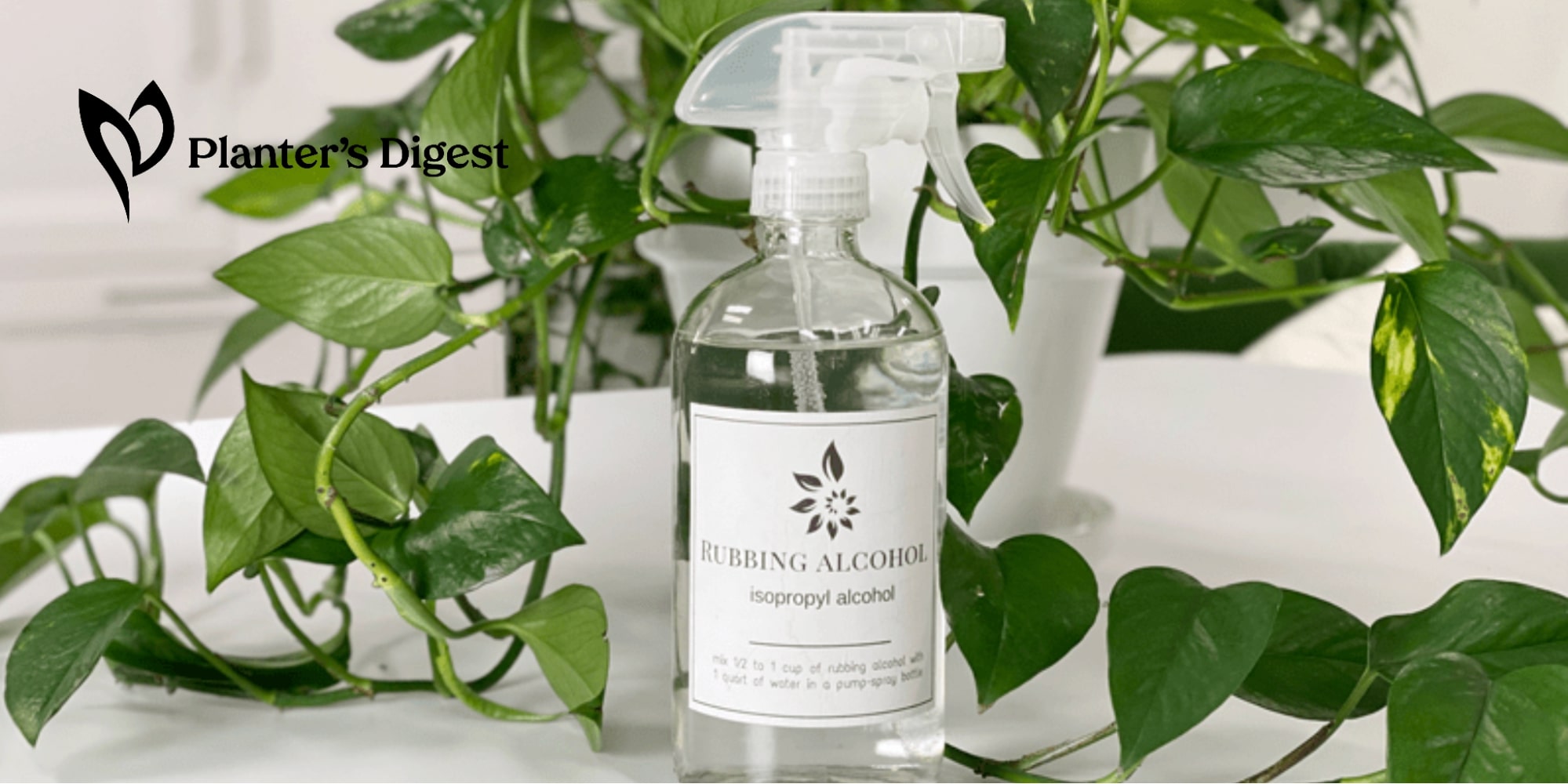
When considering the use of alcohol around plants, it’s important to remember that not all types are beneficial. Isopropyl alcohol (rubbing alcohol) and ethanol (drinking alcohol) are the two most commonly mentioned types in gardening circles, each with its advantages and potential risks.
Isopropyl alcohol is often used for disinfecting purposes, and while it can be effective against pests and fungal infections, it must be diluted to prevent damaging plant tissues. On the other hand, ethanol can be beneficial when used in moderation, mainly for creating homemade insecticidal sprays or for enhancing the absorption of certain nutrients. The critical factor is the concentration; mixing alcohol with water reduces its potential to harm plants and can provide antimicrobial properties.
Isopropyl Alcohol and Its Effects on Plants
Isopropyl alcohol is typically used as a cleaning agent and can act as an effective pesticide when diluted. However, it should be noted that while it can help eliminate pests, improper use can lead to damage or dehydration of plants. Here are some key points to consider:
See also:
- Dilution is Crucial: Always dilute isopropyl alcohol with water to a safe concentration, usually around 10-20% to minimize damage.
- Targeted Application: Apply it directly to pests rather than the whole plant to reduce the risk of harming the plant.
- Test on a Small Area: It’s wise to test a small area of the plant first to see how it reacts before broader application.
Ethanol: A Safe Option for Homemade Remedies
Ethanol, commonly found in alcoholic beverages, can be a viable option for creating homemade pesticides and other plant care solutions. Its use should be approached cautiously, primarily focusing on dilution. Here’s how to safely use ethanol on plants:
- Concentration Matters: Use ethanol at a concentration of 10-15% for pest control to avoid harming your plants.
- Combination with Other Ingredients: Ethanol can be mixed with soap or oil to enhance its effectiveness against pests.
- Regular Use: Limit application to once every few weeks to avoid alcohol buildup in the soil or on plant tissues.
Alcohol as a Pest Control Agent
Both isopropyl and ethanol can be used as effective pest control agents when applied correctly. They can help manage various pests including aphids, spider mites, and certain fungal infections. Important considerations include:
- Direct Application: Apply directly onto pests for maximum effectiveness, ensuring it covers the affected areas.
- Environmental Impact: Be aware of any potential residue left behind that could affect beneficial insects.
- Monitor Plant Reaction: Keep an eye on your plants for any signs of stress or damage after application.
Precautions When Using Alcohol on Plants
Using alcohol on plants can pose risks if not handled properly. Here are some crucial precautions to keep in mind:
- Avoid Overuse: Excessive use can lead to dehydration or harm to your plants, so moderation is key.
- Work in the Evening: Applying alcohol during cooler parts of the day can help reduce evaporation and potential damage.
- Wear Protective Gear: When applying alcohol solutions, wear gloves and protective eyewear to avoid skin irritation.
Alternative Methods to Manage Pests
While alcohol can be effective, other natural alternatives exist for managing pests that may be safer and more eco-friendly. These methods include:
- Neem Oil: A natural pesticide derived from the seeds of the neem tree that disrupts pest life cycles.
- Essential Oils: Oils such as peppermint and clove can repel pests effectively when diluted.
- Insecticidal Soap: A soap solution specifically designed for plants can mitigate pest issues without harmful effects.
How much to dilute isopropyl alcohol for plants?
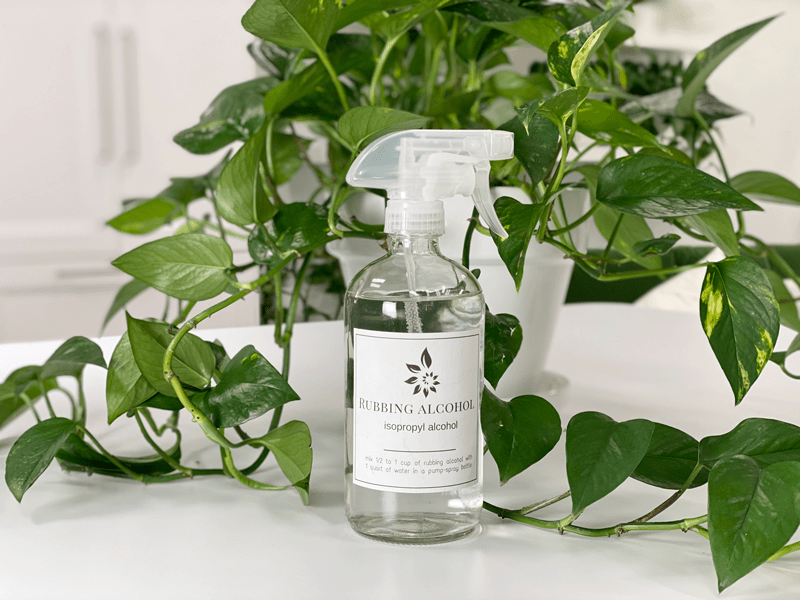
To dilute isopropyl alcohol for plants, a common recommendation is to use a ratio of 10-30% isopropyl alcohol mixed with water. The ideal dilution often depends on the purpose for which the solution will be used, such as pest control or cleaning plant surfaces.
Understanding Isopropyl Alcohol
Isopropyl alcohol, also known as rubbing alcohol, is commonly used for its antiseptic and disinfectant properties. When using it on plants, the concentration is crucial to ensure that you are effectively managing pests or diseases without adversely affecting the plant health. Here’s what you need to know:
- Concentration Matters: Higher concentrations of isopropyl alcohol can harm plants.
- Plants React Differently: Different plant species may tolerate varying levels of dilution.
- Purpose: The intended use (cleaning or pest control) influences the required dilution.
Recommended Dilution Ratios
When preparing a solution, finding the right dilution ratio is essential. A typical recommendation is mixing 1 part isopropyl alcohol with 3-9 parts water, resulting in varying concentrations. The most common dilutions include:
- 10% Solution: Good for light pest control and cleaning.
- 20% Solution: Suitable for moderate infestations.
- 30% Solution: Only for tough pests or mildews, but use with caution.
Application Methods
Applying diluted isopropyl alcohol to plants can be done in different ways, but ensuring proper technique is key to prevent damage. Here are some effective methods:
- Spray Bottle: Great for distributing the solution evenly on leaves.
- Soaking Cotton Balls: Useful for targeted application on pest-infested areas.
- Soil Drench: Helps in dealing with soil-borne pests, but be careful about concentration.
Testing Plant Sensitivity
Before applying any alcohol solution broadly, it’s prudent to test it on a small section of the plant first. This can help determine how the plant reacts. Consider these steps:
- Choose a Small Area: Apply the solution on a less visible leaf or stem section.
- Wait 24-48 Hours: Monitor for any signs of stress, wilting, or discoloration.
- Proceed if Safe: If there is no adverse reaction, continue with the wider application.
Safety Considerations
When using isopropyl alcohol on plants, it’s important to observe certain safety precautions to protect both the plant and the user. Key considerations include:
See also:
- Always Dilute: Never use isopropyl alcohol directly without diluting it first.
- Ventilation: Ensure that the application area is well-ventilated to avoid inhalation of fumes.
- Protective Gear: Consider using gloves and eyewear to prevent skin and eye contact.
Does isopropyl alcohol kill scale on plants?

Isopropyl alcohol, commonly known as rubbing alcohol, can be effective in killing scale insects on plants. Scale insects are small pests that attach themselves to plant stems and leaves, feeding on plant sap and causing significant damage. When using isopropyl alcohol, the alcohol disrupts the cell membranes of the insects and effectively suffocates them. However, it is crucial to apply it correctly to ensure the best results.
How to Use Isopropyl Alcohol Against Scale Insects
When applying isopropyl alcohol to control scale insects, follow these steps for effective treatment:
- Dilute the Alcohol: Mix isopropyl alcohol with water, typically in a 1:1 ratio, to reduce potential damage to the plant.
- Test on a Small Area: Before treating the entire plant, apply the solution to a small area and wait 24 hours to ensure the plant tolerates it.
- Spray Directly on Scale Insects: Use a spray bottle to apply the solution, ensuring that it reaches all affected areas, including the undersides of leaves where scales often hide.
Effectiveness of Isopropyl Alcohol on Scale Insects
Isopropyl alcohol can be effective in managing scale infestations, but its effectiveness varies based on several factors:
- Concentration of Alcohol: Higher concentrations (70% or more) are more effective at killing scale insects but may harm certain plants.
- Type of Scale: Some scale species are more resistant than others, making thorough identification important.
- Environmental Conditions: Humidity and temperature can impact how effectively the alcohol works; higher temperatures can increase efficacy.
Safety Precautions When Using Isopropyl Alcohol
Using isopropyl alcohol requires certain precautions to ensure safety:
- Wear Protective Gear: Gloves and a mask can prevent skin irritation and inhalation of fumes.
- Use in a Well-Ventilated Area: Ensure proper airflow to minimize inhaling strong fumes during application.
- Keep Away from Flames: Isopropyl alcohol is flammable; avoid using it near open flames or heat sources.
Alternatives to Isopropyl Alcohol for Scale Control
If isopropyl alcohol is not suitable, there are several alternatives for managing scale insects:
- Insecticidal Soaps: These can effectively control scale without harming the plant.
- Neem Oil: A natural pesticide that disrupts the life cycle of scale insects.
- Horticultural Oils: These oils can smother scale insects and are less harmful to plants than isopropyl alcohol.
Aftercare for Affected Plants
Post-treatment care is essential for the health of the plants affected by scale insects:
- Monitor for Reinfestation: Check the plants regularly to catch any new scale infestations early.
- Provide Adequate Water and Nutrients: Healthy plants are more resilient to pest attacks and recover quicker.
- Consider Regular Preventive Treatments: Regular sprays of diluted insecticidal soap or neem oil can help prevent future infestations.
Questions from Our Readers
Is isopropyl alcohol safe for plants?
Using isopropyl alcohol on plants can be risky. While it can be effective for treating some pests and diseases when diluted, it can also cause leaf burn or damage if applied directly or in high concentrations. Always test on a small area first.
How should isopropyl alcohol be diluted for use on plants?
To use isopropyl alcohol safely on plants, it is typically recommended to dilute it with water in a ratio of at least 1:1. This reduces the risk of damage while still providing some antimicrobial and insecticidal properties.
What are the benefits of using isopropyl alcohol on plants?
The main benefits of using isopropyl alcohol include its ability to help control pests like aphids and spider mites, as well as its efficacy in treating diseases and promoting overall plant health when used carefully.
What precautions should be taken when using isopropyl alcohol on plants?
When using isopropyl alcohol, it's crucial to apply it in the early morning or late afternoon to avoid sunburn on leaves, and to always perform a patch test on a small section of the plant first to ensure there is no adverse reaction.
See also:

If you want to read more articles like Is Isopropyl Alcohol Safe for Plants? Discover the Truth and Best Practices, we recommend you check out our Plants category.
Leave a Reply
Related Articles