Is Banana a Fruit or Vegetable? Discover the Surprising Truth Behind This Popular Snack

Bananas are one of the most popular snacks worldwide, but their classification often leaves people puzzled. Are they fruits or vegetables? This question might seem straightforward, yet it unveils fascinating aspects of botany and culinary traditions. In this article, we will delve into the surprising truth behind bananas, exploring their botanical characteristics, cultural significance, and nutritional benefits. By understanding the underlying definitions of fruits and vegetables, we can clarify the true nature of this beloved snack. Join us on this journey to uncover the peculiarities that make bananas a unique addition to our diets and lifestyles.
Is a Banana a Fruit or a Vegetable?
A banana is classified as a fruit, specifically a berry, which develops from the ovary after the flowering of the banana plant. While commonly thought of as a staple in both sweet and savory dishes, the botanical definition positions bananas firmly within the fruit category due to their origin from the flowering part of the plant, which produces seeds. Although bananas are often used in culinary contexts that may suggest a vegetable-like nature, such as in salads or savory dishes, they lack the characteristics commonly associated with vegetables such as leaves, stems, or roots. The sweet taste and the structure of bananas align more closely with fruit, making them a vital source of carbohydrates and nutrients in diets worldwide.
Botanical Classification
In botanical terms, fruits are the mature ovaries of flowering plants, containing one or more seeds. Bananas fit this description as they develop from a flower's ovary and contain seeds, albeit small and not typically developed in cultivated varieties. This places them alongside other fruits like apples and berries, in contrast to vegetables, which are typically other plant parts such as leaves (lettuce), roots (carrots), or stems (celery).
Nutritional Content
Bananas are rich in essential nutrients such as potassium, vitamin C, and dietary fiber, making them an excellent energy source. Their high potassium content is particularly beneficial for heart health and muscle function. This nutritional profile is typical of many fruits, which are often lower in calories and high in vitamins compared to vegetables. The unique carbohydrates in bananas provide quick energy, making them popular among athletes and those needing a rapid energy boost.
Culinary Uses
In the kitchen, bananas are often used in a variety of recipes, from smoothies to baked goods, indicating their versatility. While they are sweet and typically served alongside desserts, bananas can also be used in savory dishes, such as curries or salads, accentuating their unique flavor profile. This adaptability might cause some to view them as vegetables, but their sweetness and texture align more closely with traditional fruit applications.
Varieties of Bananas
There are numerous varieties of bananas, with the most common being the Cavendish, which is the type most frequently found in grocery stores. Other types, such as plantains, are typically larger and starchier, often used in cooking rather than eaten raw. Despite their different culinary functions, all these variations share the common classification as fruit, highlighting the diversity within the banana family while still adhering to their botanical identity.
Common Misconceptions
Many people are surprised to learn that bananas are fruits rather than vegetables due to their use in cooking and culinary pairings. This misinformation often arises from cultural practices and the ways in which bananas are consumed alongside or in savory dishes. However, understanding the botanical classifications clarifies these misconceptions, reinforcing that bananas' structure and growth processes align them firmly as fruits rather than vegetables.
| Aspect | Fruit (Banana) | Vegetable |
|---|---|---|
| Botanical Definition | Develops from the ovary of a flower | Other plant parts (roots, stems, leaves) |
| Taste | Sweet | Varies, usually less sweet |
| Nutritional Content | High in sugars and vitamins | Typically high in fiber and low in calories |
| Culinary Use | Used in desserts, smoothies, etc. | Used in salads, soups, etc. |
| Examples | Banana, blueberry | Carrot, spinach |
Why is a banana a vegetable?
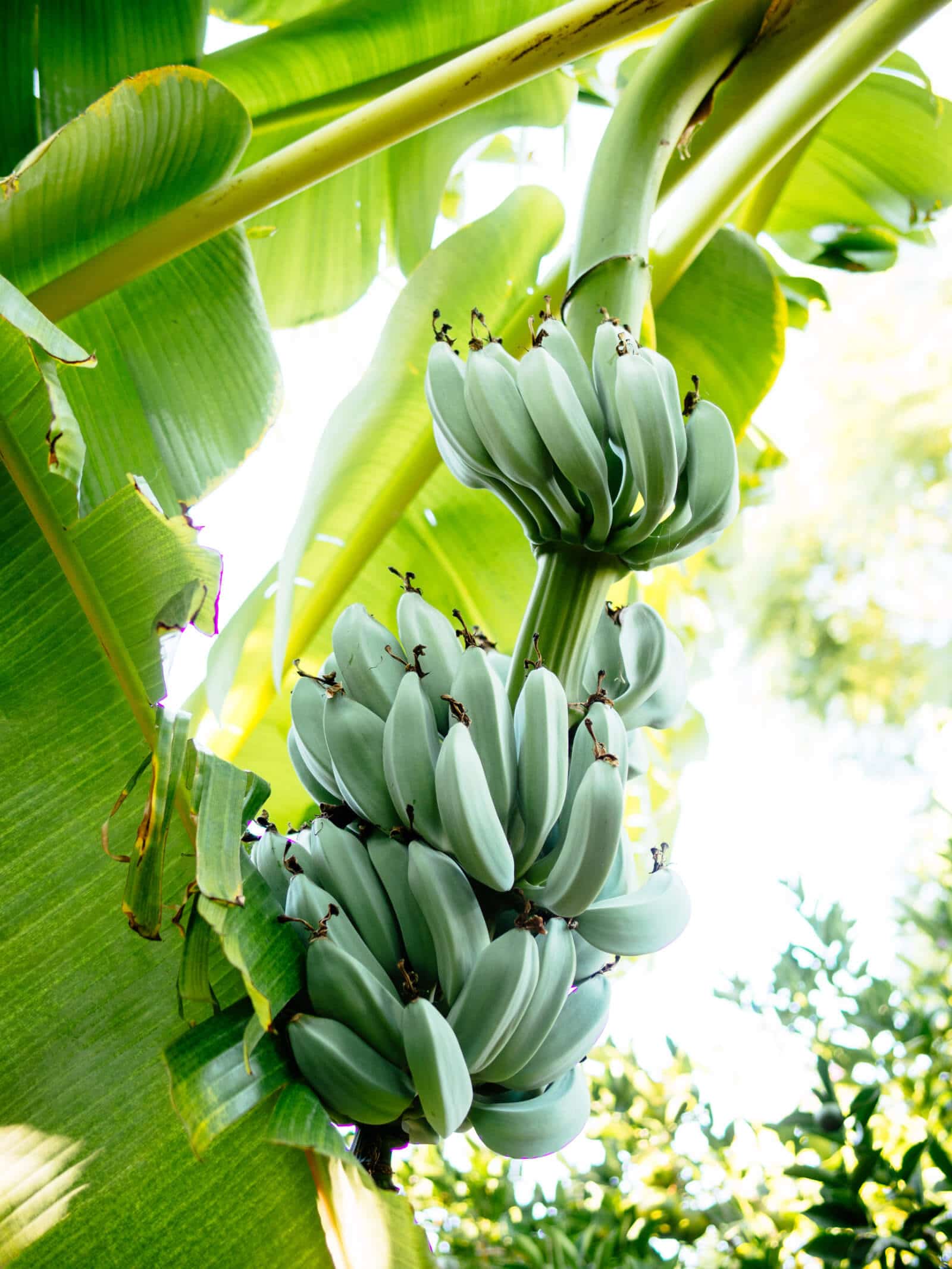
A banana is often categorized as a vegetable due to its botanical classification, despite being commonly consumed as a fruit. In the botanical sense, fruits are the mature ovary of a flowering plant, usually containing seeds. However, bananas, which belong to the genus Musa, develop from a flower and contain tiny, undeveloped seeds. This characteristic, along with their culinary uses, leads to the perception of bananas as vegetables in specific contexts, especially within culinary practices where they are prepared in savory dishes.
Botanical Classification of Bananas
In botany, a fruit is defined as the part of a plant that develops from the flower and contains seeds. Bananas fit this description since they develop from the flower of the banana plant. However, they do not have large, mature seeds, which can create confusion. Here’s a breakdown of their classification:
See also:
- Family: Musaceae
- Genus: Musa
- Species: Various species, including Musa acuminata
Culinary Uses of Bananas
In the culinary world, bananas can be treated as vegetables when used in savory dishes. This classification varies by region and preparation methods. The versatility of bananas allows them to be used in different ways, reinforcing their status as a vegetable in some cuisines:
- Savory Dishes: Bananas are used in curries and stews in some cultures.
- Banana Plantains: Plantains, which are closely related to bananas, are often used as vegetables.
- Common Preparations: They can be boiled, fried, or baked alongside other savory ingredients.
Differences Between Fruits and Vegetables
The distinction between fruits and vegetables is often based on both botanical definitions and culinary uses. While fruits develop from flowers and contain seeds, vegetables are other plant parts, such as roots, stems, or leaves. The confusion arises because bananas, being botanically a fruit, are often used in ways typical of vegetables:
- Consumption: Fruits are typically eaten raw, while vegetables are cooked.
- Taste Profile: Fruits are generally sweet, whereas vegetables may be more savory.
- Preparation Methods: Fruits are often made into desserts, while vegetables are included in main courses.
Regional Perceptions of Bananas
In various regions, the classification of bananas can differ significantly. Some cultures categorize bananas or plantains strictly as vegetables due to their usage in meals. Here are some regional perceptions that illustrate this point:
- Latin America: Plantains are staples, often seen as vegetables.
- Asia: In some Asian cuisines, bananas are cooked in savory meals.
- Africa: Cooked bananas are a common component in local diets.
Health Benefits and Nutritional Value
Regardless of their classification, bananas offer several health benefits. They are rich in potassium, dietary fiber, and vitamins, contributing positively to a balanced diet. Understanding their nutritional profile shows why they are valued as part of many diets:
- Heart Health: High potassium content helps regulate blood pressure.
- Digestive Health: Fiber contributes to regular digestion.
- Energy Source: Natural sugars provide a quick energy lift.
Is a fruit or vegetable?
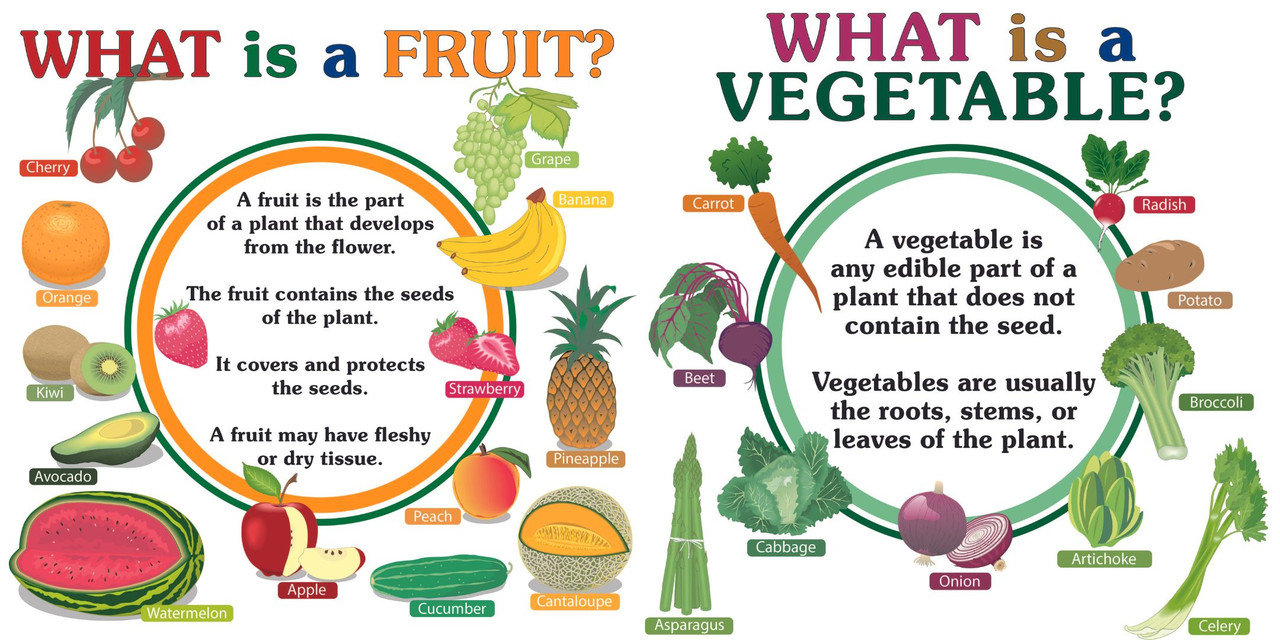
The eggplant, also known as aubergine, is classified as a fruit. This classification is based on botanical criteria, which specify that a fruit is the part of a flowering plant that develops from the ovary after flowering, typically containing seeds. In culinary terms, however, eggplants are often treated as vegetables due to their savory flavor and use in cooking.
Botanical Classification
The distinction between fruits and vegetables is fundamentally rooted in botanical classification. In botanical terms, a fruit is defined as the mature ovary of a flower, usually containing seeds. Eggplants fit this definition as they develop from the flower of the eggplant plant.
- Fruits develop from the flowering part of plants.
- Eggplants produce seeds inside, confirming their identity as a fruit.
- Botanically, the structure of the eggplant categorizes it as a berry.
Culinary Uses of Eggplant
Despite their botanical classification as fruit, culinary uses often define how we perceive food. Eggplants are commonly used in savory dishes, which is why they are regarded as vegetables in the kitchen. They can be prepared in various ways, enhancing many dishes.
- Eggplants can be grilled, roasted, or baked.
- They are a key ingredient in dishes such as moussaka and ratatouille.
- Their versatility allows them to absorb flavors from other ingredients.
Nutritional Value
In terms of nutritional value, eggplants are low in calories and contain various beneficial nutrients. They are rich in fiber, vitamins, and minerals, making them a nutritious choice in many diets.
- Eggplants provide important antioxidants such as nasunin.
- They are a source of dietary fiber, promoting digestive health.
- Eggplants contribute vitamins like B1 and B6.
Botanical Family of Eggplants
Eggplants belong to the Solanaceae family, which is known as the nightshade family. This family includes a number of other well-known fruit and vegetable varieties, often causing confusion about their classifications.
See also:
- Other members of this family include tomatoes and potatoes.
- Many plants in this family have similar cellular structures affecting their classification.
- The presence of alkaloids in some species can affect their edibility.
Global Perspectives on Eggplant
Globally, perceptions of eggplants vary. In some cultures, they are widely recognized and celebrated as essential ingredients, while in others, they may be less familiar. This is tied to their culinary roles and the types of dishes typical in various cuisines.
- In Mediterranean cuisine, eggplants are integral to many traditional dishes.
- In Asian cuisines, they are often used in stir-fries and curries.
- Regional preferences greatly influence how this fruit is utilized.
Is watermelon a fruit or a veg?
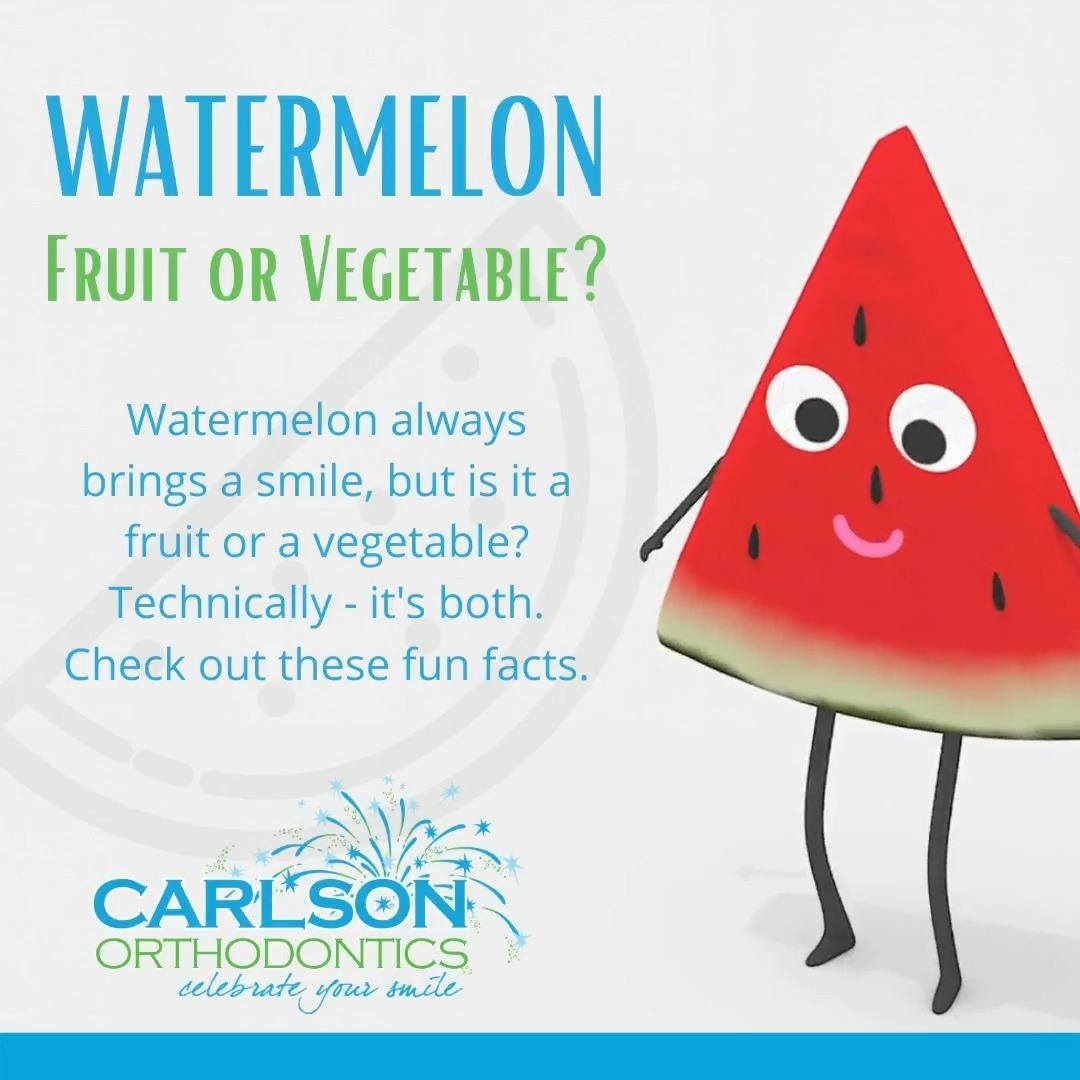
Watermelon is botanically classified as a fruit, specifically a type of berry known as a pepo. This classification is based on the definition that a fruit develops from the ovary of a flower and contains seeds. Watermelon (Citrullus lanatus) grows from the flowering vine of the cucumber family, Cucurbitaceae. Despite its sweet taste and association with summertime snacks and desserts, its biological characteristics firmly place it in the fruit category.
Botanical Classification of Watermelon
The classification of watermelon as a fruit can be understood through the following points:
- Seeds: Watermelon contains numerous seeds inside its fleshy interior, a primary characteristic of fruits.
- Development: It develops from the fertilized ovary of a flower, qualifying it as a fruit according to botanical definitions.
- Types: Being a pepo, it falls under the category of fleshy fruits with a hard outer rind, similar to cucumbers and pumpkins.
Common Misconceptions
There are various misconceptions about watermelon being a vegetable. The following factors contribute to this confusion:
- Usage in Cooking: Watermelon is often used in savory dishes, which may lead some to consider it a vegetable.
- Texture: Its crisp texture may resemble that of some vegetables, adding to the misunderstanding.
- Culinary Classification: In culinary contexts, fruits and vegetables are defined differently, often leading to confusion regarding classifications.
Nutritional Value of Watermelon
Watermelon offers a variety of nutritional benefits that are associated with fruits:
- Hydration: Composed of about 92% water, it serves as an excellent source of hydration.
- Vitamins and Minerals: Packed with vitamins A and C, it also provides potassium, making it beneficial for health.
- Low in Calories: It is low in calories, making it a popular choice for a healthy diet.
Watermelon Varieties
There are numerous varieties of watermelon, each with unique characteristics. Here are some examples:
- Seedless Watermelon: A popular option that has been bred to have no seeds, enhancing convenience for consumers.
- Mini Watermelon: Smaller in size, these are ideal for small households or individual servings.
- Striped vs. Solid: Varieties may vary in skin color and pattern, with options such as striped green and solid yellow or orange.
Cultural Significance of Watermelon
Watermelon plays an important role in various cultures around the world. Some significant points include:
- Symbol of Summer: Globally recognized as a summer staple, it embodies the essence of warm-weather gatherings.
- Festivals: In some cultures, watermelon festivals celebrate its harvest with food, games, and community events.
- Culinary Traditions: Different regions have unique ways of preparing and serving watermelon, showcasing its versatility.
Questions from Our Readers
Is a banana a fruit or a vegetable?
A banana is classified as a fruit. Specifically, it is a berry because it develops from a single ovary and contains seeds, even though cultivated bananas are usually seedless.
What part of the banana plant do we eat?
We eat the edible part of the banana, which is the fleshy fruit. The fruit grows from the flower of the banana plant and is enjoyed raw or used in various recipes.
See also:
Are bananas botanically and culinarily different?
Yes, bananas are botanically classified as fruits but are often treated as vegetables in culinary contexts. This distinction arises because they can be used in savory dishes, similar to vegetables.
Can a banana be considered a vegetable in any context?

If you want to read more articles like Is Banana a Fruit or Vegetable? Discover the Surprising Truth Behind This Popular Snack, we recommend you check out our Plants category.
Leave a Reply
Related Articles