Is A Cucumber a Fruit or a Vegetable? Understanding the Classification and Nutritional Benefits

The classification of cucumbers has long sparked debate among culinary enthusiasts and botanists alike. Often mistaken for a vegetable due to its savory flavor and common use in salads and side dishes, the cucumber is actually a fruit. This article will delve into the botanical definition of fruits and vegetables, shedding light on why cucumbers belong to the former category. Additionally, we will explore the nutritional benefits of cucumbers, highlighting their role in a healthy diet. Understanding this distinction can enrich our appreciation for this versatile food, whether enjoyed raw, pickled, or blended into refreshing beverages.
Understanding the Classification of Cucumbers: Fruit or Vegetable?
Cucumbers are commonly perceived as vegetables due to their culinary uses; however, they are, botanically speaking, classified as fruits. This classification arises from the fact that cucumbers develop from the flowering part of the plant and contain seeds, which are characteristic traits of fruits. In culinary terms, the distinction is often blurred, but scientifically, cucumbers fit the criteria of a fruit as they belong to the gourd family, which also includes other fruits like melons and pumpkins.
The Botanical Definition of Fruit
Botanically, a fruit is defined as the mature ovary of a flowering plant, usually containing seeds. This definition encompasses a wide variety of edible products, including those that are not commonly categorized as fruits in the kitchen. In this sense, cucumbers fit neatly into the fruit category as they grow from the flowers of the cucumber plant and contain seeds within their flesh.
Culinary Uses and Perception
In culinary contexts, cucumbers are typically classified as vegetables because they are used primarily in salads, pickles, and other savory dishes. Their crisp texture and mild flavor make them a favored addition to various foods where people expect a vegetable component rather than a sweet fruit. This practical categorization often leads to confusion among consumers regarding their correct classification.
Cucumber Varieties and Their Characteristics
There are several varieties of cucumbers, including slicing cucumbers, pickling cucumbers, and burpless cucumbers, among others. Each variety has unique characteristics that affect its taste, texture, and best uses in the kitchen. For example, slicing cucumbers are often larger and have a smoother skin than pickling varieties, which are smaller and have a bumpier exterior. Despite these differences, all cucumber types share the fundamental characteristics that classify them as fruits.
Nutritional Profile of Cucumbers
Cucumbers are low in calories and provide a good source of hydration due to their high water content, making them an excellent addition to a healthy diet. They also contain small amounts of vitamins and minerals, including vitamin K, potassium, and magnesium. An understanding of their nutritional benefits can enhance the appreciation of cucumbers, regardless of their classification as a fruit or vegetable.
Myths and Misconceptions
There are several myths and misconceptions surrounding cucumbers and their classification. One common belief is that the presence of seeds automatically qualifies a food as a vegetable; however, many vegetables like bell peppers and tomatoes also contain seeds. Such misunderstandings can lead to confusion, highlighting the importance of distinguishing between culinary and botanical definitions of fruits and vegetables.
| Aspect | Cucumber Classification |
|---|---|
| Botanical Definition | Fruit |
| Culinary Use | Vegetable |
| Varieties | Slicing, Pickling, Burpless |
| Nutritional Content | Low in calories, high water content |
| Common Misconceptions | Seeds equal vegetable |
Why is a cucumber a vegetable and not a fruit?
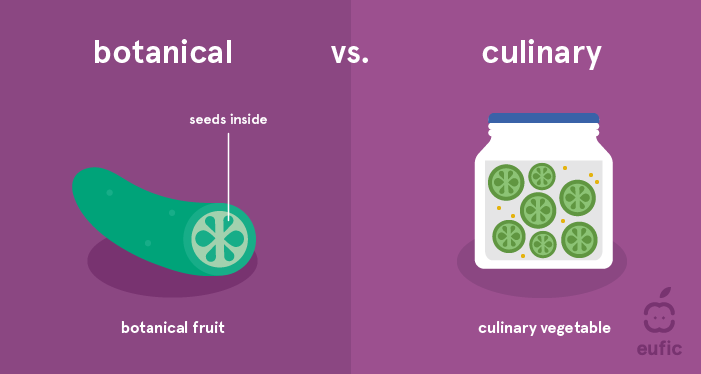
Cucumbers are commonly classified as vegetables in culinary contexts, but botanically speaking, they are fruits. However, the distinction often leads to confusion. The classification of cucumbers hinges on their botanical characteristics versus their culinary applications.
Botanical Definition of a Fruit
In botany, a fruit is defined as the mature ovary of a flowering plant, usually containing seeds. This means that any plant part that develops from the flower of a plant and contains seeds can technically be considered a fruit. Cucumbers fit this definition as they develop from the flower of the plant and contain seeds.
See also:
- The cucumber grows from the flower of the cucumber plant.
- It contains seeds within its fleshy interior.
- Therefore, botanically, it is classified as a fruit.
Culinary Classification of Vegetables
In the kitchen, cucumbers are treated as vegetables due to their flavor, texture, and uses in meals. Culinary practices often classify foods based on taste and how they are used in recipes rather than their botanical classification. Cucumbers are used in salads, pickles, and other savory dishes, which contributes to their vegetable-like perception.
- Cucumbers have a fresh, mild flavor that complements salads.
- Commonly included in savory dishes, not desserts.
- Prepared in a way similar to other vegetables, such as slicing or dicing.
Culinary vs. Botanical Confusion
The confusion between the botanical and culinary classifications is common, leading to the mislabeling of cucumbers. People often rely more on the culinary context rather than the scientific definitions. As a result, cucumbers are frequently referred to as vegetables in grocery stores and recipes.
- Common references categorize cucumbers as vegetables in stores.
- Recipes typically use them in vegetable dishes.
- This culinary classification affects public perception.
Similarities with Other Fruits
Cucumbers share characteristics with other fruits that are also commonly treated as vegetables. For example, peppers and tomatoes are botanically fruits but are used in savory dishes, similar to cucumbers. This overlap further complicates classification based on culinary standards versus botanical definitions.
- Tomatoes and peppers are also botanically fruits.
- Like cucumbers, they are used in savory meals.
- Their classification mirrors that of cucumbers in culinary contexts.
The Role of Cucumbers in Cooking
Cucumbers play a vital role in various cuisines around the world. They provide hydration due to their high water content and add crunch to dishes. Their versatility allows them to be incorporated into numerous preparations, reinforcing their identity as a culinary vegetable despite their botanical classification.
- Cucumbers are refreshing and hydrating.
- They can be pickled or eaten raw in salads.
- Adaptable in various recipes across global cuisines.
Is a zucchini a fruit or a vegetable?
:max_bytes(150000):strip_icc()/Zucchini-by-Blaine-MoatsMeredith-2000-f72540c9bd1b4062b18d8d14963b59e6.jpg)
Zucchini, often referred to as courgette in some regions, is botanically classified as a fruit rather than a vegetable. This classification is based on the fact that zucchinis develop from the flowering part of the plant and contain seeds, which aligns with the botanical definition of a fruit. In culinary contexts, however, zucchinis are frequently treated as vegetables due to their savory flavor and use in cooking.
What Defines a Fruit?
Understanding the classification of zucchini begins with defining what a fruit is. A fruit is typically the mature ovary of a flowering plant, usually containing seeds.
- Formation: Fruits develop from the fertilized ovary of a flower.
- Seeds: They generally contain seeds, which are responsible for the reproduction of the plant.
- Examples: Other examples of fruits include tomatoes, cucumbers, and peppers, which are frequently mistaken for vegetables.
Botanical vs. Culinary Classification
In markets and kitchens, the distinction between botanical and culinary classifications becomes important.
- Culinary Use: Zucchini is often used in savory dishes, making it appear more like a vegetable.
- Flavor Profile: Its mild flavor is typically associated with vegetables rather than fruits.
- Common Preparations: Zucchini is frequently grilled, sautéed, or used in vegetable medleys.
Nutritional Benefits of Zucchini
Regardless of its classification, zucchini offers numerous nutritional benefits.
- Low in Calories: Zucchini is low-calorie, making it a healthy addition to any diet.
- Rich in Nutrients: It provides vitamins A and C, manganese, and potassium.
- Hydration: With a high water content, it helps in hydration and can support digestive health.
Growing Zucchini
The cultivation of zucchini involves certain specific practices that make it unique among garden plants.
See also:
- Planting Season: Zucchini is typically planted in spring after the last frost.
- Sunlight Needs: It requires full sun, thriving in well-drained soil.
- Harvesting: Zucchini is best harvested when young and tender for optimal flavor.
Recipes Featuring Zucchini
Due to its versatility, zucchini can be incorporated into various recipes.
- Zucchini Noodles: A popular alternative to traditional pasta.
- Stuffed Zucchini Boats: Hollowed-out zucchinis filled with various proteins and spices.
- Zucchini Bread: A sweet baked good that utilizes shredded zucchini for moisture and flavor.
Is a pepper a vegetable or a fruit?
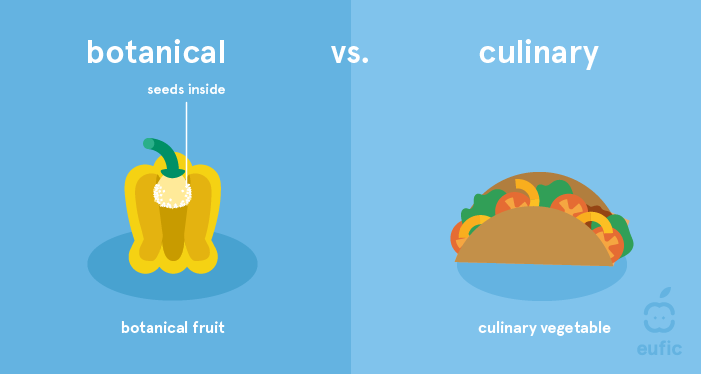
Peppers are scientifically classified as fruits, specifically as berries. This classification arises from their development from the ovary of a flower and their ability to contain seeds. In the culinary world, however, they are often treated as vegetables due to their savory taste and common use in various dishes.
Understanding Botanical Classification
The distinction between fruits and vegetables lies in botanical definitions.
- Fruits: Botanically, fruits are the mature ovary of a flowering plant, usually containing seeds.
- Vegetables: Vegetables are other plant parts like roots, stems, and leaves that are consumed.
- Peppers: Being derived from the flower of the plant and containing seeds, peppers fit the botanical definition of fruits.
Culinary Usage of Peppers
In culinary practices, peppers are classified based on flavor profiles rather than botanical criteria.
- Savory Element: Peppers are typically used in savory dishes, which leads to their classification as vegetables in cooking.
- Varieties: Different types of peppers (bell, jalapeño, habanero) are used in various cuisines for flavor and heat.
- Preparation: They are usually cut, diced, or cooked in dishes, further solidifying their vegetable status in culinary traditions.
Nutritional Profile of Peppers
Peppers hold an important place in nutrition and health.
- Vitamins: They are rich in vitamins, particularly vitamin C and various B vitamins.
- Antioxidants: Containing antioxidants like capsanthin, they provide health benefits including anti-inflammatory properties.
- Low-Calorie: Peppers are low in calories, making them an excellent addition to a healthy diet.
Botanical Varieties of Peppers
There are several varieties of peppers, each contributing uniquely to the classification of fruits.
- Sweet Peppers: Varieties like bell peppers, which are typically sweet and used in salads and cooking.
- Hot Peppers: Varieties like jalapeños and habaneros, known for their heat, are commonly used in spicy dishes.
- Ancho Peppers: These dried peppers are used in sauces and blends, highlighting their versatility as fruits.
Common Misconceptions about Peppers
Despite their botanical classification, many misconceptions persist about peppers.
- Vegetable Mislabeling: The common classification as vegetables often leads to confusion in grocery stores and recipes.
- Flavor vs. Classification: The taste of a pepper influences its classification in cooking rather than in botany.
- Culinary Education: Understanding the difference can help in better culinary applications and nutrition education.
Questions from Our Readers
Is a cucumber technically a fruit?
Yes, a cucumber is technically classified as a fruit because it develops from the flower of the plant and contains seeds. Botanically, fruits are the mature ovary of a flower, and since cucumbers fit this criteria, they are indeed fruits.
What makes cucumbers different from other vegetables?
Cucumbers are often considered vegetables in culinary contexts due to their savory flavor and use in salads and dishes, but their botanical classification as fruits sets them apart from traditional vegetables.
See also:
Are there any health benefits of eating cucumbers?
Yes, cucumbers are low in calories and high in water content, making them an excellent option for hydration. They also provide vitamins and minerals, contributing to a healthy diet.
Can cucumbers be used in both sweet and savory dishes?
Absolutely, cucumbers can be utilized in a variety of dishes, including salads, garnishes, and even desserts like smoothies and sorbets, showcasing their versatility in both sweet and savory cuisines.

If you want to read more articles like Is A Cucumber a Fruit or a Vegetable? Understanding the Classification and Nutritional Benefits, we recommend you check out our Plants category.
Leave a Reply
Related Articles