Do You Need Two Saskatoon Berry Bushes? Exploring the Benefits and Requirements

Saskatoon berry bushes are a delightful addition to any garden, offering not only stunning foliage but also delicious, nutritious fruits. However, many gardeners wonder if planting two bushes is necessary for optimal growth and production. This article delves into the benefits and requirements of cultivating Saskatoon berry bushes, examining whether a single plant can thrive or if pairing them yields better results. We’ll explore topics such as pollination, fruit yield, and overall plant health, providing valuable insights for both novice and experienced gardeners alike. Discover the best practices to ensure a fruitful harvest from your Saskatoon berry bushes.
Do You Need Two Saskatoon Berry Bushes?
Having two Saskatoon berry bushes is generally recommended to ensure effective pollination and maximize fruit yield. While these plants can produce berries with just one bush, having a second one increases the chances of cross-pollination, which enhances fruit quality and quantity. The two bush system allows for better genetic diversity, resulting in a more robust and productive harvest. Furthermore, having a second bush can extend the fruiting season and improve overall plant health, making it a wise investment for aspiring gardeners.
Benefits of Having Two Saskatoon Berry Bushes
Planting two Saskatoon berry bushes can significantly increase the amount of fruit produced per season. This is primarily due to the fact that these plants benefit from cross-pollination. When pollen from one bush reaches the flowers of another, it encourages more bountiful berry sets. Additionally, a second bush can help in achieving better fruit size and flavor, making them more desirable for consumption or sale.
Choosing the Right Varieties
When selecting Saskatoon berry bushes, it's essential to choose compatible varieties that can effectively cross-pollinate. Different varieties may have varying bloom periods and fruit characteristics, so it’s important to aim for those that complement each other. Opting for a mix of early and late blossom varieties can also help in extending the harvesting season while ensuring an ample supply of berries throughout.
Space Requirements for Two Bushes
While it is advisable to plant two Saskatoon berry bushes, it is crucial to consider the space they require. Each bush typically needs about 3 to 5 feet of space for optimal growth and air circulation. Planting them too closely can inhibit their development and increase susceptibility to diseases. Therefore, assessing the available space in your garden before planting is vital to promote healthy growth and productivity of both bushes.
Care and Maintenance Tips
Proper care and maintenance are fundamental for both Saskatoon berry bushes to thrive. When planting two bushes, ensure that they are positioned in a location that receives ample sunlight and is well-drained. Regular watering, especially during dry spells, encourages strong root development. Fertilizing in the early spring and pruning after fruiting will also help maintain plant vigor and promote future fruit set.
Potential Challenges of Growing Two Bushes
While there are many benefits to having two Saskatoon berry bushes, there are also potential challenges. For instance, if the bushes are closely planted or inadequately maintained, they may compete for nutrition and water, leading to less productive plants. Additionally, being vigilant about pest and disease management becomes even more crucial with multiple plants in close proximity. This means that gardeners should regularly inspect both bushes for signs of trouble to ensure a healthy harvest.
| Element | Benefit | Challenge |
|---|---|---|
| Pollination | Increases fruit yield | Requires compatible varieties |
| Space | Better air circulation | Needs sufficient spacing |
| Care | Promotes healthy growth | More maintenance required |
Where is the best place to plant Saskatoon bushes?
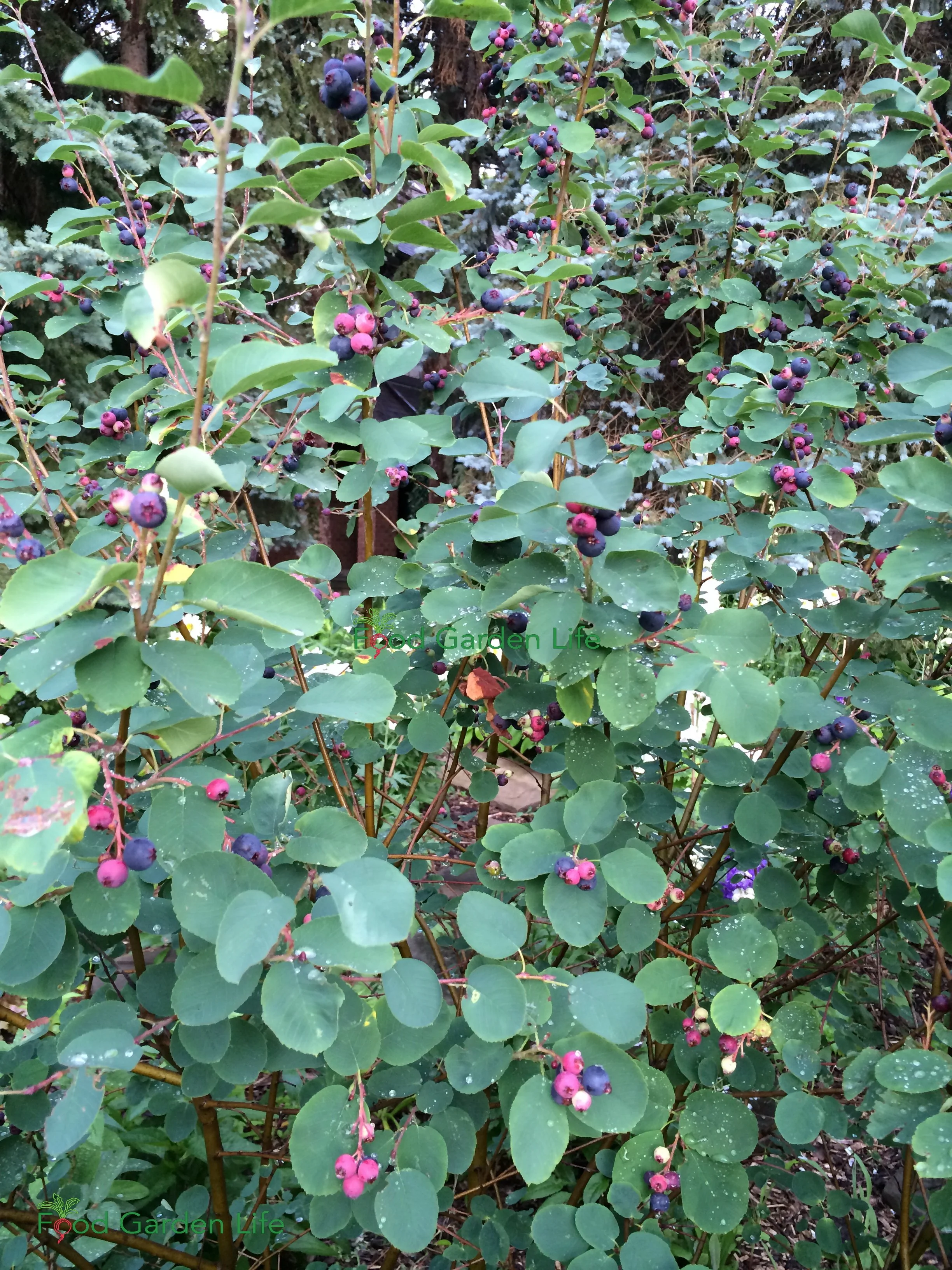
The best place to plant Saskatoon bushes (Amelanchier alnifolia) is in an environment that closely mimics their natural habitat. These bushes thrive in full sun to partial shade and prefer well-drained, nutrient-rich soil. Here are several key factors to consider for choosing the ideal location:
1. Sunlight Requirements
Saskatoon bushes perform best in areas receiving plenty of sunlight. Full sun conditions promote optimal fruit production and bush growth.
See also:
- Choose a location with at least 6 hours of direct sunlight per day.
- Observe shaded areas during peak sunlight hours to ensure consistent exposure.
- Partial shade can be tolerated but may reduce berry yield.
2. Soil Quality
The type of soil plays a critical role in the health of Saskatoon bushes. They prefer well-drained and loamy soils that retain moisture without becoming waterlogged.
- Test the soil for pH levels; they thrive in a range of 5.0 to 7.0.
- Avoid heavy clay soils that can impede drainage.
- Incorporate organic matter to improve soil structure and nutrient content.
3. Space Considerations
When planting Saskatoon bushes, it's vital to consider their mature size to ensure they have adequate space to grow and develop.
- Space bushes approximately 3 to 5 feet apart for optimal air circulation.
- Avoid clustering too many plants together to prevent competition for nutrients.
- Consider surrounding plants; make sure they do not overshadow the Saskatoon bushes.
4. Moisture Levels
Moisture is essential for the growth of Saskatoon bushes, particularly during their early stages of development.
- Plant the bushes in areas that receive occasional irrigation, especially in dry periods.
- Implement mulch around the base to help retain soil moisture.
- Monitor for signs of drought stress, such as wilting leaves or poor fruit development.
5. Climate Compatibility
Saskatoon bushes are adaptable but have specific climate preferences that should be considered for successful growth.
- They thrive in temperate climates and are particularly suited for zones 2 to 7.
- Assess your local climate to ensure it can support the growth of Saskatoon bushes.
- Consider potential frost dates and seasonal temperatures when choosing a planting time.
How fast does Saskatoon serviceberry grow?
:max_bytes(150000):strip_icc()/saskatoon-serviceberry-plant-profile-4847065-hero-bebe0bdd4bbc434a989d3a6bf978e5d0.JPG)
The Saskatoon serviceberry, scientifically known as Amelanchier alnifolia, is a deciduous shrub or small tree that is native to the North American continent. This plant is known for its multiple benefits, including ornamental value and edible fruit. Understanding its growth rate is essential for gardeners and landscapers. Saskatchewan serviceberries grow at a moderate pace, typically reaching their full height of 6 to 15 feet (1.8 to 4.6 meters) in about 3 to 5 years under optimal conditions. Factors such as soil quality, sunlight, and water availability can significantly influence this growth rate.
Optimal Growing Conditions for Saskatoon Serviceberry
The growth speed of Saskatoon serviceberry is heavily influenced by the conditions in which they are planted. To ensure a healthy and fast growth rate, consider the following factors:
- Soil Type: Preferably well-drained, loamy soil enriched with organic matter.
- Sunlight: Adequate exposure to at least 6 hours of sunlight daily promotes better growth.
- Watering: Regular watering, especially in dry spells, supports healthy growth without waterlogging the roots.
Typical Growth Rate of Saskatoon Serviceberry
The typical growth rate for a Saskatoon serviceberry can vary depending on several factors, but generally, they exhibit moderate growth patterns. Their growth can be outlined as follows:
- First Year: They usually focus on root establishment and may grow about 1 to 2 feet (30 to 61 cm).
- Years Two to Three: Growth accelerates, with an average increase of 2 to 4 feet (61 to 122 cm) annually.
- Years Four to Five: They reach maturity, achieving total heights of 6 to 15 feet (1.8 to 4.6 meters).
Maintenance Tips for Promoting Growth
Proper maintenance enhances the growth rate of Saskatoon serviceberry. Here are some essential maintenance tips:
- Pruning: Regular pruning helps direct energy into growth and fruit production.
- Fertilization: Applying a balanced fertilizer annually in early spring can boost growth.
- Pest Control: Monitoring for pests and diseases ensures healthy plants that can grow effectively.
Impact of Climate on Growth Rates
Climate plays a crucial role in the growth rate of Saskatoon serviceberry. Various climatic factors influence their development:
See also:
- Temperature: Ideal growth occurs in moderate temperature ranges; extreme heat or cold may delay growth.
- Precipitation: Adequate rainfall during the growing season encourages faster growth, while droughts can stunt it.
- Wind Exposure: Protecting young plants from strong winds promotes healthier growth and establishes strong root systems.
Common Issues Affecting Growth
There are several common issues that can impede the growth of Saskatoon serviceberry, including:
- Root Rot: Caused by overly wet soils; ensure proper drainage to prevent this.
- Pests: Aphids and leafhoppers can damage leaves, affecting overall growth; appropriate pest management is required.
- Diseases: Fungal infections can occur; using resistant varieties can mitigate this risk.
Do Saskatoon Serviceberries like sun or shade?
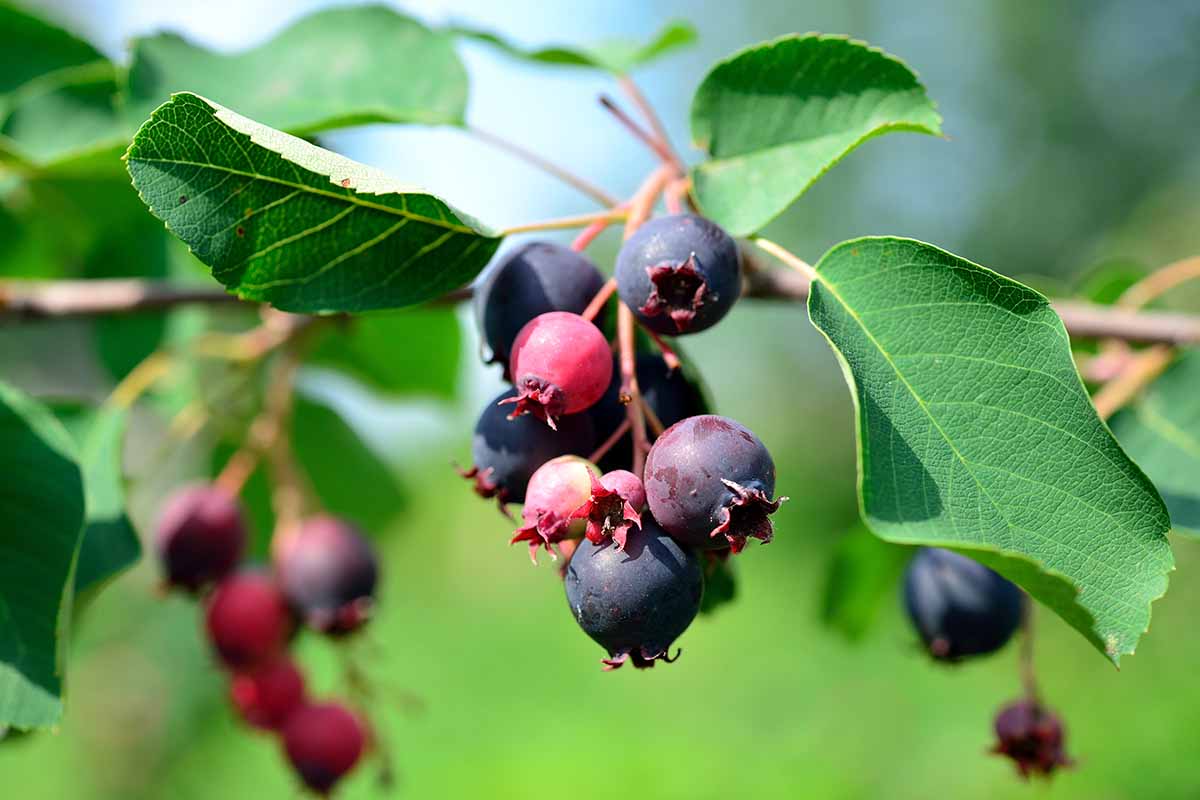
Saskatoon Serviceberries (Amelanchier alnifolia) thrive in conditions that provide full sun to partial shade. They are quite versatile and can adapt to different light intensities, although the best fruit production and overall health are achieved in full sun. Serviceberries typically prefer at least six hours of direct sunlight each day. In too much shade, you may notice a reduction in flowering and fruiting, along with the possibility of more leggy growth and susceptibility to diseases.
Optimal Light Conditions for Saskatoon Serviceberries
Saskatoon Serviceberries flourish when exposed to full sunlight, but they can tolerate some degree of shade. The optimal light conditions include:
- Full Sun: 6-8 hours of sunlight per day leads to better fruit yield.
- Partial Shade: 3-6 hours of sunlight may still produce decent results but can affect growth.
- Complete Shade: Less than 3 hours of indirect sunlight risks poor health and production.
Effects of Sunlight on Growth
The amount of sunlight directly impacts the growth and overall vigor of Saskatoon Serviceberries. Here's how sunlight affects their growth:
- Height and Size: Plants in full sun tend to grow taller and spread wider.
- Fruit Production: More sunlight generally results in higher fruit yields.
- Disease Resistance: Sunlight helps reduce the risk of fungal diseases that thrive in shady conditions.
Shade Tolerance in Saskatoon Serviceberries
While Saskatoon Serviceberries prefer sun, they can handle shade, but with certain limitations:
- Adaptability: They can adapt to slightly shaded areas but may not perform at their best.
- Leggy Growth: In shady spots, expect elongated stems and fewer branches.
- Lower Berry Production: You might see fewer berries when the plants are in shaded areas.
Planting Considerations for Light Exposure
When planting Saskatoon Serviceberries, consider the following factors related to light exposure:
- Location: Choose a site that receives plenty of sunlight throughout the day.
- Competing Vegetation: Ensure that surrounding plants do not overshadow the serviceberries.
- Soil Quality: Good soil drainage and quality can help offset less-than-ideal sunlight conditions.
Seasonal Sunlight Changes
Sunlight availability changes with the seasons, affecting Saskatoon Serviceberries in various ways:
- Spring Growth: Longer days promote effective growth and flowering.
- Summer Challenges: Intense heat may stress plants, emphasizing the need for consistent moisture.
- Fall Color: Serviceberries may develop vibrant fall foliage in response to varying sunlight.
Questions from Our Readers
Do you need two Saskatoon berry bushes to produce fruit?
Yes, while a single Saskatoon berry bush can produce some fruit, having two or more bushes improves pollination and increases the overall fruit yield. This is because they benefit from cross-pollination, which enhances the quality and quantity of the berries.
What is the benefit of having multiple Saskatoon berry bushes?
Having multiple Saskatoon berry bushes leads to better pollination, ensuring that the flowers develop into more fruit. Additionally, a diverse planting can extend the harvest season and promote healthier plants that are more resilient to pests and diseases.
See also:
Can Saskatoon berry bushes self-pollinate?
Yes, Saskatoon berry bushes can self-pollinate, but the presence of another bush can greatly enhance the pollination process. When multiple plants are nearby, they attract more pollinators, which can result in a more bountiful harvest.
How far apart should Saskatoon berry bushes be planted?
Saskatoon berry bushes should be planted about 4 to 6 feet apart to allow for proper air circulation, sunlight exposure, and room for growth. This distance also helps ensure that the bushes can effectively cross-pollinate with each other, leading to better fruit production.

If you want to read more articles like Do You Need Two Saskatoon Berry Bushes? Exploring the Benefits and Requirements, we recommend you check out our Berries category.
Leave a Reply
Related Articles