What is Considered the Biggest Enemy for Many Home Gardeners? Discover Effective Solutions!
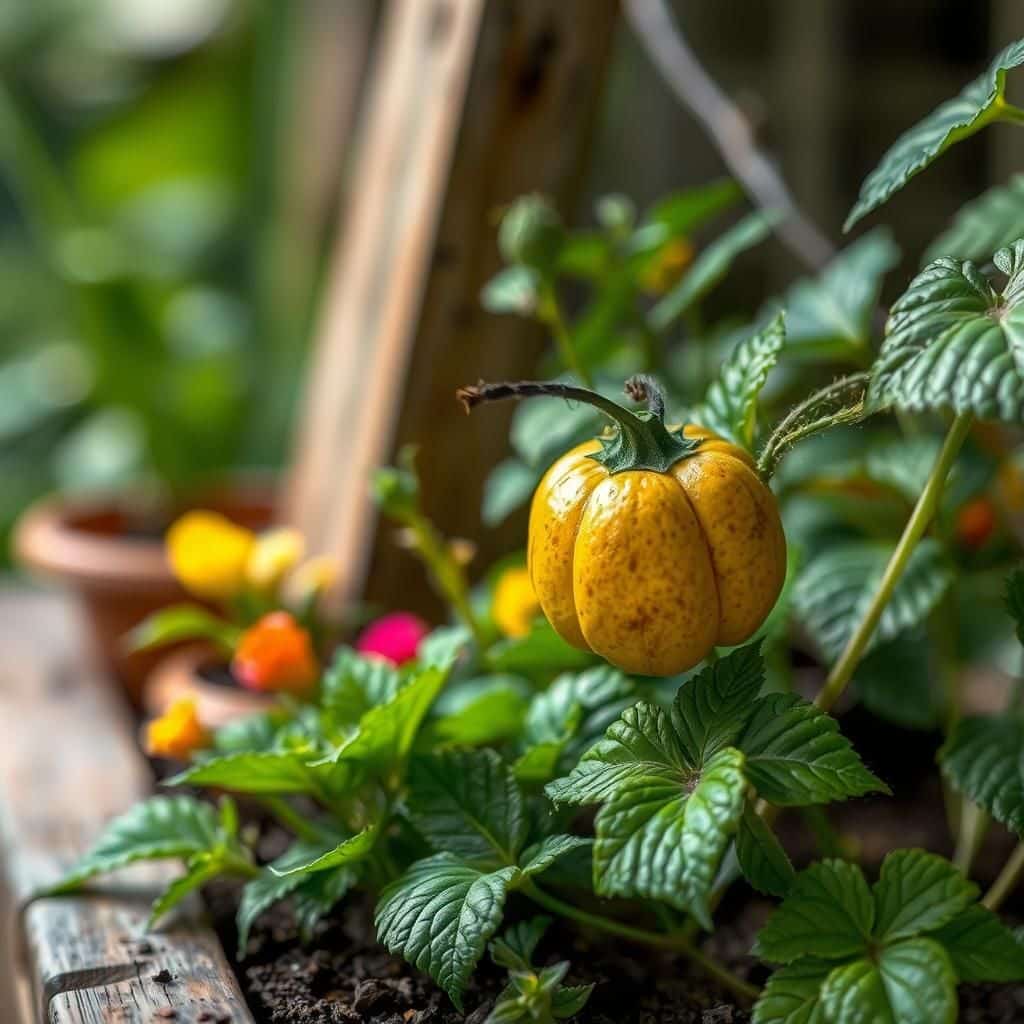
Home gardening can be a fulfilling and rewarding hobby, but for many gardeners, it comes with its own set of challenges. Among these, one particular adversary stands out as the most formidable: pests and diseases. These unwelcome invaders can wreak havoc on plants, leading to diminished yields and a loss of enjoyment in gardening. Understanding what these threats are and how to combat them effectively is crucial for maintaining a healthy garden. In this article, we will explore the biggest enemies faced by home gardeners and provide practical solutions to protect your plants and enhance your gardening experience.
What is the Biggest Enemy for Many Home Gardeners?
The biggest enemy for many home gardeners is pests. These unwelcome visitors can cause significant damage to plants, often leading to a decline in health and even the death of beloved flora. From aphids sucking the sap from tender shoots to more destructive critters like caterpillars and beetles, pests can invade gardens unexpectedly and spread rapidly if not controlled. Many gardeners find themselves engaged in a constant battle to protect their plants, utilizing various methods such as organic pest control, traps, and insecticidal sprays. The challenge lies not only in identifying the pests but also in understanding their life cycles and behaviors in order to implement effective management strategies.
Common Pests in Home Gardens
Many home gardens attract a variety of common pests that can wreak havoc on plants. Aphids, whiteflies, and spider mites are among the most frequently encountered issues. Aphids can breed rapidly, leading to large infestations that weaken plants by sucking their sap. Whiteflies not only harm plants directly but can also transmit viruses, making them particularly dangerous. Spider mites, on the other hand, thrive in hot, dry conditions and can cause stippling and yellowing of leaves. Understanding these common pests can help gardeners take timely action to mitigate damage.
Signs of Pest Infestation
Identifying the signs of a pest infestation is crucial for home gardeners. Typical indicators include discoloration of leaves, unusual spots or holes in foliage, and droppings or silk webs on plants. Gardeners may also notice a decline in plant vigor or wilting, which can signify that roots are being compromised by underground pests. Early detection is key; therefore, routine inspections and monitoring are essential for maintaining a healthy garden and preventing larger outbreaks.
Natural Pest Control Methods
For many gardeners, employing natural pest control methods becomes a preferred choice over chemical solutions. Techniques such as introducing beneficial insects like ladybugs and lacewings can greatly reduce pest populations, as they feed on harmful species. Additionally, the use of garlic spray or neem oil can deter pests without harming the environment. Companion planting—growing certain plants together to repel pests or attract beneficial insects—also supports the garden's overall health and can be an effective strategy.
Chemical Pest Control Options
In situations where natural methods do not suffice, chemical pest control options may be necessary. Various insecticides are available, some designed for targeted use against specific pests while others act broadly. It's crucial for gardeners to choose products that are appropriate for their plants and that minimize harm to beneficial insects and the surrounding ecosystem. Additionally, understanding the application timing and dosage can greatly enhance effectiveness while reducing potential risks.
Prevention Strategies for Pest Management
Preventing pest infestations is often more effective than attempting to cure them after the fact. Gardeners can implement numerous prevention strategies that include maintaining healthy soil, rotating crops, and keeping plants well-watered but not over-fertilized. Proper spacing between plants promotes air circulation, reducing the likelihood of fungal diseases and pests. Additionally, routine maintenance such as clearing debris and inspecting plants can proactively minimize the chances of pest invasion.
| Pest | Damage Caused | Control Methods |
|---|---|---|
| Aphids | Sap-sucking, stunted growth | Beneficial insects, insecticidal soap |
| Whiteflies | Virus transmission, wilting | Neem oil, yellow sticky traps |
| Spider Mites | Leaf stippling, webbing | Water sprays, predatory mites |
| Caterpillars | Leaf destruction, defoliation | Handpicking, Bacillus thuringiensis |
| Slugs and Snails | Holes in leaves, decay | Beer traps, copper barriers |
Understanding Common Pests and Diseases in Home Gardening
Many home gardeners face the daunting challenge of dealing with various pests and diseases that threaten their crops. Understanding what is considered the biggest enemy can help in taking proactive measures to mitigate damage. These adversaries often include insects, fungal spores, and bacterial infections that can quickly spread and devastate a garden if not addressed promptly. Implementing effective control measures, such as natural repellents, crop rotation, and integrated pest management, can provide sustainable solutions, ensuring that the garden remains healthy and thriving.
Identifying Common Garden Pests
One of the first steps in protecting your garden is identifying common pests that can pose a threat. Popular culprits include aphids, snails, and caterpillars. These pests often feed on the leaves, weakening plants and even transmitting viruses. Recognizing the signs of an infestation early, such as chewed leaves or the presence of excrement, allows gardeners to take immediate action to prevent further damage.
Understanding Plant Diseases
Plant diseases can be equally destructive and are often caused by fungi, bacteria, or viruses that thrive in certain conditions. Fungal infections, such as powdery mildew or root rot, typically manifest in damp environments and can spread quickly if not treated. Understanding the symptoms, such as yellowing leaves or stunted growth, is crucial for early detection, allowing gardeners to apply effective treatments and enhance their plants' resilience.
Natural Pest Control Solutions
Utilizing natural pest control solutions is an effective strategy for home gardeners looking to protect their plants without resorting to chemical pesticides. Options such as introducing beneficial insects like ladybugs or using neem oil can significantly reduce pest populations. Additionally, companion planting—the practice of growing certain plants together to deter pests—can create a more balanced and healthy ecosystem within the garden.
Importance of Crop Rotation
Crop rotation is a critical practice that involves changing the type of crops grown in a specific area from year to year. This method helps prevent the buildup of soil-borne diseases and pest populations that thrive on specific plants. By alternating crops, gardeners can maintain soil health, enhance nutrient availability, and reduce the risk of severe infestations or diseases, leading to a more sustainable gardening practice.
Integrating Pest Management Techniques
Integrated Pest Management (IPM) combines various control methods to manage pest populations effectively and sustainably. This approach includes cultural practices like improving plant health, mechanical controls such as traps, and biological controls using natural predators. By incorporating these techniques, gardeners can create a holistic system that minimizes the impact of pests and diseases while promoting a healthier garden environment.
Questions from Our Readers
What is considered the biggest enemy for many home gardeners?
Many home gardeners often identify weeds as their biggest enemy. These unwanted plants compete for nutrients, water, and light, ultimately stunting the growth of desired crops. Moreover, the ability of weeds to reproduce quickly and spread can make them particularly challenging to manage in a garden setting.
How can weeds be effectively controlled in a garden?
To control weeds effectively, gardeners can employ a combination of mulching, hand pulling, and the use of pre-emergent herbicides. Applying a thick layer of mulch can suppress weed growth, while regular hand pulling helps to remove them before they set seed. Herbicides can also be utilized, but should be chosen carefully to avoid harming desired plants.
What are some common types of weeds that home gardeners face?
Home gardeners frequently contend with dandelions, crabgrass, and bindweed. These weeds are known for their rapid growth and resilience, making them common nuisances in many gardens. Proper identification is crucial for devising an effective control strategy tailored to the specific types of weeds present.
Are there any natural methods to prevent weed growth?
Yes, there are several natural methods to prevent weed growth, including cover cropping, using landscaping fabric, and promoting healthy soil. Planting cover crops can enhance soil health and outcompete weeds, while landscaping fabric can act as a barrier to inhibit weed germination. Additionally, maintaining healthy soil through proper maintenance encourages the growth of desirable plants over weeds.
See also:

If you want to read more articles like What is Considered the Biggest Enemy for Many Home Gardeners? Discover Effective Solutions!, we recommend you check out our Weeds category.
Leave a Reply