Can I Pour Straight Vinegar on Weeds? Exploring Effective Weed Control Solutions
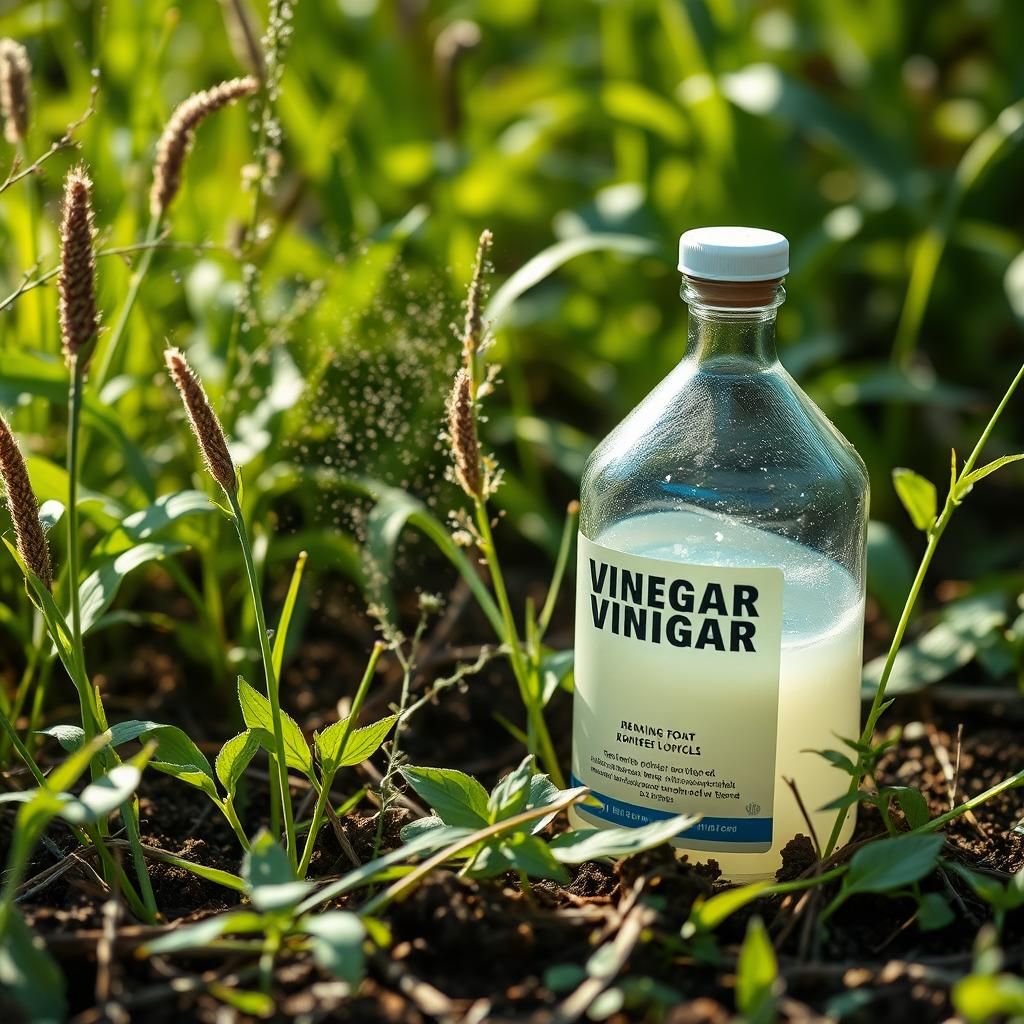
Weeds can be a persistent challenge for gardeners and homeowners alike, often overshadowing the beauty of well-maintained landscapes. As natural alternatives to chemical herbicides gain popularity, many wonder about the effectiveness of common household items, particularly vinegar, in controlling these unwanted plants. This article delves into the potential of pouring straight vinegar on weeds, examining its efficacy, application methods, and the science behind its weed-killing properties. By exploring this solution, we aim to equip readers with practical knowledge to tackle their weed problems while being mindful of their environmental impact.
Can I Pour Straight Vinegar on Weeds?
Yes, you can pour straight vinegar on weeds, as it is a natural herbicide that can effectively kill many types of unwanted plants. Vinegar contains acetic acid, typically in concentrations of around 5% in household varieties, which can desiccate the leaves and stems of weeds upon contact. However, it is essential to apply vinegar on a dry, sunny day directly onto the weeds, avoiding desirable plants, as it does not discriminate and can harm any plant it touches. Keep in mind that while vinegar can be an effective spot treatment for small infestations, it may require multiple applications for tougher weeds and is less effective against established perennial weeds with deep roots.
How Does Vinegar Affect Weeds?
Vinegar primarily affects weeds through its acetic acid content, which works by drawing moisture out of the plant tissues, leading to cell damage and eventual death. When applied directly to the leaves and stems of weeds, the acid penetrates the plant cells, causing them to dry out. This method is most effective on young, tender weeds and may not work as efficiently on well-established ones, particularly perennial varieties that have robust root systems.
What Concentration of Vinegar is Effective?
While typical household vinegar contains about 5% acetic acid, higher concentrations, such as 20% or even 30% agricultural vinegar, can be significantly more effective for killing tough weeds. However, using higher concentrations requires caution, as they can also be hazardous to humans and pets if not handled correctly. Always ensure to wear protective gear, such as gloves and goggles, when using concentrated vinegar solutions to prevent skin or eye irritation.
Best Practices for Applying Vinegar on Weeds
To maximize the effectiveness of vinegar as a weed killer, apply it during the heat of the day when temperatures are above 70°F (21°C) and ideally under direct sunlight. This increases the acid's activity, enhancing its desiccating effect on the weeds. Use a spray bottle for precise application, ensuring you target only the weeds and protect surrounding plants. It's also advisable to avoid application immediately before rainfall, as the water can wash away the vinegar before it has a chance to work.
Can Vinegar Kill All Types of Weeds?
While vinegar can effectively kill many annual weeds, it may not be as effective on perennial weeds or those with extensive root systems. Persistent weeds such as dandelions or bindweed are particularly tough, and vinegar may only affect the visible parts above the soil. Hence, multiple applications or alternative weed control methods, such as pulling or mulching, might be required for complete eradication of these more resilient types.
Are There Any Environmental Considerations?
Using vinegar as a weed killer is often seen as a more environmentally friendly option compared to chemical herbicides. However, it is crucial to remember that vinegar does not discriminate between weeds and desirable plants, so careful application is necessary to avoid harming beneficial flora. When used improperly, vinegar can lead to soil acidification over time, so moderation is key. Additionally, while less harmful to wildlife than synthetic chemicals, it's still wise to consider local ecosystems and avoid runoff into nearby water sources.
| Aspect | Details |
|---|---|
| Effectiveness | Works best on young, tender weeds |
| Concentration | 5% for general use; up to 30% for tough weeds |
| Ideal Conditions | Hot, dry days with direct sunlight |
| Safety Precautions | Use protective gear when handling high concentrations |
| Environmental Impact | Less harmful than chemical herbicides but requires caution |
Understanding the Efficacy of Vinegar as a Herbicide
Vinegar, particularly when it contains a high concentration of acetic acid, is often touted as a natural herbicide for controlling weeds. When applied directly to unwanted plants, vinegar can desiccate the leaves and inhibit their growth due to its ability to penetrate plant tissues. However, the effectiveness of vinegar varies based on several factors, including the type of weed, the concentration of acetic acid, and environmental conditions such as temperature and sunlight. While it may be suitable for controlling small, annual weeds, it may not be effective against perennial weeds with deep root systems or hardy species, making it essential to assess the specific weeds in your garden before relying solely on vinegar for control.
How Does Vinegar Work on Weeds?
Vinegar primarily works against weeds due to its acidity, which causes a loss of moisture in the plant's cells, leading to wilting and eventual death. When the acetic acid comes into contact with the green parts of the plant, it disrupts cellular functions and causes the plant to undergo a physiological response that ultimately leads to desiccation. The effectiveness largely depends on the concentration of the vinegar, with higher concentrations typically yielding better results.
What Concentration of Vinegar is Most Effective?
While typical household vinegar contains about 5% acetic acid, it is often insufficient for effective weed control. Industrial vinegar, known as horticultural vinegar, can contain 20% to 30% acetic acid and is much more effective at killing weeds. However, higher concentrations also pose a higher risk of damage to desirable plants and the surrounding environment, making careful application necessary to avoid unintended consequences.
Benefits and Drawbacks of Using Vinegar for Weed Control
One significant benefit of using vinegar for weed control is its environmental friendliness compared to synthetic herbicides, as it breaks down quickly and poses less risk to the ecosystem. Additionally, it is often more affordable and readily available. However, the drawback includes its limited effectiveness against perennial weeds and the need for repeated applications, especially during drought or in shady conditions where weeds may be more resilient.
Best Practices for Applying Vinegar on Weeds
To effectively apply vinegar as a weed control solution, it’s crucial to target the weeds on a sunny day when temperatures are warm. This enhances the efficacy of the vinegar as the heat helps to open the plant’s pores. Use a spray bottle or garden sprayer to directly apply the vinegar on the leaves while avoiding desirable plants. For best results, apply vinegar in the late afternoon to ensure maximum exposure without rain disrupting its effectiveness.
Alternatives to Vinegar for Weed Control
If vinegar proves insufficient, several alternative methods for weed control can be considered. Mulching is an effective way to suppress weeds by blocking sunlight, while regular hand pulling can be effective for small infestations. Boiling water is another natural option that instantly kills weeds upon contact. Moreover, commercial herbicides and organic options, such as those based on corn gluten meal, can provide more robust solutions for persistent weed problems.
Questions from Our Readers
Can I pour straight vinegar on weeds?
Yes, you can pour straight vinegar on weeds, as it contains acetic acid which can effectively kill many types of weeds. However, be cautious as it can also harm surrounding plants and soil health if not applied carefully.
What concentration of vinegar is best for killing weeds?
For killing weeds, a concentration of at least 20% acetic acid is recommended, as household vinegar typically contains only 5%. Higher concentrations can be more effective, but also require more caution during application.
Will vinegar kill the roots of the weeds?
Vinegar can damage the leaves and stems of weeds, but it may not always reach the roots effectively, especially for deep-rooted plants. For best results, consider applying multiple treatments or using other methods in combination.
Is vinegar safe for the environment?
While vinegar is often seen as a natural herbicide, it can still impact the local ecosystem if used excessively. It’s important to apply it carefully to minimize potential harm to beneficial plants and microorganisms in the soil.
See also:

If you want to read more articles like Can I Pour Straight Vinegar on Weeds? Exploring Effective Weed Control Solutions, we recommend you check out our Weeds category.
Leave a Reply