What is the first thing to put in a compost bin? A Comprehensive Guide for Successful Composting
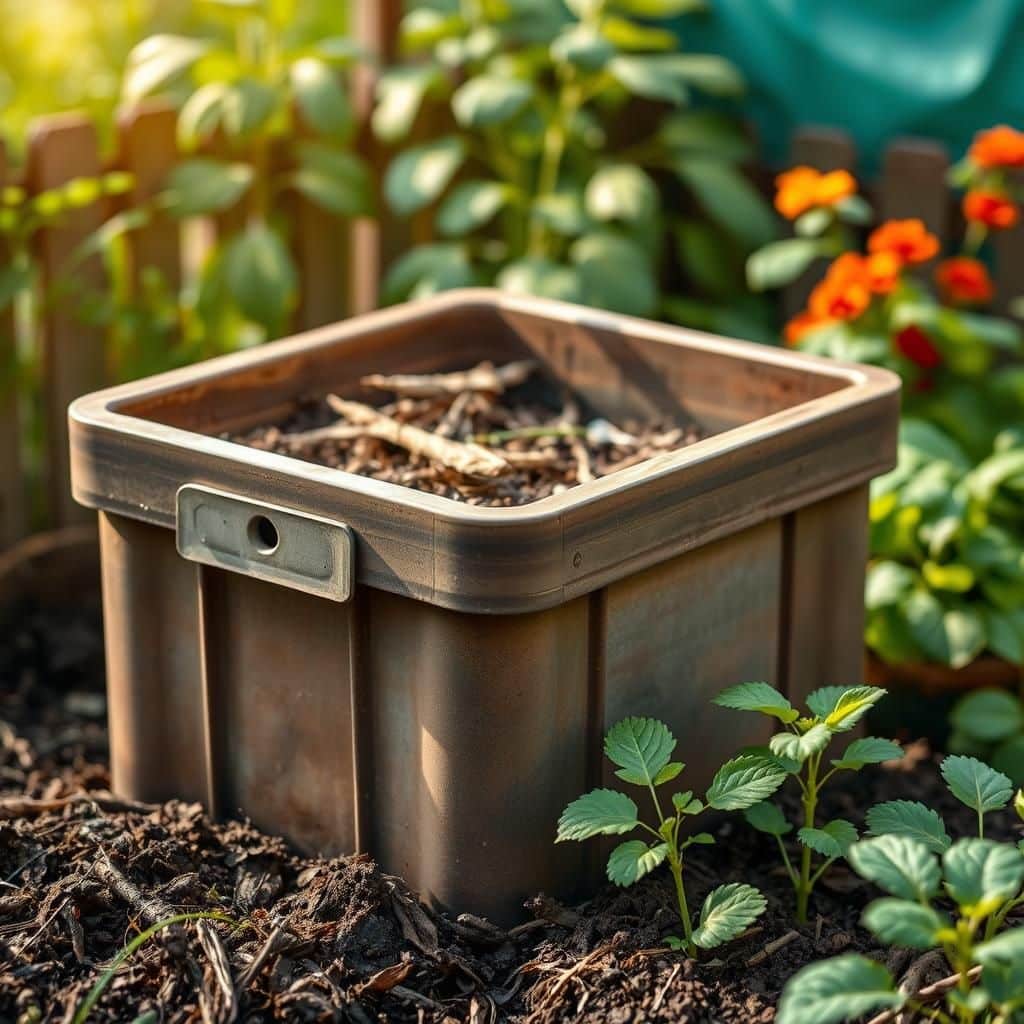
Composting is an eco-friendly practice that transforms organic waste into nutrient-rich soil, benefiting both gardens and the environment. However, starting a compost bin can be daunting, especially when it comes to knowing what to add first. In this comprehensive guide, we'll explore the essentials of successful composting, beginning with the critical first item to introduce to your bin. Understanding the right initial ingredient can set the stage for effective decomposition, optimize the composting process, and ultimately yield high-quality compost. Join us as we delve into the best practices and key components to kickstart your composting journey.
- What Should You Put in a Compost Bin First?
- What should be the first layer in a compost bin?
- What should I put in my compost bin first?
- What are the 5 mistakes that people commonly make when composting with worms?
- Common Mistakes in Worm Composting
- Environmental Control Challenges
- Improper Food Choices
- Neglecting Worm Care
- Poor Worm Bin Management
- What is a natural accelerator for compost?
- Questions from Our Readers
What Should You Put in a Compost Bin First?
The first thing to put in a compost bin is typically a layer of brown materials, which are high in carbon and provide essential structure to the compost. These can include items such as dry leaves, twigs, and cardboard. Starting with a carbon-rich base helps to create good airflow within the compost pile, preventing it from becoming compacted and allowing for optimal decomposition processes to occur. Following this initial layer, you can then add green materials, such as fruit and vegetable scraps, which are rich in nitrogen, fostering a balanced compost heap that encourages microbial activity and efficient breakdown of materials.
What Are Brown Materials?
Brown materials consist primarily of dry plant matter that is rich in carbon. These include items like fallen leaves, straw, shredded paper, and small branches. When added to a compost bin, they help to provide structure and aeration, allowing oxygen to penetrate the pile, which is critical for the decomposition process. By layering these materials first, you create a healthy environment for bacteria and other decomposers to thrive.
Examples of Green Materials
Green materials are typically nitrogen-rich organic waste, such as kitchen scraps, coffee grounds, and fresh grass clippings. These materials are essential for balanced composting, as they provide the necessary nutrients for microbial growth. When combined with brown materials, they help accelerate the composting process, leading to rich, nutrient-dense compost in a shorter amount of time.
Importance of Balance in Composting
Maintaining a proper balance of brown and green materials in your compost bin is critical for effective decomposition. An ideal ratio is approximately 3 parts brown to 1 part green. This balance ensures that the microbes have enough carbon to fuel their activity while also receiving the nitrogen needed for growth. Without this balance, the compost pile can become overly acidic or may not heat up sufficiently, which can stall the decomposition process.
How to Layer Your Compost Bin
When you're ready to start layering your compost bin, begin with a 3-4 inch layer of brown materials at the bottom. Next, add a thinner layer of green materials, ensuring they are evenly distributed. Repeat the process, alternating between brown and green layers. This technique not only helps with aeration but also encourages a faster breakdown of materials, resulting in high-quality compost. Consider also adding a small amount of lime to maintain pH balance as you layer.
Common Mistakes to Avoid
One of the most common mistakes when starting a compost bin is neglecting to add enough brown materials, which can lead to a sluggish decomposition process. Overloading the bin with green materials can create a wet, smelly mess that is difficult to manage. Additionally, it’s important to cut larger materials into smaller pieces, as this increases the surface area for decomposition and speeds up the process. Always ensure that your compost bin has good drainage and airflow to facilitate proper breakdown.
| Material Type | Examples | Benefits |
|---|---|---|
| Brown Materials | Dry leaves, straw, cardboard | High in carbon, provides structure |
| Green Materials | Fruit scraps, grass clippings, coffee grounds | High in nitrogen, feeds microbial life |
| Balance | 3 parts brown to 1 part green | Ensures efficient decomposition |
What should be the first layer in a compost bin?
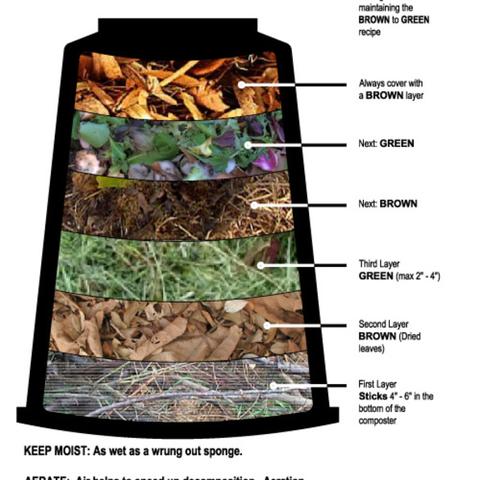
The first layer in a compost bin should ideally be made up of coarse materials such as small branches, twigs, or straw. This foundational layer is crucial as it aids in several important composting processes, including drainage, aeration, and creating a balanced environment for microorganisms that decompose organic matter. Here’s a detailed breakdown of the importance of the first layer and its composition.
Importance of the First Layer
The first layer plays a critical role in establishing a stable composting environment. It helps with air circulation, essential for aerobic decomposition. Without proper airflow, the compost pile can become anaerobic, leading to unpleasant odors and slow decomposition.
- Facilitates drainage of excess moisture.
- Enhances soil aeration, promoting microbial activity.
- Prevents compaction of finer organic materials.
Recommended Materials
When choosing materials for the first layer, use coarse organic matter that’s readily available. This can include materials that allow enough space for air to circulate while providing a stable base for the compost structure.
- Small branches or sticks.
- Hay or straw to provide a fluffy texture.
- Wood chips that can offer a balance of bulk and drainage.
Layer Thickness
The thickness of the first layer typically ranges from two to six inches. Maintaining an appropriate thickness is vital for achieving adequate airflow, while also ensuring that the moisture can be retained in the layers above.
See also:
- A layer of about 3 inches is often ideal.
- Thicker layers may lead to compaction.
- Regular checks may be needed to optimize layer thickness as the composting process proceeds.
Common Mistakes to Avoid
Many novice composters make common mistakes when laying the foundation. Being aware of these can significantly improve the composting process.
- Forgetting to use coarse materials, leading to poor aeration.
- Using materials that are too wet or dense.
- Failing to monitor the layer’s thickness.
Impact on Composting Efficiency
The efficiency of your composting process can be notably influenced by the choice and configuration of the first layer. A well-structured base leads to faster decomposition and a healthier compost ecosystem.
- Good airflow can significantly accelerate decomposition.
- A well-drained layer helps prevent unwanted smells.
- Healthy microbial growth is encouraged through proper layering.
What should I put in my compost bin first?

To start a compost bin effectively, it is crucial to choose the right materials. The foundational items to consider include a mix of green and brown materials that contribute to a balanced compost. Here are detailed suggestions for what you should put in your compost bin first.
Understanding Green Materials
Green materials are rich in nitrogen, which is essential for the composting process. These items help feed the microorganisms that break down organic material. You should prioritize including:
- Fruit and vegetable scraps – Peels, cores, and leftover produce work well.
- Grass clippings – Freshly cut grass adds moisture and nutrients.
- Coffee grounds – These provide nitrogen and can help repel pests.
Incorporating Brown Materials
Brown materials are high in carbon and serve as a structural addition to the compost. They balance the moisture from greens and ensure proper aeration. Key items to start with include:
- Dried leaves – Fall leaves are perfect as they break down slowly and add bulk.
- Cardboard – Shredded cardboard provides essential carbon and aeration.
- Paper – Newspaper or office paper can also be added, but avoid glossy varieties.
The Importance of Food Scraps
Food scraps are some of the most beneficial additions to your compost bin, as they not only provide essential nutrients but also help to maintain microbial diversity in your compost. Items to include are:
- Eggshells – These add calcium and help maintain soil structure.
- Stale bread – Bread breaks down easily and is high in carbon.
- Herbs and spices – Old herbs can contribute both nutrients and a pleasant aroma.
Adding Yard Waste
Your yard waste can significantly contribute to the bulk and health of your compost. Starting with a variety of yard materials can quickly establish a rich composting environment. Consider adding:
- Twigs and small branches – Chopped into smaller pieces, they provide structure and aeration.
- Leaves – Both green and dried leaves can improve the compost’s nutrient content.
- Plant trimmings – Leftover bits from pruning your garden can serve well.
Balancing Moisture Levels
Maintaining the right moisture level in your compost is vital for efficient decomposition. Ensuring proper moisture can be achieved by adding appropriate materials. To keep moisture balanced, you should include:
- Water – Occasionally misting the compost pile helps achieve the desired dampness.
- Wet grass clippings – These can help absorb excess moisture when it's too dry.
- Moistened cardboard – Adding slightly damp cardboard can retain moisture while providing structure.
What are the 5 mistakes that people commonly make when composting with worms?

Common Mistakes in Worm Composting
Environmental Control Challenges
Improper Food Choices
Neglecting Worm Care
Poor Worm Bin Management
Neglecting Environmental Conditions
One of the most common mistakes in worm composting is neglecting environmental conditions. Worms thrive in specific conditions, and failing to maintain them can harm the composting process. Temperature, moisture, and pH levels are critical factors.
- Temperature: Ideal temperatures range from 55°F to 77°F (13°C to 25°C). Extreme heat or cold can kill the worms.
- Moisture: A balance of moisture is necessary; soil should be damp but not overly wet to avoid drowning the worms.
- pH Levels: Maintain a neutral pH (around 7) for optimal worm activity. Too acidic or basic levels hinder their ability to consume waste.
Choosing the Wrong Food Items
Feeding worms the wrong food items can lead to poor composting results. While worms can eat a variety of food scraps, certain items should be avoided.
See also:
- Citrus and Onions: High acidity and strong odors can harm worms or deter them from eating.
- Dairy and Meat: These can attract pests and lead to unpleasant odors, disrupting the composting environment.
- Processed Foods: Items with additives and preservatives are unsuitable, as they may harm worms and disrupt the composting process.
Overfeeding and Underfeeding
Another frequent mistake is overfeeding or underfeeding worms. Both can create imbalances in the composting system.
- Overfeeding: Excess food can cause the compost to become anaerobic and produce foul smells, which stresses worm populations.
- Underfeeding: Not providing enough food can lead to malnutrition and unhealthy worms, preventing effective composting.
- Feeding Regimen: It's important to establish a consistent feeding schedule to help worms thrive.
Ignoring Worm Care and Maintenance
Proper worm care and maintenance is essential for successful composting. Overlooking these responsibilities can lead to a decline in worm health.
- Harvesting: Regularly harvest the compost to prevent overcrowding, which can stress worms and slow down compost production.
- Checking for Pests: Monitor for pests or diseases that can disrupt worm health and composting efficiency.
- Watering: Ensure proper moisture levels, as neglecting this can lead to either waterlogged conditions or desiccated compost.
Poor Worm Bin Management
Poor worm bin management can lead to several issues that undermine the composting process. Effective bin management ensures optimal conditions for worms.
- Size of the Bin: Choosing a bin that is too small can lead to overcrowding, while one that is too large can make heat retention difficult.
- Aeration: Failing to properly aerate the compost can result in anaerobic conditions, leading to odors and unhealthy worms.
- Placement: The bin's location should offer adequate shelter from extreme weather conditions, protecting worms from stressors.
What is a natural accelerator for compost?

A natural accelerator for compost is a substance that enhances the decomposition process of organic material in a compost pile or bin. These accelerators typically contain microorganisms, enzymes, or nutrients that help to speed up the breakdown of biodegradable materials, resulting in finished compost more quickly than usual. By introducing these accelerators, composters can maintain an active composting environment, improve aeration, and balance the carbon-to-nitrogen ratio, which is crucial for efficient decomposition.
What are the Benefits of Using Natural Accelerators in Compost?
Using natural accelerators for composting offers several advantages, including:
- Faster Decomposition: Natural accelerators significantly speed up the breakdown of organic materials, allowing for quicker production of compost.
- Improved Nutrient Quality: Accelerators often provide essential nutrients that enrich the compost, enhancing the health of the soil when applied.
- Better Aeration: They help maintain a well-aerated compost pile, which is crucial for aerobic decomposition and prevents bad odors.
Examples of Natural Accelerators for Composting
There are numerous natural accelerators that can be used when composting:
- Compost Starters: These are commercially available products that contain billions of beneficial microorganisms to kickstart the composting process.
- Manure: Animal manure, such as chicken or horse manure, is rich in nitrogen and microbes that can help accelerate decomposition.
- Wood Ash: Wood ash adds potassium and personalizes the pH level, thereby enhancing microbial activity in the compost.
How to Use Natural Accelerators Effectively
Using natural accelerators effectively requires a few best practices:
- Measure Properly: Always follow the recommended amounts for any accelerator to avoid overwhelming the compost pile with nutrients.
- Mix Thoroughly: Incorporate the accelerator evenly throughout the compost pile to ensure even microbial distribution.
- Monitor Moisture Levels: Maintain adequate moisture as accelerators often thrive in slightly damp conditions; too much or too little moisture can hinder their effectiveness.
Signs Your Compost Needs an Accelerator
Recognizing when to introduce a natural accelerator can enhance composting success:
- Slow Decomposition: If you notice that your compost isn’t breaking down as expected, an accelerator can help reactivate the process.
- Odor Issues: Foul smells can indicate anaerobic decomposition; an accelerator can promote aerobic conditions and reduce odors.
- Imbalance of Materials: If the carbon-to-nitrogen ratio is off, adding an accelerator can help balance it and improve compost quality.
Maintaining Your Compost Pit with Natural Accelerators
To ensure longevity and efficiency in composting, consider the following maintenance tips:
- Regular Turning: Aerate your compost pile every few weeks to distribute materials and accelerate the microbial action.
- Layering Materials: Alternate between green materials (nitrogen-rich) and brown materials (carbon-rich) to maintain a balanced composition.
- Adjusting Temperature: Monitor the internal temperature of the compost pile to ensure it stays within the optimal range for microbial activity.
Questions from Our Readers
What is the best material to start a compost bin?
The best material to start a compost bin is carbon-rich brown materials, such as dried leaves, straw, or shredded paper. These materials provide the necessary structure for air circulation and help balance the moisture levels in the compost.
Can I use kitchen scraps as the first layer in a compost bin?
While kitchen scraps are great for composting, it's advisable to use brown materials as the first layer to create a good foundation. This helps to avoid odors and pests by promoting proper aeration.
See also:
Should I add soil or finished compost when starting a new bin?
Adding a layer of finished compost or garden soil can be beneficial when starting a new bin, as it introduces helpful microorganisms that assist in breaking down organic materials quicker.
How deep should the initial layer be in a compost bin?
The initial layer of brown materials should be about 4 to 6 inches deep to ensure sufficient aeration and moisture retention, setting a solid base for effective composting.
If you want to read more articles like What is the first thing to put in a compost bin? A Comprehensive Guide for Successful Composting, we recommend you check out our Compost category.
Leave a Reply
Related Articles