What is the best time to cut back bushes? Expert Tips for Optimal Pruning Timing
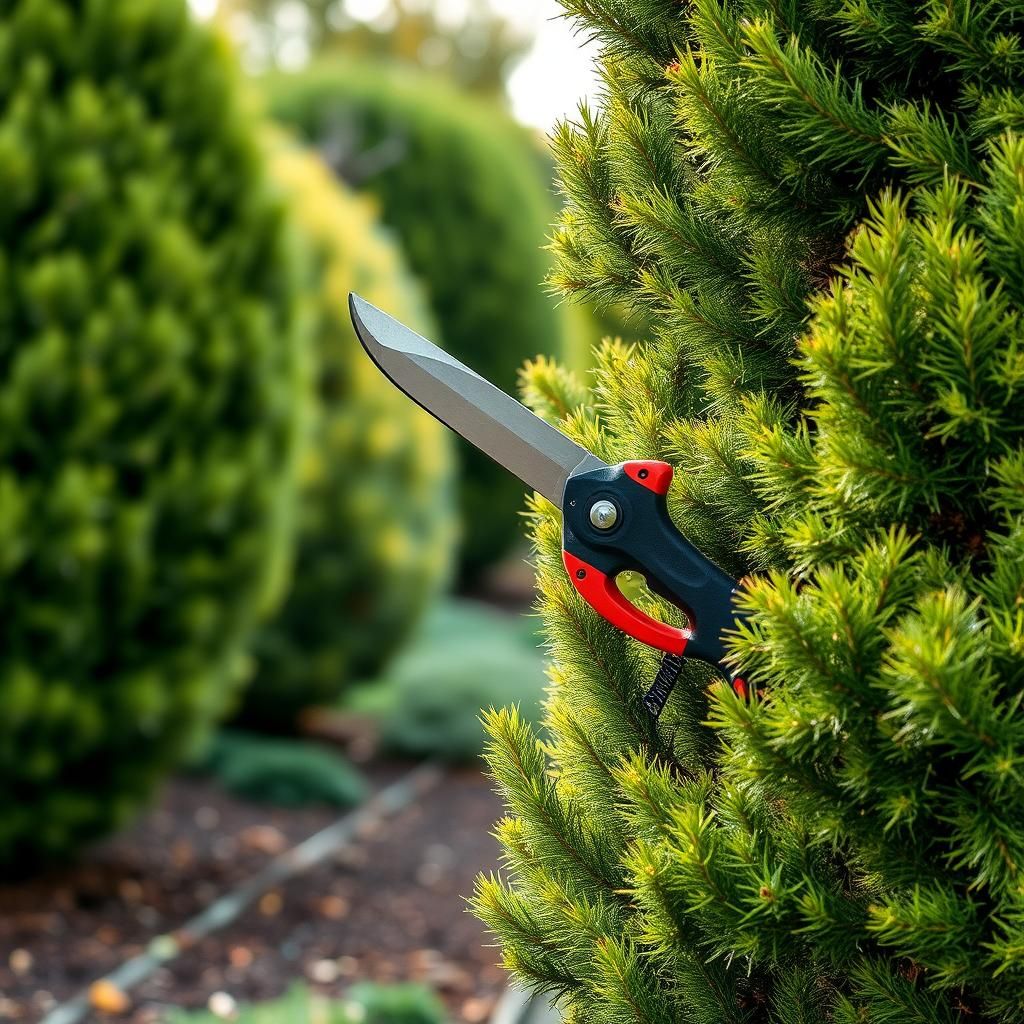
Pruning bushes is an essential gardening task that can significantly affect the health and aesthetics of your landscape. However, determining the best time to cut back these plants is crucial for optimal growth and flowering. Timing your pruning correctly not only promotes healthier foliage but also helps prevent damage to the plant. In this article, we'll explore expert tips on when to prune various types of bushes, including flowering varieties and evergreens. Understanding the specific needs of your plants will ensure that your pruning efforts yield the best results, enhancing the beauty and vitality of your garden.
What is the Best Time to Cut Back Bushes?
The best time to cut back bushes largely depends on the specific species and the climate of the region you are in, but generally, late winter or early spring is considered an optimal period. At this time, the bushes are still dormant, which minimizes stress on the plant and reduces the risk of damage from frost. Pruning during this period also encourages robust growth as the bushes begin to awaken in spring, allowing for healthy foliage and blooming. However, it's essential to research the particular needs of each bush type, as some may require pruning after flowering or at different times of the year for optimal health and aesthetics.
Understanding Dormancy in Bushes
Dormancy is a critical phase for many bushes, where they enter a resting state to conserve energy during the colder months. During dormancy, the bush is less susceptible to damage from pruning, allowing gardeners to cut back branches without hindering new growth that will occur in the spring. Recognizing the signs of dormancy, such as leaf drop and halted growth, helps determine the best time for pruning, typically between late fall and early spring.
Identifying the Right Time for Different Species
Different species of bushes have unique pruning requirements that are closely tied to their growth patterns. For example, flowering bushes like azaleas and lilacs should ideally be pruned right after they bloom to avoid cutting off next year's flower buds. Conversely, evergreen bushes can often be trimmed in late winter before new growth begins. Assessing the specific growth habits of each bush type ensures successful pruning that enhances both health and aesthetics.
The Role of Climate in Pruning Timing
The climate significantly influences when it's ideal to cut back bushes. In warmer regions, it may be suitable to prune earlier, while in colder areas, waiting until early spring to avoid frost damage is advisable. Understanding local weather patterns helps gardeners make informed decisions to avoid premature pruning, which could lead to plant stress or even death. Adjusting pruning schedules based on regional climates ensures better care for bushes.
See also:
Benefits of Pruning at the Right Time
Pruning bushes at the right time offers numerous benefits, including improved health, enhanced growth, and greater flower production. Correct pruning can help to remove dead or diseased branches, allowing for air circulation and lowering the risk of pest infestations. Additionally, timely pruning encourages the development of new growth, leading to a fuller, more attractive shape. Overall, the right timing can significantly contribute to the longevity and beauty of the bushes.
Tools and Best Practices for Pruning
Using the proper tools and techniques during pruning is crucial for the health of the bushes. Sharp shears and saws should be used to make clean cuts, which minimizes damage to the plant and promotes faster healing. Following best practices such as cutting at a 45-degree angle and removing any crossing or crowded branches can enhance the bush's structure and encourage healthy growth. Proper sanitation of tools between use can also prevent the spread of diseases.
| Bush Type | Best Pruning Time | Notes |
|---|---|---|
| Azalea | After flowering | Pruning too late can remove next year's buds. |
| Lilac | After flowering | Ensures the best blooms for the next season. |
| Evergreen | Late winter | Best time to shape and control size. |
| Rose | Late winter to early spring | Encourages new growth before blooming. |
| Forsythia | After flowering | Promotes robust growth and blooming next year. |
Key Factors to Consider When Timing Your Bush Pruning
The best time to cut back bushes significantly depends on several factors such as the specific type of bush, the climate in your area, and the intended goals for pruning. Generally, the optimal time for pruning is during the dormant season, which is late winter or early spring before new growth begins. However, some species may benefit from summer pruning to control their shape and size. Understanding the growth patterns of your bushes, such as whether they bloom on old or new wood, is also crucial in determining the right pruning time to ensure health and robust growth.
Understanding the Type of Bush
Different types of bushes have varying pruning needs based on their growth habits. For instance, flowering bushes that bloom in the spring often need to be pruned immediately after their flowers fade, while those that bloom in summer should be pruned in late winter or early spring. It's essential to research the specific species and consult local gardening resources to tailor your approach effectively.
Seasonal Climate Considerations
Your local climate can heavily influence the timing of bush pruning. In milder regions, bushes may begin to grow earlier in the season, making an early spring pruning more suitable. Conversely, in colder regions, later pruning may be necessary to avoid damaging new buds. Be mindful of local frost dates and adjust your pruning schedule accordingly to protect your plants.
See also:
Pruning Goals and Health of the Bush
The goals you have for your bush, whether it’s promoting health, shaping, or stimulating new growth, can dictate the timing of pruning. If your primary aim is to invigorate an overgrown bush, late winter may be ideal to encourage a burst of new growth in the spring. Conversely, if the intent is simply to shape the bush, a lighter touch in the summer can suffice, reducing stress on the plant.
Common Mistakes to Avoid When Pruning
One of the most common mistakes in pruning is doing it at the wrong time. Pruning too early in the spring can lead to damage from frost, while waiting too long can result in unwanted growth interfering with blooming. Moreover, improper techniques, such as leaving stubs, can harm the bush’s health. Be sure to use sharp and clean tools, and always check specific care tips for your bush type.
Expert Recommendations for Optimal Timing
Experts generally recommend following a general timeline based on the bush's bloom cycle, ensuring that you prune right after flowering or before new growth begins. Additionally, consulting with local gardeners for their experiences in your specific area can provide invaluable insights. Stay informed on the specific needs of your plants through credible gardening sources to ensure your timing aligns with their optimal care.
Questions from Our Readers
What is the best time of year to cut back bushes?
The best time of year to cut back bushes typically depends on the type of bush you have, but generally, it is recommended to prune during late winter or early spring before new growth starts. This timing helps the plants to recover quickly and promote healthy growth in the upcoming growing season.
Should I cut back bushes in the fall?
Cutting back bushes in the fall is generally not recommended, especially for species that produce flowers in the spring. Pruning at this time can lead to new growth that may be damaged by winter frost, negatively affecting the overall health of the bush.
See also:
How much can I cut back my bushes?
The amount you can cut back your bushes varies based on the species, but a general rule is to remove no more than one-third of the total plant size during pruning. This ensures that the bush remains healthy and does not go into shock from over-pruning.
What tools do I need to cut back bushes?
To cut back bushes effectively, you will need tools such as hand pruners for small branches, loppers for medium branches, and possibly a hedge trimmer for larger bushes. Ensuring your tools are sharp and clean is essential for making precise cuts and promoting plant health.

If you want to read more articles like What is the best time to cut back bushes? Expert Tips for Optimal Pruning Timing, we recommend you check out our Pruning category.
Leave a Reply