What is the prettiest fruit in the world? Discover Nature's Most Beautiful Fruits!
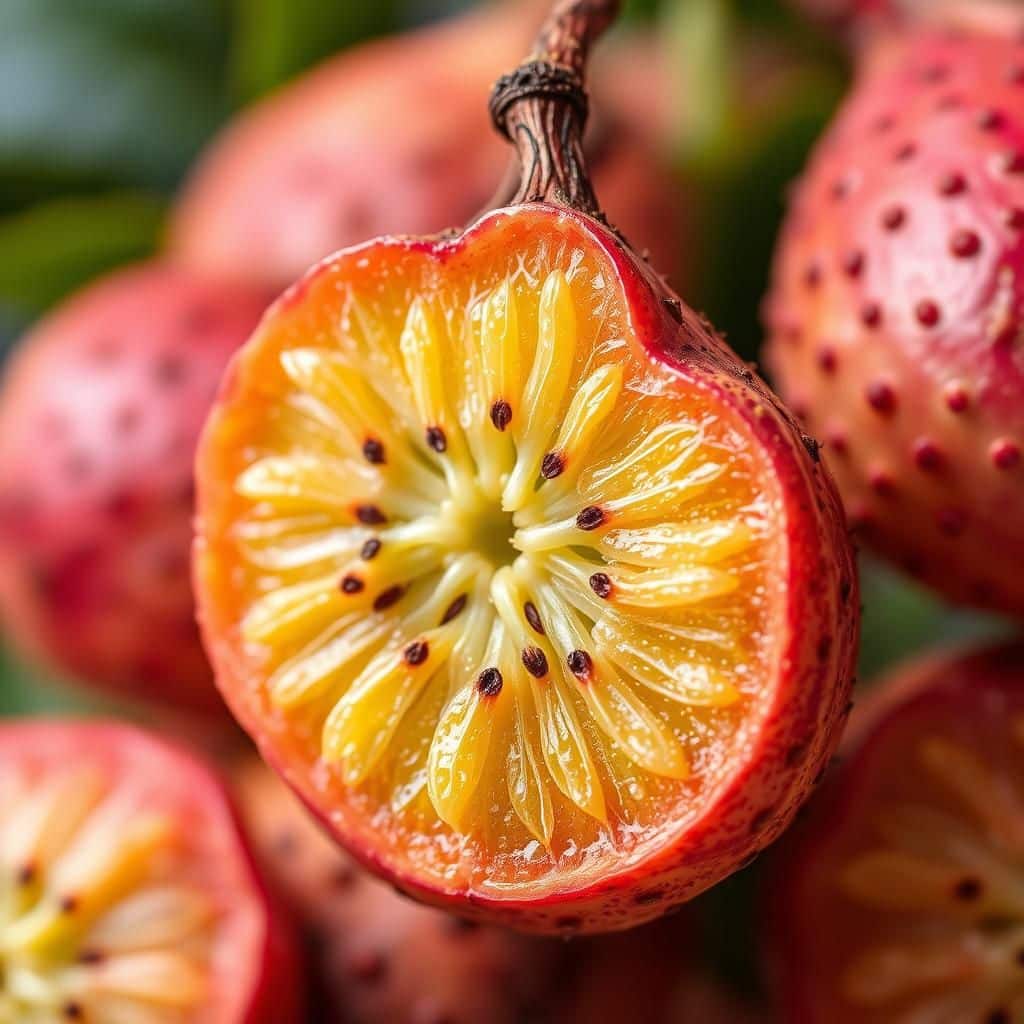
When it comes to the natural world, few things capture the imagination quite like fruit. From vibrant colors to unique shapes, fruits are not only essential to our diets but also serve as nature's artwork. In this article, we embark on a delightful journey to discover the prettiest fruits in the world. We’ll explore stunning varieties that dazzle the eye and tantalize the taste buds, showcasing how biodiversity has created some of the most visually striking produce on the planet. Join us as we uncover the secrets behind these edible treasures that celebrate the beauty of nature.
What Makes a Fruit the Prettiest in the World?
The concept of the prettiest fruit in the world can vary dramatically based on cultural perceptions, personal preferences, and the whimsical beauty of nature. Fruits like the dragon fruit, with its vibrant pink and green exterior, or the exotic lychee, displaying a rough exterior yet a jewel-like interior, often come to mind when considering beauty. Other contenders include the opulent persimmon, with its bright orange color, and the visually striking blood orange, which surprises with its rich, crimson flesh. Ultimately, the prettiest fruit can evoke a sense of joy, invite exploration, and reflect the diversity in nature's palette.
Examples of Beautiful Fruits
Some fruits are widely recognized for their aesthetic appeal. The dragon fruit, with its bright pink skin and green-tipped scales, instantly captivates anyone who sees it. The kiwi is another fruit that's visually stunning with its vibrant green flesh peppered with tiny black seeds, often surprising eaters with its unique flavor. Meanwhile, rambutan, resembling a hairy lychee, adds an exotic twist to beauty with its wild appearance. Each of these fruits not only pleases the eye but also delivers distinctive flavors that enhance their allure.
Color and Texture in Fruits
When discussing what makes a fruit pretty, color and texture are paramount. Vibrant colors attract attention, and many fruits boast stunning shades like the sunny yellow of a ripe mango or the deep purples of a black currant. Additionally, the texture plays a crucial role; the smooth, shiny skin of an apple can be just as appealing as the fuzzy surface of a peach. Together, these characteristics contribute to the overall beauty of the fruit, creating a feast for the senses.
Cultural Significance of Fruits
In many cultures, certain fruits hold significant symbolism and beauty. For instance, the pomegranate is often associated with fertility and abundance, its jewel-like seeds representing prosperity. Similarly, in many Asian cultures, fruits like the lychee and longan are prized not just for their taste, but also for their representation of good fortune. This blend of aesthetic and symbolic significance enhances the perception of what makes a fruit pretty.
Fruit Presentation and Arrangements
The art of arranging fruits can also highlight their beauty. Fruit platters and bouquets showcase their colors and shapes, making even simple fruits like bananas and strawberries look appealing when combined thoughtfully. Events like weddings and parties often feature these arrangements to celebrate the fruits' natural beauty. Moreover, displaying fruits in creative ways can enhance their visual appeal, prompting the appreciation of their intricate details.
Health Benefits that Accentuate Beauty
The beauty of fruits is not only skin deep; many of the visually striking fruits come packed with nutrients that contribute to overall health. For example, berries, which are often celebrated for their vibrant colors, are rich in antioxidants, while citrus fruits boast bright colors and are known for their vitamin C content. This duality of beauty and health enhances our attraction to these fruits, as we are drawn to foods that are not only pretty to look at but also beneficial for our well-being.
| Fruit | Color | Texture | Symbolism |
|---|---|---|---|
| Dragon Fruit | Pink and Green | Scaly | Exoticism |
| Kiwi | Green | Fuzzy | Sweetness |
| Pomegranate | Red | Textured | Fertility |
| Lychee | Red | Rough | Good Luck |
| Citrus Fruits | Orange and Yellow | Smooth | Health |
The Aesthetic Appeal of Nature's Bountiful Fruits
The world is home to a wide variety of fruits that not only tantalize our taste buds but also capture our visual senses with their stunning colors, shapes, and textures. Whether it's the vibrant flesh of a dragon fruit or the exotic appearance of a starfruit, each fruit offers a unique contribution to the canvas of nature. The allure of these fruits often leads to an appreciation that goes beyond mere nutrition; they inspire art, design, and even gastronomy. Exploring the prettiest fruits provides insight into biodiversity and highlights the intricate beauty of our planet, showcasing how nature's palette can evoke a sense of wonder and awe.
Colorful Wonders: The Role of Vibrancy in Fruits
Fruits are celebrated for their vibrant colors, which can signify both ripeness and nutritional value. The rich reds of strawberries, the deep purples of plums, and the bright oranges of tangerines not only attract consumers but also signal the presence of important antioxidants and vitamins. The variety in colors creates a beautiful spectrum, encouraging a diverse diet that is both aesthetic and healthy.
Unique Shapes: Nature's Artistry in Fruit Form
The shapes of fruits are as varied as their colors, showcasing nature’s artistic capability. For instance, the perfectly round apples and oblong bananas contrast beautifully with the star-shaped cuts of kiwifruit and the quirky forms of citrus fruits. These unique shapes add an extra layer of visual appeal, making them not only delightful to eat but also stunning to display or photograph.
Textures that Tempt: The Sensory Experience of Exotic Fruits
Fruits come with an expansive range of textures that enhance their aesthetic appeal. Smooth-skinned peaches contrast with the rough exterior of pineapples, while the slippery surface of a grapefruit can awaken the senses. These contrasting textures play a crucial role in how we interact with the fruits, inviting us to explore their interiors and discover new flavors and experiences.
The Significance of Cultural Representation Through Fruits
Fruits hold considerable cultural significance around the world, often representing fertility, prosperity, and abundance. In many cultures, fruits are used in festivals, rituals, and art, symbolizing the beauty and bounty of nature. From the cherry blossoms in Japan to the pomegranate in Middle Eastern traditions, the aesthetic aspects of fruits intertwine deeply with cultural heritage, enriching the human experience.
Environmental Factors: The Influence of Climate on Fruit Beauty
The environmental conditions in which fruits grow greatly influence their beauty and complexity. Factors such as soil quality, climate, and pollination affect not only the color and size of fruits but also their overall appearance. Regions with optimal conditions, such as tropical climates or rich volcanic soils, produce fruits that are more vibrant and visually striking, showcasing the intricate relationship between the ecosystem and its produce.
Questions from Our Readers
What is considered the prettiest fruit in the world?
The title of the prettiest fruit often goes to the dragon fruit due to its vibrant colors and unusual appearance. Its bright pink or yellow skin, combined with green scales, creates a striking visual that captivates many. However, beauty is subjective, and fruits like the passion fruit and rambutan can also be contenders depending on personal taste.
Are there any fruits that are commonly overrated in terms of beauty?
Yes, some fruits, such as the apple and banana, are often viewed as more ordinary and may be considered overrated when it comes to beauty. While they have their own charm, they tend to lack the exotic appeal that fruits like the mangosteen or kiwi possess, which are often celebrated for their unique and alluring looks.
Which fruit is the most colorful?
The rainbow fruit, a term sometimes used to describe an assortment of fruits, can be considered the most colorful collection. However, individual fruits like the starfruit and dragon fruit stand out for their bright hues and diverse color palettes. These fruits not only appeal to the eye but also offer a feast of flavors.
Are there any cultural significances associated with beautiful fruits?
Yes, many cultures attach significance to beautiful fruits. For example, the pomegranate is often seen as a symbol of fertility and prosperity in various cultures, while in other traditions, the cherry blossom fruit represents the beauty of life. The aesthetic appeal of these fruits often extends beyond their appearance, linking them to traditions and celebrations.
See also:
If you want to read more articles like What is the prettiest fruit in the world? Discover Nature's Most Beautiful Fruits!, we recommend you check out our Fruits category.
Leave a Reply