What are banana peels good for in the garden? Discover Their Benefits for Your Plants!
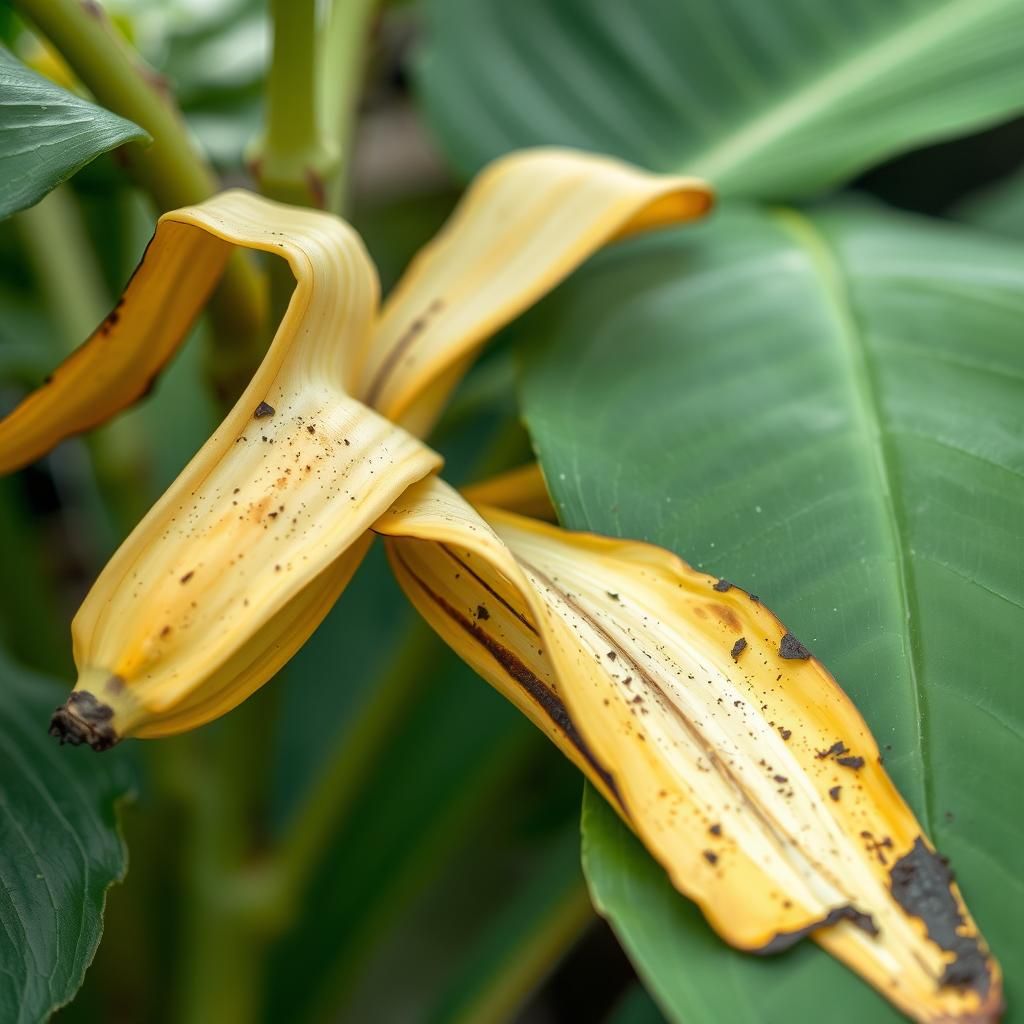
Banana peels are often discarded as kitchen waste, but their benefits for gardening are remarkable. Rich in essential nutrients like potassium, phosphorus, and calcium, banana peels can enhance soil quality and promote healthy plant growth. When composted or used directly in the garden, they contribute to nutrient-rich organic matter, attracting beneficial microorganisms that improve soil structure. Additionally, banana peels can help deter pests and provide a natural source of potassium, which is crucial for flowering and fruiting plants. Discover how incorporating banana peels into your gardening routine can lead to thriving plants and a flourishing garden.
Benefits of Banana Peels in the Garden
Banana peels are highly beneficial for gardens due to their rich nutrient content, especially potassium, phosphorus, and calcium, which are essential for healthy plant growth. When buried in the soil or placed at the base of plants, banana peels decompose and release these nutrients, promoting flowering, fruiting, and overall plant vigor. Additionally, they help improve soil structure by introducing organic matter, attracting beneficial organisms such as earthworms, and enhancing moisture retention. Furthermore, banana peels can deter certain pests, making them a versatile and cost-effective resource for gardeners seeking to nourish their plants naturally.
Nutrient Content of Banana Peels
Banana peels are packed with key nutrients that are advantageous for plant health. They contain high levels of potassium, which is crucial for flowering and fruiting, as well as calcium that supports cell wall strength and soil structure. The presence of phosphorus aids in root development, enabling plants to absorb nutrients more effectively. This nutrient combination makes banana peels an excellent organic fertilizer.
How to Use Banana Peels in the Garden
To use banana peels effectively, gardeners can slice them and bury them directly in the soil around the roots of plants, or add them to compost piles to enrich the compost with essential nutrients. Some gardeners choose to make a banana peel tea by soaking the peels in water for a few days and then using the liquid to water plants. This method allows for quick nutrient absorption.
Attracting Beneficial Organisms
Banana peels can attract beneficial organisms, such as earthworms, which play a critical role in maintaining healthy soil. These organisms help aerate the soil, promote microbial activity, and enhance nutrient availability. By incorporating banana peels into the garden, you're creating an inviting environment that supports a diverse ecosystem crucial for robust plant health.
See also:
Repelling Pests with Banana Peels
Another advantage of using banana peels is their ability to repel certain garden pests. The scent of the peels can deter insects like aphids and fruit flies, making them a natural pesticide alternative. Placing peels around plants can act as a barrier, reducing the risk of infestation and protecting vulnerable crops.
Improving Soil Quality
Using banana peels in the garden can significantly improve soil quality over time. As they break down, they contribute organic matter, which enhances soil structure, promotes better drainage, and increases moisture retention. Healthy soil creates an optimal environment for plant roots to thrive, leading to more productive gardens.
| Nutrient | Benefit |
|---|---|
| Potassium | Enhances flowering and fruiting |
| Calcium | Strengthens cell walls and improves soil structure |
| Phosphorus | Supports root development |
The Nutrient-Rich Role of Banana Peels in Soil Health
Banana peels are invaluable to garden health, serving as a natural source of essential nutrients like potassium, phosphorus, and calcium. When added to compost or directly to the soil, they break down and release these nutrients, which are crucial for plant growth and flower development. The potassium found in banana peels promotes strong cell function, enhances water retention, and helps plants resist diseases, making them not only beneficial but also eco-friendly as a fertilizer alternative.
Enhancing Soil Fertility
Banana peels contribute significantly to enhancing soil fertility by providing organic matter that enriches the soil's structure. As they decompose, they add humus, which improves the soil's ability to retain moisture and nutrients. This organic matter also fosters beneficial microbial activity, which is vital for soil health, promoting a thriving ecosystem for your plants.
Repelling Pests Naturally
Using banana peels in the garden can also help in repelling pests. The peels contain compounds that deter certain insects, such as aphids and spider mites. When placed around the base of plants, they act as a natural barrier, making your garden more resilient against these invaders, which aids in maintaining a healthier growing environment for your crops.
See also:
Attracting Beneficial Insects
The nutrients released from composting banana peels can attract beneficial insects like ladybugs and lacewings, known for their pest control capabilities. By incorporating banana peels into your garden, you can create a more inviting habitat for these helpful insects, which can ultimately lead to a reduction in pest populations and increase the overall health of your plants.
Improving Plant Growth
Banana peels are rich in potassium, which is crucial for promoting strong root development and overall plant growth. Adequate potassium levels help plants to efficiently utilize water and nutrients, leading to healthier, more vigorous plants. This improved growth can also enhance fruit yield and size, making banana peels a simple yet effective way to boost your garden's output.
Composting Banana Peels
Composting banana peels is an excellent way to recycle kitchen waste while simultaneously benefiting your garden. As they break down, banana peels add nitrogen, phosphorus, and potassium to the compost mix, which fortifies the final product. This nutrient-dense compost not only improves the soil quality but also helps in creating a sustainable garden environment, supporting the health of plants for seasons to come.
Questions from Our Readers
What are the benefits of using banana peels in the garden?
Using banana peels in the garden can provide several benefits as they are rich in nutrients. They contain high levels of potassium, phosphorus, and calcium, which are essential for plant growth. By incorporating them into the soil or using them as a mulch, you can enhance the nutrient content and overall health of your plants.
How can I effectively use banana peels in my garden?
There are multiple ways to use banana peels in your garden, including composting, burying them directly in the soil, or cutting them into small pieces and mixing them with the soil. This will help to decompose slowly, releasing valuable nutrients over time, which can be especially beneficial for vegetables and flowering plants.
See also:
Do banana peels attract pests in the garden?
While banana peels can attract some pests, like fruit flies or ants, using them wisely can minimize this risk. Keeping the area clean and avoiding excess moisture can help prevent pest infestations. Additionally, incorporating them into the soil rather than leaving them exposed can help mitigate potential issues with unwanted pests.
Can banana peels help with plant diseases?
Banana peels can potentially help with certain plant diseases due to their high nutrient content that promotes strong growth and better resilience against diseases. While they might not cure existing issues, using banana peels as part of your garden care routine can help enhance the overall health and vigor of your plants, making them less susceptible to diseases.

If you want to read more articles like What are banana peels good for in the garden? Discover Their Benefits for Your Plants!, we recommend you check out our Compost category.
Leave a Reply
Related Articles