What are the Longest Blooming Perennials? Discover Stunning Options for Your Garden
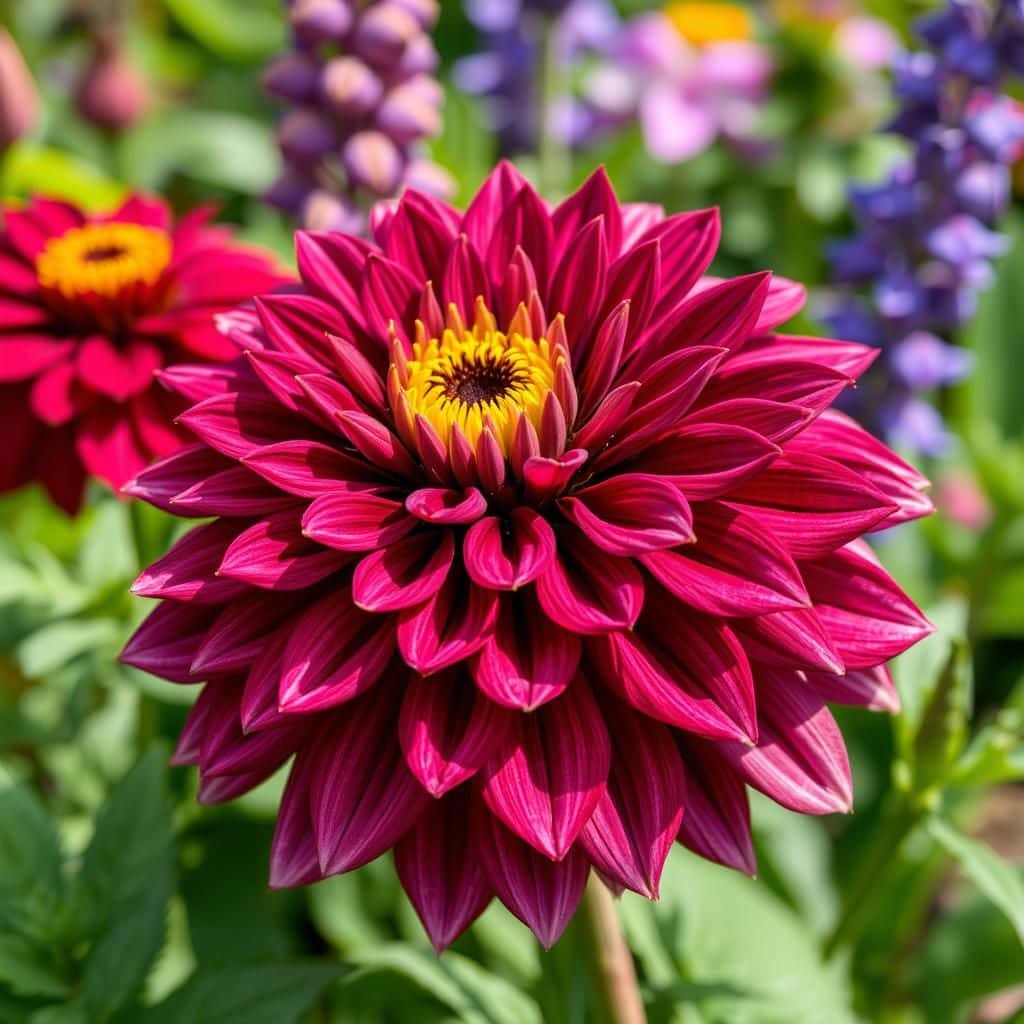
When planning a garden, selecting the right perennials can significantly enhance your landscape throughout the seasons. Long-blooming perennials offer a stunning display of color and texture, keeping your garden vibrant and lively for extended periods. These hardy plants not only add beauty but also provide essential habitat for pollinators and wildlife. In this article, we will explore some of the longest blooming perennials available, highlighting their unique features and care requirements. Whether you’re an experienced gardener or a novice enthusiast, discover exciting options that will bring joy and allure to your outdoor space year after year.
What Are the Longest Blooming Perennials?
The longest blooming perennials are a valuable addition to any garden, providing a vibrant display of color and life throughout the growing season. These plants typically flower for an extended period, often beginning in late spring and continuing well into fall. Varieties such as daylilies, salvia, and catmint are known for their hardiness and prolonged blooming cycles. By incorporating these perennials into your landscape, you can create a stunning and dynamic garden that changes with the seasons while minimizing the need for frequent replanting.
Characteristics of Long-Blooming Perennials
Long-blooming perennials share common characteristics that make them stand out in gardens. They are often bred for extended flowering periods, allowing them to produce blooms over several months. Additionally, many of these plants are drought-tolerant and resilient, thriving in various soil types and conditions. Their adaptability, paired with low-maintenance requirements, makes them ideal choices for both novice and experienced gardeners looking to enhance the beauty of their outdoor spaces.
Popular Long-Blooming Perennials
Some of the most popular long-blooming perennials include coreopsis, echinacea, lavender, and astilbe. Coreopsis, also known as tickseed, can bloom continuously from late spring to early fall, while echinacea offers beautiful daisies that attract pollinators and typically bloom for several months. Lavender not only brings fragrant blooms but also has a long flowering period, while astilbe showcases stunning foliage and vibrant flower spikes throughout the summer, making them favorites among gardeners.
Growing Conditions for Long-Blooming Perennials
To ensure that long-blooming perennials thrive, it's essential to understand their growing conditions. Most of these plants prefer full sun to partial shade, though specific light requirements can vary between species. Additionally, well-draining soil with adequate moisture is crucial for their success. Regular deadheading and fertilization can also help extend flowering periods by encouraging new blooms, while maintaining proper spacing allows for air circulation and fosters healthy growth.
Caring for Long-Blooming Perennials
Caring for long-blooming perennials involves several essential practices to keep them healthy and vibrant. Regular watering during dry spells, mulching to retain moisture, and applying a balanced fertilizer in early spring can promote strong growth and abundant blooms. Additionally, it's vital to monitor for pests and diseases, as early intervention can prevent potential damage to these beloved garden staples. Pruning after flowering helps maintain their shape and encourages a fresh flush of growth.
Benefits of Long-Blooming Perennials
The benefits of incorporating long-blooming perennials into your garden are numerous. They provide continuous color and interest, which can enhance the overall aesthetics of your landscape. Long-blooming varieties also attract beneficial insects such as bees and butterflies, promoting biodiversity. Furthermore, these resilient plants often require less maintenance compared to annuals, providing a sustainable and eco-friendly option for garden enthusiasts looking to reduce their environmental impact.
| Perennial Name | Blooming Period | Sun Requirements |
|---|---|---|
| Coreopsis | Late Spring - Early Fall | Full Sun |
| Echinacea | Summer - Early Fall | Full Sun |
| Lavender | Summer | Full Sun |
| Astilbe | Summer | Partial Shade |
| Salvia | Spring - Fall | Full Sun |
Is there a perennial that blooms all summer?
:strip_icc()/butterfly-blue-pincushion-flower-46da3f9c-9e533a05d050410d8a87de6049cf6839.jpg)
Yes, there are several perennials that bloom all summer, providing continuous color and beauty to gardens. One popular choice is the countless varieties of daylilies (Hemerocallis). These hardy plants are known for their vibrant blooms and ability to thrive in various conditions. Many daylilies bloom from early summer to late summer, ensuring that they provide flowers throughout this season. Additionally, their tolerance to heat and adaptability to diverse soil types make them a favorite among gardeners.
Another excellent option is the delphinium, which can produce flowers from late spring into summer with the right care. They are known for their tall, striking spikes of flowers in shades of blue, purple, and white. Many gardeners enjoy planting delphiniums in clusters for a dramatic and colorful display.
Furthermore, echinacea (coneflowers) also bloom from late spring through the summer, attracting butterflies and beneficial pollinators while adding a lovely rustic charm to gardens. These perennials are hardy and require minimal maintenance, making them an ideal choice for a summer garden.
See also:
Benefits of Summer-Blooming Perennials
Summer-blooming perennials offer numerous benefits to gardeners seeking to maintain a vibrant landscape throughout the warmer months. These benefits include:
- Continuous Color: Unlike annuals that only bloom for one season, these perennials provide sustained color and interest in a garden.
- Low Maintenance: Many perennial plants require less maintenance compared to annuals, making them a practical option for busy gardeners.
- Wildlife Support: Flowers from summer-blooming perennials attract various pollinators, including bees and butterflies, contributing to a healthy ecosystem.
Popular Summer-Blooming Perennials
Various perennials can provide vivid blooms all summer long. Here’s a list of some of the most popular ones:
- Daylilies: These come in numerous colors and forms, ensuring a stunning display.
- Black-eyed Susan (Rudbeckia): Bright yellow flowers that bloom for weeks and are resistant to drought.
- Catmint (Nepeta): Offers beautiful lavender-blue flowers and aromatic foliage, attracting bees.
Caring for Summer-Blooming Perennials
Proper care is vital for ensuring that summer-blooming perennials thrive in your garden. Key aspects of care include:
- Watering: Regular watering is essential, particularly during dry spells, to help establish roots and promote blooming.
- Fertilization: Applying a balanced fertilizer can help support healthy growth and abundant flowering throughout the season.
- Deadheading: Removing spent blooms encourages additional flowering and keeps the plants looking tidy.
Designing a Summer Garden with Perennials
Incorporating summer-blooming perennials into garden design can enhance visual interest. Consider these design tips:
- Color Coordination: Choose perennials in complementary colors for a harmonious look.
- Height Variations: Layer plants by height to create a dynamic and appealing landscape.
- Seasonal Sequencing: Select varieties that extend bloom times to ensure continuous color from early summer to fall.
Challenges in Growing Summer-Blooming Perennials
While growing summer-bloomers, gardeners may encounter various challenges. Awareness of these issues is crucial:
- Pests and Diseases: Be vigilant against common pests and diseases that may affect perennial health.
- Soil Quality: Poor soil can hinder growth; consider amending soil with organic matter.
- Sun Exposure: Ensure the chosen perennials are suited to the sunlight conditions available in your garden.
Which perennial has the longest bloom time?
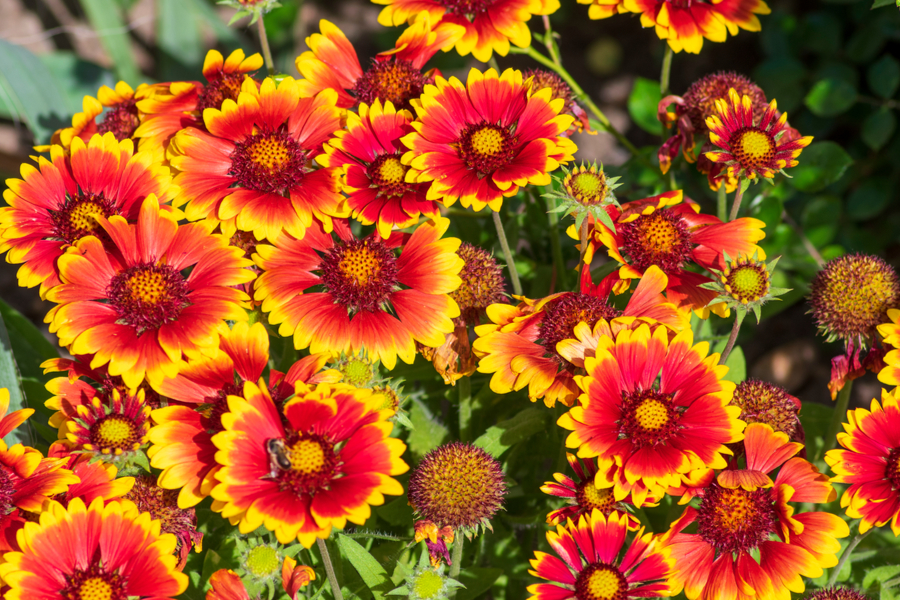
The perennial with the longest bloom time is typically the 'Daylily' (Hemerocallis). Daylilies can provide spectacular flowers that bloom throughout the summer months, often for six weeks to three months, depending on the variety and growing conditions. In some cases, with the right care and conditions, they can even bloom continuously from early spring to late fall, especially if different varieties are planted that flower at different times.
Factors Affecting Bloom Time
The bloom time of perennials can be influenced by several factors, including:
- Climate: Growing conditions including temperature and humidity can significantly impact bloom duration.
- Soil Quality: Well-nourished soil helps in promoting longer and healthier blooms.
- Watering Practices: Consistent watering without flooding helps in sustaining bloom longevity.
Other Long-Blooming Perennials
Besides Daylilies, several other perennials are known for their extended blooming periods:
- Coreopsis: Known for vibrant yellow blooms, Coreopsis can flower from late spring through fall.
- Geranium: Hardy geraniums can offer blooms from late spring to early fall with proper care.
- Russian Sage: With its long-lasting purple flowers, Russian sage typically blooms from mid-summer until fall.
Optimal Care for Long-Lasting Blooms
To ensure the longest possible bloom time for your perennials, focus on:
- Fertilization: Use balanced fertilizers to promote healthy growth and flowering.
- Pruning: Deadheading spent flowers helps encourage further blooming in many varieties.
- Pest Management: Protecting plants from pests will sustain their ability to bloom continuously.
Best Companion Plants
Pairing your long-blooming perennials with appropriate companion plants can enhance your garden aesthetics:
See also:
- Salvia: These herbs can complement the color and height of blooming perennials.
- Catmint: Its aromatic leaves and long bloom time can work well alongside Daylilies.
- Astilbe: They provide contrasting colors and textures while blooming at different times.
Growing Conditions for Optimal Blooms
Creating an amicable environment for perennials ensures extended bloom duration:
- Sun Exposure: Most long-blooming perennials thrive in full sun; ensure they get 6-8 hours of sunlight.
- Soil Drainage: Well-drained soil prevents root rot and encourages healthy blooms.
- Mulching: Applying mulch retains moisture and suppresses weeds, which can hinder growth.
What is a flower that blooms all summer long?
:max_bytes(150000):strip_icc()/annual-flowers-bloom-all-summer-long-dahlia-getty-0523-663221fdec104732b34e0e019905f2ff.jpg)
One popular flower that blooms all summer long is the Zinnia. Known for its vibrant colors and ability to thrive in diverse conditions, Zinnias are a favorite among gardeners looking for long-lasting blooms throughout the warmer months. They are relatively easy to grow and can continue to produce flowers from early summer until the first frost in the fall, making them a versatile choice for garden beds, borders, and containers.
Characteristics of Zinnias
Zinnias are known for their unique features that attract both gardeners and pollinators alike.
- Variety of Colors: Zinnias come in a spectrum of colors such as red, pink, orange, yellow, and white.
- Shape and Size: They have a daisy-like structure with a variety of sizes, ranging from dwarf species to tall varieties.
- Attracts Pollinators: Their bright colors and open shape make them ideal for attracting bees and butterflies.
Growing Conditions for Zinnias
Understanding the ideal growing conditions for Zinnias can significantly impact their growth and blooming phase.
- Sunlight: Zinnias thrive in full sun, requiring at least 6 to 8 hours of direct sunlight each day.
- Soil Requirements: They prefer well-draining soil rich in organic matter.
- Watering Needs: Zinnias require moderate watering and should be allowed to dry out slightly between waterings to avoid root rot.
Care Tips for Zinnias
Proper care can extend the blooming period and enhance the overall health of Zinnias.
- Deadheading: Regularly removing spent flowers encourages more blooms and a longer flowering season.
- Fertilization: A balanced fertilizer can be applied every few weeks to support growth.
- Pest Management: Keeping an eye out for pests like aphids and spider mites is important to maintain plant health.
Varieties of Zinnias
There are several varieties of Zinnias, each with unique characteristics and growth habits.
- Profusion Zinnias: Known for their compact size and disease resistance, perfect for garden borders.
- State Fair Zinnias: These are taller with large blooms, great for cut flower arrangements.
- Short-Stemmed Zinnias: Ideal for container gardening and smaller garden spaces.
Uses of Zinnias in Gardens
Zinnias can be utilized in various ways in garden design and planning.
- Cut Flowers: They are excellent for bouquets thanks to their long stems and vibrant colors.
- Border Planting: Zinnias can create colorful borders and add depth to flower beds.
- Pollinator Gardens: Planting Zinnias supports biodiversity by attracting essential pollinators.
Questions from Our Readers
What are the longest blooming perennials?
The longest blooming perennials are plants that continuously produce flowers for an extended period, often from spring through fall. Examples include Echinacea (Coneflower), Lavandula (Lavender), and Rudbeckia (Black-eyed Susan), which can provide color and interest in the garden for many months.
How do I care for long blooming perennials?
Caring for long blooming perennials involves providing them with adequate sunlight, well-drained soil, and regular watering. Additionally, deadheading spent flowers and applying mulch can help prolong their blooming periods and keep the plants healthy.
Can long blooming perennials attract pollinators?
Yes, many long blooming perennials are excellent for attracting pollinators such as bees, butterflies, and hummingbirds. Plants like Monarda (Bee Balm) and Nepeta (Catmint) not only bloom for extended periods but also provide vital nectar and pollen for these beneficial insects.
See also:
Where should I plant long blooming perennials?
Long blooming perennials should be planted in a location that receives full sun to partial shade, depending on the specific needs of the species. Ensure they have space to grow and are not crowded, which can hinder their blooming ability and overall health.

If you want to read more articles like What are the Longest Blooming Perennials? Discover Stunning Options for Your Garden, we recommend you check out our Perennials category.
Leave a Reply
Related Articles