Will Coneflowers Bloom Twice? Discover the Secrets to Extending Their Flowering Season

Coneflowers, known for their vibrant petals and hardy nature, are a favorite among garden enthusiasts. One of the most commonly asked questions is whether these stunning flowers can bloom twice in a season. Understanding the factors that influence their flowering will not only enhance your gardening experience but also extend the beauty of your garden. In this article, we will unveil the secrets to maximizing the blooming potential of coneflowers, from proper care techniques to ideal growing conditions. Join us as we explore the exciting possibilities of enjoying cascading hues of coneflowers throughout the growing season.
Will Coneflowers Bloom Twice?
Coneflowers, particularly the Echinacea species, are known for their vibrant colors and resilience. Typically, they exhibit a single blooming period during the summer, although with proper care and environmental conditions, it is possible for them to bloom twice in a growing season. Factors such as deadheading, which involves removing spent flowers, can encourage a second round of blooms by promoting new growth and preventing the plant from focusing its energy on seed production. Additionally, success can be influenced by the climate, soil conditions, and overall maintenance, including adequate watering and fertilization.
Understanding Coneflower Lifecycles
The lifecycle of coneflowers usually consists of a germination, growth, and blooming phase. These perennials typically bloom from mid-summer to fall, depending on the variety and climate. Each blooming cycle can last several weeks, but after the initial flowers fade, they may not rebloom unless specific care methods, such as deadheading, are implemented. Knowing the stages in their lifecycle helps gardeners identify optimal care routines to potentially achieve that rewarding second bloom.
The Role of Deadheading
Deadheading, or the practice of removing wilted flowers, plays a crucial role in encouraging a second bloom. By cutting back the flowers before they produce seeds, gardeners can redirect the plant's energy into producing new buds instead of focusing on seed development. This practice not only leads to a more vibrant garden but also prolongs the plant's flowering period throughout the season.
Climate and Regional Factors
The blooming potential of coneflowers can vary significantly based on climate and regional factors. In warmer climates, coneflowers may have longer growing seasons, allowing for a possible second bloom if conditions are favorable. Conversely, in cooler regions with shorter growing seasons, the plants may not have enough time to produce additional blooms. Understanding local conditions can help gardeners tailor their care to maximize blooming opportunities.
Soil and Nutrient Requirements
Healthy soil and adequate nutrients are essential for the thriving of coneflowers. The plants prefer well-draining soil with a neutral to slightly acidic pH. Implementing a consistent fertilization schedule during the growing season can enhance flowering and increase the likelihood of reblooming. Nutrients such as nitrogen, phosphorus, and potassium play essential roles in promoting healthy growth and vibrant blooms.
Watering Practices for Optimal Blooming
Effective watering practices significantly impact the blooming potential of coneflowers. While they are drought-tolerant once established, maintaining adequate moisture during the blooming period can stimulate further flowering. Watering deeply but infrequently encourages the roots to grow deeper, thus improving resilience and promoting more blooms. During particularly dry spells, it is essential to monitor moisture levels to ensure the plants do not become stressed.
| Factor | Impact |
|---|---|
| Deadheading | Encourages reblooming |
| Climate | Affects growing season length |
| Soil Quality | Influences plant health |
| Nutrient Availability | Aids blooming process |
| Watering | Supports root growth and viability |
How to make coneflowers rebloom?
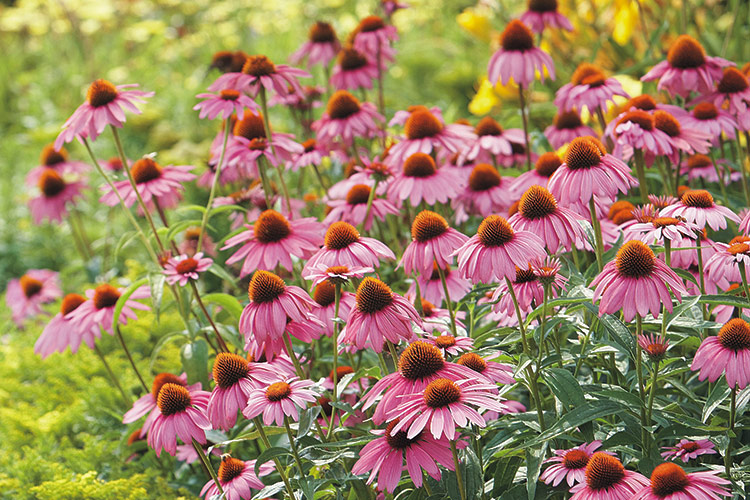
To encourage coneflowers (Echinacea) to rebloom, you can follow several gardening techniques that enhance their growth and flowering capacity. Here are some steps to consider:
1. Deadheading: Regularly removing spent flowers can promote a second bloom.
See also:
2. Fertilization: A balanced fertilizer can provide necessary nutrients to support regrowth.
3. Pruning: Cutting back the plants after the first bloom encourages new growth.
4. Proper Watering: Adequate watering during dry spells is essential for continued blooming.
5. Pest Management: Keeping an eye on pests ensures that the plants remain healthy and strong.
Deadheading for Continuous Blooms
Deadheading involves removing the faded blooms from your coneflowers. This practice encourages the plant to focus its energy on producing new flowers instead of seed production. Here’s how to effectively deadhead your coneflowers:
- Identify the spent flowers: Look for flowers that are wilting or turning brown.
- Use clean pruning shears: Ensure your tools are sanitized to prevent disease.
- Cut just above the leaves: Make a clean cut to promote healthy new growth.
Choosing the Right Fertilizer
Applying the right fertilizer can significantly help coneflowers regain their vigor after blooming. A balanced fertilizer—those with equal parts nitrogen, phosphorus, and potassium—is recommended. Here’s how to choose and apply it:
- Select a slow-release fertilizer: This will provide nutrients over an extended period.
- Follow the instructions: Apply according to the recommended dosage for best results.
- Consider organic options: Compost or well-rotted manure can also be beneficial.
Pruning Techniques for Healthy Growth
After the first wave of blooms has faded, pruning can stimulate fresh growth and blooms. This involves cutting back the plant to encourage new shoots. Here’s the process:
- Wait until blooming slows down: This is usually late summer.
- Cut back the stems: Trim to about 6-8 inches above ground level.
- Clear around the base: Remove any dead foliage or debris to promote air circulation.
Watering Regime for Optimal Growth
Proper watering ensures that coneflowers have enough moisture, especially during dry spells, which can affect their ability to rebloom. Consider these tips:
- Water deeply: Ensure you soak the roots rather than surface-level watering.
- Check soil moisture regularly: Water when the top inch of soil feels dry to the touch.
- Avoid overwatering: Too much water can lead to root rot and other issues.
Pest Management Strategies
Keeping pests at bay is crucial for the health of your coneflowers. Some common pests include aphids and spider mites which can hinder blooming. Here are strategies for effective pest management:
- Inspect regularly: Look for signs of pest infestations on leaves and stems.
- Use natural pest control: Insecticidal soap or neem oil can effectively manage pests.
- Encourage beneficial insects: Ladybugs and lacewings can naturally control pest populations.
How many flowers will one coneflower plant produce?


A single coneflower plant (Echinacea) can produce anywhere from 5 to 30 flowers during its growing season, depending on various factors such as the species, growing conditions, and care provided. Some well-maintained plants may even exceed this range under optimal environmental conditions. Here are several aspects that can influence the flower yield of a coneflower plant.
Factors Influencing Flower Production
The number of flowers produced by a coneflower plant is affected by several key factors:
- Species Variation: Different species of coneflowers may have different blooming characteristics and flower counts.
- Growing Conditions: Light, soil quality, and moisture availability play a critical role in flower production.
- Plant Age: Younger plants may produce fewer flowers compared to more established specimens.
Optimal Growing Conditions
To maximize the floral output of a coneflower, certain growing conditions are ideal:
- Sunlight: Coneflowers thrive in full sunlight, ideally receiving 6 to 8 hours of direct sun daily.
- Soil Quality: Well-draining, nutrient-rich soil promotes healthy growth and blooming.
- Watering: Consistent but moderate watering encourages strong development without root rot.
Caring for Coneflowers
Proper maintenance can significantly boost the number of flowers produced:
- Fertilization: Using a balanced fertilizer can provide essential nutrients for optimal flowering.
- Deadheading: Regularly removing spent flowers encourages the plant to produce more blooms.
- Pest Management: Keeping an eye on pests can prevent damage that hinders flowering.
Seasonal Blooms
The blooming cycle of coneflowers varies by season and environmental factors:
- Spring Planting: Plants may start blooming by mid to late summer if planted in spring.
- Duration: Blooms typically last for several weeks, providing extended visual interest.
- Reblooming: Some varieties may rebloom if properly cared for and deadheaded.
Expected Lifespan and Productivity
The lifespan of a coneflower and its production capacity can vary:
- Longevity: Coneflowers can live for several years, with productivity generally peaking in the second or third year.
- Multiplying Plants: As plants mature, they may spread and produce more individual stems, each with multiple flowers.
- Environmental Stress: Stressed plants may drop in flower production, emphasizing the need for stable conditions.
Questions from Our Readers
Will coneflowers bloom twice in a single growing season?
Coneflowers, also known as Echinacea, typically bloom once during the growing season, but with the right conditions and proper care, they may produce a second bloom. Ensuring the plants are well-watered and deadheaded can encourage reblooming, especially in regions with longer warm seasons.
What factors influence the blooming of coneflowers?
Several factors affect the blooming of coneflowers, including sunlight, soil quality, and watering practices. Coneflowers thrive in full sun and well-draining soil, and consistent moisture without waterlogging can enhance their blooming potential.
How can I encourage my coneflowers to bloom again?
To encourage a second bloom, it’s essential to practice deadheading, which involves removing spent flowers to promote new growth. Additionally, providing adequate nutrients through fertilization and maintaining proper irrigation can significantly boost the chances of a rebloom.
Do coneflowers go dormant after blooming?
Yes, coneflowers may enter a dormant phase after their initial bloom. During this time, they conserve energy and prepare for the next growing cycle. While dormant, it's important to care for them adequately to ensure they return stronger for the next blooming season.
See also:

If you want to read more articles like Will Coneflowers Bloom Twice? Discover the Secrets to Extending Their Flowering Season, we recommend you check out our Perennials category.
Leave a Reply
Related Articles