Why Do Berries Go Bad? Understanding Spoilage and Tips to Extend Freshness

Berries are a vibrant and nutritious addition to our diets, but they have a notoriously short shelf life. Understanding why berries spoil so quickly is essential for minimizing waste and maximizing their freshness. Factors such as moisture, temperature, and exposure to air play significant roles in the degradation process. In this article, we will explore the science behind berry spoilage and offer practical tips to extend their freshness. By implementing these strategies, you can enjoy the sweet, tangy flavors of berries for a longer period, ensuring that every bite is just as delicious as the first.
Why Do Berries Go Bad?
Berries are delightful and nutritious fruits, but they are also highly perishable due to their high water content and delicate nature. The decomposition of berries can be attributed to a variety of factors, including microbial growth from bacteria and fungi, which thrive in the moist environments of berries. Exposure to oxygen, as well as fluctuations in temperature, further accelerates spoilage. Additionally, berries contain natural enzymes that can promote ripening and eventual decay after harvest. To prolong their freshness, it's important to handle them gently, store them in cool, dry places, and consume them before they reach the end of their shelf life.
The Role of Microorganisms in Spoilage
Microorganisms, such as bacteria and molds, play a significant role in the spoilage of berries. These organisms can rapidly multiply in the moist environments of berries, leading to the breakdown of cell structures and the development of off-flavors and odors. Common types of molds, such as Botrytis cinerea, can lead to the fuzzy appearance often seen on rotting berries, indicating they're no longer safe for consumption. Proper washing and refrigeration can help reduce the presence and growth of these harmful microorganisms.
Impact of Temperature on Berry Longevity
The temperature at which berries are stored significantly affects their shelf life. When kept at room temperature, berries can spoil within hours due to increased rates of respiration and enzyme activity. Refrigeration slows down these processes, allowing for extended freshness. However, it's crucial to store them in a breathable container to prevent moisture buildup, which can create an ideal environment for spoilage. Thus, controlling temperature is vital to prolonging the longevity of berries.
The Importance of Humidity in Preservation
Humidity levels can influence how quickly berries spoil. High humidity can lead to condensation, promoting the growth of mold and bacteria on the surface of berries, while low humidity can cause them to dry out and lose their quality. Maintaining an optimal humidity level, typically around 90%, is essential for keeping berries fresh. Using storage containers that allow for airflow can help balance moisture levels, ensuring the berries remain enjoyable for a longer period.
The Role of Enzymes in Ripening and Decay
Berries contain natural enzymes that facilitate the ripening process; however, these enzymes can also contribute to their decay once they reach maturity. After harvest, the continued activity of these enzymes causes berries to soften and eventually spoil. Factors such as temperature and exposure to light can increase enzyme activity, hastening the ripening and degrading of the fruit. Therefore, understanding enzyme activity can aid in developing methods to slow down spoilage.
Ripening Ethylene and Its Effects
Many fruits, including berries, produce a natural gas known as ethylene, which triggers the ripening process. As berries ripen and produce more ethylene, they become increasingly sensitive to spoilage, attracting pests and accelerating decay. To mitigate this effect, it's best to store berries away from ethylene-producing fruits like bananas and apples. Reducing exposure to this gas can help maintain the freshness of berries for a more extended period.
| Factor | Impact on Spoilage |
|---|---|
| Microorganisms | Accelerate decay and produce off-flavors |
| Temperature | Affects respiration rates and enzyme activity |
| Humidity | Influences mold growth and moisture loss |
| Enzyme Activity | Promotes ripening and subsequent decay |
| Ethylene Production | Speeds up the ripening process, increasing spoilage risk |
Why do berries go bad so quickly?
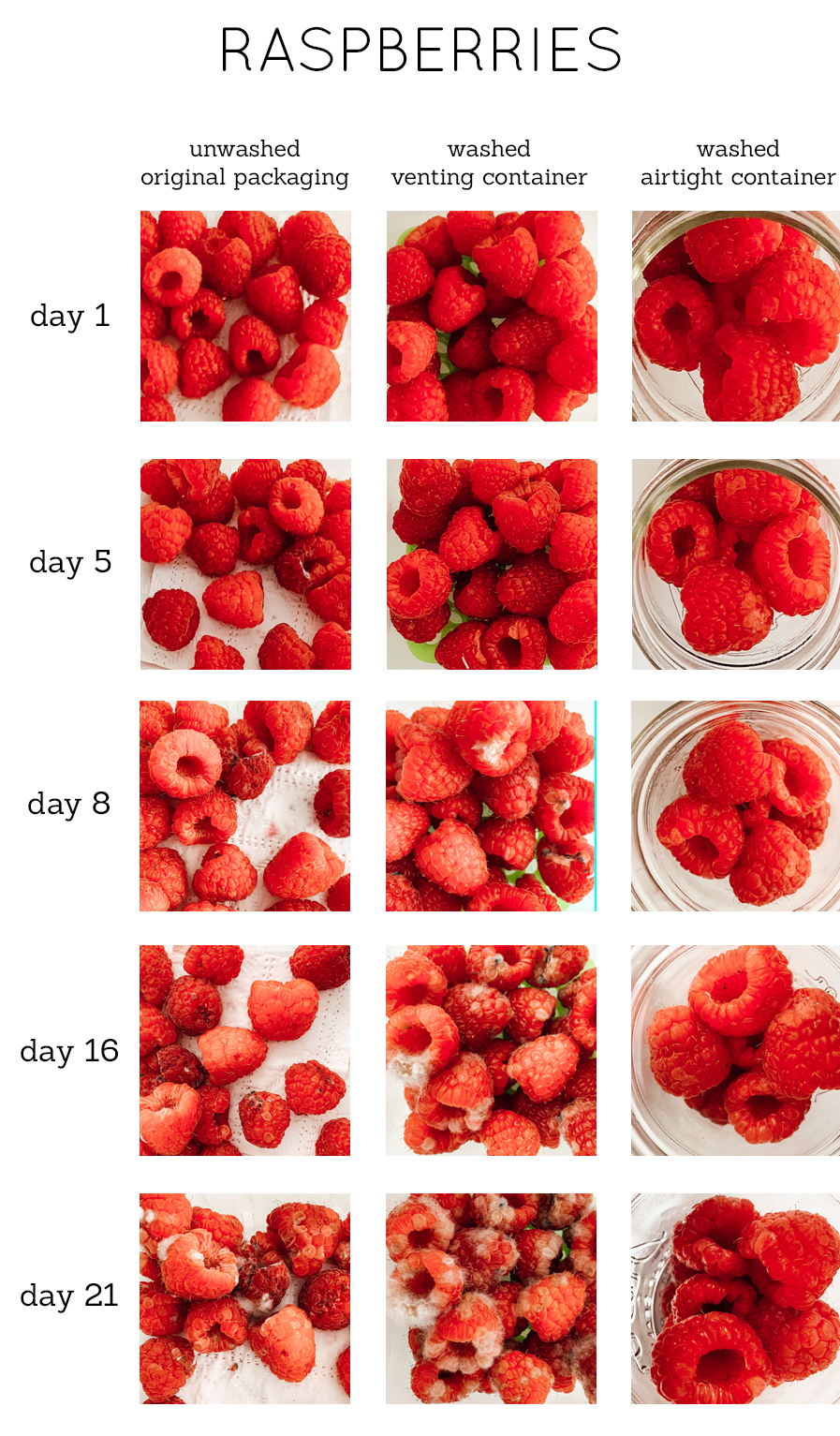
Berries, such as strawberries, blueberries, raspberries, and blackberries, have a relatively short shelf life compared to many other fruits. Understanding the factors that contribute to this rapid spoilage can help consumers manage their berry purchases and storage more effectively. The primary reasons are their high moisture content, susceptibility to mold and bacterial growth, along with their delicate structure and natural enzymes that promote decay.
High Moisture Content
Berries have a significant amount of water in their composition, which makes them susceptible to deterioration. The high levels of moisture create an environment perfect for microbial growth.
- Encourages mold growth: The humidity around berries can lead to the formation of mold.
- Increases spoilage rate: The moisture promotes quicker breakdown of the fruit.
- Harvesting impact: High moisture content can be accentuated when berries are washed improperly before storage.
Susceptibility to Mold and Bacteria
Due to their soft texture and high sugar content, berries are often host to various microorganisms. Mold and bacteria can colonize berries rapidly, especially when they are damaged.
- Surface bacteria: Berries' surfaces can harbor bacteria from the soil or handling, increasing spoilage risk.
- Mold spores: Airborne mold spores can easily settle on berries, especially if stored improperly.
- Temperature fluctuations: Changes in temperature can promote bacterial growth, affecting the berries' lifespan.
Delicate Structure
The skin of berries is thin and easily bruised, which compromises their structural integrity. Bruising exposes the inner fruit to air and potential contaminants.
- Physical damage: Even slight bruises can lead to faster deterioration.
- Reduced shelf life: Damaged berries lose moisture more quickly and become more prone to decay.
- Handling concerns: Over-handling during transport and storage can lead to damage and spoilage.
Naturally Occurring Enzymes
Berries contain natural enzymes that play a role in fruit ripening and ultimately spoilage. These enzymes can break down the fruit's cellular structure, hastening decay.
- Ethylene production: Berries release ethylene gas, which accelerates the ripening process.
- Enzyme activity: The action of enzymes can lead to softer texture and undesirable flavors as time progresses.
- Ripeness status: Ripe berries will spoil faster due to higher enzyme activity compared to unripe ones.
Storage Conditions
Proper storage conditions are crucial for prolonging the freshness of berries. Given their susceptibility to spoilage, how berries are stored can significantly impact their longevity.
- Refrigeration: Keeping berries cool can slow down spoilage, but not all berries benefit equally from refrigeration.
- Avoiding humidity: Storing berries in low-humidity environments can reduce mold growth.
- Air circulation: Using containers that allow airflow may help preserve berries by preventing moisture accumulation.
Is it bad to eat expired berries?
Eating expired berries can pose health risks depending on their condition and how long they have been past their expiration date. While some berries may still be safe to consume shortly after their expiration date, there are several factors to consider:
1. Mold Growth: Berries are prone to mold when they begin to spoil.
- Mold can lead to allergic reactions or respiratory issues.
- Some molds produce mycotoxins, which can be harmful if ingested.
- Visible mold can indicate that the berries have degraded and may contain harmful bacteria.
2. Bacterial Contamination: Expired berries can harbor bacteria.
- Berries can be contaminated with salmonella or E. coli, leading to food poisoning.
- Bacteria thrive in moist environments, and berries can easily become breeding grounds.
- Consumption can result in symptoms such as nausea, vomiting, and diarrhea.
3. Nutritional Value: The nutritional content may decrease after expiration.
- Vitamins such as C and A may diminish over time.
- Loss of antioxidants means reduced health benefits.
- Ripe berries often provide the best nutritional value, while expired ones may not.
4. Flavor and Texture: Expired berries are likely to have an altered taste.
- Berries may become mushy or overly sweet as they spoil.
- Flavor quality decreases, making them less enjoyable to eat.
- Texture changes can affect the overall culinary experience in dishes.
5. Storage Conditions: How berries are stored contributes to their longevity.
- Berries should be kept in a refrigerator to slow down spoilage.
- Keeping them in a sealed container can prevent moisture accumulation.
- Proper storage can extend the life of berries, even slightly past expiration.
What happens if I eat bad berries?
:max_bytes(150000):strip_icc()/Simply-Recipes-Moldy-Berries-Safe-to-Eat-LEAD-00b6e34eb12a416da246e2758d7136ec.jpg)
Eating bad berries can lead to several health issues, primarily due to the presence of toxins, mold, or harmful bacteria. The specific consequences depend on the type of berries and the extent of spoilage. Bad berries can cause digestive problems, allergic reactions, and in severe cases, poisoning. Here’s what you might experience:
Digestive Issues
Eating bad berries can cause various digestive issues because they may contain harmful bacteria or toxins. Common symptoms include:
- Nausea - A feeling of queasiness can develop shortly after consumption.
- Vomiting - Your body may try to expel the spoiled food.
- Diarrhea - Spoiled berries can irritate the intestinal lining.
Allergic Reactions
Some individuals may experience allergic reactions after consuming bad berries, especially if they are allergic to certain molds or chemicals. Symptoms can include:
- Itching - Skin irritation may occur.
- Swelling - Lips, tongue, or throat may swell.
- Rash - Hives or other forms of skin rash may develop.
Food Poisoning
Consuming berries that have gone bad can lead to food poisoning, which is a serious condition. Its symptoms include:
- Fever - A rise in body temperature can occur.
- Abdominal cramps - Sharp or dull pain in the stomach can be present.
- Fatigue - A general feeling of tiredness and weakness.
Mold Exposure
Bad berries often grow mold, which can pose health risks. Mold exposure can lead to:
- Respiratory issues - Breathing problems may arise, especially for those with asthma.
- Headaches - Some molds can trigger headaches or migraines.
- Long-term health issues - Chronic exposure may lead to more severe health problems.
Preventive Measures
To avoid the negative effects of eating bad berries, it's important to take some preventive measures:
- Inspect carefully - Always check berries for signs of spoilage, such as softness or discoloration.
- Store properly - Keep berries in the refrigerator to extend their freshness.
- Wash thoroughly - Rinse berries under running water to remove any surface contaminants.
How long before berries go bad?

The shelf life of berries can vary significantly depending on several factors such as the type of berry, storage conditions, and their ripeness at the time of purchase. In general, most berries can last anywhere from 3 to 7 days when stored properly in the refrigerator. After this period, they begin to lose flavor and texture, and can develop mold, which indicates they have gone bad. Here are some factors that influence how long berries last:
Factors Affecting Berry Shelf Life
Different factors can affect how long berries remain fresh and consumable. These include:
- Type of Berry: Strawberries, blueberries, raspberries, and blackberries all have different shelf lives. For example, strawberries tend to spoil faster than blueberries.
- Storage Conditions: Proper storage in a cool, dry place, typically a refrigerator, can prolong berry freshness.
- Ripeness: Berries that are fully ripe may spoil quicker than those that are slightly under-ripe when purchased.
How to Store Berries for Longevity
Proper storage techniques can significantly extend the life of berries. Consider these methods:
- Refrigeration: Always store berries in the refrigerator, ideally in a breathable container to prevent moisture buildup.
- Do Not Wash Until Ready to Use: Washing can introduce moisture, which promotes mold growth.
- Keep Them Dry: If you notice excess moisture, gently pat them dry with a paper towel before storing.
Signs Berries Are No Longer Good
Knowing when to throw away berries is crucial to avoid consuming spoiled fruit. Look for:
- Mold: Any visible mold on the surface indicates the berries have gone bad.
- Unpleasant Odor: A sour or off smell can be a sign of spoilage.
- Texture Changes: If berries become mushy or dry out significantly, it's time to discard them.
Freezing Berries for Longer Shelf Life
Freezing berries can help preserve their freshness for an extended period. Here’s how to do it:
- Wash and Dry: Clean berries and ensure they are completely dry before freezing to prevent clumping.
- Spread on a Baking Sheet: Lay them out in a single layer and freeze until solid to preserve their shape.
- Store in Airtight Containers: Once frozen, transfer them to freezer bags or airtight containers to prevent freezer burn.
Berry Varieties and Their Lifespans
Understanding the average lifespan of different berry varieties can help in meal planning. For example:
- Strawberries: Generally last about 3 to 7 days in the refrigerator.
- Blueberries: Can last up to 1 to 2 weeks when stored correctly.
- Raspberries: Usually last about 3 to 5 days before spoiling.
- Blackberries: Similar to raspberries, they tend to last around 3 to 5 days.
Questions from Our Readers
Why do berries go bad so quickly?
Berries have a high water content, which makes them susceptible to mold and bacterial growth. Additionally, they have a delicate skin that can be easily damaged, allowing pathogens to enter more easily. This fragility, combined with their natural sugars, creates an ideal environment for spoilage.
What factors contribute to the spoilage of berries?
Several factors contribute to berry spoilage, including temperature, humidity, and handling. High temperatures and humidity can accelerate the growth of microorganisms, while rough handling can cause breaks in the skin, making them more prone to decomposition.
How can I extend the shelf life of berries?
To extend the shelf life of berries, it’s essential to keep them in a cool, dry place, preferably in the refrigerator. Washing them before storage can introduce moisture, which promotes spoilage, so it’s best to wash berries just before consumption.
What are the signs that berries have gone bad?
Signs that berries have gone bad include mold growth, slimy texture, and a sour smell. If you notice any of these indicators, it's best to discard the affected berries to avoid potential health risks.

If you want to read more articles like Why Do Berries Go Bad? Understanding Spoilage and Tips to Extend Freshness, we recommend you check out our Berries category.
Leave a Reply
Related Articles