Why Are the Leaves on My Hibiscus Plant Turning Yellow and Dropping Off? Common Causes and Solutions
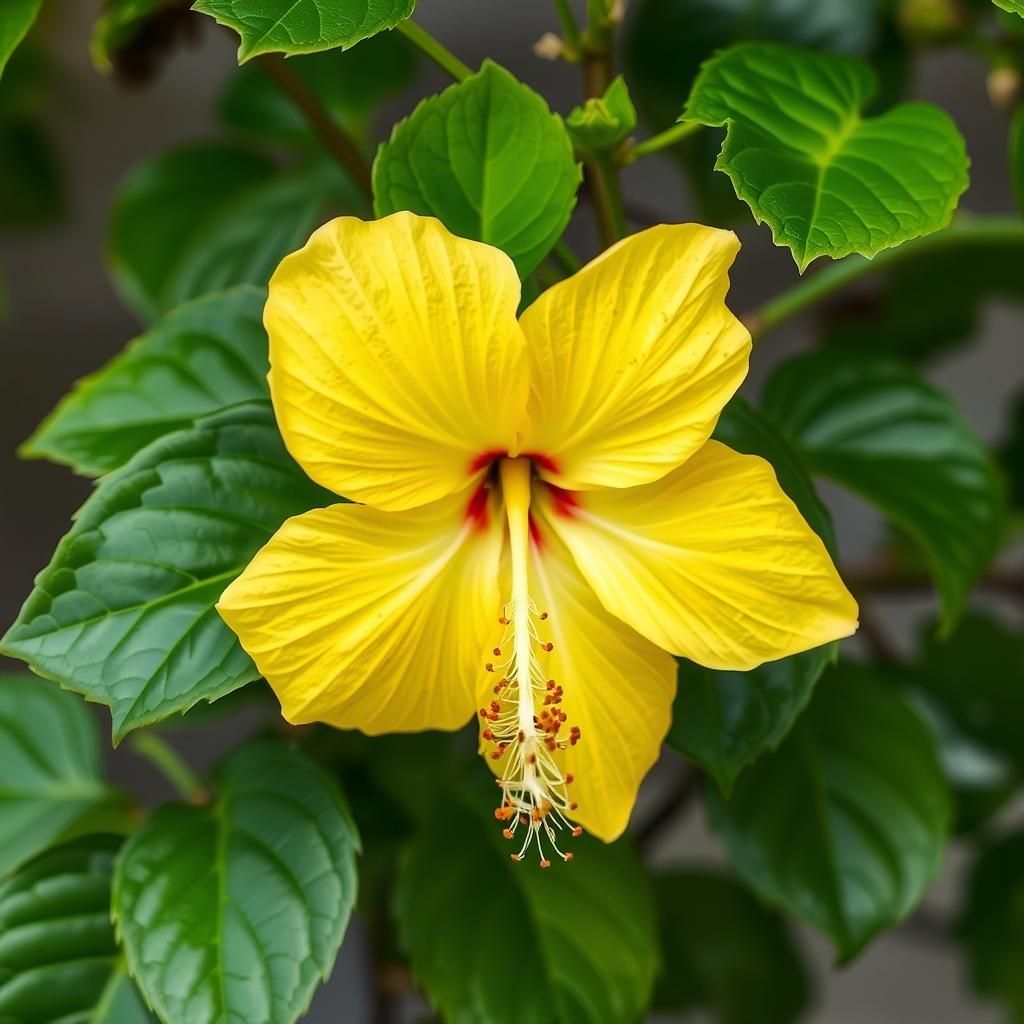
Hibiscus plants are beloved for their vibrant blooms and lush foliage, but when the leaves start turning yellow and dropping off, it can be a cause for concern. Understanding the underlying reasons for this common issue is crucial for maintaining the health of your plant. Various factors, including watering practices, nutrient deficiencies, pests, and environmental stresses, can contribute to leaf discoloration and drop. In this article, we will explore the common causes behind this phenomenon and provide practical solutions to help your hibiscus thrive, ensuring that you can enjoy its stunning beauty throughout the growing season.
Why Are the Leaves on My Hibiscus Plant Turning Yellow and Dropping Off?
Hibiscus plants are known for their vibrant flowers, but when the leaves start turning yellow and dropping off, it can be a sign of underlying issues. This change in color can occur due to several factors such as overwatering, which leads to root rot, or underwatering that stresses the plant. Additionally, nutrient deficiencies, particularly a lack of nitrogen or magnesium, can manifest through yellowing leaves. Environmental stressors like extreme temperatures or pests can also contribute to this problem. It's crucial to assess the plant's care conditions, including its watering schedule, light exposure, and soil quality to restore its health.
Overwatering and Root Rot
Overwatering is one of the most common reasons for yellowing leaves in hibiscus plants. When the roots sit in waterlogged soil, they can become suffocated and begin to rot. As a result, the plant struggles to absorb essential nutrients and water, leading to yellowing leaves and eventual leaf drop. To remedy this, ensure that your pot has adequate drainage and allow the top inch of soil to dry out between waterings.
Underwatering Stress
Conversely, underwatering can also cause hibiscus leaves to turn yellow and fall off. When a plant does not receive sufficient moisture, it becomes stressed, prompting it to prioritize survival by shedding older leaves. Regularly check the soil moisture, and if the top inch feels dry, it’s time to water. Maintaining a consistent watering schedule is vital for the plant's overall health.
Nutrient Deficiencies
Hibiscus plants need a balanced supply of nutrients, and deficiencies can lead to noticeable issues such as yellowing leaves. A lack of nitrogen often results in older leaves turning yellow due to insufficient chlorophyll production, while magnesium deficiency can cause interveinal chlorosis. To address these deficiencies, consider using a balanced fertilizer that promotes healthy leaf growth and replenishes necessary nutrients.
Environmental Stress Factors
Environmental conditions play a significant role in the health of hibiscus plants. Factors such as extreme temperatures, both hot and cold, can stress the plant, causing leaves to yellow and drop. Additionally, poor light conditions can hinder photosynthesis, leading to similar problems. It's essential to place hibiscus in an area where they receive adequate sunlight while protecting them from harsh temperature fluctuations to maintain vigor.
Pests and Diseases
Pests such as aphids, spider mites, and whiteflies can inflict damage on hibiscus plants, causing the leaves to yellow and drop. Inspecting your plant regularly for signs of infestation is crucial. If pests are detected, immediately treat the plant with appropriate insecticides or organic alternatives. Additionally, diseases like fungal infections can also lead to yellowing leaves, making it important to maintain proper airflow and health care to prevent these issues.
| Causes | Symptoms | Solutions |
|---|---|---|
| Overwatering | Yellow leaves, wilting | Improve drainage, reduce water frequency |
| Underwatering | Yellowing, leaf drop | Water regularly, check soil moisture |
| Nutrient Deficiencies | Yellow leaves, poor growth | Fertilize with a balanced mixture |
| Environmental Stress | Yellow leaves, stunted growth | Adjust location for optimal light, prevent temperature shocks |
| Pests/Diseases | Yellowing, visible pests | Treat with pesticides, improve airflow |
How do I fix yellow leaves on my hibiscus?
:max_bytes(150000):strip_icc()/GettyImages-674772188-e38ad8eb6920430dbe71bb0dd7fc00d3.jpg)
To fix yellow leaves on your hibiscus, it is essential to identify the underlying cause of the discoloration, as the solutions vary depending on the specific issue. Here are some common reasons for yellow leaves on hibiscus plants and how to address them.
Watering Issues
One of the most common reasons for yellow leaves in hibiscus is improper watering. Hibiscus plants require consistent moisture, but overwatering or underwatering can both lead to stress and yellowing of leaves.
- Check Soil Moisture: Use your finger to feel the soil an inch below the surface; if it's dry, it's time to water.
- Avoid Standing Water: Ensure that the pot has drainage holes and that water does not accumulate at the bottom.
- Watering Frequency: Water your hibiscus when the top inch of soil feels dry, typically every few days in warmer months and less frequently in cooler weather.
Nutrient Deficiencies
Another cause of yellowing leaves could be a lack of essential nutrients, particularly nitrogen, iron, or magnesium. Hibiscus needs a balanced fertilizer to thrive.
See also:
- Use Fertilizer: Apply a balanced liquid fertilizer every few weeks during the growing season to provide necessary nutrients.
- Look for Signs of Deficiency: Observe if the yellowing is occurring primarily on older leaves (nitrogen) or younger leaves (iron).
- Soil Testing: Consider testing your soil to identify specific nutrient deficiencies and amend accordingly.
Pest Infestations
Pests can cause stress to your hibiscus, leading to yellow leaves. Common pests include aphids, spider mites, and whiteflies.
- Inspect the Leaves: Check the underside of leaves and stems for pests. Look for webs, sticky residue, or visible insects.
- Use Insecticidal Soap: If pests are detected, apply insecticidal soap or neem oil to eliminate them.
- Regular Maintenance: Keep a consistent monitoring schedule for pests to prevent infestations from becoming severe.
Environmental Stress
Environmental conditions, such as extreme temperatures, insufficient light, or sudden changes in climate can stress your hibiscus and result in yellow leaves.
- Optimal Temperature: Ensure that your hibiscus is kept in a location with a stable range of 60°F to 90°F.
- Lighting Needs: Make sure your hibiscus receives at least 6 hours of sunlight daily but protect it from harsh afternoon sun.
- Avoid Sudden Changes: Gradually acclimate your plant to new conditions to prevent shock which can cause yellowing.
Potting and Drainage Considerations
Sometimes, yellow leaves can be attributed to inadequate potting or drainage issues in the hibiscus plant's container.
- Check Pot Size: Ensure that your hibiscus is not root-bound; if the roots are circling around the pot, consider repotting.
- Use Well-Draining Soil: A good quality, well-draining potting mix will help prevent root rot and promote healthy growth.
- Repotting: If repotting is needed, choose a slightly larger pot with drainage holes and refresh the soil.
What does an overwatered hibiscus plant look like?
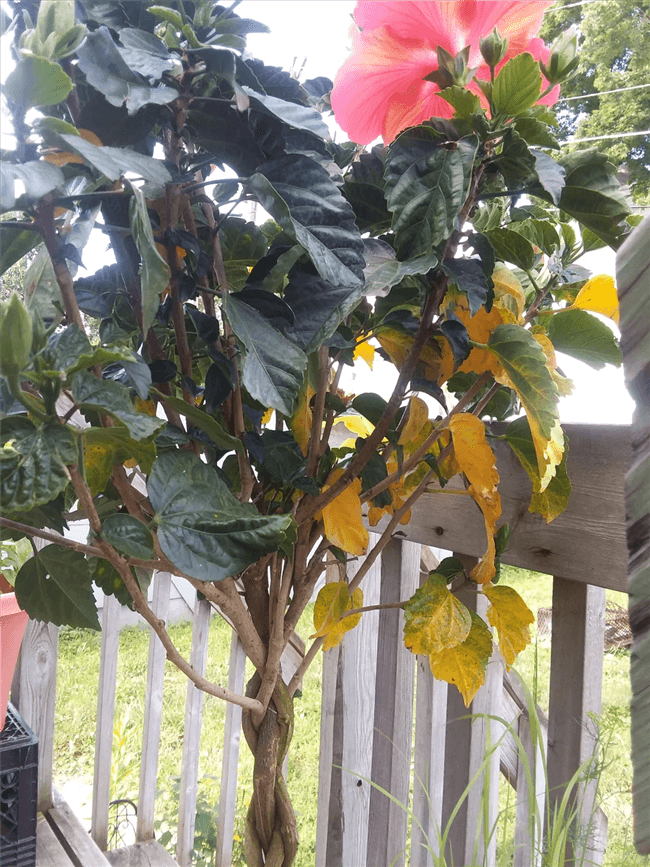
When a hibiscus plant is overwatered, it exhibits several symptoms that indicate stress due to excess moisture in the soil. Understanding these signs is crucial for maintaining the health of the plant and preventing deterioration. Here are some key manifestations of an overwatered hibiscus:
- Yellowing Leaves: One of the most obvious signs of overwatering is the yellowing of the leaves. This usually affects the lower leaves first, and if not addressed, the entire plant may start to show similar symptoms.
- Wilting: Despite the ample presence of water, overwatered hibiscus plants may appear wilted. This happens because the roots become waterlogged, preventing them from taking up oxygen.
- Root Rot: Over time, excessive water can lead to root rot, a severe condition where the roots decay. This condition can ultimately kill the plant if not treated promptly. Look for blackened, mushy roots during inspection.
- Stunted Growth: Overwatering can stunt the growth of a hibiscus plant. The plant may stop producing new leaves and flowers as it struggles to cope with the saturated conditions.
- Fungal Infections: The damp environment created by overwatering can promote fungal growth. You might notice mold or powdery mildew on the soil or plant surfaces.
Signs of Leaf Yellowing
The yellowing leaves of an overwatered hibiscus can be attributed to a lack of available oxygen for the roots. This saturation results in nutrient deficiencies as well. Look for the following signs:
- Lower leaves turning yellow while the upper leaves remain green.
- Leaves may also become soft and limp, rather than firm.
- Some leaves may drop prematurely if conditions do not improve.
The Wilting Paradox
Interestingly, hibiscus plants may present a wilting appearance even when the soil is saturated with water. This occurs because the roots are unable to function properly under excessively wet conditions. Consider the following effects:
- Leaves droop despite moist soil conditions.
- New growth may also appear weak and lack vigor.
- The overall plant may look lifeless and unresponsive.
Detecting Root Rot
Root rot is a critical issue in an overwatered hibiscus. It can be a hidden problem until it’s too late, requiring careful inspection to identify. Check for:
- Dark, mushy roots when you unpot the plant.
- A foul odor emanating from the root system.
- Healthy, firm roots should be white or light-colored, as opposed to rotting, brown roots.
Slow Growth Patterns
An overwatered hibiscus may show stunted growth, where the plant seems to stop growing altogether. This can occur due to several factors:
- The plant produces smaller leaves and fewer blooms than usual.
- New growth is hindered, and the plant appears overall weak.
- Old leaves may drop while new growth fails to appear.
Fungal Issues Due to Excess Moisture
The over-saturation caused by overwatering creates an ideal environment for fungal infections. This can lead to further complications for the plant. Possible indications include:
See also:
- Signs of mold on the soil surface.
- Powdery mildew forming on the leaves, especially in humid conditions.
- Increased vulnerability to disease and pests as the plant’s health declines.
How do I stop my hibiscus from dropping leaves?

To stop your hibiscus from dropping leaves, it's essential to understand the underlying factors that contribute to leaf drop. Here are several strategies that can help maintain the health of your hibiscus and minimize leaf loss:
Assess Environmental Conditions
It's crucial to evaluate the environmental conditions where your hibiscus is growing. Factors such as light, temperature, and humidity can significantly impact its health.
- Light: Ensure that your hibiscus is receiving adequate sunlight, preferably around 6-8 hours of direct sunlight daily.
- Temperature: Keep your hibiscus in a stable temperature zone, ideally between 65°F and 85°F (18°C to 30°C).
- Humidity: Higher humidity levels are beneficial. If your home is dry, consider using a humidifier or placing a tray of water nearby.
Watering Practices
Proper watering practices are vital in preventing leaf drop. Both overwatering and underwatering can stress your hibiscus.
- Frequency: Water your hibiscus when the top inch of soil feels dry, ensuring that it receives deep watering.
- Drainage: Ensure that the pot has sufficient drainage holes to prevent waterlogging.
- Signs of Stress: Look for signs of stress, such as yellowing leaves or wilting, which indicate that your plant may need more or less water.
Fertilization Needs
The right kind of fertilization can promote healthy growth and reduce stress, which in turn can minimize leaf drop.
- Type of Fertilizer: Use a balanced fertilizer designed for flowering plants or a specific hibiscus fertilizer.
- Frequency of Feeding: Fertilize every 4-6 weeks during the growing season (spring and summer) but reduce feeding as the plant enters dormancy in fall and winter.
- Signs of Nutrient Deficiency: Watch for signs of deficiency, such as pale leaves or stunted growth, which may indicate that your plant needs nutrients.
Pest Management
Keep an eye out for common pests that can affect hibiscus and lead to leaf drop, such as aphids, spider mites, and whiteflies.
- Inspect Regularly: Frequently check the undersides of leaves and around the stems for signs of pests.
- Organic Solutions: Use insecticidal soap or neem oil as a natural treatment for pests if they are detected.
- Preventive Measures: Encourage beneficial insects, such as ladybugs, which can help control pest populations.
Pruning Techniques
Pruning is beneficial for maintaining the health of your hibiscus and can help prevent excessive leaf drop.
- When to Prune: The best time to prune hibiscus is in late winter or early spring before new growth begins.
- Remove Dead Growth: Trim away any dead or unhealthy branches to improve air circulation and encourage new growth.
- Shaping the Plant: Aim to create a balanced shape, which can help the plant focus its energy on healthy growth instead of struggling with an unkempt form.
Questions from Our Readers
Why are my hibiscus leaves turning yellow?
The yellowing of hibiscus leaves can be attributed to several factors, such as overwatering, nutrient deficiencies, or pest infestations. It's essential to check the soil moisture and ensure that your plant is not sitting in water, as this can lead to root rot, which causes leaf discoloration.
What causes hibiscus leaves to drop off?
Hibiscus plants may drop their leaves due to stress factors such as changes in temperature, humidity, or sudden exposure to extreme conditions. Additionally, underwatering or overfertilization can also lead to leaf drop, indicating that the plant is responding to unfavorable conditions.
How can I prevent yellowing leaves on my hibiscus?
To prevent yellowing leaves, ensure that your hibiscus is receiving the right amount of water, light, and nutrients. Regularly check the soil for moisture and provide adequate fertilization, while also ensuring that the plant is not exposed to direct, harsh sunlight for extended periods.
Is it normal for hibiscus to lose leaves in winter?
Yes, it is normal for hibiscus plants to lose some leaves during the winter months as they go into a dormant phase. However, if the leaf drop is excessive or accompanied by yellowing, it may indicate that additional care is needed, such as maintaining humidity or adjusting watering practices.
See also:

If you want to read more articles like Why Are the Leaves on My Hibiscus Plant Turning Yellow and Dropping Off? Common Causes and Solutions, we recommend you check out our Plants category.
Leave a Reply
Related Articles