Why are all the buds falling off my hibiscus? Causes, Solutions, and Tips for a Healthy Plant
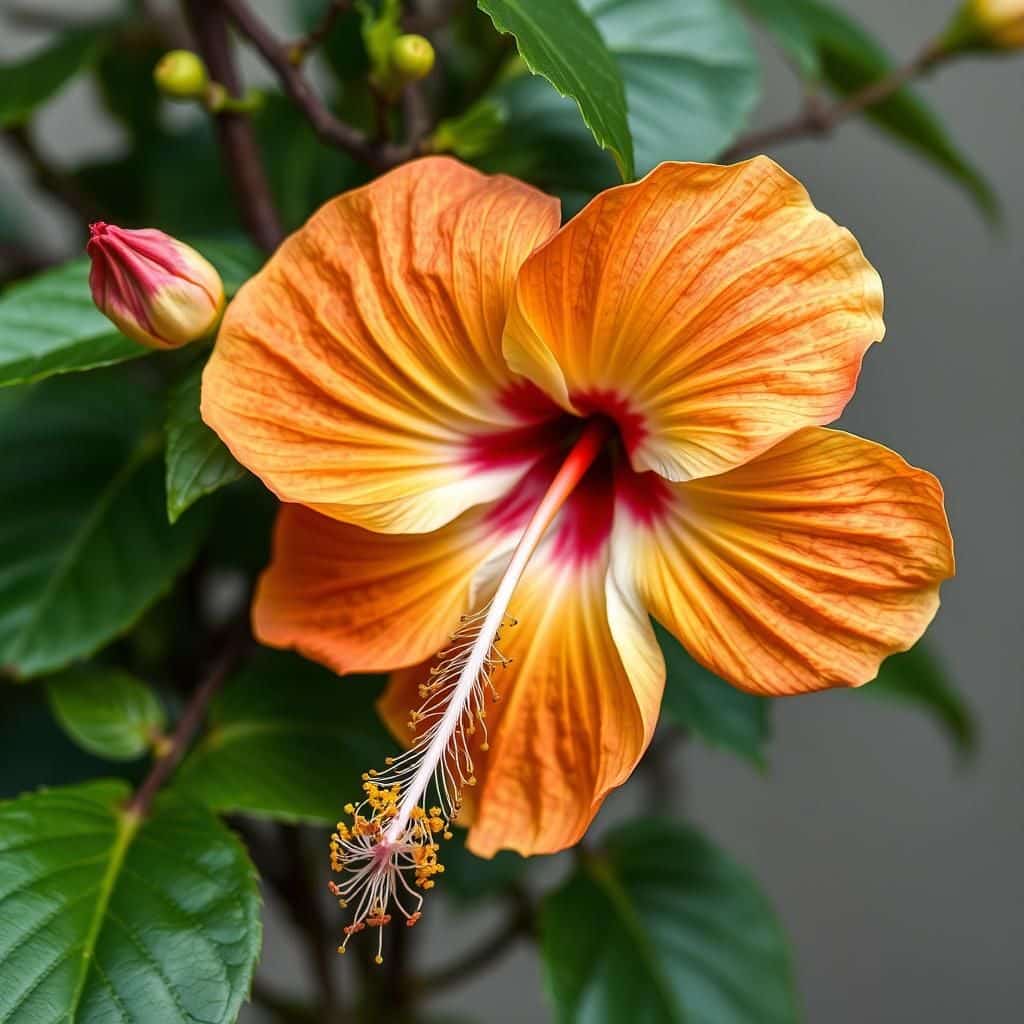
Hibiscus plants are known for their vibrant flowers and lush foliage, but when the buds start falling off, it can be a cause for concern among gardeners. Understanding the underlying reasons for this phenomenon is crucial for maintaining the health and beauty of your hibiscus. In this article, we will explore common causes of bud drop, from environmental factors to pests and diseases. Additionally, we will provide practical solutions and helpful tips to ensure your hibiscus thrives and produces the stunning blooms you desire. By addressing these issues, you can enjoy a flourishing hibiscus throughout the growing season.
Why Are All the Buds Falling Off My Hibiscus?
The phenomenon of buds falling off a hibiscus plant can be attributed to several factors, including environmental stress, improper watering habits, or pest infestations. Hibiscus plants are sensitive to changes in their surroundings, and factors such as temperature fluctuations, humidity levels, and light exposure play a critical role in their health. Overwatering can lead to root rot, while underwatering can cause stress, prompting the plant to shed its buds. Additionally, pests like aphids or spider mites can weaken the plant, leading to bud drop. Proper care, including consistent watering, appropriate feeding, and pest management, is essential to prevent this issue.
Watering Issues
Inconsistent watering practices can severely affect hibiscus bud retention. Overwatering can suffocate the roots and lead to root rot, while underwatering can cause the plant to panic and drop buds to conserve resources. It's crucial to maintain a balanced watering schedule, ensuring the soil remains consistently moist but not waterlogged.
Environmental Stress
Hibiscus plants thrive in specific environmental conditions. Sudden changes in temperature, exposure to extreme heat or cold, or drafts from air conditioning can stun the plant, resulting in bud drop. Maintaining a stable environment with adequate humidity and protection from harsh elements can help ensure healthy bud development.
Pests and Diseases
Infestations of pests such as aphids, whiteflies, or spider mites can cause significant stress to hibiscus plants, leading to bud drop. These pests weaken the plant by sucking sap and can also transmit diseases. Regular inspection and treatment with insecticidal soap or neem oil can help keep pests at bay and protect your hibiscus from damage.
Nutrient Deficiencies
A lack of essential nutrients can hinder the development of hibiscus buds. Insufficient levels of nitrogen, phosphorus, and potassium can lead to poor blooming and premature bud drop. Using a balanced fertilizer that provides these nutrients can support healthy growth and bud formation throughout the growing season.
See also:
Improper Potting Conditions
The potting conditions of a hibiscus, including the container size and soil quality, play a crucial role in its overall health. If a plant is root-bound, it may not have enough room to grow properly, leading to stress and bud loss. Additionally, poor-quality soil may lack the necessary drainage, causing root problems. Repotting into a larger container with well-draining soil can significantly enhance the plant's health and bud retention.
| Factor | Impact | Solution |
|---|---|---|
| Watering Issues | Root rot or stress | Maintain consistent moisture |
| Environmental Stress | Bud drop from temperature fluctuations | Provide stable conditions |
| Pests | Weakening of the plant | Regular pest control |
| Nutrient Deficiencies | Poor blooming and premature drop | Use balanced fertilizer |
| Potting Conditions | Root-bound issues | Repot into larger container |
What causes hibiscus buds to turn yellow and fall off?

Hibiscus buds turning yellow and falling off can be attributed to a variety of factors, ranging from environmental stress to pest infestations. Understanding these causes is crucial for proper care and revitalization of the plant.
Environmental Stress
Environmental conditions play a significant role in the health of hibiscus plants. Factors such as temperature, humidity, and light can contribute to bud drop.
- Temperature Extremes: Hibiscus plants thrive in warm climates. Temperatures dropping below 50°F (10°C) can cause stress, leading to yellowing buds.
- Humidity Levels: Low humidity can cause buds to dry out. Hibiscus plants prefer humidity around 50-60% to remain healthy.
- Insufficient Light: Inadequate sunlight can hinder photosynthesis, causing the buds to weaken and eventually fall off.
Pests and Diseases
Pests and diseases can severely affect hibiscus plants, causing buds to yellow and drop prematurely. Identifying these threats is essential for maintaining plant health.
- Aphids: These small, sap-sucking insects can stress the plant, leading to yellowing and bud drop.
- Spider Mites: Infestations can cause leaf and bud discoloration. Left unchecked, they can lead to extensive damage.
- Fungal Infections: Overwatering can cause root rot or mold, impacting the plant's ability to nourish its buds.
Watering Practices
Improper watering practices can significantly impact the health of hibiscus plants. Both overwatering and underwatering can lead to bud issues.
See also:
- Overwatering: Excess water can suffocate roots, leading to nutrient deficiencies and yellow buds.
- Underwatering: Not providing enough water can stress plants, resulting in yellowing and dropping buds.
- Water Quality: The use of chlorinated or hard water can also negatively affect the health of hibiscus plants.
Nutritional Deficiencies
A lack of essential nutrients can result in poor plant health, causing buds to yellow and fall off. Nutritional balance is critical.
- Nitrogen Deficiency: Low nitrogen levels can lead to poor foliage, directly impacting bud development.
- Potassium Deficiency: Potassium helps in flower and bud formation. A lack of it can result in yellowing buds.
- Micronutrient Deficiencies: Elements like magnesium and iron are crucial for chlorophyll production, affecting overall bud health.
Seasonal Changes
Hibiscus plants can exhibit changes as seasons shift, which may lead to bud yellowing and falling off. Understanding these changes can help in proper care.
- Flowering Cycle: Many hibiscus varieties have specific blooming seasons. Buds may yellow as part of their natural life cycle.
- Winter Dormancy: In colder climates, hibiscus may enter dormancy, causing buds to drop as the plant conserves energy.
- Seasonal Pruning: Timing and method of pruning can affect bud formation and health, impacting both foliage and flowers.
Questions from Our Readers
Why are all the buds falling off my hibiscus?
The falling buds on your hibiscus can be attributed to several factors, including environmental stress, improper watering, or pest issues. It's crucial to maintain a consistent watering schedule and ensure the plant is located in a suitable environment with adequate sunlight and protection from harsh conditions.
How can I prevent my hibiscus buds from dropping?
To prevent bud drop, ensure your hibiscus receives consistent moisture without waterlogging, provides good drainage, and is not exposed to extreme temperatures. Additionally, applying a balanced fertilizer can help promote healthy growth and bud retention.
Are pests causing my hibiscus buds to fall off?
Yes, pests such as aphids or whiteflies can lead to the dropping of buds. They weaken the plant by sucking out the sap and can also introduce diseases, so it’s important to regularly inspect your hibiscus for signs of infestation and manage them promptly.
Is my hibiscus getting too much sunlight?
While hibiscus plants thrive in bright sunlight, too much direct exposure, especially in hot climates, can lead to bud drop. If you notice your plant wilting or the buds falling off, consider providing some shade during the hottest part of the day to prevent stress.
See also:

If you want to read more articles like Why are all the buds falling off my hibiscus? Causes, Solutions, and Tips for a Healthy Plant, we recommend you check out our Plants category.
Leave a Reply
Related Articles