Which Berries Are Best to Grow? A Comprehensive Guide for Gardeners

Berries are not only delicious but also packed with essential nutrients, making them a fantastic addition to any garden. With a wide variety of berries to choose from, it can be overwhelming for gardeners to determine which types are best suited for their growing conditions, climate, and personal preferences. Whether you’re a seasoned gardener or a beginner, understanding the unique requirements and benefits of various berry plants is crucial for a thriving harvest. This comprehensive guide will explore the best berries to grow, offering insights into their growth habits, care tips, and the best practices for cultivating a fruitful berry garden.
Which Berries Are Best to Grow?
Growing berries can be a rewarding experience for gardeners due to their delicious flavors and nutritional benefits. The best berries to cultivate often depend on your climate, soil type, and the amount of sunlight available. Some popular choices include strawberries, blueberries, and raspberries. Strawberries are known for their sweetness and are relatively easy to grow, making them perfect for beginners. Blueberries require acidic soil but reward growers with nutrient-rich berries and beautiful foliage. Raspberries are prolific and can be grown in various climates, providing a bountiful harvest with proper care. Each type of berry offers unique benefits, making it essential to choose which ones align best with your gardening conditions and taste preferences.
Strawberries
Strawberries are one of the easiest berries to grow, making them an ideal choice for novice gardeners. They thrive in well-drained soil with plenty of sunlight and can produce fruit within a few months after planting. Gardeners can choose from June-bearing, everbearing, or day-neutral varieties depending on their harvesting preferences. Regular watering and mulching can help maintain optimal soil moisture and prevent weed growth. With proper care, a single strawberry plant can produce fruit for several years, providing delicious harvests throughout the growing season.
Blueberries
Blueberries require acidic soil with a pH between 4.5 and 5.5, making soil testing crucial before planting. These plants benefit from full sunlight and consistent moisture, ensuring strong growth and abundant yields. As perennials, they can produce fruit for decades when correctly cared for. Blueberries are not only tasty but are also packed with antioxidants and other nutrients. It's advisable to plant at least two different varieties to ensure cross-pollination, which leads to larger and more plentiful fruit.
Raspberries
Raspberries can be a fantastic addition to any garden, producing sweet and tart berries throughout the summer. They grow best in well-drained soil enriched with organic matter, and they can thrive in a variety of climates. Gardeners can choose between summer-bearing and ever-bearing types, with the latter producing fruit twice in one season. Regular pruning is essential to promote healthier growth and to increase berry yield. Due to their rapid growth, it's advisable to provide some support to keep the canes upright.
Blackberries
Blackberries are similar to raspberries in terms of growing conditions, favoring sunny spots and rich, well-draining soil. They can be grown as trailing or erect varieties, with trailing types requiring trellising. Blackberries deliver a rich, sweet flavor and are often used in both desserts and savory dishes. Regular pruning helps control their growth and encourages more prolific yields. These berries are also rich in vitamins, making them a healthy choice for home gardens.
Cranberries
Cranberries are unique among berries as they prefer wetland conditions and thrive in acidic, sandy soil. Typically grown in bogs, these berries require a specific water management system for successful cultivation. Growing cranberries can be more challenging than other berries, but they yield a nutritious product that is high in antioxidants. Harvesting typically occurs in the fall, where flooded fields make it easier to collect the berries as they float to the surface. Their unique growing needs make cranberries suitable for dedicated gardeners willing to invest time and resources.
| Berry Type | Ideal Soil | Sunlight | Harvest Time |
|---|---|---|---|
| Strawberries | Well-drained | Full Sun | Spring to Summer |
| Blueberries | Acidic | Full Sun | Summer |
| Raspberries | Well-drained | Full Sun | Summer |
| Blackberries | Well-drained | Full Sun | Summer |
| Cranberries | Sandy, Acidic | Partial to Full Sun | Fall |
What berry is the most beneficial?

The most beneficial berry is widely considered to be the blueberry. Blueberries are acclaimed for their high levels of antioxidants, particularly anthocyanins, which contribute to their deep blue color. These compounds help to combat oxidative stress in the body, which can reduce the risk of chronic diseases. Moreover, blueberries are low in calories and high in nutrients, making them an excellent addition to any diet.
Nutritional Profile of Blueberries
Blueberries boast a remarkable nutritional profile that makes them stand out among berries. They are rich in vitamins and minerals that contribute to overall health.
- Vitamins: Blueberries contain vitamin C, vitamin K, and some B vitamins.
- Minerals: They provide essential minerals like manganese and copper.
- Fiber: High fiber content aids in digestion and contributes to heart health.
Health Benefits of Blueberries
The health benefits associated with blueberries are extensive due to their bioactive compounds. Studies suggest that these berries support heart health, cognitive function, and more.
- Heart Health: Blueberries can lower blood pressure and cholesterol levels, reducing the risk of heart disease.
- Brain Function: Regular consumption may improve memory and cognitive decline.
- Anti-Inflammatory: Their antioxidants help reduce inflammation in the body.
Blueberries vs. Other Berries
While many berries have beneficial properties, blueberries often outperform other berries in terms of their antioxidant capacity and overall health effects.
- Strawberries: Rich in vitamin C but lower in antioxidants compared to blueberries.
- Raspberries: High in fiber but not as nutrient-dense as blueberries.
- Blackberries: Contain antioxidants but may lack the same level of cardiovascular benefits.
How to Incorporate Blueberries into Your Diet
Incorporating blueberries into your diet can be both easy and delicious. Here are some ideas to make the most out of this nutritious berry:
- Add to Breakfast: Toss them into cereals, yogurt, or smoothies for a nutritious start to your day.
- Baking: Use blueberries in muffins, pancakes, or desserts for added flavor and health benefits.
- Snacking: Enjoy them raw or frozen as a healthy snack option.
Potential Drawbacks of Blueberries
Despite their many benefits, it’s important to consider some potential drawbacks associated with blueberries, particularly for certain individuals.
- Allergies: Some people may have allergic reactions to blueberries.
- Interaction with Medications: They can interact with certain medications due to their high vitamin K levels.
- Sugar Content: Although natural, they still contain sugars that need to be consumed in moderation.
What berry is illegal to grow but legal to forage?
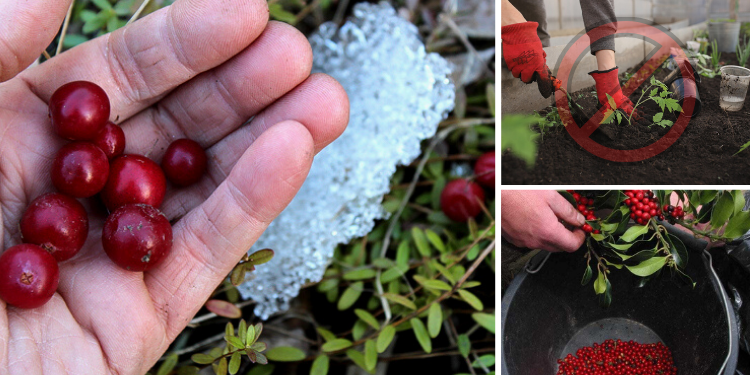
The berry that is illegal to grow but legal to forage is the huckleberry. While this small, sweet fruit is cherished for its flavor and nutritional benefits, many regions have placed restrictions on its cultivation. This stems from concerns regarding its impact on local ecosystems and the preservation of wild populations.
The Legality of Huckleberries
Foraging for huckleberries is generally allowed in many areas, provided the forager respects local regulations. The legality is often derived from the concept of public access to wild resources. However, growing huckleberries on private property can be restricted in some regions due to environmental regulations.
- Public Land Access: Many national and state parks permit foraging.
- Local Regulations: Always check local laws before foraging.
- Environmental Impact: Controlled cultivation may threaten local wildlife.
Huckleberries vs. Other Berries
Huckleberries differ from other berries, such as blueberries, by their wild harvesting status. While blueberries can be cultivated extensively, huckleberries thrive in specific wild habitats, making them a unique berry. Their flavor also varies significantly, as they have a more intense and tart taste compared to cultivated varieties.
- Wild Habitat: Huckleberries grow best in specific forested areas.
- Flavor Profile: They offer a distinct tartness that differs from cultivated berries.
- Species Diversity: Huckleberries encompass various species not commonly found in cultivation.
Environmental Considerations
The regulations surrounding huckleberry cultivation are often based on important environmental considerations. Over-cultivation can lead to habitat destruction and a decrease in wild populations, which are crucial for local ecosystems. This has led many conservationists to advocate for foraging over cultivation.
- Habitat Destruction: Cultivating wild plants can disrupt local ecosystems.
- Preserving Biodiversity: Foraging helps maintain genetic diversity.
- Sustainable Practices: Foraging adheres to natural growth patterns without harming the environment.
Nutritional Benefits of Huckleberries
Huckleberries are highly regarded for their nutritional benefits, offering a wealth of vitamins, minerals, and antioxidants. These nutritional components contribute to overall health and well-being, making foraged huckleberries a desirable addition to the diet.
- Rich in Antioxidants: Helps combat oxidative stress in the body.
- High in Vitamins: Contains vitamins C and K, critical for health.
- Supports Heart Health: Promotes cardiovascular function due to beneficial compounds.
Foraging Tips for Huckleberries
When foraging for huckleberries, it's essential to follow several tips to ensure a successful and safe experience. Knowledge of the berry's habitat and growth patterns can significantly increase your chances of finding these delicious fruits.
- Know Your Location: Research areas known for huckleberry growth.
- Harvest Responsibly: Only take what you need to preserve the population.
- Be Aware of Look-Alikes: Understand which berries are safe to consume.
What are the most effective berries?
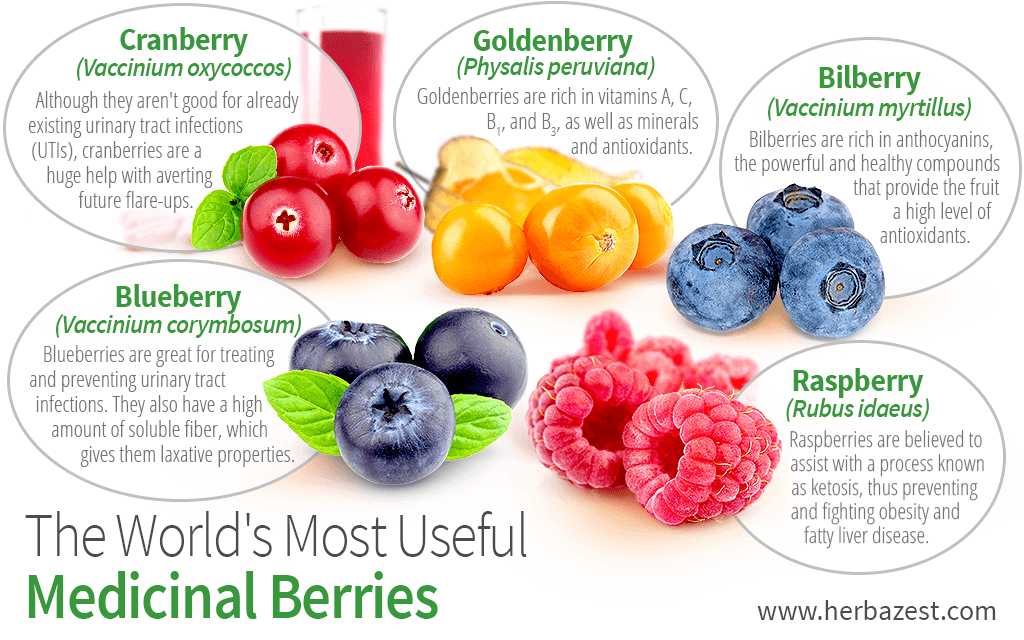
Berries are not only delicious but also packed with nutrients that provide numerous health benefits. Among the many types of berries, some stand out for their exceptional effectiveness in promoting health and well-being. The most effective berries typically include blueberries, strawberries, blackberries, raspberries, and acai berries. Each of these berries has unique properties that contribute to their effectiveness.
Blueberries
Blueberries are often hailed as a superfood due to their high levels of antioxidants, particularly anthocyanins, which give them their distinct blue color. These antioxidants help combat oxidative stress and inflammation in the body. Research suggests that consuming blueberries may enhance cognitive function and memory.
- High in vitamins C and K
- Support heart health by improving blood pressure and cholesterol levels
- May help improve insulin sensitivity
Strawberries
Strawberries are rich in both vitamin C and manganese, making them highly beneficial for immune support and bone health. They also contain ellagic acid, which has anti-cancer properties. Additionally, strawberries have been shown to lower blood sugar levels and improve heart health.
- Load of antioxidants that reduce inflammation
- High fiber content promotes digestive health
- May lower the risk of chronic diseases
Blackberries
Blackberries are an excellent source of both vitamin C and fiber, providing immune support and promoting digestive health. These berries are particularly known for their high antioxidant content, which can protect against cell damage and support overall health. Their rich color indicates the presence of valuable polyphenols.
- Contain healthy fats, which are good for heart health
- Support skin health due to high vitamin C
- May help with weight management due to low caloric content
Raspberries
Raspberries are notably high in dietary fiber, vitamins, and minerals. They are a great source of ketones, compound known to contribute to weight loss. Raspberries are also rich in ellagic acid and antioxidants, making them effective in reducing inflammation and oxidative stress in the body.
- Support heart health with potassium for blood pressure regulation
- May have anti-diabetic effects
- Improve skin health and reduce signs of aging
Acai Berries
Acai berries have gained popularity for their high antioxidant content, particularly anthocyanins, which are believed to help with cholesterol levels and weight loss. These berries are often used in smoothie bowls and supplements for their health benefits, which can include improved heart health and enhanced cognitive function.
- May improve skin health and promote collagen production
- Support weight loss efforts with metabolism-boosting properties
- High fiber content aids in digestion
What is the best tasting fruit to grow?

The best tasting fruit to grow can vary based on personal preference, climate, and soil conditions. However, many gardeners agree that certain fruits consistently stand out for their flavor, ease of growth, and yield. Among these, strawberries, mangoes, blueberries, peaches, and cherries are often cited as top contenders. Below, we explore some of the most popular options for growing delicious fruits.
Growing Strawberries
Strawberries are renowned for their sweet and juicy flavor. They can be grown in gardens, containers, or hanging baskets, making them versatile for various spaces. Strawberries typically produce fruit in the spring and can yield berries for several weeks.
- Varieties: Many varieties exist, including June-bearing, ever-bearing, and day-neutral, offering diverse harvesting opportunities.
- Growing Conditions: They thrive in well-draining soil with plenty of sunlight.
- Pest Management: Protecting strawberries from pests like slugs and birds is essential to maintain their quality.
Mango Trees
Mangoes are often considered the king of fruits due to their tropical flavor and aroma. They require warm climates but can be successfully grown in containers in cooler areas.
- Climate Needs: Mangoes need a warm, tropical or subtropical climate to thrive.
- Growth Time: It can take several years for a mango tree to begin bearing fruit, but the wait is often worth it.
- Harvesting Tips: Ripeness is determined by the fruit's color and softness. Harvest at the right time for the best flavor.
Blueberry Bushes
Blueberries are not only delicious but also highly nutritious. These bushes can be planted in home gardens and are well-suited for acidic soil.
- Soil Requirements: Blueberries require acidic (pH 4.5 - 5.5) soil for optimal growth.
- Pollination: Planting multiple varieties can improve pollination and increase fruit yield.
- Harvest Period: Depending on the variety, blueberries can be harvested in mid to late summer.
Peach Trees
Peaches are beloved for their fleshy, sweet fruits and are a staple in many orchards. These trees grow best in warmer climates but can tolerate cold if properly cared for.
- Types: There are many varieties of peaches, including freestone and clingstone types, each offering different textures.
- Care Tips: Regular pruning and proper watering are crucial for health and fruit production.
- Harvest Time: When ripe, peaches should have a fragrant smell and slightly give to pressure.
Cherry Trees
Cherries have a distinctive sweet and tart flavor and are often used in desserts or enjoyed fresh. These trees can be somewhat challenging to grow due to their specific requirements.
- Types: Sweet cherries are great for eating fresh, while sour cherries are best for canning and baking.
- Pollination Needs: Most sweet cherry varieties need cross-pollination for better fruit set, so plant multiple trees.
- Fruit Bearing: It usually takes 3 to 5 years for cherry trees to start producing fruit.
Questions from Our Readers
Which berries are easiest to grow?
Berries such as strawberries, blueberries, and raspberries are often considered the easiest to grow in home gardens. They have relatively low maintenance requirements and can thrive in a variety of soils and climates, making them ideal for both novice and experienced gardeners.
What berries provide the highest yield?
If you're looking for high-yielding berries, raspberries and blackberries are excellent choices. These plants can produce large quantities of fruit in a single growing season, often yielding several pounds of berries per plant when properly cared for.
Which berries are best for small spaces?
For small spaces, strawberries and container-grown blueberries are usually the best options. They can be grown in pots or vertical gardens, allowing you to maximize your growing area without sacrificing quality or taste.
What factors should I consider when choosing berry plants?
When selecting berry plants, consider factors such as climate, soil type, and pollination requirements. Some berries thrive in specific conditions, so understanding your local environment will help you choose the best varieties for successful growth.

If you want to read more articles like Which Berries Are Best to Grow? A Comprehensive Guide for Gardeners, we recommend you check out our Berries category.
Leave a Reply
Related Articles