Ultimate Guide: What to Put Around Raspberry Bushes? Tips for Healthy Growth and Protection
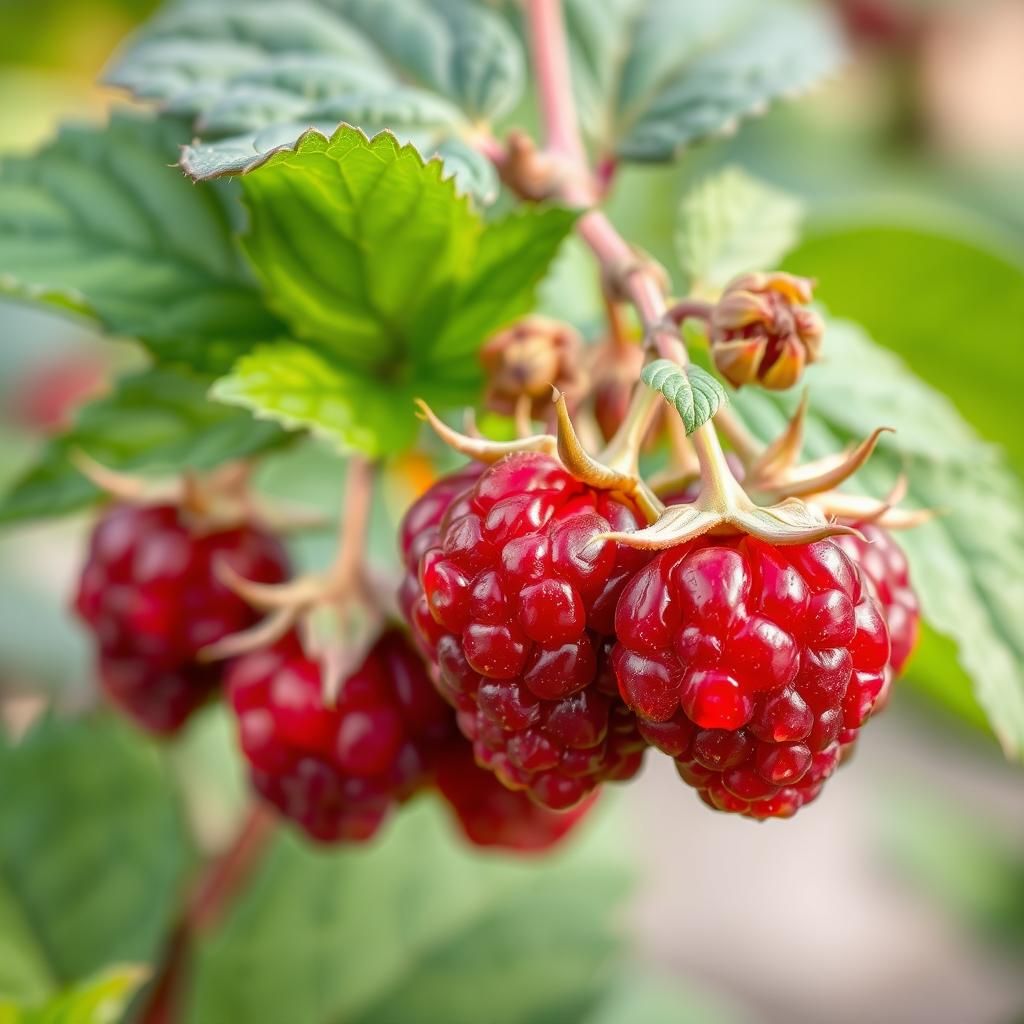
Raspberry bushes are a delightful addition to any garden, offering delicious fruit packed with flavor and nutrients. However, proper care and protection are essential for ensuring their healthy growth. In this ultimate guide, we will explore various options for what to put around raspberry bushes, including mulch types, companion plants, and protective barriers. By understanding the best practices for creating an optimal environment, you can enhance the vitality of your raspberry plants, deter pests, and promote an abundant harvest. Whether you're a seasoned gardener or a novice, these tips will help you achieve thriving raspberry bushes in your garden.
What to Plant Around Raspberry Bushes
When cultivating raspberry bushes, it's essential to consider companion plants that can enhance their growth and protect them from pests. Planting herbs like basil, oregano, and chives nearby not only makes efficient use of space but also deters harmful insects thanks to their strong scents. Additionally, flowering plants such as marigolds and nasturtiums can attract beneficial pollinators while repelling some common garden pests. Moreover, providing a layer of mulch around the bushes can help retain moisture, suppress weeds, and regulate soil temperature, thereby creating a more favorable environment for the raspberry plants to thrive.
Companion Plants for Raspberry Bushes
Companion planting is a technique that involves growing different crops in proximity for mutual benefits. For raspberry bushes, suitable companions include basil, thyme, and chives. These plants can enhance the flavor of the raspberries and deter pests, like aphids and spider mites, creating a healthier garden ecosystem.
The Role of Mulch
Applying a layer of mulch around the raspberry bushes serves several important purposes. It helps to maintain soil moisture, suppresses weeds that may compete for nutrients, and regulates soil temperature. Organic materials like straw or wood chips are excellent choices for mulch, as they decompose over time, enriching the soil as well.
Benefits of Flowers Near Raspberry Bushes
Incorporating flowering plants near your raspberry bushes not only adds visual appeal but also benefits the garden's health. Flowers like marigolds and nasturtiums can draw in pollinators like bees, which are critical for fruit production. Additionally, these flowers can repel harmful insects, reducing the need for chemical pesticides.
Herbs as Natural Pest Deterrents
Herbs are not only valuable for culinary uses but also serve as effective natural pest deterrents. Planting herbs like lavender and rosemary near your raspberry bushes can repel specific pests, help to improve air circulation, and enhance the overall growth of the raspberries by attracting beneficial insects that prey on harmful ones.
Spacing and Soil Considerations
Proper spacing and soil conditions are vital when growing raspberries along with companion plants. Raspberry bushes typically require well-drained soil rich in organic matter to flourish. Keeping adequate space between the bushes and companions ensures they receive enough sunlight and nutrients while preventing competition that could hinder growth.
| Plant Type | Benefits |
|---|---|
| Basil | Deters pests, enhances flavor |
| Marigolds | Attracts pollinators, repels insects |
| Chives | Repels aphids, improves growth |
| Mulch (Straw/Wood Chips) | Retains moisture, suppresses weeds |
| Nasturtiums | Attracts beneficial insects, deters aphids |
What do you put around raspberries?
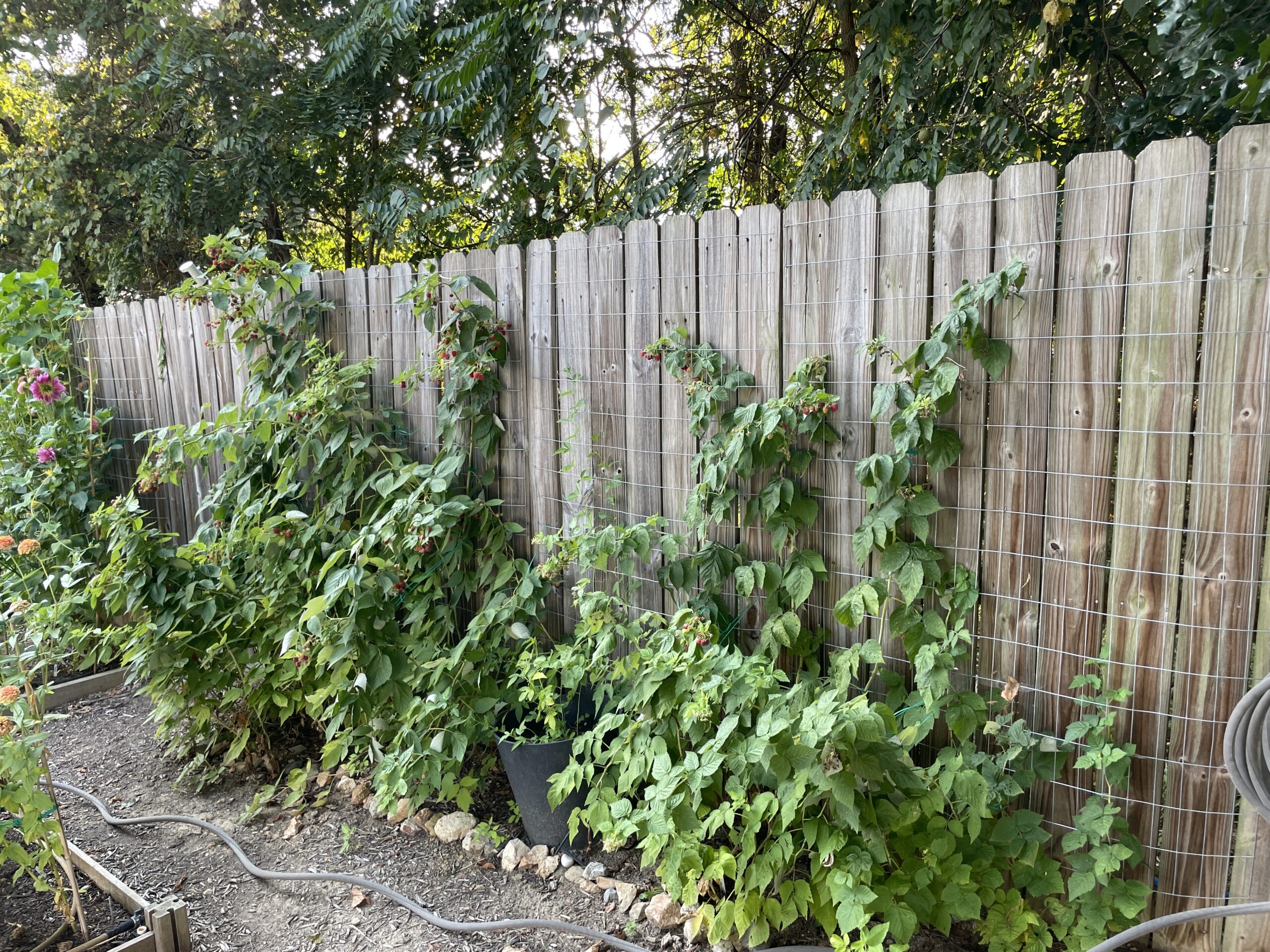
To protect and enhance the growth of raspberries, several materials and methods can be used around them. These are essential for maintaining the health of the plants and ensuring a good yield. Commonly, you might consider using the following items:
1. Mulch: Organic materials such as straw, wood chips, or pine needles are often put around raspberry plants. They help to retain moisture, suppress weeds, and provide a habitat for beneficial soil organisms.
2. Fencing: To keep pests, such as rabbits and birds, away from the raspberries, a fence can be installed. The fencing can be made from wire mesh or netting, ensuring that the berries remain safe from foraging animals.
3. Companion Plants: Planting certain varieties of flowers or herbs near raspberries can promote better growth. Plants like marigolds or basil can attract beneficial insects that will help in pollination and pest control.
4. Irrigation System: Installing drip irrigation around raspberries can ensure they receive adequate moisture. This method minimizes water waste and focuses on delivering water directly to the roots, promoting healthy growth.
5. Row Covers: Lightweight row covers can be used to protect raspberries from extreme weather conditions and insect pests. This helps in maintaining a stable growing environment for better fruit development.
Benefits of Mulching Around Raspberries
Mulching is a crucial practice when it comes to cultivating raspberries. The benefits include:
- Moisture Retention: Mulch helps retain soil moisture, reducing the need for frequent watering.
- Weed Suppression: A layer of mulch can inhibit weed germination, minimizing competition for nutrients.
- Soil Temperature Regulation: Mulch can help maintain a consistent soil temperature, which is essential for healthy raspberry growth.
Pest Control Strategies for Raspberries
In order to protect raspberry plants from pests, various strategies can be implemented:
- Physical Barriers: Using nets or row covers can physically block pests from accessing the plants.
- Pesticides: If infestations occur, organic pesticides may be used to control pests while minimizing harm to beneficial insects.
- Natural Predators: Encouraging the presence of birds and beneficial insects can help keep pest populations in check.
Importance of Companion Planting
Companion planting near raspberries can be beneficial for several reasons:
- Enhanced Pollination: Certain flowers can attract pollinators, improving fruit set and yields.
- Pest Repellence: Some plants naturally repel pests that could harm raspberries, providing a form of protection.
- Diverse Ecosystem: Companion plants can contribute to a more balanced ecosystem, promoting overall plant health.
Efficient Watering Techniques
Utilizing efficient watering techniques around raspberry plants can significantly enhance their growth:
- Drip Irrigation: This method delivers water directly to the root zone, reducing water waste and ensuring consistent moisture.
- Soaker Hoses: Soaker hoses can be laid on the soil surface to provide deep watering, which is essential for raspberries.
- Rain Barrels: Collecting rainwater for irrigation can be an environmentally friendly option that reduces water costs.
Using Row Covers for Protection
Row covers serve several protective functions for raspberries:
- Frost Protection: They can shield raspberry plants from frost damage during early spring and late fall.
- Insect Defense: Row covers provide a barrier against insects that might harm the crop.
- Temperature Regulation: These covers can create a more controlled environment, which is particularly beneficial during extreme weather.
How do you make raspberry bushes thrive?
To make raspberry bushes thrive, it is essential to provide the right combination of environment, soil, care, and maintenance. Successful growth relies on selecting the appropriate variety, ensuring adequate nutrients and water, and managing pests. Here’s a detailed breakdown of what you can do to promote healthy raspberry bushes.
Choosing the Right Variety
Selecting the right variety of raspberry is fundamental for thriving bushes. Different types have distinct growing requirements and environmental preferences.
- Primocane vs. Floricane: Primocane varieties produce fruit on first-year stems, while floricane varieties bear fruit on two-year-old stems. Choose based on your growing season.
- Climate Adaptation: Select varieties suited for your local climate. Some raspberries thrive in cooler zones, while others prefer warmer locations.
- Pest Resistance: Look for varieties that are known to withstand common pests and diseases, reducing the need for chemical treatments.
Soil Preparation
Healthy soil is crucial for raspberry bushes. Proper preparation ensures good drainage and an optimal nutrient supply.
- pH Level: Raspberries prefer slightly acidic soil with a pH of 5.5 to 6.5. Test your soil and amend it if necessary.
- Organic Matter: Incorporate well-rotted compost or organic matter into the soil to improve texture and nutrient content.
- Drainage: Ensure soil drains well. Avoid heavy clay soils, and consider raised beds if necessary to promote drainage.
Watering Techniques
Proper watering is a key factor in the successful growth of raspberry bushes. They require consistent moisture, especially during the growing season.
- Regular Watering: Water the bushes deeply at least once a week, increasing frequency during dry spells.
- Drip Irrigation: Use drip irrigation systems to provide steady moisture while minimizing water on the foliage, which helps prevent disease.
- Mulching: Apply a layer of organic mulch around the base of the plants to conserve moisture and suppress weeds.
Fertilization Practices
Raspberries require adequate nutrition to produce healthy growth and fruit. The right fertilization practices can significantly enhance their development.
- Timing: Fertilize in early spring as new growth begins and again after the harvest to support new growth.
- Type of Fertilizer: Use a balanced fertilizer (like 10-10-10) that provides essential nutrients. Organic options include compost and fish emulsion.
- Rate of Application: Follow recommended application rates based on soil tests to avoid over-fertilization, which can harm the plants.
Pest and Disease Management
Managing pests and diseases is crucial for maintaining the health of raspberry bushes. Regular monitoring and preventative measures can help keep plants thriving.
- Regular Inspection: Check plants regularly for signs of pests such as aphids, spider mites, or beetles, and take action promptly.
- Organic Treatments: Utilize organic pest control options like insecticidal soaps or neem oil as a preventative measure.
- Crop Rotation: Practice crop rotation and avoid planting raspberries in the same area year after year to reduce disease risk.
Should you put mulch around raspberries?

Mulching around raspberries is a beneficial practice that can enhance the growth and yield of these plants. The application of mulch provides several advantages, including moisture retention, temperature regulation, weed suppression, and soil improvement.
Benefits of Mulching Raspberries
Mulching offers a variety of benefits specifically suited for raspberry plants. It creates an ideal environment that promotes healthy growth.
- Moisture Retention: Mulch helps retain moisture in the soil, reducing the need for frequent watering.
- Weed Suppression: A thick layer of mulch prevents weeds from competing with your raspberry plants for nutrients and water.
- Temperature Regulation: Mulch acts as an insulating layer, helping to keep the soil temperature stable and conducive to growth.
Recommended Types of Mulch for Raspberries
Choosing the right type of mulch can significantly impact the effectiveness of this practice for raspberries.
- Organic Mulch: Options like straw, wood chips, or shredded leaves break down over time, enriching the soil.
- Black Plastic Mulch: This type can help warm the soil and suppress weeds but may require more careful management of soil moisture.
- Compost: Layering a thin layer of compost can enhance soil fertility while providing necessary nutrients to the plants.
How to Apply Mulch Around Raspberries
Proper application of mulch is crucial to ensure it provides maximum benefits to raspberry plants.
- Timing: Apply mulch in early spring after the ground has thawed but before the plants start actively growing.
- Depth: A layer of 2-4 inches is recommended to prevent weed growth while allowing water and nutrients to penetrate.
- Distance from the Plant: Keep the mulch a few inches away from the base of the plants to prevent rot and fungal issues.
Maintaining Mulch Throughout the Growing Season
Continuous maintenance of the mulch layer is essential for ongoing benefits.
- Periodic Refreshing: Check the depth of mulch regularly and add more as it decomposes to maintain effective coverage.
- Weed Control: Regularly monitor for any weeds that might emerge and remove them promptly, even if they grow through the mulch.
- Moisture Assessment: Evaluate soil moisture levels under the mulch to ensure adequate hydration for your raspberry plants.
Potential Drawbacks of Mulching Raspberries
While mulching has many advantages, it can also have some disadvantages that gardeners should be aware of.
- Overheating: In hot climates, dark mulch materials can lead to overheating of the soil and roots, harming the plants.
- Pest Attraction: Certain types of mulch, like straw, can harbor pests such as slugs or rodents.
- Decomposition: Organic mulches break down and might require frequent replacement, adding to maintenance efforts.
Questions from Our Readers
What should I put around raspberry bushes for support?
To provide adequate support for your raspberry bushes, you can use a trellis or support system made of wood or metal. This helps keep the canes upright, improves air circulation, and makes it easier to harvest the berries. Ensure the support is sturdy enough to handle the weight of the bush as it bears fruit.
Can I use mulch around raspberry bushes?
Yes, using mulch around raspberry bushes is highly beneficial. It helps retain moisture in the soil, reduces weeds, and maintains a more even soil temperature. Organic mulches, such as straw or wood chips, are ideal as they also break down and improve soil nutrients over time.
What type of fertilizer is best to use around raspberry bushes?
For raspberry bushes, it's best to use a balanced fertilizer that contains nitrogen, phosphorus, and potassium. Look for a product with a ratio like 10-10-10 or follow specific recommendations based on your soil test results to ensure optimal growth and fruit production.
Are there any plants I should avoid planting near raspberry bushes?
Yes, you should avoid planting nightshade plants (like tomatoes and potatoes) near raspberry bushes as they can compete for nutrients and may promote disease. Additionally, plants like rhubarb and other bramble species can harbor pests that affect raspberries, so it’s best to keep them separate for a healthier garden.

If you want to read more articles like Ultimate Guide: What to Put Around Raspberry Bushes? Tips for Healthy Growth and Protection, we recommend you check out our Berries category.
Leave a Reply
Related Articles