What to Avoid with Cucumber? Essential Tips for Freshness and Flavor
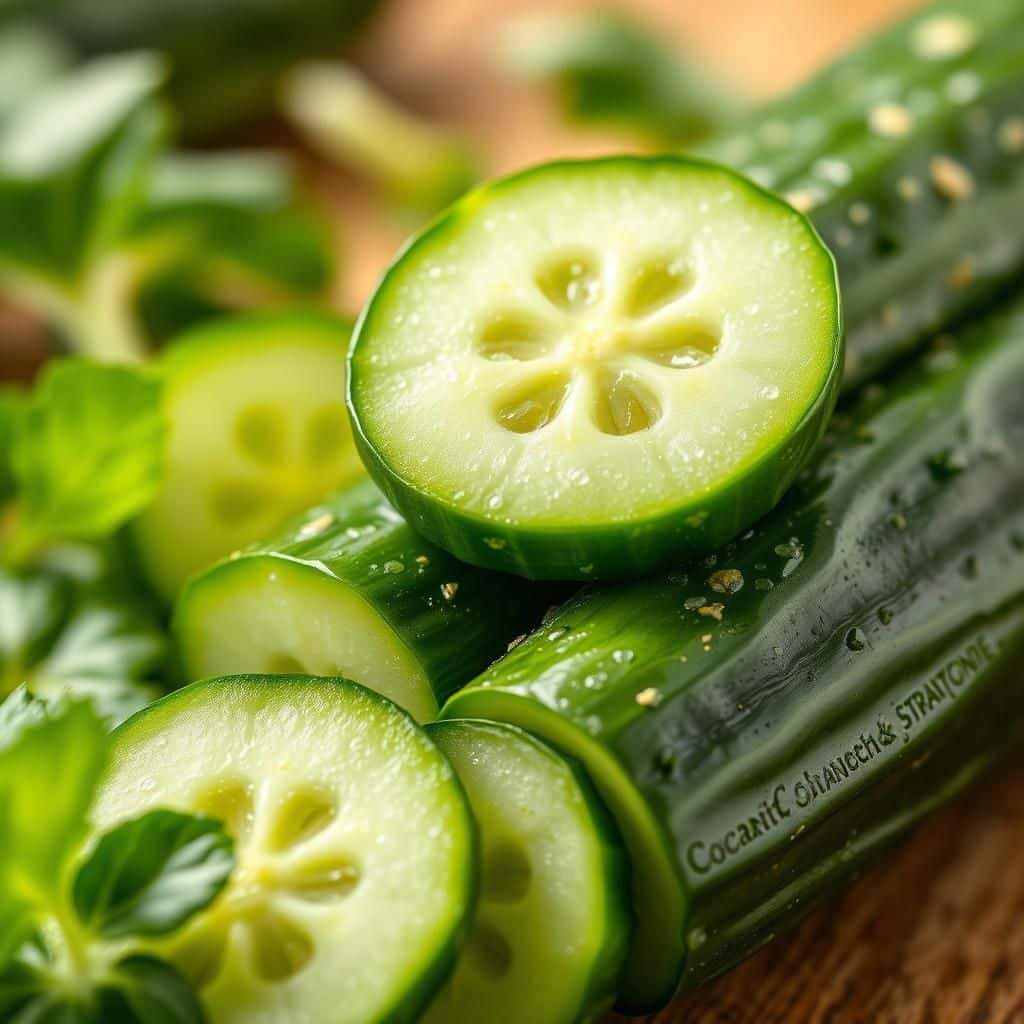
Cucumbers are a refreshing addition to salads, sandwiches, and smoothies, but their taste and texture can quickly diminish if not handled properly. To ensure that you enjoy the crispness and flavor of cucumbers to the fullest, it's crucial to know what to avoid. This article outlines essential tips for maintaining cucumber freshness and maximizing their delightful taste. From selecting the right specimens at the store to proper storage techniques and preparation methods, these guidelines will help you make the most out of this versatile vegetable. Say goodbye to soggy or bland cucumbers and embrace the full potential of this summer staple.
What to Avoid When Consuming Cucumbers
Cucumbers are a refreshing addition to many diets, but it's important to be aware of what to avoid to ensure a pleasant culinary experience. One major aspect to consider is the potential for bitterness in cucumber, which can occur due to stress on the plant during growth, leading to a stronger taste. Additionally, cucumbers can be sensitive to storage conditions; they should be kept away from ethylene-producing fruits such as bananas and tomatoes to prevent spoilage. Washing cucumbers thoroughly is also crucial to remove any residues of pesticides that could be present on their skin, and avoiding consuming them if they have soft spots or an unusual appearance is vital for food safety.
Avoiding Bitter Cucumbers
Bitter cucumbers can ruin your experience, and they often come from cucumbers that have been exposed to stress factors such as inadequate water supply or extreme temperatures. To avoid bitterness, select varieties like English cucumbers, which are less likely to be bitter than their traditional counterparts. Regularly checking your garden or your local market for potential bitterness indicators, such as a tough skin or a very dark green color, can also help ensure a better taste.
Proper Storage Techniques
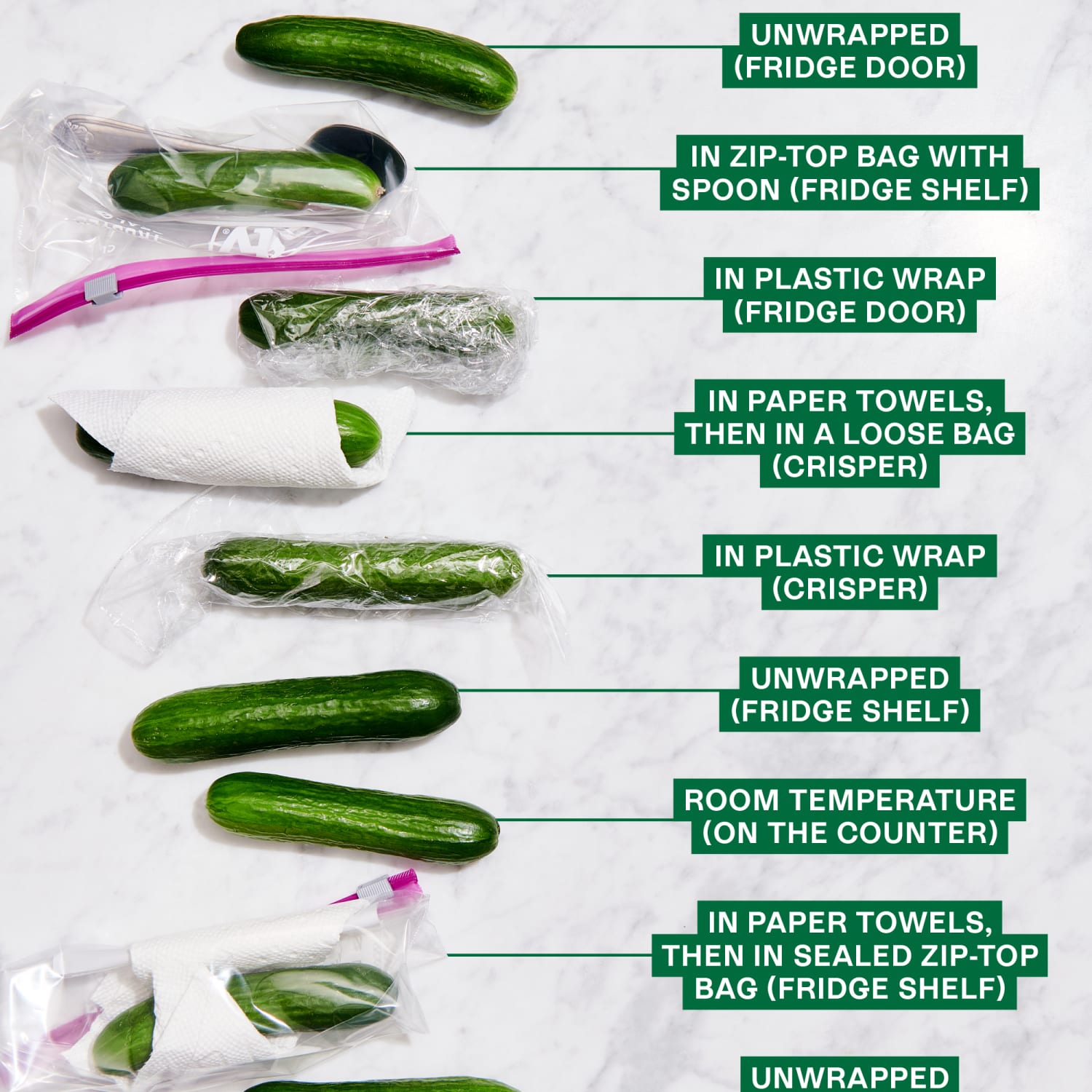
To keep cucumbers fresh and healthy, they should be stored in the refrigerator rather than at room temperature. Cucumbers produce a gas called ethylene, which can lead to quicker spoilage when placed near fruits that emit this gas. Ensure cucumbers are placed in the vegetable drawer of your fridge, separated from other ethylene-sensitive items to extend their shelf life significantly.
Washing and Pesticide Residue
Always wash cucumbers thoroughly under running water before consuming them, as they may have residues of pesticides or other contaminants on their skin. Using a vegetable brush can help remove dirt and residues more effectively. By ensuring that cucumbers are cleaned properly before consumption, you minimize the risk of ingesting harmful substances, enhancing the overall safety of your meals.
Recognizing Spoilage Signs
When examining cucumbers for freshness, avoid those that exhibit soft spots, discoloration, or an excess of wrinkles. These signs indicate that the cucumber is going bad and may adversely affect flavor and texture. Fresh cucumbers should feel firm and resilient to the touch; any signs of slumping can signal the need to be discarded to maintain quality in your dishes.
Pairing with Other Ingredients
While cucumbers are versatile, some pairings can lead to unpleasant taste combinations. Avoid serving cucumbers alongside strong-flavored ingredients such as blue cheese or highly acidic dressings that might overpower their subtle flavor. Instead, consider milder accompaniments like yogurt-based dressings or fresh herbs, which can enhance the natural taste of cucumbers without overwhelming them.
| Tip | Description |
|---|---|
| Select Fresh Cucumbers | Choose cucumbers that are firm and without soft spots to avoid spoilage. |
| Store Correctly | Keep cucumbers in the refrigerator away from ethylene-producing fruits. |
| Wash Thoroughly | Rinse cucumbers under running water to eliminate pesticide residues. |
| Avoid Bitterness | Select varieties known for less bitterness, like English cucumbers. |
| Careful Pairing | Choose mild ingredients to complement cucumbers without overpowering them. |
When should cucumber not be eaten?
When it comes to eating cucumbers, there are several scenarios in which they should be avoided for health and safety reasons. Here are some key considerations for when cucumbers should not be consumed:
1. Allergies to Cucumbers
Cucumbers belong to the gourd family, which includes squashes and melons. Some individuals may experience an allergic reaction to cucumbers, leading to symptoms that can range from mild to severe. These symptoms can include:
- Itching or swelling of the mouth and throat.
- Skin reactions such as hives or eczema.
- Digestive issues like nausea or cramps.
2. Consumption of Unwashed Cucumbers
Eating cucumbers that have not been properly washed can expose individuals to harmful bacteria and pesticides. These contaminants can lead to foodborne illnesses. It is advised to always wash cucumbers under running water and thoroughly scrub their skin before consumption to minimize risks, particularly in the following cases:
- Consumption of raw cucumbers in salads or fresh dishes.
- Using cucumbers in smoothies or other unprocessed recipes.
- Feeding cucumbers to young children or individuals with weakened immune systems.
3. Overripe or Spoiled Cucumbers
Cucumbers can spoil quickly, especially if they are overripe or stored improperly. Eating spoiled cucumbers can lead to food poisoning. Signs that cucumbers should not be consumed include:
- A mushy texture or discoloration.
- Off odors or a sour smell.
- Presence of mold on the skin.
4. Medical Conditions Affecting Digestion
Certain medical conditions can affect how cucumbers are digested. For individuals with conditions such as irritable bowel syndrome (IBS) or gastroesophageal reflux disease (GERD), consuming cucumbers may exacerbate symptoms. It's advisable to avoid cucumbers if experiencing:
- Bloating or gas.
- Severe heartburn or acid reflux.
- Cramping or abdominal pain after eating.
5. Interactions with Medications
Cucumbers can affect the metabolism of certain medications by influencing enzymes that break down drugs in the body. Individuals on medications for conditions like diabetes or blood pressure should consult a healthcare provider if cucumbers are a regular part of their diet, especially if they notice any unusual symptoms, such as:
See also:
- Inconsistent blood sugar levels.
- Changes in blood pressure.
- Increased side effects from medication due to dietary changes.
What is one major side effect of eating cucumber?
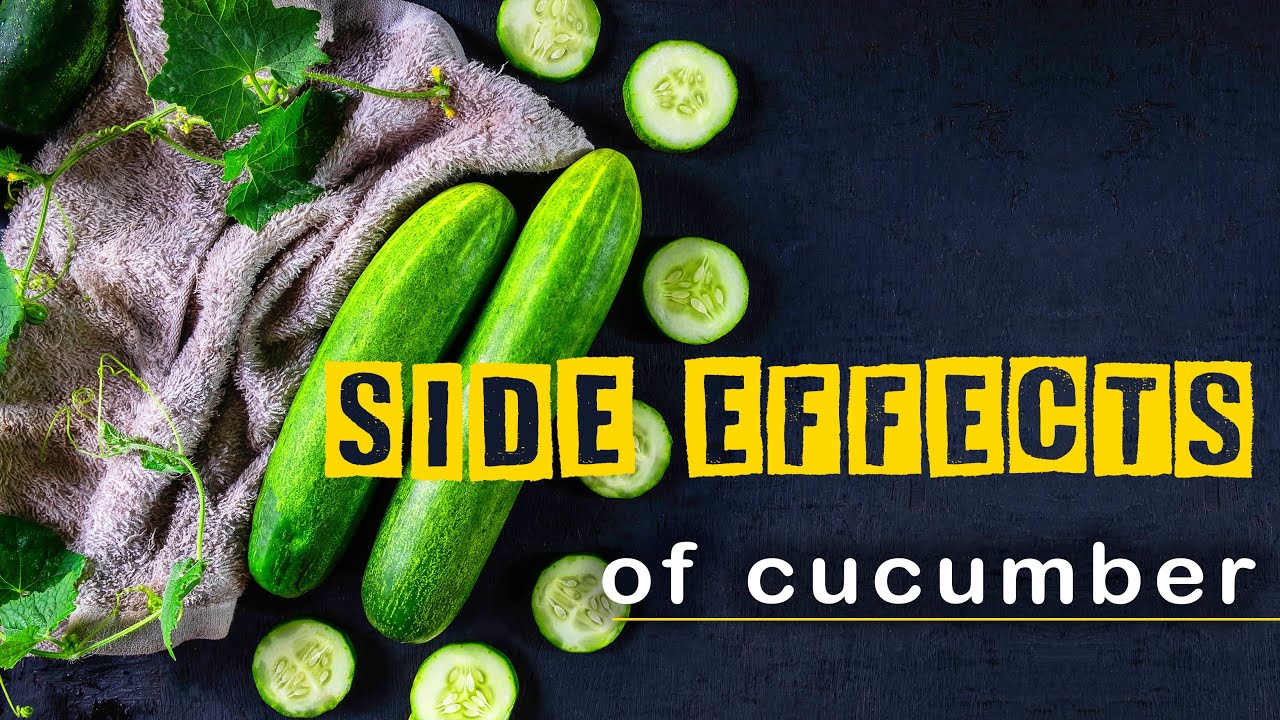
One major side effect of eating cucumber is the potential for gastric discomfort. Cucumbers are composed mainly of water and contain a high amount of insoluble fiber, which can lead to digestive issues for some individuals. In particular, people who are not used to consuming high-fiber foods may experience bloating, gas, or abdominal cramps. Additionally, some varieties of cucumbers contain a natural compound called cucurbitacin, which can further contribute to gastrointestinal distress in sensitive individuals.
Digestive Issues
The consumption of cucumbers can lead to various digestive issues due to their high fiber content. Fiber is essential for healthy digestion; however, an excessive intake, especially from sources that are unfamiliar to the digestive system, can cause:
- Bloating: An excessive amount of fiber can lead to trapped gas in the digestive tract.
- Cramping: Some individuals may experience stomach cramps after eating cucumbers.
- Diarrhea: If consumed in large quantities, cucumbers may have a laxative effect.
Allergic Reactions
While rare, some individuals may have an allergic reaction to cucumbers. Symptoms can include:
- Skin Rashes: Allergic reactions can manifest as itchy, red rashes.
- Oral Allergy Syndrome: Some people may experience itching or swelling in the mouth and throat.
- Digestive Symptoms: In some cases, individuals may also experience stomach upset similar to other food allergies.
Interaction with Medications
Cucumbers can interact with certain medications. For example, they contain aspirin-like compounds that may react with blood-thinning medications. This can create issues such as:
- Increased Bleeding Risk: Eating cucumbers while on blood thinners can increase the risk of bleeding.
- Effect on Medication Absorption: High fiber content can interfere with the absorption of some drugs.
- Frequency of Monitoring: People on certain medications may need more frequent monitoring of their condition.
Hydration Effects
Despite being hydrating, consuming large amounts of cucumber can sometimes lead to excessive urination. The high water content may result in:
- Frequent Bathroom Visits: Increased urination can disrupt daily activities.
- Electrolyte Imbalance: Over-hydration can lead to a depletion of essential electrolytes.
- Dehydration Risk: If not balanced properly, excessive urination might lead to dehydration.
Potential for Pesticide Exposure
Cucumbers can sometimes be contaminated with pesticides, leading to health risks if not washed or peeled properly. This concern includes:
- Toxin Exposure: Pesticides may carry harmful chemicals that can affect health.
- Long-term Health Risks: Continuous exposure to pesticide residue can pose long-term health risks.
- Food Safety Practices: It's essential to wash cucumbers thoroughly or choose organic options to minimize risks.
Why can't you drink water after eating cucumbers?

Drinking water after eating cucumbers is often cautioned against in various cultures due to a combination of cultural beliefs and health considerations. Here are some reasons why this practice is commonly advised against:
1. Digestive Issues: It is believed that drinking water immediately after consuming cucumbers can lead to indigestion. This is because cucumbers have a high water content, and consuming water right after might dilute the gastric fluids necessary for effective digestion.
2. Irritation of the Stomach: The concept of food pairing plays a crucial role in how our bodies process food. Certain individuals may experience stomach discomfort due to the combination of cucumbers and water. This can lead to feelings of bloating or gas.
3. Nutrient Absorption: Drinking water right after eating cucumbers may hinder the absorption of certain nutrients found in cucumbers, such as vitamins A and K. Diluting the digestive enzymes could potentially decrease the efficiency of nutrient breakdown.
4. Body's Response: For individuals with sensitive stomachs, the combination of cucumbers and water after consumption can lead to an overactive gastrointestinal response, which might manifest as cramps or diarrhea.
5. Historical Beliefs: In many cultures, there are traditional beliefs surrounding the pairing of specific foods that suggest that certain combinations lead to discomfort or health issues; hence, the advice against drinking water after eating cucumbers has persisted.
See also:
Digestive Issues
The idea that drinking water after cucumbers can cause digestive problems stems from how our bodies process food. Cucumbers are composed of about 95% water, which means eating them hydrates the body. However, drinking more water directly after can dilute the digestive juices, leading to potential digestive problems.
- Inadequate gastric juices for digestion
- Increased likelihood of gas and bloating
- Possible obstruction in nutrient absorption
Irritation of the Stomach
For some people, the combination of cucumbers and water can be hard on the stomach. The additional liquid may increase stomach irritation, particularly for those prone to gastritis or other gastrointestinal issues.
- Engendering feelings of discomfort
- Potential for increased acidity
- Might cause cramps and spasms
Nutrient Absorption
Drinking water after consuming cucumbers may impede the absorption of vital nutrients contained in this vegetable. The dilution of stomach acids and digestive enzymes can lead to decreased efficacy in breaking down components necessary for good health.
- Reduced efficiency in absorbing vitamins
- Lowered intake of essential minerals
- Long-term health implications due to nutrient shortages
Body's Response
Some individuals may notice that consuming water after eating cucumbers can trigger an overactive gastrointestinal response. This reaction often results in cramping, diarrhea, or an overall feeling of discomfort, particularly among those with sensitive digestions.
- Can provoke rapid digestion, leading to diarrhea
- May cause abdominal pain
- Potential increase in discomfort during digestion
Historical Beliefs
Several cultures have passed down advice against drinking water after cucumbers based on centuries of observations and experiences. These beliefs often highlight a caution against food combinations perceived as harmful.
- Encouragement of careful food pairings
- Guidance based on generational knowledge
- Value in adhering to traditional health practices
Why can't you eat tomato and cucumber at the same time?
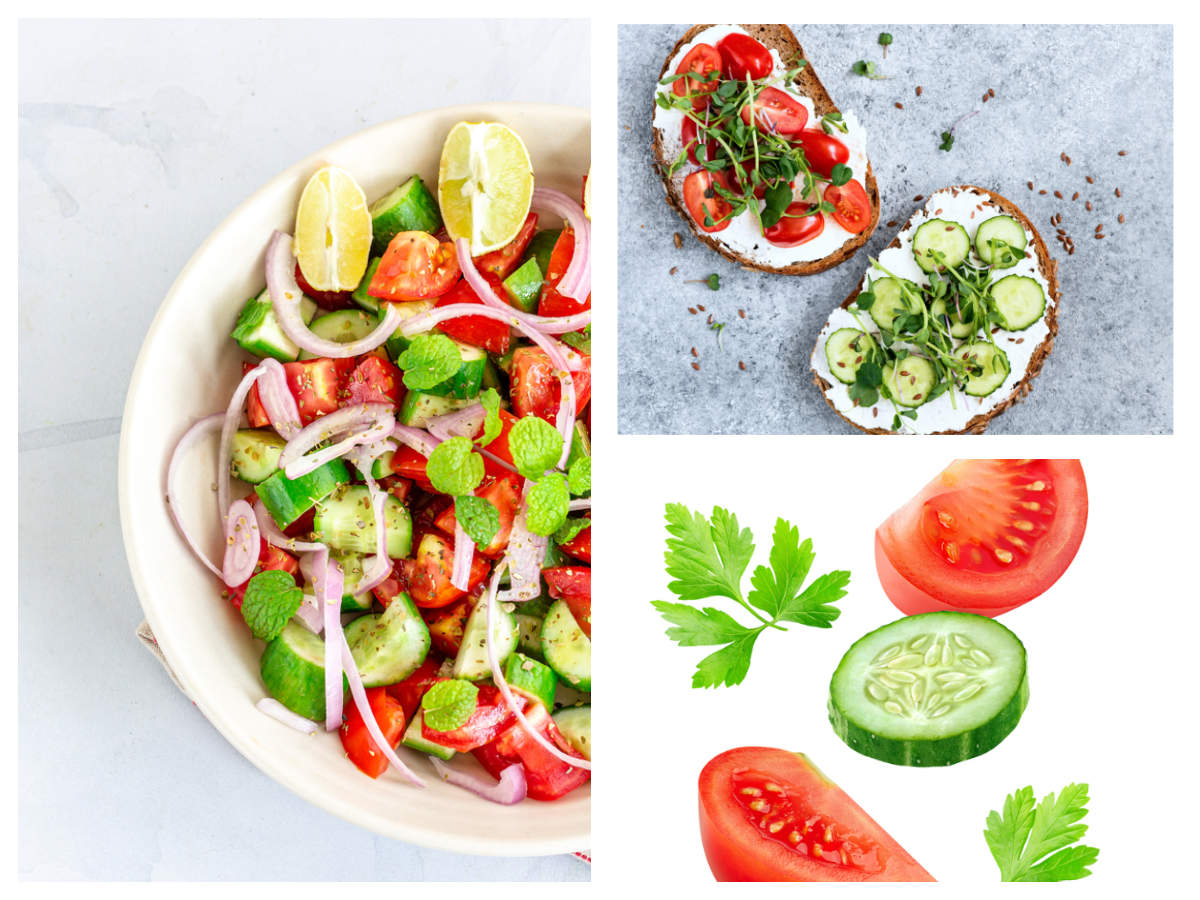
Eating tomatoes and cucumbers together is often discouraged in some dietary traditions. This is due to a belief based on food combining rules, which suggest that certain combinations may lead to digestive issues. While scientific evidence supporting this notion may be scarce, many people claim to experience discomfort when consuming these two foods simultaneously. Below are some factors to consider regarding this topic.
1. Digestion Differences
The primary reason why tomatoes and cucumbers are said to be incompatible lies in their different digestion requirements.
- Tomatoes are generally acidic and are thought to break down faster in the stomach.
- Cucumbers, being high in water content, require a different enzymatic environment for effective digestion.
- Eating both can potentially lead to fermentation in the stomach, causing discomfort or bloating.
2. Food Combining Principles
Food combining is a dietary approach that suggests certain foods should not be eaten together to promote optimal digestion and nutrient absorption.
- According to these principles, starchy foods and acidic foods should generally not be combined.
- In this context, tomatoes are considered acidic, while cucumbers are neutral, leading to the belief that their combination may hinder effective digestion.
- This can create a digestive slowing effect, causing potential gastrointestinal distress.
3. Nutrient Absorption
The concept of nutrient absorption is critical when discussing the compatibility of foods.
- Some nutritionists argue that certain food pairings can inhibit the body’s ability to absorb vitamins and minerals.
- The combination of a highly acidic food (like tomatoes) with a more alkaline or neutral food (like cucumbers) could theoretically disrupt the absorption process.
- This might lead some to advocate for separating these foods to maximize nutrient benefits.
4. Individual Sensitivities
Every individual has a unique digestive system that can react differently to various food combinations.
- Some people may find that they do not tolerate the combination of tomatoes and cucumbers well.
- Personal dietary preferences and past experiences can shape one’s physiological reactions to these foods.
- It is essential to listen to your own body and determine if this combination produces any negative effects.
5. Cultural Perspectives
The notion that tomatoes and cucumbers should not be eaten together can also stem from various cultural beliefs surrounding food choices.
- In some cultures, strict food pairing rules are followed based on traditional wisdom or anecdotal evidence.
- These beliefs often stem from ancient practices that emphasize the balance of foods for optimal health.
- Cultural factors can heavily influence what is deemed acceptable or unacceptable in dietary choices.
Questions from Our Readers
What should I avoid when peeling cucumbers?
To ensure the best taste and texture, you should avoid peeling cucumbers too heavily, as the skin contains many valuable nutrients. Instead, consider peeling only a thin layer or leaving the skin on for added crunch and flavor.
Are there any specific preparations to avoid with cucumbers?
When preparing cucumbers, it’s best to avoid salting them for long periods before serving, as this can draw out too much moisture, leading to a mushy texture. Instead, salt them just before serving or enjoy them fresh.
See also:
What should I avoid when storing cucumbers?
Avoid storing cucumbers in plastic bags, as this can trap moisture and promote decay. Instead, store them in a paper towel or in an open container in the refrigerator for optimal freshness.
Are there any combinations to avoid with cucumbers?
It’s advisable to avoid combining cucumbers with melons, as this pairing can lead to digestive issues for some people due to their different digestive processing times. Enjoy cucumbers in salads or dishes that complement their crisp texture better.

If you want to read more articles like What to Avoid with Cucumber? Essential Tips for Freshness and Flavor, we recommend you check out our Plants category.
Leave a Reply
Related Articles