What's the Best Month to Plant Blackberries? Essential Tips for Successful Growing

When it comes to growing blackberries, timing is everything. Choosing the best month to plant these delectable fruits can significantly impact their growth and yield. Whether you’re a seasoned gardener or a novice, understanding the optimal planting time will set the stage for a successful harvest. This article delves into the ideal months for planting blackberries, backed by essential tips and guidelines that will ensure your plants thrive. By following these recommendations, you can enjoy a bountiful supply of juicy blackberries in your garden, making it a rewarding endeavor for all gardening enthusiasts.
What’s the Best Month to Plant Blackberries?
The best month to plant blackberries generally falls in the early spring, around April, when the soil has warmed up, and the risk of frost has significantly decreased. Planting during this time allows the young plants to establish strong roots before the heat of the summer arrives, ensuring they can absorb water and nutrients effectively. Depending on your specific climate zone, you may also consider late fall, but spring is preferred in most regions to maximize growth and yield.
Understanding Ideal Growing Conditions
For optimal growth, blackberries thrive in well-drained, fertile soil with a pH level between 5.5 and 6.5. They prefer full sun, receiving at least 6-8 hours of direct sunlight daily, which supports robust fruit development. Furthermore, adequate moisture during early growth stages is crucial to establish strong plants. Therefore, understanding your local climate and soil conditions can aid in determining the best planting time.
Climate Impact on Blackberry Planting
The choice of planting month can largely depend on the local climate. In warmer areas, where winters are mild, blackberries can be planted in late fall or early spring. Conversely, in regions with harsh winters, it is advisable to wait until late spring when the soil has thawed and weather conditions are more favorable for young plants. Understanding local weather patterns helps in choosing the optimal time for planting.
Soil Preparation for Blackberry Planting
Before planting blackberries, soil preparation is vital. Testing the soil pH and nutrient levels can provide insights on what amendments might be necessary. Amending the soil with organic matter, such as compost or well-rotted manure, can significantly enhance soil fertility, ensuring that the blackberries have essential nutrients available from the start. Proper soil management contributes to successful plant establishment and growth.
Common Varieties of Blackberries
There are several varieties of blackberries, including thorny and thornless types, each with specific growth habits and harvest times. Some popular options include 'Brazos', 'Navaho', and 'Triple Crown'. Knowing the variety you choose can influence the best planting month, as some may require more or less time to establish before fruiting. Researching the needs of selected varieties can ensure you plant them at the right time for optimal results.
Maintenance After Planting
Once blackberries are planted in the preferred month, maintenance involves regular watering, applying mulch to retain moisture, and monitoring for pests and diseases. Newly planted blackberries may require additional care in terms of irrigation, especially in dry periods during early growth. Thus, understanding ongoing maintenance needs further enhances the growth potential of your blackberry plants.
| Month | Action | Notes |
|---|---|---|
| January | Prepare soil | Test pH and add amendments as needed |
| February | Plan plant layout | Choose variety based on climate |
| March | Start seeds indoors | Prepare for planting in April |
| April | Plant outdoors | Ideal month for most regions |
| May-June | Maintain plants | Regular watering and pest control |
What month do you plant blackberry bushes?
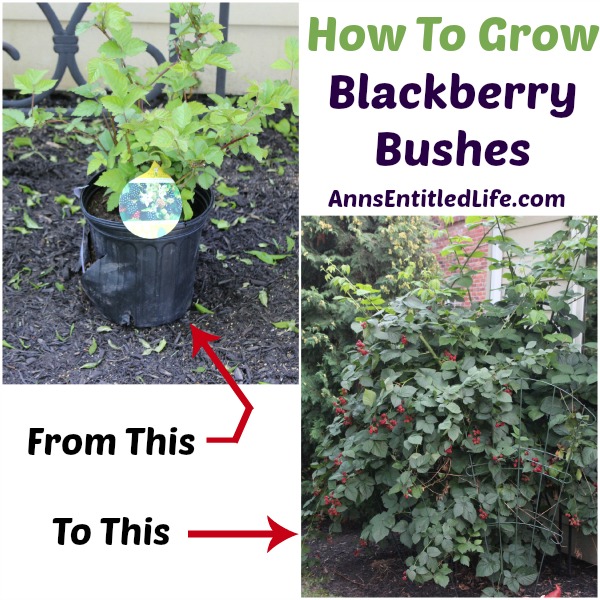
Blackberry bushes are typically planted in the early spring, once the danger of frost has passed and the soil has warmed up. This generally occurs between March and April in most regions. However, depending on your specific climate and geographic location, there can be slight variations in the optimal planting time.
Understanding the Best Planting Time
The ideal planting time for blackberry bushes is crucial for their growth and production. Timing affects how well the plants establish themselves and how much fruit they will yield. Factors to consider include:
- Frost Dates: Knowing the last frost date in your area helps in planning when to plant.
- Soil Temperature: Blackberry roots thrive in warmer soil, ideally above 60°F (15°C).
- Planting Region: Different zones will have different timings; check local gardening resources.
Preparing the Soil
Before planting blackberry bushes, it's essential to prepare the soil adequately. Blackberry plants prefer well-draining soil rich in organic matter. Preparation steps include:
- Testing Soil pH: Ideal pH is between 5.5 and 6.5. Adjust if necessary.
- Amending Soil: Incorporate compost or well-rotted manure to improve soil fertility.
- Tilling: Loosen the soil to enhance drainage and root penetration.
Choosing the Right Variety
Different varieties of blackberry bushes may have specific planting recommendations. Consider the following:
- Primocane vs. Floricane: Primocane varieties can produce fruit on new canes in the same year, while floricane varieties fruit on last year's growth.
- Cold Hardy Varieties: If you live in a colder region, look for varieties that can withstand low temperatures.
- Growth Habit: Some blackberries are thornless or trailing, which may influence planting considerations and care.
Care After Planting
Once you’ve planted your blackberry bushes, proper care is essential for their success. Key practices include:
- Watering: Keep the soil consistently moist but not waterlogged, especially during dry spells.
- Mulching: Apply mulch around the base to conserve moisture and suppress weeds.
- Fertilizing: Fertilize according to soil test recommendations, usually before growth begins in spring.
Common Mistakes to Avoid
There are several common pitfalls when planting blackberry bushes that you should avoid for better results:
- Ignoring Local Climate: Failing to consider your local climate can lead to poor growth or plant loss.
- Poor Drainage: Planting in heavy, compacted soil can cause root rot and stunted growth.
- Spacing Incorrectly: Overcrowding bushes can lead to poor air circulation and increased disease risk.
How many years does it take for a blackberry bush to produce fruit?

It typically takes about 2 to 3 years for a blackberry bush to start producing fruit after planting. The duration can vary based on several factors, including the variety of blackberry, the growing conditions, and the care the plant receives.
Factors Affecting Blackberry Production Time
The time it takes for a blackberry bush to produce fruit can be influenced by various factors. Here are some key considerations:
- Variety: Different varieties of blackberries have distinct growth rates and fruiting times. Some may start yielding berries earlier than others.
- Climate: The local climate plays a significant role. Blackberries thrive in warmer conditions and may produce fruit more quickly in favorable climates.
- Soil Quality: Well-drained, nutrient-rich soil encourages healthy growth, which can lead to earlier fruit production.
Planting Techniques for Optimal Growth
Proper planting techniques can enhance the growth rate of blackberry bushes. Here are some effective practices:
- Spacing: Ensure adequate spacing between plants to promote airflow and sunlight exposure, which are essential for growth.
- Pruning: Regular pruning helps remove dead or overcrowded canes, allowing the plant to focus its energy on producing fruit.
- Irrigation: Providing consistent and adequate watering without over-saturating the soil can significantly affect the growth rate of blackberry bushes.
Importance of Care in the Early Years
The first few years are crucial for establishing a healthy blackberry bush. Proper care during this period ensures a successful fruit yield later on. Key care tips include:
- Fertilization: Applying the right type and amount of fertilizer can help promote strong root development and overall plant health.
- Mulching: Use mulch to retain moisture, suppress weeds, and maintain a stable soil temperature for optimal growth.
- Pest Management: Monitoring and managing pests early on prevents damage that could hinder fruit production.
Harvesting Blackberries
Once the blackberry bush begins to produce, harvesting the fruit is an important aspect of blackberry cultivation. Here are some points to consider:
- Ripeness: Blackberries should be harvested when they are fully ripe for the best flavor and sweetness.
- Technique: Gently twist and pull the berries to avoid damaging the plant or other fruit clusters.
- Timing: Regularly check the bushes during the harvest season to ensure berries are picked at their peak.
Long-term Maintenance for Continued Production
To ensure continued productivity of blackberry bushes, ongoing maintenance is essential. Key practices include:
- Annual Pruning: This helps promote new growth and ensures that old canes do not hinder the production of fruit.
- Assessing Plant Health: Regularly check for signs of disease or distress in the bushes to address issues promptly.
- Fertilization Regimen: Adjust your fertilization strategy based on plant response to promote continued health and production.
Do blackberries like full sun or shade?
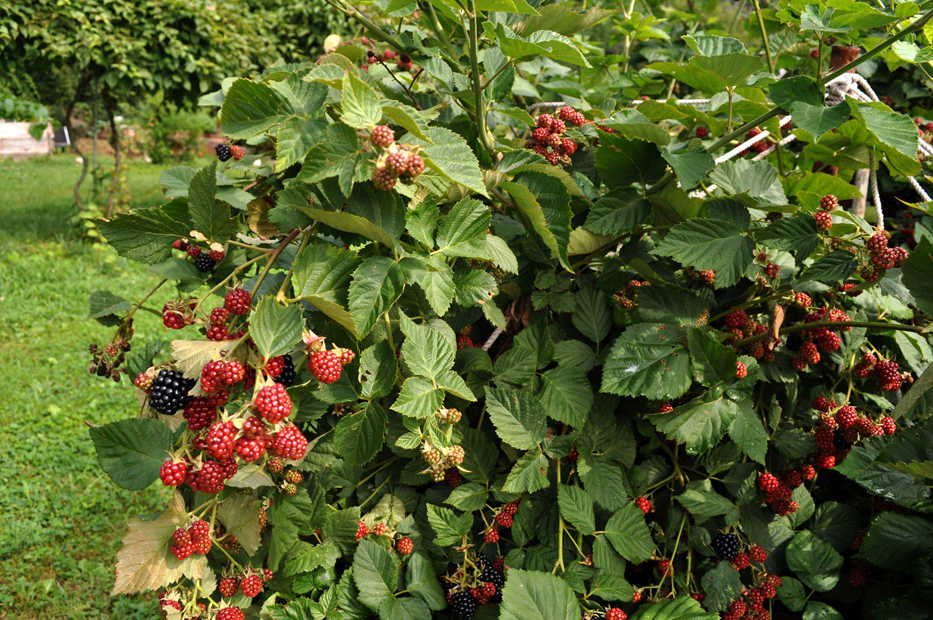
Blackberries prefer full sun for optimal growth and fruit production. While they can tolerate some shade, their overall health and yield will significantly decrease if they do not receive enough sunlight. Here are several key points to consider regarding their exposure to sunlight:
Understanding Blackberry Sunlight Needs
Blackberries thrive best in full sun, which typically means they should receive at least 6 to 8 hours of direct sunlight each day. This sunlight helps the plant photosynthesize effectively, which is crucial for producing robust plants that yield sweet, flavorful berries. Inadequate sunlight can lead to weaker plants and reduced fruit quality.
Effects of Shade on Blackberry Plants
While blackberries can tolerate some level of shade, it is essential to note the potential pitfalls of this environment. Here are some effects of shade on blackberry plants:
- Reduced fruit set and quality.
- Weaker plants that may be more susceptible to diseases.
- Increased competition from other plants for nutrients and water.
Best Locations for Planting Blackberries
Choosing the right location is crucial for blackberry success. Here are some considerations for planting:
- Look for a spot that receives full sun, ideally positioned on the south side of a garden where shade from buildings or trees is minimal.
- Evaluate soil drainage and ensure it is well-drained, as blackberries do not thrive in waterlogged conditions.
- Avoid planting near tall plants or trees that may cast long shadows over blackberry bushes.
Optimal Conditions for Blackberry Growth
To maximize blackberry growth, several conditions should be met beyond sunlight:
- Maintain proper soil moisture levels; while the plants prefer well-drained soil, they need regular watering.
- Use organic mulch to help retain moisture and suppress weeds, which can compete for nutrients.
- Implement a fertilization schedule to ensure that essential nutrients are available throughout the growing season.
Seasonal Changes and Sunlight Variations
As seasons change, the amount of sunlight available also changes. Here’s how to navigate this:
- Monitor the sunlight exposure throughout the year, especially during the growing season for optimal fruiting.
- Adjust the care regimen of your blackberries if you notice they receive less sunlight than necessary, such as thinning nearby plants.
- Consider using reflective mulches or planting strategically to maximize the light captured by your blackberry bushes.
Do I need two blackberry bushes to get fruit?
To produce fruit, it is not strictly necessary to have two blackberry bushes. Most blackberry varieties are considered to be self-pollinating, meaning that a single bush can produce berries on its own without the need for another bush. However, having more than one bush can enhance fruit production and lead to better quality berries.
Blackberry Varieties
Many different varieties of blackberries exist. Some are self-pollinating while others may require cross-pollination from another variety.
- Self-pollinating varieties: These types can produce fruit with only one bush.
- Cross-pollinating varieties: These require another plant of a different variety to produce fruit.
- Knew varieties: Newer breeding techniques have led to varieties that can yield better fruit production even when self-pollinating.
Benefits of Multiple Bushes
Planting multiple blackberry bushes can confer several advantages that might enhance the fruiting process.
- Increased yield: More bushes may lead to a higher quantity of fruit overall, especially in cross-pollinating varieties.
- Better quality fruit: Cross-pollination can lead to larger and sweeter berries.
- Longer harvest season: Having different varieties can extend the time you can harvest blackberries.
Growing Conditions
The growing conditions play a crucial role in the health of blackberry bushes and their ability to produce fruit.
- Sunlight: Blackberries thrive in full sun; at least 6-8 hours a day is ideal for robust growth.
- Soil quality: Well-draining, rich soil helps in nutrient absorption, affecting fruit production positively.
- Watering: Consistent and adequate watering is necessary, especially in dry conditions to support fruit development.
Pollination Process
Understanding the pollination process is crucial when considering the number of bushes needed.
- Flowering: Blackberries produce flowers that attract pollinators like bees, allowing for fertilization.
- Self-pollination: In self-pollinating varieties, pollen can transfer within a single flower.
- Cross-pollination: For some varieties, pollen from a different bush leads to fertilization and fruit set.
Planting Recommendations
When planting blackberries, various recommendations can help optimize fruiting.
- Spacing: Space bushes adequately to allow airflow and limit disease.
- Companion planting: Consider planting flowers or herbs nearby that attract pollinators.
- Regular maintenance: Pruning and maintaining the health of the bushes can significantly increase fruit yield.
Questions from Our Readers
What is the ideal time of year to plant blackberries?
The best month to plant blackberries is typically in the spring, after the last frost has passed. This is often between late March and early May, depending on your climate. Planting during this time allows the plants to establish their roots before the heat of summer.
Can blackberries be planted in the fall?
Yes, blackberries can be planted in the fall, but it is crucial to do so before the temperatures drop significantly. Early autumn is generally the recommended time, as this allows plants to acclimate and prepare for winter while still being established enough to thrive in the following growing season.
How does climate affect the planting month for blackberries?
Climate plays a significant role in determining the best time to plant blackberries. In warmer regions, planting can occur as early as February, while in cooler climates, it's advisable to wait until after the last frost, typically in late April or early May.
What should I consider when choosing a month to plant blackberries?
When selecting a month to plant blackberries, consider factors such as local frost dates, soil temperature, and overall weather conditions. Ensuring that the soil is well-drained and warm enough will significantly influence the success rate of your blackberry plants.

If you want to read more articles like What's the Best Month to Plant Blackberries? Essential Tips for Successful Growing, we recommend you check out our Berries category.
Leave a Reply
Related Articles