Discover What Plants Do Not Like Garlic? A Comprehensive Guide for Gardeners
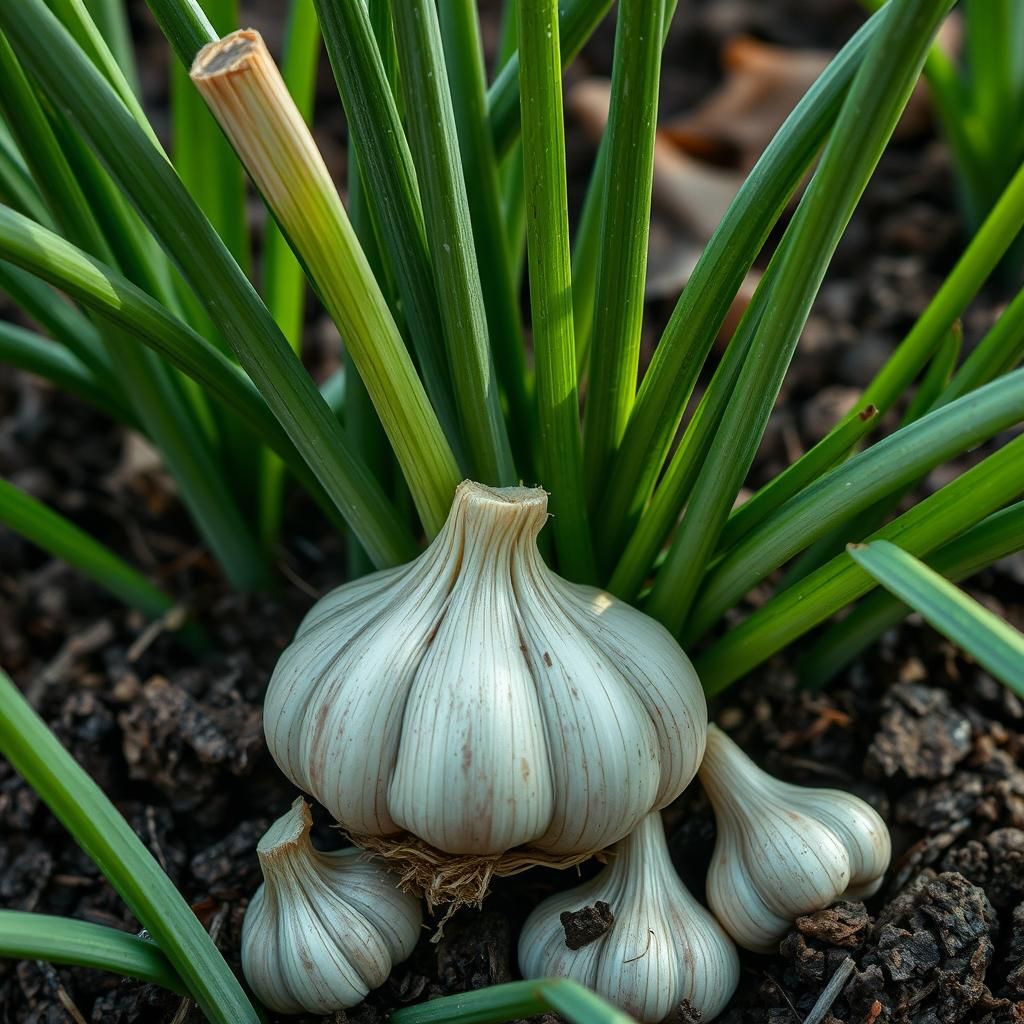
Garlic is a beloved herb known for its culinary uses and potential pest-repelling properties in the garden. However, not all plants thrive in the company of garlic. Understanding which plants do not appreciate its presence can be crucial for gardeners looking to optimize their growing environments. This comprehensive guide will explore the herb's effects on various plants, highlighting those that may suffer when planted in proximity to garlic. By knowing which companions to avoid, gardeners can foster healthier and more productive gardens, ensuring that both their garlic and other plants reach their full potential.
What Plants Do Not Like Garlic?
Garlic is known for its pest-repelling properties, but not all plants thrive when grown alongside it. Certain plants may be negatively affected by the strong scent and chemical compounds found in garlic, leading to poor growth or even failure to thrive. Beans, for instance, are particularly sensitive to garlic; their growth can be stunted when planted near garlic due to allelopathic effects. Similarly, peas also struggle when grown in proximity to garlic, as their delicate roots can be adversely impacted. Additionally, sage and chives may find it difficult to develop their full potential when they share space with garlic, causing both to compete for nutrients and water. Understanding these interactions is vital for gardeners aiming for a healthy and productive ecosystem in their gardens.
Beans
Beans are particularly sensitive to garlic and can experience significant stunting of growth when planted nearby. The compounds released by garlic can create a competitive atmosphere that disrupts the natural nutrient flow essential for the healthy development of bean plants, leading to underwhelming yields.
Peas
Peas can also be negatively influenced by the presence of garlic in the garden. The allelopathic effects of garlic can lead to reduced germination rates and poor growth for peas. This results from the release of natural chemicals that inhibit the metabolic functions necessary for young pea plants to thrive.
Sage
Sage is another herb that tends to struggle when grown in close proximity to garlic. The strong scent of garlic can interfere with sage’s growth patterns and overall health, making it challenging for this aromatic herb to flourish alongside a dominant garlic crop.
See also:
Chives
Although chives are somewhat related to garlic, they can still experience competition when grown together. The nutrients and water may become limited due to the aggressive growth of garlic, potentially leading to poor development of chives if they are planted too close to garlic.
Carrots
Carrots are often affected by garlic as well; their growth can be hindered due to the nutrient absorption competition. Garlic's strong flavor and aroma may even alter the taste of nearby carrots, making it less desirable for harvesting and consumption due to potential flavor interference.
| Plant | Effect of Garlic |
|---|---|
| Beans | Growth stunting |
| Peas | Reduced germination |
| Sage | Interfered growth |
| Chives | Competition for resources |
| Carrots | Nutrient absorption issues |
Understanding the Impact of Garlic on Plant Companionship
Garlic is often considered a beneficial companion plant due to its natural pest-repelling properties, but not all plants thrive in its presence. Some species may experience stunted growth, diminished yields, or even dieback when grown alongside garlic. This is primarily because of garlic's strong allelopathic effects, which can negatively impact neighboring plants by releasing chemical compounds into the soil. Knowing which plants do not prefer garlic is crucial for gardeners looking to create a harmonious and productive garden ecosystem.
Plants That Dislike Garlic's Presence
Certain plants, such as beans and peas, are particularly sensitive to garlic. The compounds released by garlic can interfere with their nitrogen-fixing capabilities, leading to less productive harvests. Gardeners should consider spacing these legumes away from garlic to ensure they can flourish without the hindrance of garlic's chemical effects.
Alliances in the Garden: Garlic and Compatible Plants
In contrast to sensitive species, many plants such as tomatoes and carrots tend to thrive near garlic. These companions benefit from garlic's ability to ward off pests like aphids and spider mites. By strategically planting garlic among compatible species, gardeners can create a more resilient garden that maximizes yields and minimizes pest issues.
See also:
Signs of Garlic Incompatibility
When garlic is planted near incompatible plants, visual symptoms may surface, such as yellowing leaves, poor growth, or reduced flowering. Observing these symptoms can alert gardeners to potential issues linked to garlic's allelopathic properties. Keeping an eye on the overall health of surrounding plants can help identify whether garlic is adversely affecting them.
Alternative Pest Control Methods for Sensitive Plants
For gardeners encountering challenges with garlic-afflicted plants, there are various alternative pest control methods available. Utilizing companion planting with plants known to deter pests, or employing natural insecticidal soaps, can provide effective management without the risks associated with garlic. These methods can help maintain a healthy garden ecosystem without sacrificing the health of vulnerable species.
Testing Soil Chemistry and Its Effects
Understanding the soil chemistry around garlic can provide insight into its effects on nearby plants. Testing for levels of nutrients and chemical compounds can reveal how garlic interacts with soil health and potential plant growth. By adjusting soil conditions or moderating garlic's presence, gardeners can enhance the overall productivity of their plots while protecting sensitive plants.
Questions from Our Readers
What plants should be kept away from garlic?
Garlic has been known to deter certain plants due to its strong odor and chemical properties. Plants such as peas, beans, and certain herbs like basil may struggle to thrive when planted near garlic, as they can be sensitive to its sulfur compounds.
Does garlic affect the growth of companion plants?
Yes, garlic can negatively impact the growth of certain companion plants. For example, it can inhibit the development of onions and chives, which are in the same Allium family and might lead to reduced yields if planted in close proximity to each other.
See also:
Are there specific herbs that dislike garlic?
Indeed, certain herbs do not perform well when grown near garlic. For instance, oregano and sage are known to be less productive when they share space with garlic due to their competing nutrient requirements and susceptibility to garlic’s strong flavor compounds.
How does garlic repel certain insects from plants?
Garlic is often used as a natural insect repellent in gardening due to its pungent smell. This aroma can deter common pests such as aphids, spider mites, and whiteflies, which can be harmful to more vulnerable plants in the garden.
If you want to read more articles like Discover What Plants Do Not Like Garlic? A Comprehensive Guide for Gardeners, we recommend you check out our Plants category.
Leave a Reply
Related Articles