What Plant Do Rabbits Hate the Most? Discover the Best Rabbit-Repelling Plants for Your Garden
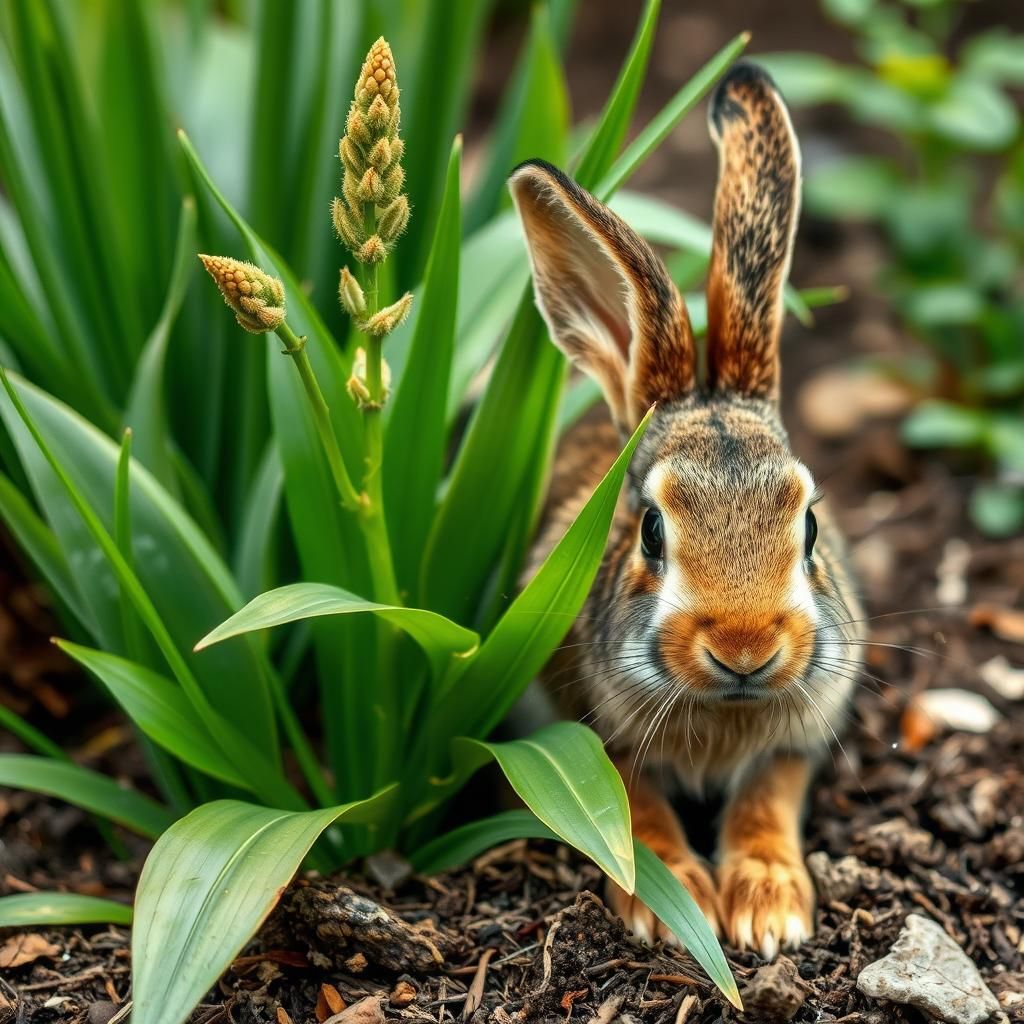
Rabbits can be charming creatures, but they can also wreak havoc in gardens, munching on tender plants and flowers. If you're struggling to keep these furry pests at bay, understanding which plants they dislike the most can be a game changer. In this article, we will explore a variety of rabbit-repelling plants that not only deter these critters but also enhance the beauty of your outdoor space. From aromatic herbs to bold perennials, discover the best options that can safeguard your garden while still providing a vibrant and lush environment for your plants to thrive.
What Plant Do Rabbits Hate the Most?
Rabbits are notorious for their selective eating habits, and there are certain plants they tend to avoid entirely. One of the most unappealing plants for rabbits is the lavender plant. The strong scent and the strongly flavonoid composition of lavender can be off-putting to rabbits, making it less likely for them to munch on it compared to other garden options. Utilizing lavender in your garden can serve as a natural deterrent, allowing you to protect more vulnerable plants from being nibbled on, while still enjoying the aromatic benefits of this versatile herb.
Characteristics of Lavender
Lavender is characterized by its fragrant purple flowers and silvery-green leaves. This plant thrives in sunny gardens and prefers well-drained soil, making it not only a beautiful addition but also a low-maintenance one. Its aromatic properties are not only cherished by humans but also serve as a natural repellant for many pests, including rabbits.
Other Plants Rabbits Dislike
In addition to lavender, rabbits tend to steer clear of certain plants like marigolds, rosemary, and sage. These plants possess strong scents and unique textures that make them less desirable for rabbits. By incorporating a variety of these plants into your garden, you can create a more rabbit-resistant environment, minimizing their presence and potential garden damage.
How to Use Lavender in the Garden
To effectively use lavender in your garden as a rabbit deterrent, planting it in clusters can amplify its scent and protective qualities. Position lavender near more vulnerable plants that rabbits might be attracted to, as the strong fragrance can mask their appealing scent. Regular pruning and care of lavender plants can ensure that they remain healthy and aromatic, providing continuous benefits throughout the growing season.
Benefits of Planting Lavender
Beyond its role in deterring rabbits, lavender offers numerous additional benefits. This hardy plant attracts pollinators, such as bees and butterflies, contributing positively to your garden's ecosystem. Additionally, lavender's aesthetic appeal and fragrance make it a popular choice for landscaping, providing visual contrast and pleasant aromas that can enhance the overall garden experience.
Growing Conditions for Lavender
Lavender prefers full sun, well-draining soil, and moderate watering, making it ideal for regions with dry summers and warm climates. To cultivate lavender effectively, it is important to avoid overwatering, as this can lead to root rot and other problems. Ensuring adequate spacing between plants can also promote air circulation and prevent disease, allowing the lavender to flourish and continue serving its purpose as a rabbit deterrent.
| Plant | Rabbit Deterrent | Benefits |
|---|---|---|
| Lavender | Yes | Aromatic, attracts pollinators |
| Marigolds | Yes | Nematicidal, bright flowers |
| Rosemary | Yes | Medicinal, culinary use |
| Sage | Yes | Flavorful, aromatic |
What plant will keep rabbits away?
Rabbits can be a significant nuisance to gardeners and horticulturists, but certain plants can help keep them at bay. One effective method is to cultivate plants that are known to deter rabbits due to their scent, flavor, or other natural properties. Here are some options to consider:
Plants That Repel Rabbits
There are several plants that possess characteristics that make them unappealing to rabbits. These include:
See also:
- Lavender: The strong fragrance of lavender is often off-putting to rabbits.
- Marigolds: The scent of marigolds can deter rabbits, and they also attract beneficial insects.
- Rue: This plant has a bitter taste and a strong odor that rabbits find unpleasant.
Herbs That Keep Rabbits Away
Certain herbs can act as natural repellents against rabbits. Their strong scents can mask other garden aromas, making it harder for rabbits to navigate.
- Mint: The potent aroma of mint plants makes them a natural deterrent.
- Oregano: The strong scent of oregano can help to confuse and repel rabbits.
- Sage: This herb has a robust aroma that is often unappealing to these animals.
Flowers That Deter Rabbits
Many flowers not only brighten up a garden but also serve as natural deterrents for rabbits.
- Pansies: While appealing to humans, pansies are not a favored snack for rabbits.
- Snapdragons: Their bitter taste and strong scent can help keep rabbits at bay.
- Peonies: These fragrant flowers are often overlooked by rabbits due to their scent and texture.
Vegetables That Rabbits Avoid
Some vegetables are less appealing to rabbits and can be strategically planted to minimize damage.
- Garlic: The pungent aroma of garlic can deter rabbits from nearby plants.
- Onions: Similar to garlic, onions are often avoided by rabbits due to their strong smell.
- Rhubarb: The tart flavor and toxic leaves make it a plant that rabbits typically steer clear of.
Additional Strategies to Deter Rabbits
Beyond planting specific types of plants, there are other strategies to reduce rabbit activity in your garden.
- Physical Barriers: Fencing the garden with a wire mesh can prevent rabbits from accessing your plants.
- Companion Planting: By pairing plants that rabbits dislike with those they favor, you can create a natural deterrent system.
- Using Repellents: There are commercial repellents available that can be sprayed on plants to keep rabbits away.
What do rabbits hate the most in the garden?
:max_bytes(150000):strip_icc()/rabbit-proof-plants-1402145_FINAL-5b218e753de42300374211ca-b3808702457b42f5b8d8d768e688b6cd.png)
Rabbits, while often perceived as cute pets, can wreak havoc in gardens. Understanding what they dislike can help protect your plants and landscaping. Here’s a detailed exploration of what rabbits hate the most in the garden.
Strong Smells
Rabbits have a highly sensitive sense of smell, which makes them averse to certain strong odors. Using these smells strategically can deter them from foraging in your garden.
- Garlic: The pungent smell of garlic is often effective at repelling rabbits.
- Vinegar: Spraying a diluted vinegar solution can create an unwelcoming environment.
- Peppermint: The strong scent of peppermint oil can be a natural deterrent.
Spicy Substances
Rabbits tend to avoid anything with a strong spicy flavor. Introducing spicy substances into your garden can create an unpleasant experience for these critters.
- Cayenne Pepper: Sprinkling cayenne pepper around plants can deter rabbits due to its heat.
- Hot Sauce: A diluted hot sauce spray can make plants less appealing to rabbits.
- Chili Powder: Similar to cayenne, chili powder can serve as a protective barrier.
Texture and Physical Barriers
Rabbits dislike certain textures underfoot and can be deterred by physical barriers in the garden. Implementing these strategies can help protect vulnerable plants.
- Sharp Mulches: Using sharp objects like pine needles or thorny branches can discourage rabbits from crossing.
- Fencing: Installing a fence with height and depth can effectively keep rabbits out.
- Row Covers: Lightweight row covers can block rabbits while still allowing plants to grow.
Unfamiliar Plants
Rabbits tend to avoid certain plants that are unfamiliar or known to be unpalatable. By incorporating these plants into your garden, you can create a natural repellent strategy.
See also:
- Lavender: The strong scent is not only pleasant for humans but repelling for rabbits.
- Marigolds: This flower emits a scent that many pests, including rabbits, dislike.
- Rue: Known as a natural rabbit repellent, rue has a strong odor that they avoid.
Noise and Movement
Rabbits are skittish animals and can be easily frightened by loud noises or sudden movements. Creating disturbances in the garden can help keep them at bay.
- Wind Chimes: The sound of wind chimes can create a soothing yet disruptive environment for rabbits.
- Scare Tactics: Scarecrows or sudden movements can startle rabbits away from your garden.
- Motion-Activated Devices: Devices that emit noise or spray water when movement is detected can be effective deterrents.
Does Irish Spring Soap really keep rabbits away?

Irish Spring soap is often cited as a remedy for keeping rabbits and other garden pests away due to its strong scent. The theory is that the fragrance emitted by the soap can deter rabbits from entering gardens and eating plants. However, the effectiveness of this method is still up for debate among gardeners and pest control experts. While many anecdotal reports suggest that Irish Spring soap works to repel rabbits, there is limited scientific evidence to support this claim.
Understanding the repellent properties of Irish Spring Soap
The primary reason Irish Spring soap is believed to repel rabbits is its potent fragrance, which is quite different from the natural scents found in gardens. Rabbits are sensitive to scents, and they might avoid areas where they detect unfamiliar or strong odors. Specifically, Irish Spring soap contains ingredients that produce a strong and recognizable smell which is thought to be off-putting for rabbits. Here are some points regarding this property:
- Fragrance intensity: The stronger the scent, the more likely it is to repel rabbits.
- Natural aversion: Rabbits have a natural tendency to avoid unfamiliar scents, which can include human-made products.
- Temporary solutions: The effectiveness of the scent diminishes over time, especially in rain or humid conditions.
Application methods for using Irish Spring Soap
To utilize Irish Spring soap as a rabbit repellent, there are several methods gardeners can adopt. Proper application can enhance the effectiveness of the soap in keeping rabbits at bay. Here are some common methods:
- Shaving the soap: Shave pieces of the soap and scatter them around the garden.
- Soap solution spray: Dissolve the soap in water and spray it on plants and surrounding areas.
- Soap blocks: Place whole bars in various locations around the garden.
Limitations of using Irish Spring Soap
While there are anecdotes regarding Irish Spring soap's effectiveness, it is important to note its limitations. Some factors can affect how well it works in repelling rabbits. Consider the following:
- Environmental factors: Rain can wash away the scent quickly, reducing its impact.
- Rabbit habituation: Some rabbits may become accustomed to the scent over time, negating its effectiveness.
- Variety of species: Different animals may not react to the soap the same way as rabbits.
Alternative methods for rabbit deterrence
If Irish Spring soap does not prove effective, there are numerous alternative methods for deterring rabbits from gardens. Here are several strategies that can be employed:
- Physical barriers: Installing fences around gardens can effectively keep rabbits out.
- Companion planting: Utilizing plants that rabbits typically avoid can help protect desired vegetation.
- Repellant sprays: Commercial repellents containing natural ingredients may be more effective.
Scientific evidence regarding Irish Spring Soap
Despite many claims about the efficacy of Irish Spring soap, scientific evidence is sparse. Research on using soap as a repellent is limited, making it difficult to determine how effective it truly is. Considering the available studies:
- Limited research: Few scientific studies exist that verify soap's repellent qualities against rabbits.
- Anecdotal evidence: Most claims stem from personal experiences rather than controlled experiments.
- Need for further studies: More comprehensive research is required to confirm or refute its effectiveness.
Questions from Our Readers
What plant do rabbits hate the most?
Rabbits tend to dislike plants with strong scents or tastes, and one of the most commonly cited examples is rosemary. This herb's robust aroma and flavor can deter rabbits from munching on it, making it a great addition to gardens in areas with rabbit activity.
Are there other plants that rabbits avoid?
Yes, in addition to rosemary, rabbits also tend to stay away from plants like lavender, marigolds, and sage. These plants contain compounds that are unappealing to rabbits, helping to protect your garden from their nibbling habits.
See also:
Can using these plants effectively keep rabbits away?
While incorporating rabbit-repelling plants can reduce their presence, it is not a foolproof solution. Rabbits may still venture into gardens under certain conditions, especially if food is scarce or if they are particularly hungry.
How can I further protect my garden from rabbits?
To enhance your garden's protection, consider combining rabbit-resistant plants with additional methods such as fencing, using repellents, and maintaining a clean garden area. This multi-faceted approach will likely yield better results in keeping rabbits at bay.

If you want to read more articles like What Plant Do Rabbits Hate the Most? Discover the Best Rabbit-Repelling Plants for Your Garden, we recommend you check out our Plants category.
Leave a Reply
Related Articles