Discover What Perennials Grow Well in Raised Beds? Tips for a Thriving Garden

When it comes to gardening, raised beds offer numerous advantages, including improved drainage, soil quality control, and accessibility. One of the most rewarding aspects of raised bed gardening is the opportunity to grow perennial plants, which return year after year, providing consistent beauty and bounty. However, not all perennials thrive in these elevated environments. In this article, we'll explore which perennial plants flourish in raised beds and provide essential tips for creating a thriving garden. Whether you're a seasoned gardener or a novice, discover how to maximize your raised beds for a vibrant and sustainable floral display.
Best Perennials for Raised Beds
Growing perennials in raised beds can significantly enhance your garden's aesthetics and productivity. The soil in raised beds tends to warm up faster in the spring, allowing for an earlier start to the growing season, and offers excellent drainage, which is beneficial for many perennial plants. Varieties such as Echinacea (Coneflower), Lavandula (Lavender), and Rudbeckia (Black-eyed Susan) are popular choices due to their hardiness, vibrant colors, and ability to attract pollinators. Additionally, Asclepias (Milkweed) and Salvia (Sage) provide essential habitats for beneficial insects while also being low maintenance, making them perfect candidates for raised bed gardening.
Echinacea (Coneflower)
Echinacea, or coneflower, is a resilient perennial that thrives in raised beds, providing vibrant blooms from mid-summer to fall. With its drought-resistant nature, it requires minimal watering once established, making it an excellent choice for gardeners looking for low-maintenance options. This plant attracts pollinators like bees and butterflies, adding life to your raised bed while also being useful for medicinal purposes. Growing in clusters will enhance its visual impact and promote a more significant show of color.
Lavandula (Lavender)
Lavandula, commonly known as lavender, is cherished for its aromatic foliage and beautiful purple flowers. It prefers well-drained soil and is particularly suited for raised beds where drainage is optimal. Lavender is drought-tolerant and thrives in sunny locations, making it ideal for warm climates. Beyond its ornamental value, it can also be used in culinary dishes, essential oils, and potpourris, offering versatility to gardeners.
Rudbeckia (Black-eyed Susan)
Rudbeckia, or black-eyed Susan, is a hardy perennial that produces cheerful yellow flowers with dark centers. This resilient plant flourishes in various soil types and conditions, making it an excellent fit for raised beds. It blooms from summer to fall, providing a long-lasting display that attracts pollinators. Black-eyed Susans are also beneficial for wildlife, offering food sources for birds and insects, making them a valuable addition to any garden.
Asclepias (Milkweed)
Asclepias, known as milkweed, is not only a beautiful flowering plant but also a crucial habitat for monarch butterflies. It thrives in well-drained soil and full sun, making it ideal for raised beds. This perennial's striking blooms attract a variety of pollinators and serve an ecological purpose by providing sustenance for caterpillars. Additionally, milkweed is drought-tolerant and low-maintenance, making it an excellent choice for sustainable gardening.
Salvia (Sage)
Salvia, or sage, is a versatile perennial that offers both ornamental beauty and culinary uses. It thrives in raised beds due to its preference for well-drained soil and full sunlight. Salvia flowers attract pollinators and add vibrant colors to the garden. This plant is also drought-resistant, requiring little maintenance, which makes it perfect for gardeners who prefer a low-effort yet stunning landscape. Additionally, the leaves of sage can be harvested for cooking, allowing for dual functionality in the garden.
| Perennial | Ideal Conditions | Blooms | Ecological Benefits |
|---|---|---|---|
| Echinacea | Drought-tolerant, sunny | Mid-summer to fall | Attracts pollinators |
| Lavandula | Well-drained, sunny | Summer | Attracts pollinators, culinary use |
| Rudbeckia | Various soil types, sunny | Summer to fall | Habitat for wildlife |
| Asclepias | Well-drained, sunny | Summer | Crucial for monarchs |
| Salvia | Well-drained, sunny | Summer | Attracts pollinators, culinary use |
What perennials can you plant in a raised bed?
:max_bytes(150000):strip_icc()/raised-flower-bed-ideas-perennials-getty-0423-5a2ea2d891cf4806ae49d8ab1214e618.jpg)
Raised beds provide an excellent environment for growing a variety of perennial plants. These plants thrive in the well-drained soil and controlled conditions that raised beds offer. Below are some perennial options that can be successfully planted in a raised bed, each bringing unique colors, textures, and benefits to your garden.
Popular Perennials for Raised Beds
Among the many choices for perennials, some stand out due to their hardiness and visual appeal. Here are a few popular options to consider:
See also:
- Hosta - Known for their lush foliage, these shade-loving plants add beautiful greenery to your raised bed.
- Daylilies - Robust and easy to care for, they produce vibrant flowers that bloom throughout the summer.
- Lavender - This aromatic herb not only provides fragrance but also attracts pollinators and repels pests.
Herbaceous Perennials
Herbaceous perennials are excellent choices for raised beds, as they offer both visual interest and functional benefits. These plants die back in the fall but return in the spring.
- Peonies - Renowned for their large, showy blooms, peonies are long-lived and require minimal maintenance.
- Sedum - This succulent is incredibly hardy and drought-tolerant, making it perfect for low-maintenance gardens.
- Butterfly bush - Attracting butterflies, these plants provide a splash of color and are excellent for pollinator gardens.
Edible Perennials
Incorporating edible perennials in your raised bed can be an enriching experience. They provide fresh produce year after year with relatively low upkeep.
- Asparagus - This nutrient-rich vegetable can thrive in a raised bed and will produce for many years once established.
- Rhubarb - Known for its tart stalks, rhubarb is a hardy perennial that can add variety to your garden (and recipes).
- Artichoke - This striking plant adds an architectural element, as well as delicious edible buds.
Ground Cover Perennials
Ground cover perennials are vital in a raised bed for weed suppression and soil health. They enhance the aesthetic while maintaining the integrity of the soil.
- Creeping Thyme - This low-growing herb forms dense mats, is drought-resistant, and is great between stepping stones.
- Ajuga (Bugleweed) - With vibrant foliage and spikes of flowers, ajuga keeps soil covered and enriches the garden's look.
- Lamium - Also known as dead nettle, this attractive ground cover has beautiful variegated leaves and blooms in spring.
Considerations for Planting
When opting for perennials in raised beds, several factors should be taken into account to ensure a fruitful garden.
- Sun Exposure - Ensure that the selected perennials match the sunlight conditions of your garden.
- Soil Quality - Use well-draining soil enriched with organic matter to support the healthy growth of perennials.
- Spacing - Proper spacing between plants will allow for air circulation and growth, preventing overcrowding.
Will perennials survive in planter boxes?
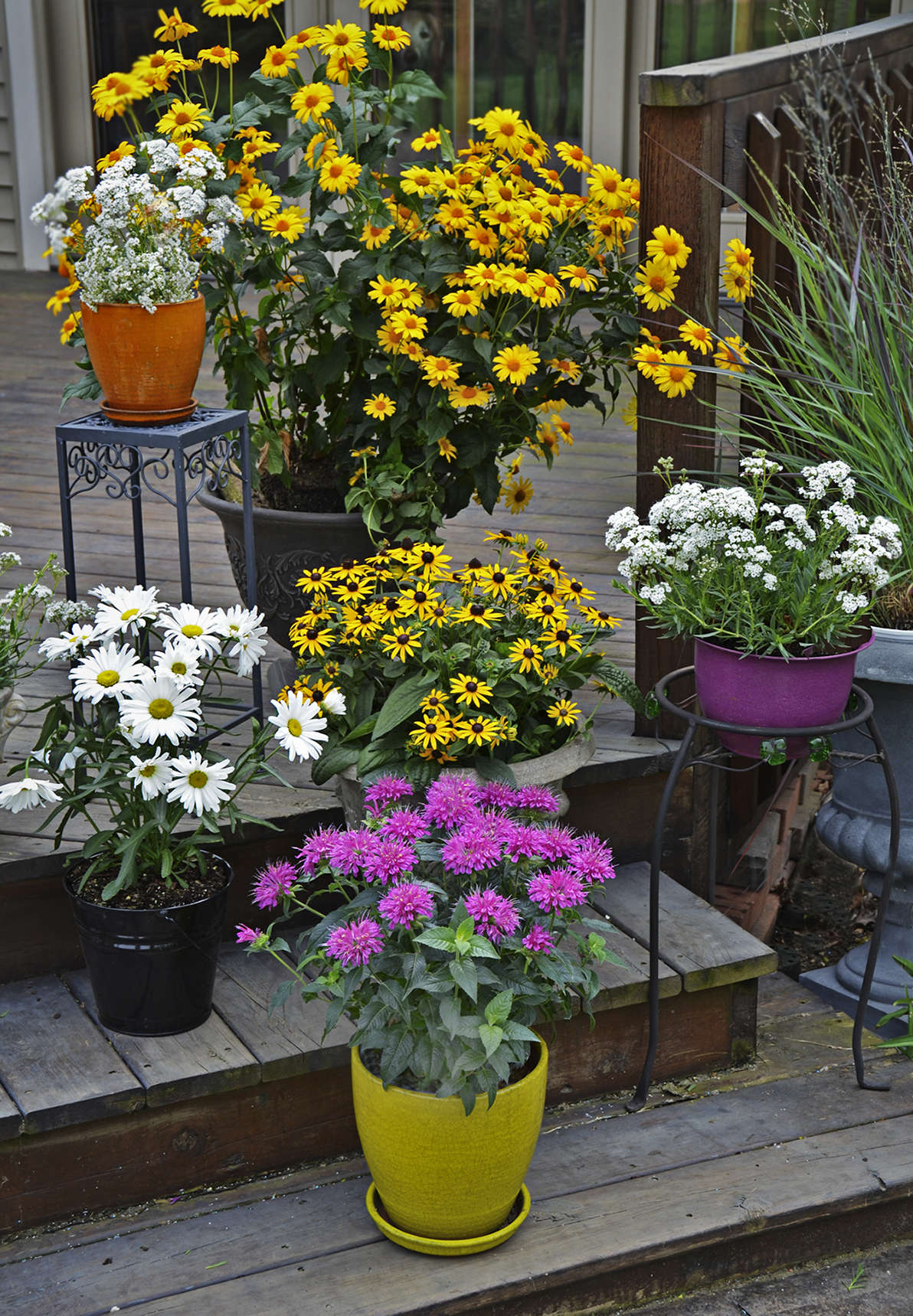
Perennials can indeed survive and thrive in planter boxes, provided that certain conditions are met. Unlike annual plants, which need to be replanted each year, perennials return year after year, making them a popular choice for container gardening. The key factors that influence the success of perennials in planter boxes include proper selection of plants, suitable soil composition, adequate watering, and ensuring that the planter box has proper drainage.
Choosing the Right Perennials
When selecting perennials for your planter boxes, it is essential to consider their growth habits, root depth, and preferred climate conditions. Some perennials may thrive in confined spaces while others may become root-bound quickly. Factors to consider include:
- Size of the Plant: Opt for varieties that are more compact and have shallow root systems.
- Climate Adaptability: Choose plants that can handle the local climate, including temperature extremes.
- Sunlight Requirements: Ensure the selected perennials match the light availability of your location (full sun, partial shade, etc.).
Soil Composition
The type of soil used in planter boxes can significantly affect the health of perennials. Using high-quality potting soil is crucial. Consider the following aspects:
- Drainage: It is crucial to have well-draining soil to avoid waterlogging, which can rot the roots.
- Nutrient Content: Ensure the soil is rich in organic matter to provide nutrients necessary for growth.
- pH Level: Most perennials prefer a slightly acidic to neutral pH (around 6.0 to 7.0).
Watering Practices
Proper watering techniques are vital for maintaining the health of perennials in planter boxes. Overwatering can lead to root rot, while underwatering can stress the plants. Important considerations include:
- Consistency: Watering should be consistent, allowing the soil to dry out slightly between waterings.
- Seasonal Adjustments: Watering needs may change with the seasons; plants may need more water during hot, dry periods.
- Mulching: Adding a layer of mulch can help retain moisture and regulate soil temperature.
Drainage Considerations
One of the most crucial factors for the success of perennials in planter boxes is proper drainage. Excess water can damage roots and lead to plant failure. Here are some tips:
See also:
- Drainage Holes: Always ensure your planter boxes have sufficient drainage holes at the bottom.
- Elevation: Elevate the planter boxes slightly off the ground to allow excess water to escape.
- Drainage Layer: Consider adding a layer of rocks or gravel at the bottom of the planter to enhance drainage.
Seasonal Care for Perennials
Caring for perennials in planter boxes requires attention throughout the growing season. Seasonal care practices can make a significant difference in their success:
- Pruning: Regularly prune back perennials to promote healthy growth and flowering.
- Fertilization: Apply a balanced, slow-release fertilizer during the growing season to provide nutrients.
- Winter Protection: In colder climates, provide insulation or move planter boxes to protect them from freezing temperatures.
What not to put in a raised bed?
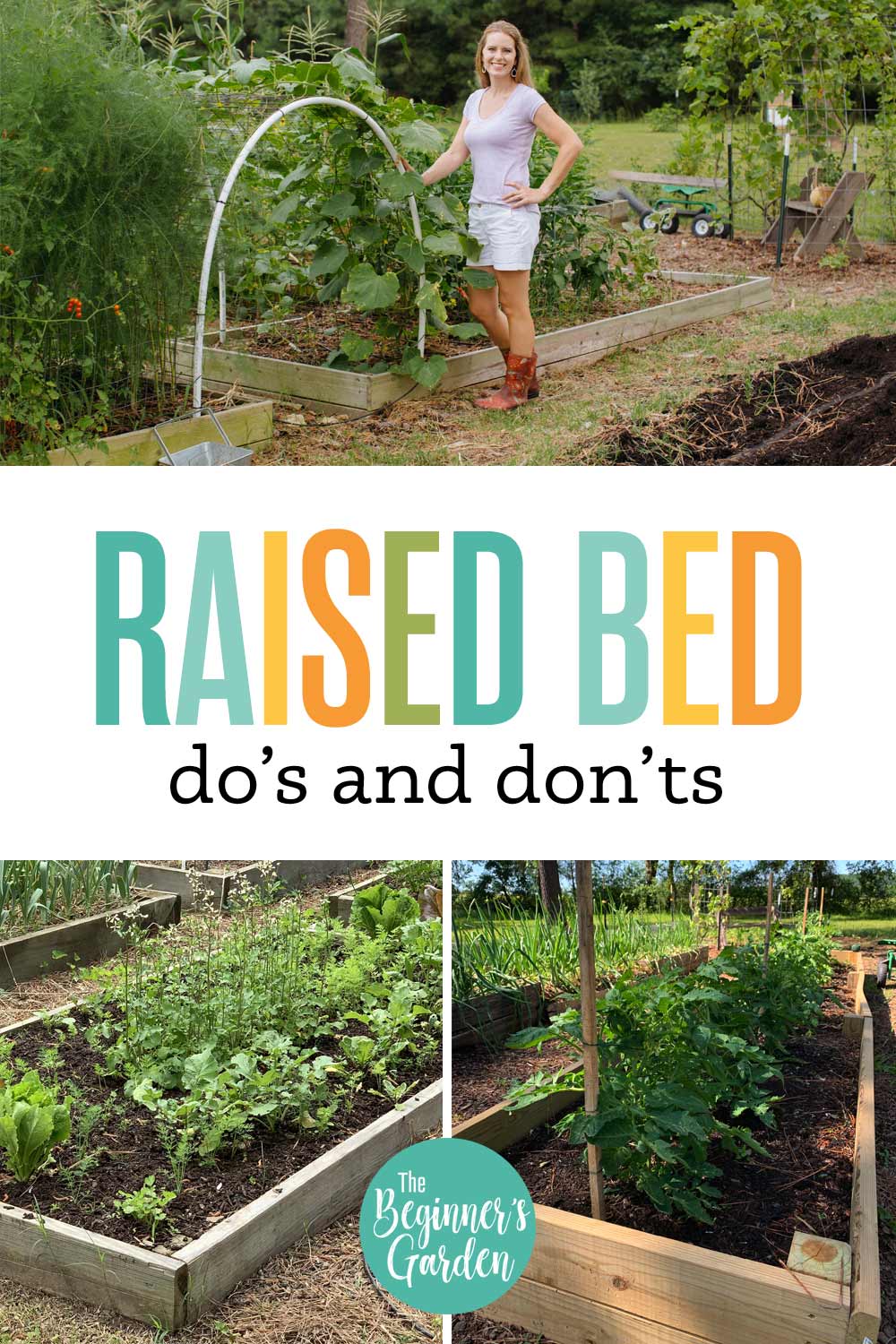
When creating a raised bed, it’s essential to consider what materials and items should be excluded to ensure healthy plant growth and a sustainable gardening environment. Here are several key things not to put in a raised bed:
Avoid Using Treated Wood
Using treated wood in your raised bed can introduce harmful chemicals into the soil. Treated wood often contains preservatives like chromated copper arsenate (CCA), which can leach into the soil and affect plant health. Instead, consider using naturally rot-resistant wood like cedar or untreated wood, or opting for alternatives like composite materials.
- Chemicals in Treated Wood: Potential contamination of soil.
- Alternative Options: Untreated wood or metal for construction.
- Longevity: Treated wood doesn't provide long-term safety for food crops.
Do Not Use Heavy Soil Mixes
A common mistake in raised bed gardening is using heavy soil or garden soil. Such mixes can lead to poor drainage and soil compaction, preventing roots from accessing necessary air and nutrients. A suitable raised bed mix should include materials that promote drainage and aeration.
- Soil Compaction Risks: Affects root growth.
- Water Drainage: Essential for plant health.
- Ideal Mix: Combine compost, topsoil, and coarse materials like perlite.
Do Not Add Invasive Weeds
Adding invasive weeds or their seeds to your raised bed can result in an uncontrollable growth situation. These weeds not only compete for nutrients but may also attract pests and diseases that can harm your plants. Always make sure to prepare your soil carefully and inspect for any unwanted seeds before planting.
- Weed Control: Reduces healthy plant growth.
- Pest Attraction: Some weeds bring unwanted insects.
- Regular Maintenance: Ensure to remove any potential weeds before planting.
Avoid Using Non-Organic Fertilizers
Utilizing non-organic fertilizers or synthetic chemicals in your raised bed can alter soil health negatively. These substances may promote quick plant growth but can deplete essential soil organisms over time. Opt for organic fertilizers like compost or well-rotted manure to feed your plants naturally and sustainably.
- Soil Organism Health: Organic options promote beneficial microorganisms.
- Long-Term Benefits: Sustainable growth encourages better plant resilience.
- Natural Fertilizer Options: Consider compost tea or fish emulsion.
Never Include Food Scraps
While composting is beneficial, adding food scraps directly into your raised bed can draw unwanted pests and create odor issues. Instead, compost these scraps separately, allowing them to decompose and then integrate them into your raised bed as compost, thereby enriching the soil without the associated problems.
- Pest Issues: Attracts rodents and other animals.
- Odor Problems: Decomposing food can emit unpleasant smells.
- Better Alternatives: Use well-composted materials instead of fresh scraps.
Questions from Our Readers
What are the best perennials for raised beds?
Many perennials thrive in raised beds due to improved drainage and soil quality. Some of the best options include echinacea, daylilies, and lavender. These plants not only offer vibrant colors but also attract pollinators, making them a great choice for any garden.
How can I improve soil quality for perennials in raised beds?
To enhance soil quality for your perennials, incorporate organic matter such as compost or well-rotted manure. This will improve nutrient availability and boost beneficial microbial activity, creating a healthy environment for your plants to thrive.
See also:
What factors should I consider when planting perennials in raised beds?
When planting in raised beds, consider factors such as sunlight, water drainage, and spacing. Different perennials have specific needs, so it's essential to choose plants that can thrive together in terms of light and moisture requirements.
Can I grow vegetables alongside perennials in raised beds?
Yes, you can successfully grow vegetables and perennials together in raised beds. However, be mindful of the growth habits of both types of plants to ensure they do not compete for resources. Select companion plants that work well together for optimal growth.

If you want to read more articles like Discover What Perennials Grow Well in Raised Beds? Tips for a Thriving Garden, we recommend you check out our Perennials category.
Leave a Reply
Related Articles