What Not to Mix with Elderberry? Essential Tips for Safe Consumption

Elderberry has gained popularity as a natural remedy for its potential health benefits, particularly in combating colds and flu. However, while it can be a powerful ally in supporting the immune system, it is essential to understand what not to mix with elderberry to ensure safe consumption. Certain medications, supplements, and dietary choices may interact adversely with elderberry, leading to unwanted side effects or diminished effectiveness. In this article, we will explore key tips and guidelines on avoiding harmful combinations, helping you enjoy the benefits of elderberry safely while maximizing its therapeutic potential.
What Not to Mix with Elderberry?
Elderberry, known for its potential immune-boosting properties, should be approached with caution when combined with certain substances. Mixing elderberry with medications such as diuretics, immunosuppressants, or blood thinners can lead to adverse effects or diminished efficacy of the drugs. For instance, as elderberry may enhance fluid retention and stimulate the immune system, it could counteract the effects of immunosuppressive medications prescribed for conditions like autoimmune disorders. Therefore, it’s crucial to consult a healthcare provider before adding elderberry supplements to your routine, particularly if you are on any medication or have underlying health issues.
Potential Interactions with Diuretics
When taken alongside diuretics, elderberry may enhance the effects of these medications, leading to increased fluid loss and electrolyte imbalances. This could result in symptoms such as dehydration, dizziness, or muscle cramps, particularly in individuals who are sensitive to changes in fluid balance.
Effects on Blood Sugar Levels
Elderberry may influence blood sugar levels, which could pose a risk for those taking medications to manage diabetes. Combining elderberry with hypoglycemic agents could lead to potentially low blood sugar (hypoglycemia), requiring careful monitoring and adjustment of medication dosages.
Impact on Immunosuppressants
For individuals taking immunosuppressants after organ transplants or for autoimmune diseases, elderberry might inadvertently stimulate the immune system, which can lead to rejection of the transplant or exacerbation of autoimmune conditions. Therefore, it is advisable for these patients to avoid elderberry unless approved by their healthcare provider.
Interactions with Anticoagulants
Elderberry has blood-thinning properties that could amplify the effects of anticoagulants, such as warfarin. This could lead to an increased risk of bleeding or bruising, necessitating careful consideration and possible adjustment of medication when combining elderberry with such treatments.
Gastrointestinal Concerns
Some individuals may experience gastrointestinal discomfort when combining elderberry with certain foods or medications, including those that are high in fiber or fat. This can exacerbate symptoms such as nausea, diarrhea, or bloating, making it essential to monitor any reactions closely when integrating elderberry into one’s diet.
| Interaction | Substance | Potential Effect |
|---|---|---|
| Diuretics | Elderberry | Increased fluid loss |
| Blood sugar medications | Elderberry | Potential hypoglycemia |
| Immunosuppressants | Elderberry | Immune system stimulation |
| Anticoagulants | Elderberry | Increased risk of bleeding |
| Gastrointestinal medications | Elderberry | Possible discomfort |
What does elderberry react with?
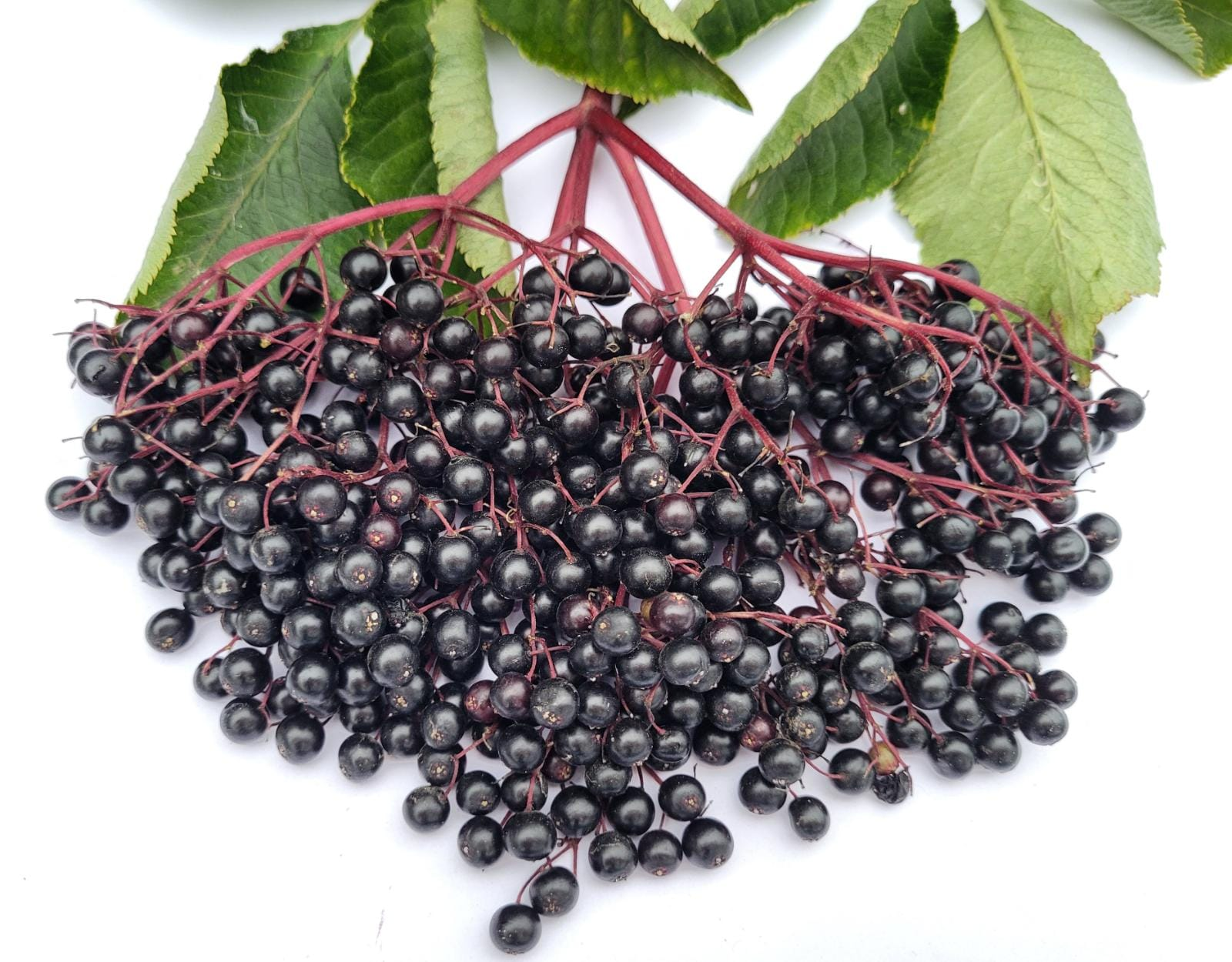
Elderberry, scientifically known as Sambucus nigra, is commonly used as a natural remedy for a variety of health issues, including colds, influenza, and inflammation. However, it can interact with certain medications and substances, which may lead to adverse effects or alter the efficacy of treatments. Here, we explore what elderberry reacts with and its implications.
Interactions with Medications
Elderberry may interact with several medications, causing potential complications:
- Diuretics: Elderberry may enhance the effects of diuretics, leading to increased urination and possible dehydration.
- Immunosuppressants: Because elderberry may boost immune function, it might counteract immunosuppressive medications used by individuals with autoimmune diseases or those undergoing organ transplants.
- Blood sugar medications: Elderberry can affect blood sugar levels and may enhance the effects of antidiabetic drugs, leading to hypoglycemia.
Allergic Reactions
Some individuals may experience allergic reactions to elderberry, especially if they are sensitive to the Sambucus plant family:
- Symptoms: Reactions can include rash, itching, swelling, or breathing difficulties.
- Histamine release: Elderberry might release histamine, leading to symptoms similar to allergies or intolerances.
- Cross-reactivity: Those allergic to other flowers or fruits may react to elderberry due to cross-reactivity.
Synergistic Effects with Other Herbs
Elderberry can interact with various herbs, potentially enhancing or diminishing effects:
- Echinacea: Often used in tandem with elderberry to boost immune response, Echinacea can heighten elderberry's antiviral properties.
- Ginger: Combining elderberry with ginger may amplify its anti-inflammatory benefits.
- Garlic: Elderberry and garlic may provide enhanced protective effects against infections, but caution is advised regarding blood thinning.
Food Interactions
Certain foods can also interact with elderberry, influencing its effect in the body:
- Alcohol: Consuming alcohol with elderberry can increase the likelihood of drowsiness or dizziness.
- Caffeine: There is limited evidence, but caffeine may reduce the efficacy of elderberry by elevating metabolism rates.
- High sugar foods: Sugar may counteract the health benefits of elderberry, particularly its immune-boosting properties.
Considerations for Pregnant or Breastfeeding Women
Elderberry's safety during pregnancy and breastfeeding is not fully established, raising important considerations:
- Potential risks: Consumption of raw or unripe elderberries can cause nausea and gastrointestinal issues, which could be hazardous in vulnerable populations.
- Lack of research: Limited studies on the impact of elderberry on fetal development or breastfeeding infants mean caution is advised.
- Consultation with healthcare providers: Pregnant or breastfeeding women should consult their healthcare providers prior to using elderberry to ensure safety and appropriate dosage.
What to avoid while taking elderberry?

While taking elderberry, there are several important considerations to keep in mind to ensure safety and efficacy. The following details outline potential issues and cautionary measures.
1. Risk of Allergic Reactions
Elderberry can cause allergic reactions in some individuals. It’s crucial to be aware of any previous sensitivities to plants in the Sambucus family. Symptoms to watch for include:
- Rash or hives
- Itching or swelling, particularly in the face or throat
- Difficulties in breathing
If any of these symptoms occur, it is important to cease use immediately and consult a healthcare professional.
2. Interaction with Medications
Elderberry can interact with certain medications, which may enhance or diminish their effects. Here are some that may be affected:
- Immunosuppressants: Elderberry might stimulate immune function, counteracting the effects of these drugs.
- Diuretics: Elderberry may have mild diuretic effects, which could influence the efficacy of diuretic medications.
- Blood thinners: As elderberry can affect blood properties, it may alter the function of anticoagulants.
Always consult a healthcare provider before combining elderberry with prescription medicines.
3. Proper Dosage and Forms
Using the correct dosage of elderberry is essential to avoid any adverse effects. Different forms have varying potency:
- Syrups and extracts: Concentrated forms may require lower dosages compared to dried berries.
- Raw elderberries: Consumption of raw elderberries or other unprocessed parts of the plant is not recommended due to potential toxicity.
- Cooked elderberry: Cooking can render the berries safe, but it is essential to follow recommended guidelines.
Stick to recommended dosages to minimize health risks.
4. Gastrointestinal Issues
Some individuals may experience gastrointestinal discomfort when consuming elderberry, particularly in high amounts. Common reactions include:
- Nausea
- Diarrhea
- Abdominal cramping
To avoid these issues, start with a lower dose and gradually increase it if tolerated.
5. Not a Substitute for Medical Treatment
It's important to remember that elderberry is not a substitute for conventional medical treatment. This is vital for those with serious health conditions, such as:
- Chronic illnesses that require ongoing monitored treatment.
- Severe infections that need immediate medical attention.
- Autoimmune disorders, where immune response needs to be carefully managed.
Always discuss the use of elderberry with a healthcare professional, especially if you have underlying health concerns.
What does elderberry pair well with?

Elderberry pairs well with a variety of ingredients, enhancing both flavor and nutritional benefits. Its tartness and sweetness make it a versatile fruit that can complement and elevate numerous dishes and beverages. Here are some pairings that work particularly well with elderberry:
Elderberry and Citrus Fruits
Citrus fruits like oranges, lemons, and grapefruits create a delightful contrast with the natural sweetness of elderberry. The acidity in citrus brightens the flavor profile and adds refreshing notes.
- Compotes and Sauces: Combining elderberries with a splash of lemon juice in a compote will enhance the tangy flavor.
- Drinks: Citrus-infused elderberry syrups make for refreshing beverages when mixed with sparkling water.
- Salads: A citrus dressing with elderberry can add complexity to a fresh salad.
Elderberry and Apples
The sweet and crisp qualities of apples complement elderberry well. This pairing works beautifully in both sweet and savory dishes, offering a balance between sweetness and tartness.
- Pies: Elderberry and apple pie can be a delicious twist on traditional flavors, adding depth to the filling.
- Jams: Mixing elderberries with apples in jams creates a rich, flavorful spread.
- Salad Toppings: Chopped apples paired with elderberry vinaigrette can elevate a simple salad.
Elderberry and Spices
Spices such as cinnamon, nutmeg, and ginger can amplify the flavors of elderberry, adding warmth and complexity. This combination is particularly appealing during colder months.
- Baked Goods: Incorporating elderberries and spices into muffins or bread enhances their aromatic qualities.
- Hot Beverages: Elderberry teas or syrups mixed with spices make comforting drinks.
- Stews: Adding elderberry and spices to savory stews brings a unique flavor layer.
Elderberry and Berries
Combining elderberry with other berries such as blueberries, raspberries, and strawberries creates a vibrant medley that highlights the natural sweetness and tartness of these fruits.
- Fruit Smoothies: Blending elderberries with other berries yields a nutrient-packed breakfast option.
- Desserts: Mixed berry cobblers or crumbles benefit immensely from the addition of elderberries.
- Fruit Salads: An assortment of berries, including elderberries, makes for an attractive and tasty fruit salad.
Elderberry and Honey
Honey, with its natural sweetness, pairs excellently with elderberry, enhancing its flavor while also providing additional health benefits.
- Sweeteners: Using honey as a sweetener for elderberry syrups or jams balances the acidity.
- Glazes: An elderberry and honey glaze can elevate roasted meats or vegetables.
- Breakfast Options: Drizzling honey over elderberry yogurt or pancakes creates a delightful breakfast treat.
What are the negative side effects of elderberry?
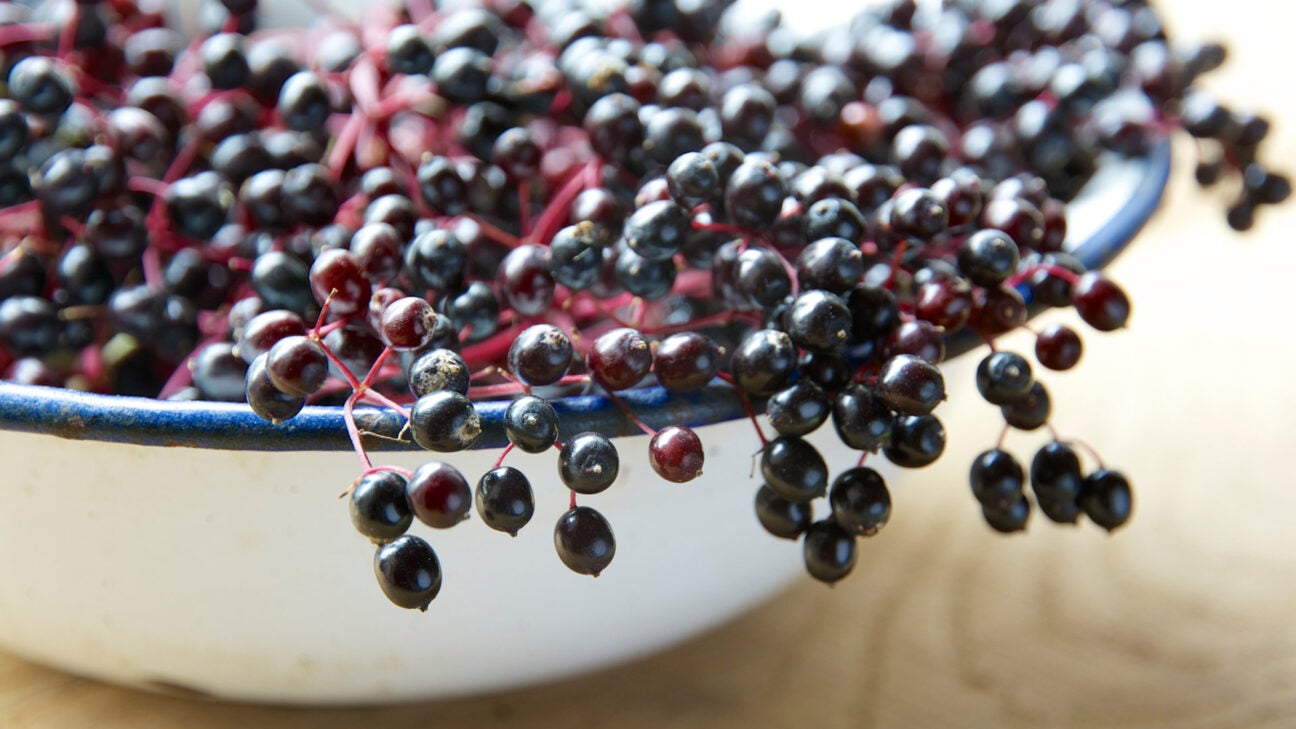
Elderberry, derived from the berries of the Sambucus plant, is often praised for its potential immune-boosting properties. However, there are several negative side effects to consider when consuming elderberry, either in supplement form or as syrup. Some individuals may experience mild to severe reactions.
Potential Allergic Reactions
An important consideration when consuming elderberry is the risk of allergic reactions. Some people may be sensitive to elderberry or other plants in the Sambucus genus. Symptoms can range from mild to severe and may include:
- Itching or rash
- Swelling of the face, lips, or throat
- Difficulty breathing
Gastrointestinal Distress
Another common side effect of elderberry consumption is gastrointestinal distress. This may occur due to certain compounds present in the berries, particularly when they are consumed in large amounts or without proper cooking. Symptoms include:
- Diarrhea
- Nausea
- Vomiting
Interaction with Medications
Elderberry may interact with various medications, potentially altering their effects. This is particularly a concern with:
- Diuretics - Elderberry can enhance the effect of these medications.
- Immunosuppressants - It may counteract the effects of medications intended to suppress the immune system.
- Diabetes medications - Elderberry can affect blood sugar levels, complicating management.
Potential Toxicity from Raw Berries
Raw elderberries and other parts of the elder plant contain cyanogenic glycosides, which can be toxic if consumed in large quantities. To avoid this risk, consider the following:
- Always cook elderberries thoroughly before consumption.
- Avoid raw berries or unprocessed products made from them.
- Opt for reputable sources when purchasing elderberry products.
Effects on Pregnant and Nursing Women
The safety of elderberry for pregnant or nursing women is not well established, leading to potential risks such as:
- Uncertain effects on fetal development.
- Possible impact on breast milk production.
- Risk of contamination in unregulated elderberry products.
Questions from Our Readers
What medications should not be mixed with elderberry?
Elderberry can interact with certain medications, particularly those that suppress the immune system, such as immunosuppressants. It may enhance the immune response, potentially reducing the effectiveness of these drugs. Always consult with a healthcare professional before combining elderberry with any prescription medications.
Can elderberry be taken with blood thinners?
Elderberry may have an effect on blood clotting; therefore, it is advisable to be cautious when combining it with blood thinners like warfarin or aspirin. The risk of bleeding might increase when these substances are mixed, so a doctor's guidance is essential.
Are there any supplements that shouldn't be taken with elderberry?
Certain immune-boosting supplements should be approached with caution when taking elderberry, as they may lead to an overly stimulated immune response. It's best to avoid combining elderberry with supplements such as echinacea or ginseng unless advised by a healthcare provider.
Is it safe to mix elderberry with alcohol?
Mixing elderberry with alcohol is not recommended, as alcohol can have a suppressive effect on the immune system, which may counteract the benefits of elderberry. Additionally, both substances can cause dehydration and other adverse effects, so it's prudent to avoid combining them.

If you want to read more articles like What Not to Mix with Elderberry? Essential Tips for Safe Consumption, we recommend you check out our Berries category.
Leave a Reply
Related Articles