What is the Longest Blooming Plant? Discover the Top Perennial Blooms for Your Garden

When it comes to creating a vibrant garden, the choice of plants plays a crucial role in achieving a stunning visual display throughout the seasons. Among the myriad of options, perennials stand out for their ability to return year after year, offering consistent beauty. But what if you could choose plants that bloom for extended periods? In this article, we will explore the longest blooming perennials, showcasing varieties that will keep your garden alive with color and fragrance. Discover the top selections that not only enhance the aesthetic appeal but also provide continuous enjoyment for garden enthusiasts.
What is the Longest Blooming Plant?
The longest blooming plant is often considered to be the Hibiscus rosa-sinensis, commonly known as the Chinese hibiscus. This vibrant, tropical plant can produce stunning flowers that last for more than 12 months under the right conditions. With proper care, including optimal sunlight, humidity, and watering, the Chinese hibiscus can continue to bloom with large and colorful flowers throughout the year. In addition to its beautiful appearance, this plant is also known for attracting numerous pollinators, making it a favorite among gardeners in suitable climates.
Characteristics of Hibiscus rosa-sinensis
Hibiscus rosa-sinensis, or Chinese hibiscus, is known for its large, showy flowers that can measure up to 6-8 inches in diameter. These flowers come in a variety of colors, including red, pink, yellow, and white, often with contrasting centers. The plant typically grows to a height of 4-10 feet, making it a suitable choice for both garden landscapes and container gardening. Its evergreen foliage adds to its appeal, as it maintains a lush appearance year-round.
Optimal Growing Conditions
To thrive, the Chinese hibiscus requires specific growing conditions. It prefers full sunlight, receiving at least 6 hours of bright light daily, which promotes abundant blooming. The plant also thrives in well-draining soil that maintains moderate moisture. It benefits from regular watering but should never be waterlogged. Additionally, the use of fertilizers during the growing season helps to provide the necessary nutrients for continuous blooms.
Bloom Cycle and Duration
The bloom cycle of the Hibiscus rosa-sinensis is remarkable, with flowers typically lasting for one day; however, the plant continually produces new blooms throughout the year. This means that as one flower fades, another is set to bloom, resulting in a near-constant display of color and life. With appropriate care and environmental conditions, it can have multiple flowers blooming simultaneously, extending its overall flowering period.
Attracting Pollinators
Another significant benefit of the Chinese hibiscus is its ability to attract various pollinators, including bees, butterflies, and hummingbirds. The vibrant colors and abundant nectar of the flowers serve as an irresistible draw for these important creatures. By including this plant in a garden, it not only enhances aesthetic appeal but also supports local ecosystems by providing a vital food source for pollinators.
Maintenance Tips
Proper maintenance of the Hibiscus rosa-sinensis is crucial for ensuring its longevity and blooming capability. Regular pruning helps to promote healthy growth and can encourage more blooms. Additionally, protection from extreme weather conditions, such as frost, is essential in cooler climates. Container-grown plants may need to be moved indoors during colder months to prevent damage. Furthermore, monitoring for pests and diseases can help maintain the health of the plant.
| Feature | Description |
|---|---|
| Flower Size | 6-8 inches in diameter |
| Colors | Red, Pink, Yellow, White |
| Height | 4-10 feet |
| Sunlight | At least 6 hours daily |
| Bloom Duration | Flowers last one day, but blooms continuously |
What plant stays in bloom the longest?
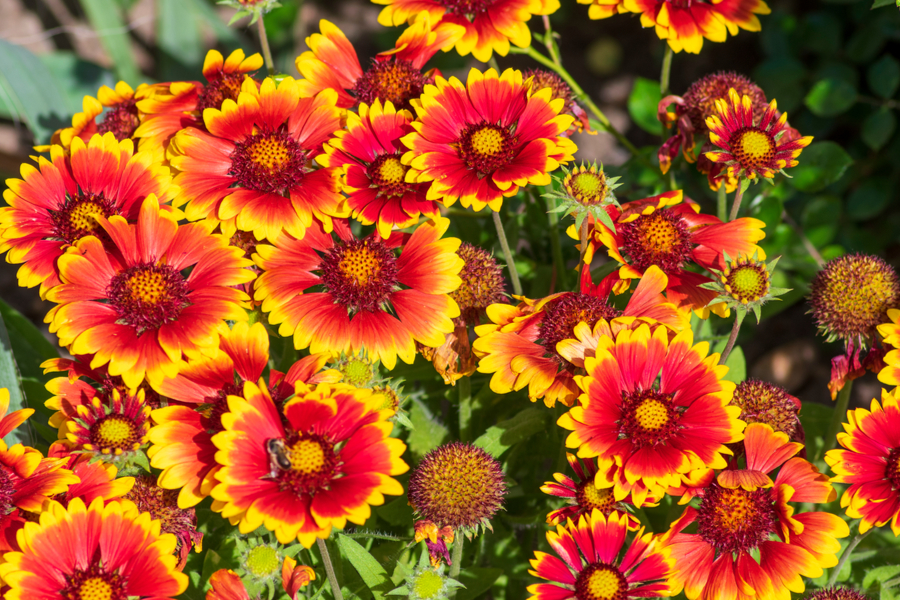
The plant that stays in bloom the longest is generally considered to be the Geranium species, particularly the forms known as zonal or hybrid geraniums. These plants are favored by gardeners for their vibrant colors and long-lasting blooming periods, often flowering from late spring until the first frost. Their resilience and ability to thrive in various conditions make them a popular choice for both garden beds and container planting.
Characteristics of Long-Blooming Plants
Long-blooming plants typically have certain characteristics that allow them to produce flowers for extended periods.
- Adaptability: They can thrive in different environments and climates.
- Continuous Flower Production: They have mechanisms to produce flowers over an extended season.
- Maintenance Requirements: Many require less frequent deadheading and care to prolong their bloom time.
Popular Long-Blooming Annuals
In addition to geraniums, there are several other annual plants that can stay in bloom for a long time.
- Petunias: Known for their wide array of colors and ability to flourish until frost.
- Begonias: Non-stop bloomers that can thrive in partial shade.
- Marigolds: They bloom continuously, attracting pollinators and repelling pests.
Perennials That Flower for Extended Periods
Several perennial plants also exhibit long blooming cycles, making them ideal for gardeners looking for consistent color throughout the year.
- Daylilies: These can bloom continuously for approximately six weeks, with many varieties offering staggered blooms.
- Salvia: Known for its vibrant spikes of flowers that can bloom multiple times a season.
- Echinacea: Also known as coneflower, these bloom from midsummer to early fall, attracting butterflies and bees.
Care Tips for Long-Blooming Plants
Maintaining long-blooming plants requires some specific care practices to ensure they flourish throughout their blooming period.
See also:
- Regular Watering: Consistent moisture is essential, especially during dry spells.
- Appropriate Fertilization: Using a balanced fertilizer during the growing season promotes healthy blooms.
- Deadheading: Removing spent flowers encourages plants to produce more blooms.
Environmental Factors Influencing Bloom Duration
Several environmental factors can significantly influence the blooming duration of plants.
- Climate: Warmer climates can extend the growing season and thereby lengthen blooming durations.
- Soil Quality: Nutrient-rich soils can improve plant health and increase blooms.
- Sun Exposure: Most long-blooming plants thrive in full sun, which enhances flower production.
What is the longest blooming plant in the world?

The longest blooming plant in the world is often considered to be the Hibiscus rosa-sinensis, commonly known as the Chinese hibiscus or Tropical hibiscus. This plant is known for its vibrant, large flowers that can bloom for an extended period, providing color and beauty in gardens year-round in suitable climates. While many factors influence blooming duration, the Chinese hibiscus can produce flowers continually across several months, particularly in tropical and subtropical regions where conditions are ideal.
The Ideal Growing Conditions for Hibiscus
The growth and flowering of the Chinese hibiscus are significantly influenced by its environment. Here are some essential conditions for optimal growth:
- Temperature: Hibiscus thrives in warm temperatures, ideally between 60°F to 100°F (15°C to 38°C).
- Sunlight: This plant requires full sun for at least 6-8 hours daily to encourage blooming.
- Soil: Well-draining, rich soil is vital for the healthy growth of hibiscus, ensuring that the roots do not sit in water.
Care Tips for Prolonged Blooms
To maximize the bloom time of Chinese hibiscus, proper care is necessary. Consider the following tips:
- Watering: Regular watering keeps the soil moist but not soggy; this is crucial during flowering.
- Fertilizing: Use a balanced fertilizer every 4-6 weeks during the growing season to promote abundant blooms.
- Pruning: Pruning the plant encourages bushier growth and can lead to more flowers throughout the blooming season.
Comparison with Other Long-Blooming Plants
While the Chinese hibiscus is a strong contender for the title of the longest blooming plant, there are other contenders worth noting:
- Perennial Geraniums: These plants can bloom for long periods, typically from late spring to early fall, depending on the variety.
- Rose plants: Certain varieties of roses can also bloom continuously from spring until fall in the proper conditions.
- Plumbago: Known for its stunning blue flowers, plumbago can bloom repeatedly throughout the warmer months.
Significance of Long-Blooming Plants
The importance of long-blooming plants like the Chinese hibiscus extends beyond aesthetics. Here are some key points:
- Pollinator Attraction: Long-blooming plants provide a sustained food source for pollinators such as bees and butterflies.
- Continuous Color: They enhance the beauty of gardens and landscapes by offering consistent visual interest.
- Cultural Importance: In many cultures, certain plants symbolize hospitality and beauty, further integrating them into local traditions.
Common Pests and Problems
Like any plant, the Chinese hibiscus may face various challenges that can affect its blooming potential. Here are some common issues:
- Pests: Common pests include aphids, spider mites, and whiteflies, which can damage leaves and reduce flowering.
- Diseases: Fungal diseases can occur, particularly if plants are overwatered or lack air circulation.
- Nutrient Deficiencies: Yellowing leaves can indicate a need for specific nutrients, which may hinder flowering.
What plant takes the longest time to bloom?
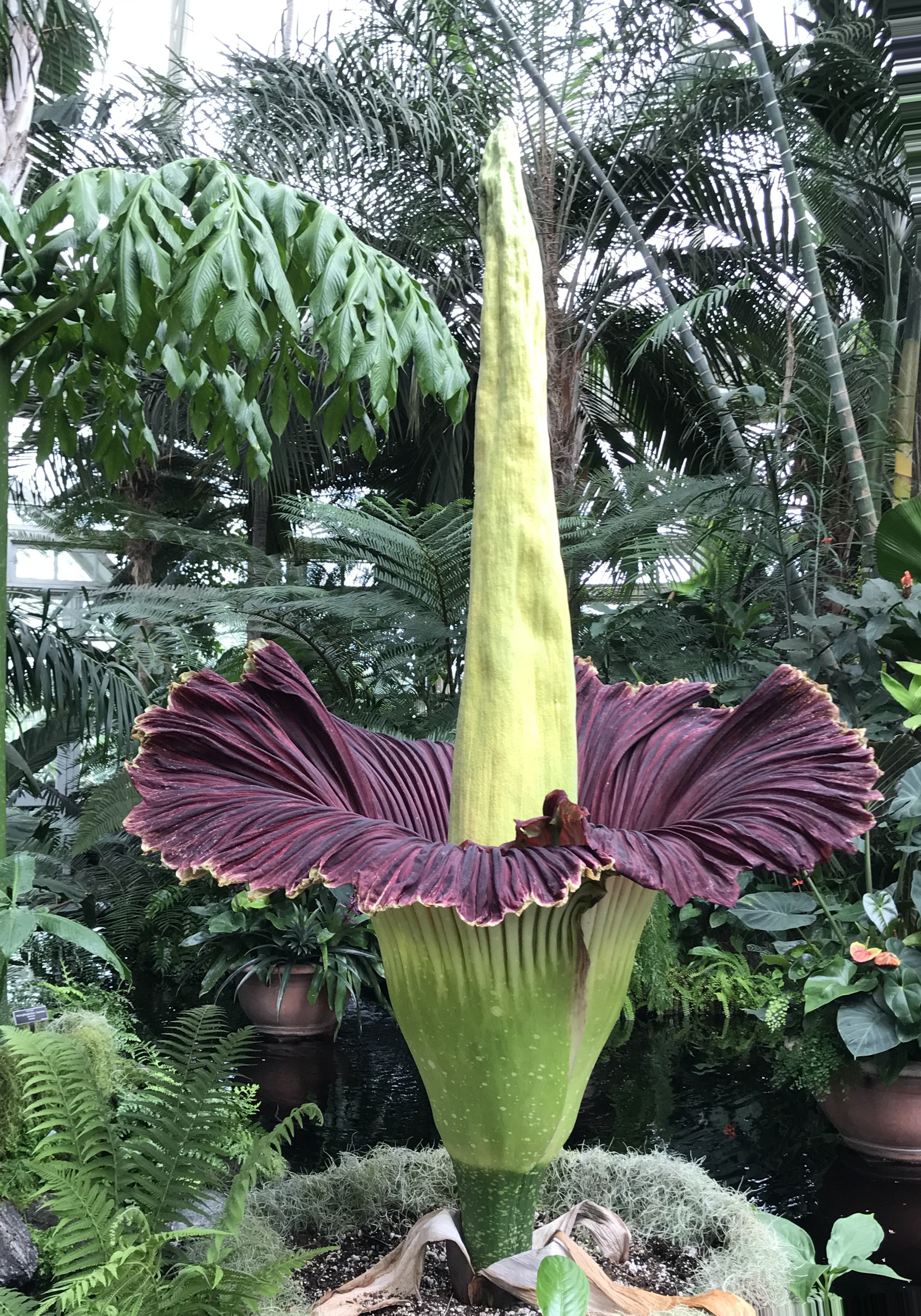
The plant that takes the longest time to bloom is the Agave americana, commonly known as the century plant. This succulent plant typically takes between 10 to 30 years to flower, depending on environmental conditions and care. The flowering process involves a long period of growth and energy accumulation. When it finally blooms, it produces a tall flower spike that can reach heights of up to 30 feet. After flowering, the plant usually dies, as it is monocarpic, meaning it flowers only once in its lifetime.
The Life Cycle of Agave americana
The life cycle of the Agave americana is fascinating and involves several stages:
- Germination: The seeds take time to germinate under specific conditions, often several weeks.
- Vegetative Growth: After germination, the plant focuses on vegetative growth for a decade or more.
- Flowering: Finally, after many years, the plant directs its energy towards producing flowers.
Factors Affecting Blooming Time
Several factors influence how long it takes for Agave americana to bloom:
- Climate: Warmer climates can accelerate growth, while cooler areas may delay blooming.
- Soil Quality: Nutrient-rich soils promote better growth but may not necessarily lead to quicker blooming.
- Watering: Regular watering affects the plant's overall health and can influence the timing of flowering.
Comparison with Other Plants
When comparing Agave americana to other slow-blooming plants, it stands out uniquely:
See also:
- Bamboo: Some species of bamboo can take several years to flower but generally do not reach the same age as Agave.
- Tree Species: Certain trees may take decades to bloom, but they do not have a single protocol for their flowering lifecycle.
- Cacti: Many cacti have long lifespans but usually have shorter flowering periods compared to Agave americana.
Cultural Significance of Agave americana
The cultural significance of Agave americana is immense in various societies:
- Food Source: The plant is used to produce tequila, derived from its fermented sugars.
- Medicinal Uses: Parts of the plant can be used for various traditional medicines.
- Symbolism: It often symbolizes resilience and longevity due to its lengthy life cycle.
Care Tips for Agave americana
To cultivate Agave americana and potentially encourage blooming, consider these care tips:
- Drainage: Ensure the soil has excellent drainage to prevent rot.
- Sunlight: Provide plenty of sunlight, as Agave thrives in bright conditions.
- Minimal Watering: Water sparingly, allowing the soil to dry out between watering.
What flower is 100 year blooming?

The flower that is famously known for its centennial blooming is the sacred lotus (Nelumbo nucifera). This aquatic plant is renowned not only for its beauty and cultural significance but also for its extraordinary ability to remain dormant for extended periods and then bloom dramatically after 100 years. This remarkable characteristic has led to its association with longevity and rebirth in various cultures.
The Biology of the Sacred Lotus
The sacred lotus is a perennial plant that thrives in muddy waters and is capable of producing large, vibrant flowers. Its biological traits include:
- Adaptation to Aquatic Life: The lotus has specialized structures that allow it to thrive in aquatic environments.
- Photosynthesis: Its large leaves float on the surface, maximizing exposure to sunlight for effective photosynthesis.
- Seed Longevity: Seeds of the sacred lotus can remain dormant for years and remain viable even after a century, allowing it to bloom long after planting.
Cultural Significance of the 100-Year Blooming Flower
The sacred lotus holds deep cultural and spiritual meanings in various traditions, particularly in Asia. Its attributes symbolize:
- Purity: Despite growing in murky waters, the lotus produces pristine blooms, representing purity of heart and mind.
- Enlightenment: In Buddhism, the lotus often symbolizes spiritual enlightenment, as it rises from the darkness to bloom.
- Resilience: The ability to thrive despite environmental challenges reflects resilience, making it a powerful symbol in literature and art.
Mechanisms of Dormancy and Blooming
The sacred lotus exhibits fascinating mechanisms that enable its dormancy followed by a stunning bloom:
- Seed Dormancy: This plant's seeds can remain in a state of dormancy, waiting for the right conditions to germinate.
- Triggering Growth: Once the conditions are favorable, such as temperature and moisture levels, the seeds absorb water and begin sprouting.
- Flowering Cycle: After growing for several years, once the plant matures, it produces the iconic flowers that can last for days above the water's surface.
Environmental Conditions for Optimal Growth
To thrive and potentially achieve the 100-year blooming cycle, the sacred lotus requires specific environmental conditions:
- Warm Temperatures: The ideal conditions for blooming include warm climates, typically found in tropical and subtropical regions.
- Water Depth: A depth of about 12-18 inches is optimal for growth, providing sufficient nutrients without drowning the roots.
- Sunlight Exposure: Adequate sunlight is crucial; the lotus generally requires full sun for optimal photosynthesis and blooming.
The Role of Sacred Lotus in Ecosystems
The sacred lotus plays a vital ecological role in its habitat, contributing to the health and balance of aquatic systems:
- Habitat Creation: The large leaves provide shelter and nesting areas for various aquatic species.
- Nutrient Cycling: As its leaves decompose, they add nutrients back into the water, enhancing biodiversity.
- Water Quality Improvement: The roots help stabilize sediment and filter pollutants, contributing to overall water quality.
Questions from Our Readers
What is the longest blooming plant?
The longest blooming plant is often considered to be the crown flower (Calotropis gigantea), which can bloom for several months in a favorable climate. Other contenders include some species of orchids and geraniums that also have extended blooming periods, but the crown flower is notable for its long-lasting blooms in tropical regions.
How long can a plant bloom continuously?
Some plants can bloom continuously for several months, depending on their species, environmental conditions, and care. For example, certain types of petunias and hibiscus are known for their extended flowering times, potentially blooming from spring until fall with proper care.
What factors influence the blooming duration of a plant?
The blooming duration of a plant is influenced by several factors, including temperature, lighting, water availability, and soil quality. Providing optimal conditions can significantly extend the blooming period, allowing the plant to thrive and produce flowers for a longer time.
Are there any specific care tips to encourage longer blooming?
To encourage longer blooming periods, it is important to provide the right amount of sunlight, maintain consistent watering, and use fertilizers appropriate for flowering plants. Additionally, removing spent blooms, a practice known as deadheading, can stimulate new flower growth and prolong the blooming season.
See also:

If you want to read more articles like What is the Longest Blooming Plant? Discover the Top Perennial Blooms for Your Garden, we recommend you check out our Perennials category.
Leave a Reply
Related Articles