What is the healthiest berry to eat? Discover the Top Nutrient-Packed Choices for Optimal Health

Berries are often celebrated as nutritional powerhouses, packed with vitamins, antioxidants, and fiber. But with so many varieties available, which berry reigns supreme in terms of health benefits? In this article, we will delve into the top nutrient-dense berries, exploring their unique health advantages and how they can contribute to overall well-being. From boosting heart health to enhancing cognitive function, these small fruits offer big benefits. Join us as we uncover the healthiest berry choices that can easily be incorporated into your diet for optimal health and vitality.
What is the Healthiest Berry to Eat?
When considering the healthiest berry to eat, many experts highlight the blueberry due to its impressive nutrient profile. Blueberries are rich in antioxidants, particularly anthocyanins, which contribute to their deep blue color and are known for combating oxidative stress in the body. They also provide significant amounts of vitamin C, vitamin K, and fiber. Studies suggest that regular consumption of blueberries may be linked to a reduced risk of chronic diseases such as heart disease and diabetes. Additionally, they have anti-inflammatory properties and are believed to enhance cognitive function, making them a superb choice in the berry family.
Nutritional Profile of Berries
Different berries offer a variety of nutritional benefits, but when comparing them, blueberries generally stand out. For example, a cup of blueberries contains approximately 84 calories, 21 grams of carbohydrates, and 3.6 grams of fiber. In contrast, strawberries provide fewer calories but contain more vitamin C, while raspberries offer a higher fiber content. The unique combination of low calories and high nutrient density makes blueberries a prime candidate for the healthiest berry.
Antioxidant Properties
Berries are well-known for their antioxidant properties, which help to neutralize free radicals in the body. Blueberries, in particular, are often cited as the berry with the highest levels of antioxidants, primarily due to the presence of polyphenols. Research indicates that the consumption of blueberries may help reduce oxidative stress, thereby potentially lowering the risk of certain diseases and promoting overall health.
Health Benefits of Blueberries
Consuming blueberries is associated with numerous health benefits. Research has shown that they can improve heart health by lowering blood pressure and cholesterol levels. Additionally, blueberries have been linked with improved cognitive function, particularly in older adults, suggesting potential protective effects against neurodegenerative diseases. Their anti-diabetic effects are also noteworthy; they may help regulate blood sugar levels and improve insulin sensitivity.
Comparative Benefits of Other Berries
While blueberries are often seen as the healthiest berry, other berries like strawberries, raspberries, and blackberries also have significant health benefits. Strawberries are particularly high in vitamin C, while raspberries boast high levels of fiber and antioxidants. Blackberries are rich in vitamins A and K and contain substantial amounts of manganese. Each berry has its own unique set of benefits, making it important to include a variety in your diet.
How to Incorporate Berries into Your Diet
Incorporating berries into your diet is simple and can be done in numerous ways. Adding them to your morning smoothie, yogurt, or oatmeal enhances both taste and nutrition. They can also be enjoyed as a healthy snack or incorporated into salads for a refreshing twist. Cooking with berries, such as making homemade jams or sauces, can also be a delightful way to enjoy their flavor and health benefits throughout the year.
| Berry | Calories (per cup) | Fiber (grams) | Vitamin C (mg) | Antioxidants |
|---|---|---|---|---|
| Blueberries | 84 | 3.6 | 14.4 | High |
| Strawberries | 49 | 3.0 | 89.4 | Moderate |
| Raspberries | 65 | 8.0 | 32.2 | High |
| Blackberries | 62 | 7.6 | 30.2 | Moderate |
What is the number one healthiest berry?
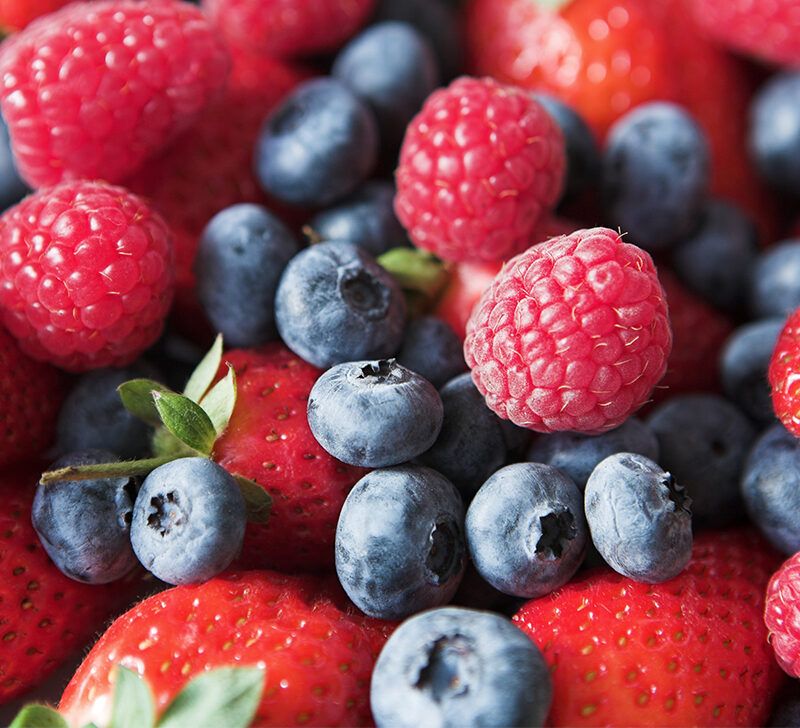
The number one healthiest berry is often considered to be the blueberry. Blueberries are packed with a variety of beneficial nutrients and have been associated with numerous health benefits. Rich in antioxidants, vitamins, and minerals, they are a favorite among health enthusiasts. Studies suggest that consuming blueberries may help improve heart health, brain function, and reduce the risk of chronic diseases.
Health Benefits of Blueberries
Blueberries offer an array of health benefits, making them a valuable addition to your diet. Some of the key advantages include:
- Rich in Antioxidants: Blueberries are loaded with antioxidants, particularly anthocyanins, which help combat oxidative stress.
- Heart Health: Regular blueberry consumption has been linked to lower blood pressure and improved cholesterol levels, promoting overall cardiovascular health.
- Brain Function: Studies indicate that blueberries may enhance memory and cognitive function, potentially slowing age-related decline.
Nutritional Profile
The nutritional composition of blueberries is impressive and contributes to their status as the healthiest berry. Key components include:
- Low in Calories: Blueberries are relatively low in calories, making them an ideal snack for weight management.
- High in Fiber: They are a good source of dietary fiber, which supports digestive health and aids in maintaining a healthy weight.
- Vitamins and Minerals: Blueberries contain essential vitamins like vitamin C and K, as well as minerals such as manganese.
How to Incorporate Blueberries into Your Diet
Adding blueberries to your diet is simple and delicious. Here are some effective ways to enjoy them:
- Breakfast Toppings: Sprinkle fresh blueberries on cereal, yogurt, or oatmeal for added flavor and nutrition.
- Smoothies: Blend blueberries into smoothies for a nutrient-packed beverage that's both refreshing and filling.
- Baking: Incorporate blueberries into muffins, pancakes, or bread for a tasty treat with health benefits.
Blueberries vs. Other Berries
While many berries are nutritious, blueberries stand out for several reasons:
- Higher Antioxidant Levels: Compared to other berries, blueberries contain higher levels of antioxidants, which are crucial for fighting inflammation.
- Unique Flavor: Blueberries offer a sweet and slightly tart flavor, making them versatile in both sweet and savory dishes.
- Research Backing: Numerous studies have highlighted the specific health benefits of blueberries, setting them apart from other berries.
Storage and Preservation of Blueberries
Proper storage is essential to maintain the freshness and nutritional value of blueberries. Consider the following tips:
- Refrigeration: Store blueberries in the refrigerator to prolong their shelf life and maintain their texture.
- Freezing: For longer preservation, freeze blueberries after washing and drying them thoroughly; they can be used in smoothies or baked goods later.
- Avoid Moisture: Keep blueberries dry to prevent mold growth; wash them only before consumption.
Which berry is a superfood?

The ultimate superfood among berries is the blueberry. Known for its numerous health benefits, it stands out due to its high levels of antioxidants, vitamins, and minerals. Blueberries are rich in anthocyanins, the compounds that give them their vibrant color, which play a vital role in combating oxidative stress in the body. This has made them popular in health circles, being linked to various health improvements including heart health, cognitive functioning, and anti-inflammatory benefits.
The Nutritional Profile of Blueberries
Blueberries are not only delicious but also incredibly nutritious. They are low in calories and rich in essential nutrients.
- Low in Calories: One cup of blueberries contains approximately 85 calories.
- High in Fiber: Blueberries provide about 4 grams of dietary fiber per cup, promoting digestive health.
- Rich in Vitamins: They are an excellent source of Vitamin C, Vitamin K, and several B vitamins.
Health Benefits of Blueberries
The health benefits of blueberries are extensive and backed by scientific research.
- Antioxidant Properties: Blueberries are one of the most antioxidant-rich fruits, which helps protect body cells from free radical damage.
- Heart Health: Regular consumption is associated with a reduced risk of heart disease due to their ability to lower blood pressure and improve cholesterol levels.
- Improved Brain Function: Studies suggest that blueberries can enhance memory and cognitive function, potentially slowing the progression of age-related conditions.
How to Incorporate Blueberries into Your Diet
Adding blueberries to your diet is easy and delicious. Here are some ideas:
- Smoothies: Blend them into smoothies along with yogurt, spinach, or other fruits for a nutritious beverage.
- Breakfast Toppings: Sprinkle fresh blueberries on oatmeal, pancakes, or yogurt.
- Baking: Add them to muffins, breads, or cakes for a sweet touch and added nutrition.
Comparing Blueberries to Other Berries
While many berries offer health benefits, blueberries have unique characteristics that set them apart.
- Raspberries: High in fiber but lower in antioxidants compared to blueberries.
- Strawberries: Greater amounts of Vitamin C but fewer anthocyanins.
- Blackberries: Similar health benefits but generally less sweet than blueberries.
Choosing and Storing Blueberries
To maximize the health benefits, it's important to select and store blueberries properly.
- Freshness: Look for firm, plump berries with a smooth skin and a deep blue color.
- Storage: Store unwashed blueberries in the refrigerator to keep them fresh for longer.
- Freezing: Blueberries can be frozen for long-term storage; wash, dry, and freeze them in a single layer before transferring to containers.
Which berry gives the most health?

The berry that is often considered the most healthful is the blueberry. This tiny fruit is revered not only for its delicious flavor but also for its remarkable health benefits. Blueberries are packed with antioxidants, vitamins, and minerals that contribute to overall health and wellness. Numerous studies have linked blueberry consumption to various health benefits, making them a top choice for those seeking a nutrient-dense food.
Antioxidant Properties
Blueberries are famous for their high content of antioxidants, particularly anthocyanins, which give them their vibrant blue color. These antioxidants help combat oxidative stress and reduce inflammation in the body.
- Anthocyanins may lower the risk of chronic diseases.
- They can improve heart health by reducing blood pressure.
- Antioxidants support cognitive function and memory.
High Nutrient Density
Blueberries are low in calories yet high in essential nutrients. A serving is rich in vitamins C and K, fiber, and manganese, making them a potent source of nutrition.
- One cup of blueberries contains about 84 calories.
- They provide 24% of the daily recommended intake of vitamin C.
- They contain dietary fiber which aids in digestion.
Support for Heart Health
Research indicates that regular blueberry consumption may result in improved cardiovascular health. This is largely due to their ability to reduce cholesterol levels and improve blood vessel function.
- Blueberries can lower LDL cholesterol, often referred to as bad cholesterol.
- They help maintain healthy blood pressure levels.
- These berries improve endothelial function, which is crucial for heart health.
Possible Cancer Prevention
Some studies suggest that the compounds in blueberries may play a role in cancer prevention by inhibiting tumor growth. Their potent antioxidants help reduce DNA damage that can lead to cancer.
- Anthocyanins may disrupt cancer cell processes.
- They can inhibit inflammation, which is a factor in cancer development.
- Research shows promise for blueberry extracts in slowing tumor growth.
Improvement of Cognitive Function
Regular consumption of blueberries has been linked with improved brain function and memory. This is particularly significant in aging populations, as these berries may help mitigate cognitive decline.
- Blueberries may improve communication between brain cells.
- They show potential for reducing the effects of aging on the brain.
- Studies suggest they can enhance memory recall, especially in older adults.
Questions from Our Readers
What is the healthiest berry to eat?
Blueberries are often considered the healthiest berry due to their high levels of antioxidants, particularly anthocyanins, which help protect the body from oxidative stress and inflammation.
How do berries compare in terms of nutritional value?
While all berries are nutritious, strawberries, raspberries, and blackberries also provide significant amounts of vitamins, minerals, and dietary fiber, contributing to overall health and wellbeing.
Are there any berries with specific health benefits?
Yes, acai berries are known for their high antioxidant content and potential heart health benefits, while goji berries may boost the immune system and improve vision.
Can eating berries help with weight loss?
Including berries in your diet can support weight loss efforts because they are low in calories, high in fiber, and help keep you feeling full, making them an excellent snack choice for those looking to manage their weight.

If you want to read more articles like What is the healthiest berry to eat? Discover the Top Nutrient-Packed Choices for Optimal Health, we recommend you check out our Berries category.
Leave a Reply
Related Articles