What is the Easiest Annual Flower to Take Care Of? Top Choices for Effortless Gardening

Gardening can be a rewarding hobby, but for those with busy schedules or limited experience, maintaining a flourishing flower garden may seem daunting. Fortunately, some annual flowers require minimal care while still offering vibrant colors and beautiful blooms. This article explores the easiest annual flowers for effortless gardening, highlighting options that thrive with little attention. Whether you're a novice gardener or simply seeking low-maintenance options, these top choices will help you create a stunning garden without overwhelming responsibilities. Discover how you can enhance your outdoor space with these resilient and easy-to-manage annual flowers.
What is the Easiest Annual Flower to Take Care Of?
One of the easiest annual flowers to take care of is the marigold. Known for its vibrant blooms and resilience in various growing conditions, marigolds thrive in full sun and can adapt to different soil types, making them suitable for both novice and experienced gardeners. They require minimal maintenance, only needing regular watering and occasional deadheading to promote continued flowering. Their ability to repel certain pests also makes them a popular choice for companion planting in vegetable gardens, providing both aesthetic appeal and functional benefits.
Benefits of Growing Marigolds
Marigolds are not only easy to care for but also offer numerous benefits in the garden. They are known to attract beneficial pollinators such as bees and butterflies while deterring unwanted pests like aphids and nematodes. This natural pest control can help improve the overall health of your garden. Additionally, marigolds come in a variety of colors and sizes, providing a visually appealing option for gardeners looking to add vibrancy to their landscapes. Their long blooming season ensures that your garden remains colorful throughout the growing season.
Ideal Growing Conditions for Marigolds
To ensure optimal growth, marigolds prefer well-draining soil and full sunlight, ideally receiving 6 to 8 hours of direct sun each day. They can tolerate drought conditions once established, but regular watering during dry spells helps maintain their health and vibrancy. Planting marigolds in spring after the last frost will encourage quicker establishment. They can be grown in garden beds, borders, or containers, making them versatile for various gardening styles.
Maintenance Requirements
Marigolds are relatively low-maintenance, requiring only basic gardening practices. Regular watering, particularly in dry conditions, is crucial to their health. Additionally, deadheading, or the removal of spent blooms, encourages further flowering and extends their blooming period. Fertilizing is seldom necessary, but a balanced, low-nitrogen fertilizer can be applied at planting time to give them an initial boost. Overall, weekly checks for pests and diseases are sufficient to keep marigolds healthy without extensive effort.
Popular Varieties of Marigolds
There are several popular varieties of marigolds, with the French marigold (Tagetes patula) and the African marigold (Tagetes erecta) being two of the most common. French marigolds are compact with small flowers, ideal for edging or container gardens, while African marigolds are taller with larger blooms, suitable for back borders. Other notable varieties include 'Crackerjack,' known for its huge pom-pom flowers, and 'Gem,' which features smaller blossoms that are perfect for pot displays. The diverse range of color options includes shades of orange, yellow, red, and even variegated forms.
Common Pests and Problems
While marigolds are generally resilient, they can still be susceptible to common pests such as spider mites and aphids. Identifying signs of infestation early can help prevent severe damage. Fungal diseases like powdery mildew can occur in humid conditions, but proper spacing and air circulation can mitigate these issues. With their natural pest-repelling qualities, marigolds also serve as a protective companion plant for more vulnerable species in your garden, ensuring a healthier growing environment.
| Marigold Variety | Height | Bloom Color |
|---|---|---|
| French Marigold | 6-12 inches | Yellow, Orange, Red |
| African Marigold | 12-36 inches | Bright Yellow, Orange |
| Crackerjack | 12-30 inches | Golden Yellow, Orange |
| Gem Marigold | 8-10 inches | Various, typically Yellow, Orange |
What is the lowest maintenance annual flower?
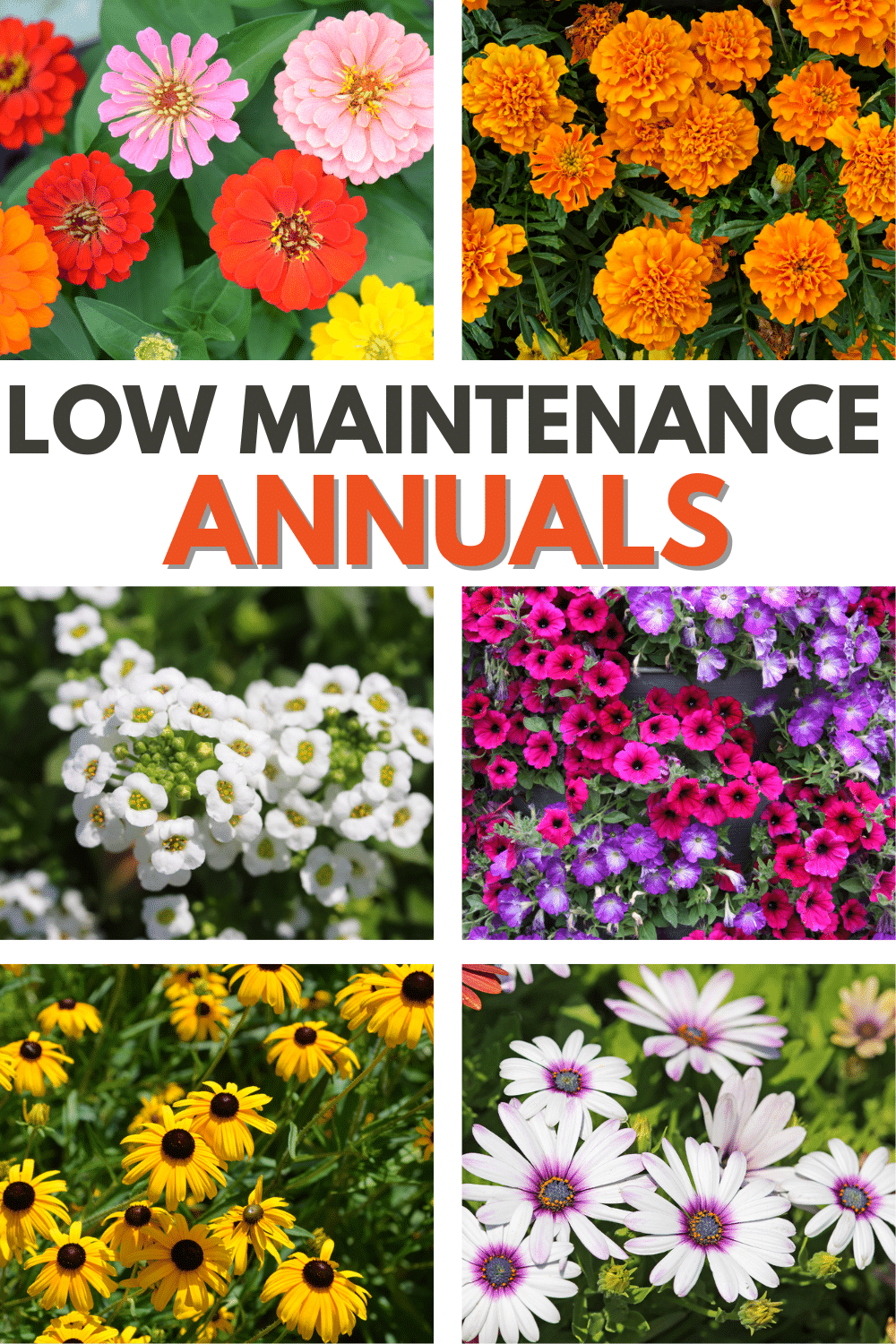
The lowest maintenance annual flower is often considered to be the Petunia. Petunias are favored not only for their vibrant colors and versatility but also for their low upkeep requirements. They thrive in a variety of conditions and continue to bloom profusely throughout the growing season with minimal intervention. Here are some important aspects that contribute to their reputation for low maintenance.
1. Adaptability to Different Conditions
Petunias are famously adaptable, making them suitable for a range of environments. They can thrive in full sun to partial shade and handle various soil types, which contributes to their low maintenance nature. Their resilience allows them to flourish even in less-than-ideal conditions.
- Can tolerate drought once established
- Thrive in well-drained or even poor soils
- Resistant to heat and cold fluctuations
2. Continuous Blooming Cycle
One of the most appealing traits of Petunias is their ability to bloom continuously from spring until frost. This consistent flowering means less frequent deadheading and maintenance compared to other annuals, where you may need to prune back spent blooms.
- Blooms last from spring until the first frost
- Self-cleaning varieties shed old flowers
- Provide vibrant colors without much work
3. Minimal Pest and Disease Issues
The hardiness of Petunias also makes them less susceptible to pests and diseases. They are generally resilient, requiring less pest control and fewer treatments throughout their life cycle which reduces the overall maintenance.
- Fewer infestations from aphids and other pests
- Resistant to common plant diseases
- Less need for chemical treatments
4. Low Water Requirements
Once established, Petunias have low water needs, which is particularly useful in regions with fluctuating rain. They can handle dry spells once they have developed a strong root system, making them a go-to for busy gardeners.
See also:
- Watering frequency can be reduced in established plants
- Good drainage in pots helps prevent root rot
- Can be mulched to retain moisture, further reducing maintenance
5. Versatile Uses in Landscaping
The versatility of Petunias allows them to be used in various landscaping options without requiring special care for each setup. They can be planted in gardens, containers, or hanging baskets, making them a rookie favorite.
- Great for garden beds and borders
- Outstanding in containers and hanging baskets
- Attractive ground cover when spread over large areas
What flower is the most low maintenance?
:max_bytes(150000):strip_icc()/low-maintenance-flowers-you-cant-kill-4864031_final-da20e03588614b1f8954786b026d820e.png)
The most low maintenance flower is often considered to be the daylily (Hemerocallis). This perennial flower is renowned for its hardiness and ability to thrive in various conditions, making it an excellent choice for gardeners seeking minimal upkeep. Daylilies can grow in a wide range of soil types and tolerate both drought and wet conditions well. Once established, they require little attention, making them ideal for busy gardeners or those new to gardening.
Why Choose Daylilies?
Daylilies are an excellent choice for their aesthetic appeal and resilience. They come in a variety of colors and sizes, offering versatility in garden design. The benefits of choosing daylilies include:
- Resilience: They can survive in poor soil and withstand drought conditions.
- Low water requirements: Once established, they do not require frequent watering.
- Longevity: Daylilies can bloom for several months in a growing season with minimal care.
Care Requirements for Daylilies
Caring for daylilies is quite simple, making them appealing for those looking for low maintenance options. Basic care requirements include:
- Soil preparation: Ensure well-draining soil, but they can adapt to many types.
- Watering: Water during dry spells, especially when young, but they are drought-tolerant once established.
- Fertilizing: Light fertilization in spring can enhance growth, but it's not essential.
Common Pests and Diseases
Daylilies are largely pest-resistant, further reducing maintenance needs. However, it is helpful to be aware of potential issues:
- Spider mites: Can occasionally affect foliage but are manageable with water sprays.
- Aphids: May appear but generally do not cause significant harm and can be controlled with natural predators.
- Fungal issues: Make sure to avoid overhead watering to minimize the risk of fungal diseases.
Companion Plants for Daylilies
Integrating daylilies with compatible plants can enhance your garden's aesthetics while maintaining low maintenance. Good companions include:
- Hostas: Their foliage complements daylilies well and shares similar care requirements.
- Yarrow: Attractive and drought-resistant, it pairs wonderfully with daylilies.
- Black-eyed Susans: These perennials bloom at similar times and provide vibrant color.
Seasonal Care Tips
While daylilies are low maintenance, applying seasonal care can help them thrive. Key tips include:
- Spring: Remove dead leaves and debris to encourage new growth.
- Summer: Monitor for pests, but generally, they require little intervention.
- Fall: Cut back spent foliage after flowering and prepare for winter dormancy.
What is the easiest flower to bloom all summer?
:max_bytes(150000):strip_icc()/GettyImages-1366343015-d00ff618ffe1463e840366cdc286315c.jpg)
The easiest flower to bloom all summer is the petunia. Petunias are popular for their vibrant colors, ease of care, and continuous blooming throughout the summer months. They can thrive in various climatic conditions and require minimal maintenance, making them an ideal choice for novice gardeners or those looking to enhance their outdoor spaces effortlessly.
Characteristics of Petunias
Petunias are known for their stunning colors and fragrance. Here are some key characteristics:
- Variety of colors: Petunias come in a wide range of colors, including red, pink, purple, and even bi-color combinations.
- Flower shape: The flowers can be funnel-shaped, giving them a distinctive look that attracts pollinators.
- Growth habit: They can be grown as upright or trailing plants, making them versatile for containers and hanging baskets.
Growing Conditions for Petunias
To ensure a thriving petunia bloom all summer, certain growing conditions must be met:
- Sunlight: Petunias prefer full sun, ideally receiving at least 6 to 8 hours of direct sunlight daily.
- Soil type: Well-drained soil is crucial, as petunias do not like to sit in waterlogged conditions.
- Watering: Regular watering is important, but ensure the soil is allowed to dry out between waterings to prevent root rot.
Caring for Petunias
Proper care will enhance the longevity and vibrancy of petunias throughout the summer:
See also:
- Fertilization: Using a balanced fertilizer every few weeks can support robust growth and flower production.
- Deadheading: Regularly removing spent flowers encourages the plant to produce more blooms and maintains its aesthetic appeal.
- Pest management: Keep an eye out for common pests like aphids and spider mites, as early detection can prevent infestation.
Common Varieties of Petunias
There are several types of petunias to choose from, each with its unique features:
- Grandiflora: Known for their large flowers, these are great for adding a bold touch to any garden.
- Millefleur: These have a more intricate flower pattern and are perfect for adding texture to floral arrangements.
- Surfinia: A type of trailing petunia, ideal for hanging baskets and containers due to their cascading nature.
Challenges in Growing Petunias
Despite their ease of care, petunias can face some challenges that gardeners should be aware of:
- Weather sensitivity: Extreme heat can lead to wilting, while heavy rainfall may require added drainage solutions.
- Powdery mildew: This fungal disease can affect petunias in humid conditions, so proper air circulation is important.
- Soil nutrient depletion: In containers, soil nutrients can be rapidly used up, necessitating regular amendments.
What flower is best for beginners?
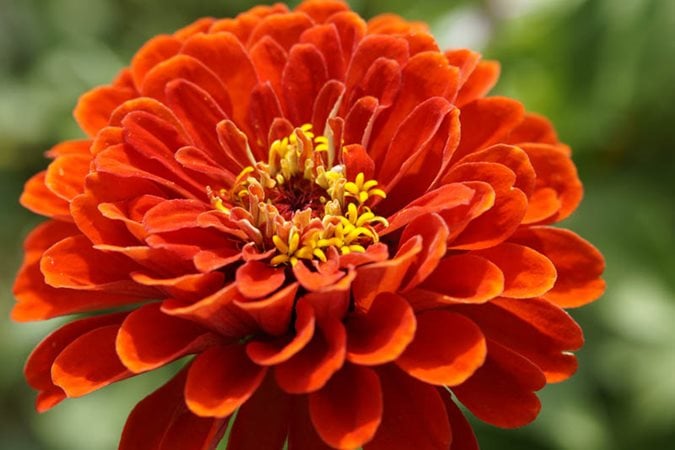
The best flower for beginners is the marigold. Marigolds are vibrant, easy to grow, and can thrive in various conditions, making them an ideal choice for novice gardeners. They are known for their bright yellow and orange blooms, which can brighten any garden space. Additionally, marigolds are resilient and can withstand poor soil conditions, limited water, and pests, making them a forgiving choice for those new to gardening.
Growing Conditions for Marigolds
Marigolds thrive in full sun and prefer well-draining soil. They can tolerate a wide range of temperatures but are best suited for warm climates. To ensure healthy growth, consider the following conditions:
- Sunlight: Full sun exposure for at least 6 hours a day.
- Soil: Well-draining soil enriched with organic matter.
- Temperature: Grows well in temperatures between 70°F and 100°F.
Watering Needs
While marigolds are drought-tolerant, proper watering is crucial for optimal growth. Watering should be consistent, especially during dry spells. Here are some tips:
- Frequency: Water deeply once a week.
- Soil Check: Use the finger test; if the top inch is dry, it's time to water.
- Drainage: Ensure pots or garden beds have proper drainage to avoid waterlogging.
Pest Resistance
One notable characteristic of marigolds is their natural pest resistance. They can deter harmful insects due to their strong scent. However, keeping an eye on them is essential. Some considerations include:
- Pest Control: Use neem oil or insecticidal soap if pests appear.
- Companion Planting: Marigolds can be planted alongside other vegetables to repel pests.
- Observation: Regularly check leaves for signs of aphids or spider mites.
Varieties of Marigolds
Several varieties of marigolds cater to different aesthetics and gardening needs. Here are popular types:
- French Marigolds (Tagetes patula): Smaller blooms, vibrant colors, and compact growth.
- African Marigolds (Tagetes erecta): Large flowers and tall stalks, ideal for adding height to gardens.
- Signet Marigolds (Tagetes tenuifolia): Edible flowers with a citrus smell, great for culinary gardens.
Caring for Marigolds
Marigolds require minimal care, making them perfect for beginners. Here are some key care tips:
- Deadheading: Remove spent blooms to encourage more flowers and extend blooming time.
- Fertilizing: Use a balanced, water-soluble fertilizer every 4-6 weeks during the growing season.
- Pruning: Pinch back young plants to promote bushier growth and more blooms.
Questions from Our Readers
What is the easiest annual flower to take care of?
Marigolds are often regarded as the easiest annual flowers to care for. They are resilient and can thrive in various conditions, requiring minimal maintenance. Their vibrant colors and pest-repelling qualities make them a popular choice for both novice and experienced gardeners.
How often should I water annual flowers?
Annual flowers generally need to be watered regularly, especially during dry spells. It’s best to water them thoroughly about once a week, ensuring the soil is moist but not waterlogged. Observing the plant's condition can further guide your watering schedule.
Do annual flowers need fertilizer?
Yes, annual flowers typically benefit from fertilization to promote healthy growth and abundant blooms. A balanced, slow-release fertilizer applied at the beginning of their growing season can greatly enhance their performance and longevity throughout the year.
Can I grow annual flowers in containers?
Absolutely! Annual flowers thrive in containers and can be a stunning addition to patios, balconies, or windowsills. Just ensure the containers have proper drainage holes and use high-quality potting soil to support their growth.
See also:

If you want to read more articles like What is the Easiest Annual Flower to Take Care Of? Top Choices for Effortless Gardening, we recommend you check out our Annuals category.
Leave a Reply
Related Articles