What is the easiest annual flower to grow? Your Ultimate Guide to Simple Gardening Success

Growing annual flowers can be a rewarding endeavor, especially for those new to gardening. With so many vibrant options available, it's important to identify which flowers are the easiest to cultivate. This guide will explore the most beginner-friendly annuals, providing you with essential tips for successful planting and maintenance. From selecting the right soil to understanding sunlight requirements, we'll equip you with the knowledge needed to transform your space into a colorful oasis. Whether you have a sprawling garden or just a small patio, these flowers will thrive with minimal effort, ensuring a beautiful display all season long.
What Is the Easiest Annual Flower to Grow?
One of the easiest annual flowers to grow is the marigold. Known for its vibrant colors and versatility, marigolds are not only beautiful but also incredibly resilient. They thrive in various soil types and can tolerate a range of conditions, including drought. With minimal maintenance, these flowers can flourish in full sun, making them an excellent choice for beginner gardeners. The blooming period extends from spring to frost, providing lasting color throughout the growing season. Additionally, marigolds are known to deter pests, which can benefit the overall health of your garden.
Benefits of Growing Marigolds
Growing marigolds brings numerous benefits to any garden. Their bright orange and yellow flowers provide vibrant color, while they also attract beneficial insects such as butterflies and bees. Moreover, marigolds repel certain pests, including aphids and nematodes, which can help protect adjacent plants. This makes them an excellent companion flower in vegetable gardens. The ease of care required by marigolds, coupled with their ability to enhance garden biodiversity, makes them a popular choice for both novice and experienced gardeners alike.
Best Conditions for Marigolds
Marigolds thrive best in full sun and well-drained soil, making them ideal for various climates. They prefer at least 6 to 8 hours of sunlight daily and can adapt to different types of soil, though loamy soil with organic matter is optimal. Regular watering helps, but marigolds can withstand some drought, reducing the need for constant maintenance. Planting marigold seeds or seedlings after the last frost will ensure a healthy start, allowing them to grow vigorously throughout the summer months.
Planting and Care Tips
To successfully grow marigolds, start by choosing a sunny location and preparing the soil by incorporating organic matter. Sowing seeds directly into the ground or starting them indoors a few weeks before the last frost is recommended. When planting, ensure proper spacing to allow for airflow and adequate light exposure. Regular deadheading—removing spent flowers—will promote further blooming and keep the plants looking tidy. Additionally, a light fertilization every month can enhance growth, but be cautious not to over-fertilize, as marigolds generally do well in poorer soil.
Pest Resistance and Benefits to the Garden
Marigolds are known for their pest resistance properties, providing a natural form of pest control in the garden. Their strong scent deters harmful insects, such as whiteflies and aphids, effectively minimizing the need for chemical pesticides. This characteristic not only aids marigolds but also benefits nearby plants, promoting a healthier ecosystem in your garden. Additionally, by attracting beneficial insects and maintaining a balanced garden environment, marigolds can create a sustainable habitat for various wildlife.
Common Varieties of Marigolds
Several popular varieties of marigolds cater to different gardening preferences. The African marigold (Tagetes erecta) is known for its tall, large blooms and strong fragrance, while the French marigold (Tagetes patula) offers a more compact growth habit with diverse flower colors. Signet marigolds (Tagetes tenuifolia) are smaller and have a unique, citrusy scent that appeals to many gardeners. Each variety has its own distinct characteristics, allowing gardeners to choose the type that best fits their landscape design and personal aesthetic.
| Variety | Height | Flower Color | Key Features |
|---|---|---|---|
| African Marigold | 12-36 inches | Yellow, Orange | Large blooms, strong fragrance |
| French Marigold | 6-18 inches | Red, Orange, Yellow | Compact growth, diverse colors |
| Signet Marigold | 6-18 inches | Golden Yellow, Orange | Citrus scent, edible blooms |
What is the easiest annual flower to take care of?
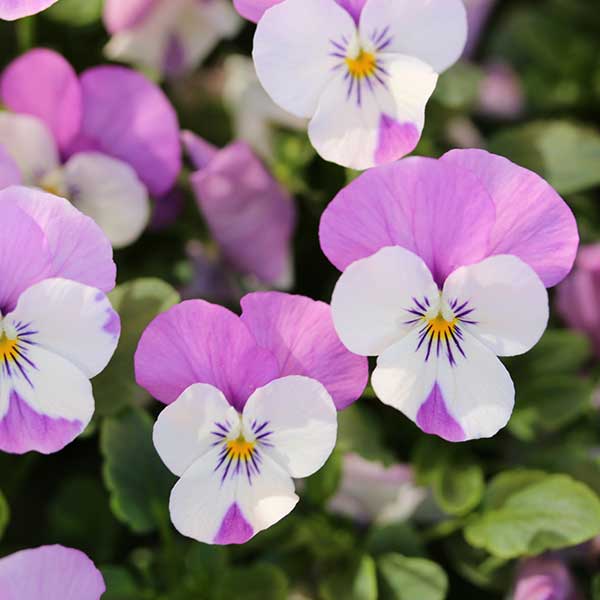
The easiest annual flower to take care of is often considered to be the Marigold. These vibrant flowers are not only beautiful but also user-friendly, making them a popular choice for both novice and experienced gardeners. They thrive in various conditions and do not require extensive care, which contributes to their reputation as an ideal choice for low-maintenance gardening.
Benefits of Marigolds
Marigolds come with several benefits, making them a favorite among gardeners:
- Pest Repellant: Marigolds are known for their ability to deter pests such as aphids and nematodes.
- Soil Health: They can improve soil health due to their ability to attract beneficial nematodes.
- Seasonal Blooms: They provide continuous blooms throughout the growing season, enhancing the garden's aesthetic appeal.
Planting Marigolds
Planting Marigolds is straightforward and can be done in various ways.
- Seeds: You can start them indoors or sow them directly into the garden once the danger of frost has passed.
- Spacing: Ensure to give each plant enough space (12 to 18 inches apart) to thrive.
- Sunlight: They require full sun, ideally at least 6 hours of sunlight per day for optimal growth.
Watering Needs
Marigolds are relatively drought-tolerant, but they do have specific watering needs to consider:
- Frequency: Water the plants thoroughly but allow the soil to dry out between waterings to avoid root rot.
- Soil Drainage: Ensure the soil has good drainage, as Marigolds do not like to sit in water.
- Weather Conditions: During extreme heat, increase the watering frequency, but maintain a balance to avoid overwatering.
Fertilization
Fertilization for Marigolds is minimal compared to other flowers:
See also:
- Type: Use a balanced, slow-release fertilizer to promote healthy growth.
- Timing: Apply fertilizer at the beginning of the growing season for best results.
- Frequency: Limit fertilization as over-fertilizing can lead to leggy plants with fewer blooms.
Common Pests and Diseases
While Marigolds are known for their pest-repelling properties, they can still face some issues:
- Powdery Mildew: This fungal disease can affect Marigolds in humid conditions. Ensure good air circulation to prevent it.
- Aphids: If pests like aphids appear, spraying with soap water can help to control their population.
- Root Rot: Avoid overwatering to reduce the risk of this disease, which can be detrimental to the plant’s health.
What is the easiest flower to grow for beginners?
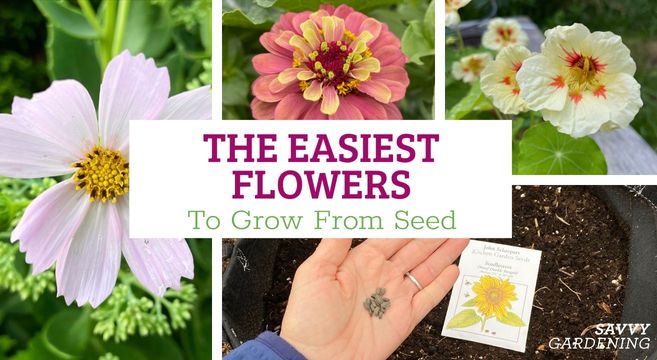
The easiest flower to grow for beginners is often considered to be the marigold. Marigolds are hardy, vibrant, and quickly bloom, making them an excellent choice for novice gardeners. They thrive under various conditions, are resistant to pests, and can add a splash of color to any garden.
Growing Conditions for Marigolds
Marigolds flourish in full sun, which means they need at least six hours of direct sunlight each day. They prefer well-drained soil, so it’s essential to ensure that the planting area doesn’t retain water. Here are some key points to keep in mind for optimal growth:
- Use compost or well-rotted manure to enrich sowing soil.
- Ensure the soil pH is between 6.0 and 7.0 for best results.
- Plant them in areas where they won’t be shaded by larger plants.
Choosing the Right Variety
There are several varieties of marigolds, each with different heights and colors. The choice of variety can affect how you incorporate them into your garden. Here are some popular varieties:
- Tagetes erecta - Also known as African marigolds, these have large yellow or orange blooms.
- Tagetes patula - Known as French marigolds, they are smaller and come in a variety of colors including red and yellow.
- Signet marigolds - These have small, edible flowers with a unique flavor, perfect for garden-to-table experiences.
Watering and Maintenance
Marigolds require relatively low maintenance, but they still need proper watering techniques. Overwatering can lead to root rot, so watering should be managed carefully. Here are maintenance tips:
- Water deeply but infrequently, allowing the top inch of soil to dry out.
- Mulch around the base to help retain moisture.
- Deadhead spent blooms to encourage new growth and prolong flowering.
Pest and Disease Resistance
One of the best features of marigolds is their pest resistance. They naturally repel pests such as aphids and nematodes, which can be beneficial for other plants in your garden. Here are some benefits:
- Planting marigolds can deter harmful insects.
- They attract beneficial insects such as ladybugs.
- They help improve the overall health of the garden ecosystem.
When to Plant Marigolds
Timing is crucial when planting marigolds. They can be sown directly in the garden or started indoors. Knowing when to plant can improve success rates. Here are some guidelines:
- Start seeds indoors about 6-8 weeks before the last frost date.
- Transplant outdoors when nighttime temperatures are consistently above 50°F (10°C).
- Sow seeds directly in the garden after the last frost for easy establishment.
What is the hardiest annual flower?
:max_bytes(150000):strip_icc()/best-annual-flowers-for-full-sun-1401931-1e66f71659c148858ab4f29a6376eb34.jpg)
The hardiest annual flower is often considered to be the African marigold (Tagetes erecta). This flower is renowned for its incredible resilience to a variety of environmental conditions, making it an excellent choice for gardeners looking for flowers that can thrive in harsh conditions.
Characteristics of African Marigold
The African marigold has several distinct characteristics that contribute to its hardiness:
- Heat Tolerance: It can withstand high temperatures, making it suitable for warmer climates.
- Pest Resistance: The strong scent of marigolds helps deter common pests, reducing the need for chemical treatments.
- Vibrant Colors: They come in shades of yellow, orange, and gold, brightening any garden space.
Ideal Growing Conditions
To ensure that African marigolds flourish, specific growing conditions are ideal:
- Sunlight: They thrive in full sun and require at least six hours of direct sunlight daily.
- Soil Type: Well-draining soil enriched with organic matter improves overall growth.
- Watering: Moderate watering is essential; they prefer to dry out slightly between waterings.
Cultural Significance
The African marigold holds cultural importance in various regions:
See also:
- Festivities: In many cultures, marigolds are used in celebrations and are symbolic of life and death.
- Traditional Medicine: Some cultures utilize marigold extracts for their medicinal properties.
- Religious Ceremonies: They often feature in rituals, symbolizing purity and remembrance.
Common Pests and Diseases
While the African marigold is resilient, it can be affected by certain issues:
- Aphids: These small pests can sap the vitality of marigolds but can be easily controlled.
- Powdery Mildew: This fungal disease can arise in humid conditions, requiring prompt action.
- Root Rot: Overwatering can lead to root rot; maintaining proper drainage is crucial.
Companion Planting with African Marigold
African marigolds serve as excellent companion plants:
- Vegetable Gardens: Their presence can deter nematodes, benefiting nearby vegetables.
- Flower Gardens: They enhance the aesthetics of mixed flower gardens while providing pest control.
- Herb Gardens: Marigolds can attract beneficial insects that help pollinate and protect herbs.
What is the easiest flower to bloom all summer?
:max_bytes(150000):strip_icc()/GettyImages-1366343015-d00ff618ffe1463e840366cdc286315c.jpg)
The easiest flower to bloom all summer is the Marigold. These vibrant and hardy flowers are not only simple to grow, but they also provide a continuous display of color throughout the summer months. Marigolds thrive in various conditions and are known for their ability to withstand heat and drought, making them a popular choice among gardeners.
Growing Conditions for Marigolds
To ensure that Marigolds thrive, it's essential to provide them with the right growing conditions. Here are the key factors that contribute to their success:
- Sunlight: Marigolds require full sun, which means they should receive at least 6 hours of direct sunlight each day.
- Soil Quality: Well-draining soil is crucial for Marigolds. They prefer slightly acidic to neutral pH levels.
- Watering: While Marigolds are drought-tolerant, regular watering is necessary, especially during dry spells. However, overwatering should be avoided.
Types of Marigolds
There are several types of Marigolds that can bloom all summer, each with its unique characteristics. The most common varieties include:
- French Marigolds: Known for their compact size and vibrant colors, French Marigolds bloom quickly and are ideal for borders or garden beds.
- African Marigolds: These larger varieties produce big, bold blooms and are perfect for creating a dramatic impact in your garden.
- Signet Marigolds: Smaller and less common, Signet Marigolds have a unique scent and edible flowers, making them a fascinating addition.
Companion Planting with Marigolds
Marigolds are not only beautiful but also beneficial for other plants. They can deter pests and diseases, making them excellent companions in the garden. Here are some beneficial pairings:
- Tomatoes: Planting Marigolds near tomatoes can help ward off nematodes that affect roots.
- Peppers: Marigolds attract pollinators that benefit pepper plants, improving their yield.
- Cucumbers: The vibrant blooms can help attract beneficial insects, which can reduce pests on cucumbers.
Pest Control Benefits of Marigolds
One of the significant advantages of growing Marigolds is their natural pest-repellent properties. Here are some key benefits:
- Nematode Repellent: Marigolds release compounds into the soil that can deter harmful nematodes.
- Insect Attractant: They attract beneficial insects like ladybugs and lacewings, which help control aphid populations.
- Fragrance: The strong scent of Marigolds can deter various pests from invading your garden.
Caring for Marigolds Throughout Summer
Proper care is essential to maintain the health and longevity of Marigolds during the summer season. Consider these tips:
- Regular Deadheading: Remove spent blooms to encourage continuous flowering and prevent the plant from going to seed.
- Fertilization: Use a balanced, water-soluble fertilizer every few weeks to promote healthy growth and vibrant blooms.
- Pest Monitoring: Keep an eye out for pest infestations and treat them promptly to protect your Marigolds and companion plants.
Questions from Our Readers
What is the easiest annual flower to grow?
One of the easiest annual flowers to grow is the marigold. Marigolds are known for their hardiness, vibrant colors, and ability to thrive in various conditions. They require minimal care, making them a great choice for both beginner and experienced gardeners.
How much sunlight do annual flowers need?
Most annual flowers thrive in full sunlight, which means they require at least 6 to 8 hours of direct sunlight each day. However, some varieties, like impatiens, can tolerate partial shade, making it essential to consider the specific light requirements of each flower type.
When is the best time to plant annual flowers?
The best time to plant annual flowers typically depends on your local climate, but a general rule of thumb is to wait until after the last frost date in spring, usually around late April to early June. This timing ensures that the plants can grow without the risk of frost damage.
How often should I water annual flowers?
Annual flowers usually need to be watered regularly, ideally once a week, or more frequently during hot, dry spells. It's important to check the soil moisture; when the top inch feels dry, it's typically time to give them a good drink, ensuring they remain healthy and vibrant.
See also:

If you want to read more articles like What is the easiest annual flower to grow? Your Ultimate Guide to Simple Gardening Success, we recommend you check out our Annuals category.
Leave a Reply
Related Articles