What is the best time to grow berries? A Seasonal Guide for Gardeners

Growing berries can be a rewarding endeavor for gardeners looking to enhance their landscapes and enjoy delicious, homegrown fruit. However, timing is crucial when it comes to planting and harvesting these delectable treats. In this seasonal guide, we will explore the best times of the year to grow various types of berries, including strawberries, blueberries, raspberries, and blackberries. Understanding the ideal planting seasons, along with tips for care and maintenance, will help you maximize your berry yield and ensure a fruitful gardening experience. Join us as we delve into the nuances of berry cultivation throughout the seasons.
What is the Best Time to Grow Berries?
Growing berries can be a rewarding experience, but timing is crucial for a successful harvest. The best time to plant berries typically depends on the specific variety and your local climate. In general, most berries thrive when planted in early spring, after the risk of frost has passed, allowing the plants to establish roots before the hot summer months. In regions with milder winters, planting can also occur in the fall, giving the plants a head start as they become established during the cooler months. It is essential to consider your local growing zone and the specific needs of each berry type when determining the optimal planting time.
Spring Planting for Berries
Planting berries in spring is ideal for regions where winters are cold and frosty conditions persist. Early spring allows the soil to warm up, making it easier for berry plants to establish themselves before the heat of summer arrives. Berries like strawberries and raspberries benefit from being planted early, as it enables them to grow and produce fruit during the peak summer months. Timing the planting right in spring is critical to maximizing fruit yield.
Fall Planting Considerations
In areas with mild winters, fall planting can be advantageous for certain berry varieties. This method allows plants to develop stronger root systems before the onset of winter, leading to a more robust growth in spring. However, fall planting must be timed well to avoid frost damage. It is particularly beneficial for varieties such as blueberries and blackberries, which can establish roots before the colder weather slows down their growth.
Climate Impact on Berry Growth
The local climate plays a significant role in determining the best planting time for berries. Warmer regions might allow for earlier planting dates, while colder areas need to wait until the threat of frost has passed. Additionally, monitoring local weather patterns can enhance your success. For instance, knowing when the last frost date typically occurs in your area will help in deciding the optimal planting window for various berry types.
Choosing the Right Berry Varieties
Different berry varieties have distinct growing requirements and optimal planting times. For example, strawberries prefer to be planted in the spring, while blueberries can be successfully planted in both spring and fall in appropriate climates. Understanding these differences and selecting varieties that suit your local conditions can lead to a more fruitful gardening experience. Always research specific needs related to the type of berries you wish to cultivate.
Preparing the Soil for Berries
Soil preparation is crucial for successful berry growth, and it’s advisable to focus on soil quality before the planting season begins. Berry plants generally prefer well-draining, slightly acidic soil with good organic matter content. Preparing the soil in advance, whether in spring or fall, will significantly enhance the plants' ability to thrive, ensuring that nutrients and moisture are readily available during their critical early growth phase.
| Berry Type | Best Time to Plant | Climate Considerations |
|---|---|---|
| Strawberries | Early Spring | Cold winters |
| Blueberries | Spring or Fall | Mild winters |
| Raspberries | Early Spring | Cold winters |
| Blackberries | Spring or Fall | Mild to moderate winters |
| Cranberries | Spring | Wet regions |
What month do you plant berries?

To plant berries, the best time largely depends on the specific type of berry you intend to grow, but generally, spring is considered the ideal planting season for most berries. Specifically, when the ground has thawed and is workable, usually in early April to mid-May in many regions, is when you should prepare your berry plants for planting. Some varieties, like blueberries and strawberries, can be planted a bit earlier, while others, such as raspberries and blackberries, tend to thrive when planted after the last frost.
Understanding Berry Planting Seasons
Planting seasons vary depending on climate and berry type. Typically, berries are planted during:
- Early Spring: Ideal for many berry varieties as the soil is warming up.
- Late Spring: Suitable for plants that require more heat to thrive.
- Fall Planting: Some berries can be planted in early fall, allowing roots to establish before winter.
Choosing the Right Time for Different Berries
When selecting your planting time, consider the type of berry. For instance:
- Strawberries: Best planted in early to mid-spring.
- Raspberries: Prefer planting in late spring after the last frost.
- Blueberries: Can be planted early in spring.
Factors Influencing Planting Time
Several factors can affect when to plant berries, including:
- Climate: Colder regions should follow frost dates closely.
- Soil Temperature: Ideal soil for planting is around 60°F (15°C) for growth.
- Berry Type: Each berry has unique requirements impacting its planting schedule.
Preparing for Planting
Preparation is key to successful berry planting. This involves:
- Soil Testing: Ensuring the soil pH is suitable is crucial.
- Site Selection: Choose a spot with full sun exposure for optimal growth.
- Soil Amendments: Adding organic matter can improve soil quality.
Care After Planting
Once berries are planted, proper care is vital:
- Watering: Ensure plants receive adequate moisture, particularly during dry spells.
- Mulching: Applying mulch helps retain moisture and suppress weeds.
- Fertilizing: Use a balanced fertilizer to promote healthy growth.
What is the easiest berry to grow?

The easiest berry to grow is typically strawberries. They are popular among home gardeners due to their relatively simple care requirements and their ability to produce fruit quickly. With the right conditions, strawberries can yield a harvest in just a few months. Additionally, they can be grown in various environments, including gardens, containers, and hanging baskets.
Strawberries prefer full sun to partial shade, well-drained soil, and are generally resistant to many pests and diseases. They can be grown from seeds, seedlings, or bare-root plants, making them accessible for gardeners of all experience levels.
Growing Conditions for Strawberries
To successfully grow strawberries, you need to consider their ideal growing conditions.
- Sunlight: Strawberries thrive in areas that receive at least 6 to 8 hours of sunlight each day.
- Soil Quality: They prefer rich, well-draining soil with a pH of 5.5 to 6.8.
- Watering: Regular watering is essential, especially during dry spells, but overwatering should be avoided as it can lead to root rot.
Popular Strawberry Varieties
Choosing the right variety of strawberry can influence your success in growing them. Here are a few popular options:
- June-bearing: These produce a large crop in late spring or early summer, followed by a rest period.
- Ever-bearing: These produce fruit continuously throughout the growing season, offering more flexibility for harvest.
- Day-neutral: These can produce fruit even when day lengths fluctuate, providing harvests from spring until fall.
Pest and Disease Management
Preventing pests and diseases is crucial for growing healthy strawberries. Important aspects to consider include:
- Mulching: Apply mulch to minimize weeds and maintain soil moisture.
- Pest Control: Monitor for common pests like aphids and spider mites, and consider organic methods for control.
- Disease Prevention: Common diseases include powdery mildew and gray mold; proper spacing and air circulation can help prevent these issues.
Harvesting Strawberries
Knowing when and how to harvest strawberries is vital to enjoy their delicious fruit:
- Color: Strawberries are ready for harvest when they are fully red; avoid picking underripe fruit.
- Technique: Gently twist and pull the strawberry from the stem to avoid damaging the plant.
- Timing: Harvest in the morning when temperatures are cooler for the best taste.
Extending the Harvest Season
There are several methods to extend the strawberry harvest season, allowing you to enjoy fresh berries longer:
- Planting Succession Crops: Stagger planting dates and varieties to enjoy a longer harvest window.
- Row Covers: Use row covers to protect plants from early frosts in spring and extend the growing season.
- Container Gardening: Growing strawberries in containers allows for mobility; you can move them to favorable conditions.
What time of year are berries grown in?
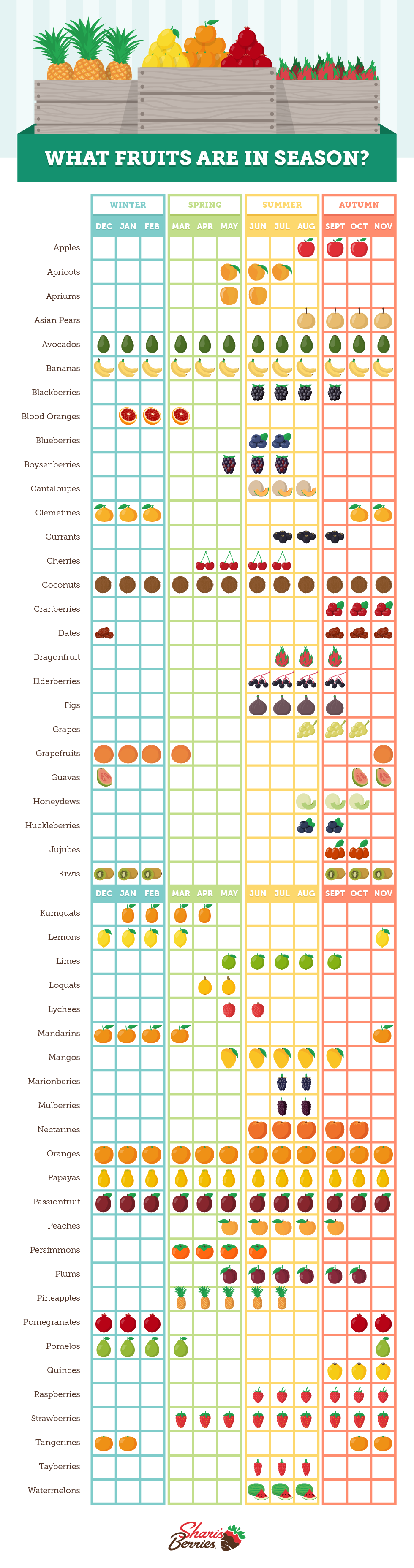
Berries are typically grown during specific times of the year depending on the type of berry and the region. Generally, berries like strawberries, raspberries, blueberries, and blackberries are grown in spring and summer. The growing season begins with planting in early spring, and the best harvest times can vary:
- Strawberries are usually harvested from late spring to early summer.
- Raspberries generally bear fruit from mid-summer to early fall.
- Blueberries are typically ready for harvest from late spring to mid-summer.
- Blackberries often ripen during the summer months, usually from mid-summer to early fall.
Growing Seasons for Different Berries
The growing seasons for berries can differ significantly based on regional climate and berry variety. Here’s a list of common berries and their respective growing seasons:
- Strawberries: Grown primarily in spring, with harvesting from May to June.
- Raspberries: Typically planted in early spring, yielding fruit between June and August.
- Blueberries: Planted in early spring and harvested in mid-summer, mainly from June to July.
- Blackberries: Harvested during the summer months, from July to September.
Factors Affecting Berry Growth
Several factors influence the growth of berries, including temperature, soil quality, and sunlight. It's important to consider these elements when planning the cultivation of berries:
- Temperature: Most berries thrive in warm temperatures, especially during the day, while cooler nights are beneficial.
- Sunlight: Berries require ample sunlight for optimal growth, generally needing at least 6-8 hours of direct sunlight daily.
- Soil Quality: Well-drained, nutrient-rich soil supports healthy berry plants and influences their yield and flavor.
Ideal Conditions for Berry Production
Achieving ideal conditions for berry production is crucial for a successful harvest. The right conditions can enhance plant health and fruit quality:
- Watering: Consistent moisture is essential, especially during the flowering and fruiting phases, but avoid waterlogged soil.
- Mulching: Applying mulch helps retain soil moisture, suppress weeds, and maintain a stable soil temperature.
- Pest Control: Regular monitoring for pests and diseases can prevent damage to berry plants, ensuring a healthy crop.
Harvesting Techniques for Berries
Harvesting berries requires specific techniques to maximize yield and minimize damage. Proper handling is key during the harvest period:
- Gentle Picking: Berries should be picked carefully by hand to avoid bruising and damaging the fruit.
- Timing: Harvesting should occur in the morning when temperatures are cooler, ensuring the berries are firm and retain moisture.
- Sorting and Storage: Once harvested, berries should be sorted by size and ripeness, then stored in a cool, dry place to prolong freshness.
Culinary Uses of Berries Throughout the Year
Berries are versatile ingredients that can be used in various culinary applications year-round, even when they are not in season:
- Preserves and Jams: Berries can be cooked down into preserves or jams, allowing for enjoyment long after their growing season.
- Freezing: Freezing fresh berries enables their use in smoothies, desserts, and baking throughout the year.
- Dried Berries: Dried berries, such as cranberries or blueberries, can be added to salads, trail mixes, or baked goods for a flavorful twist.
Can you grow berries all year round?
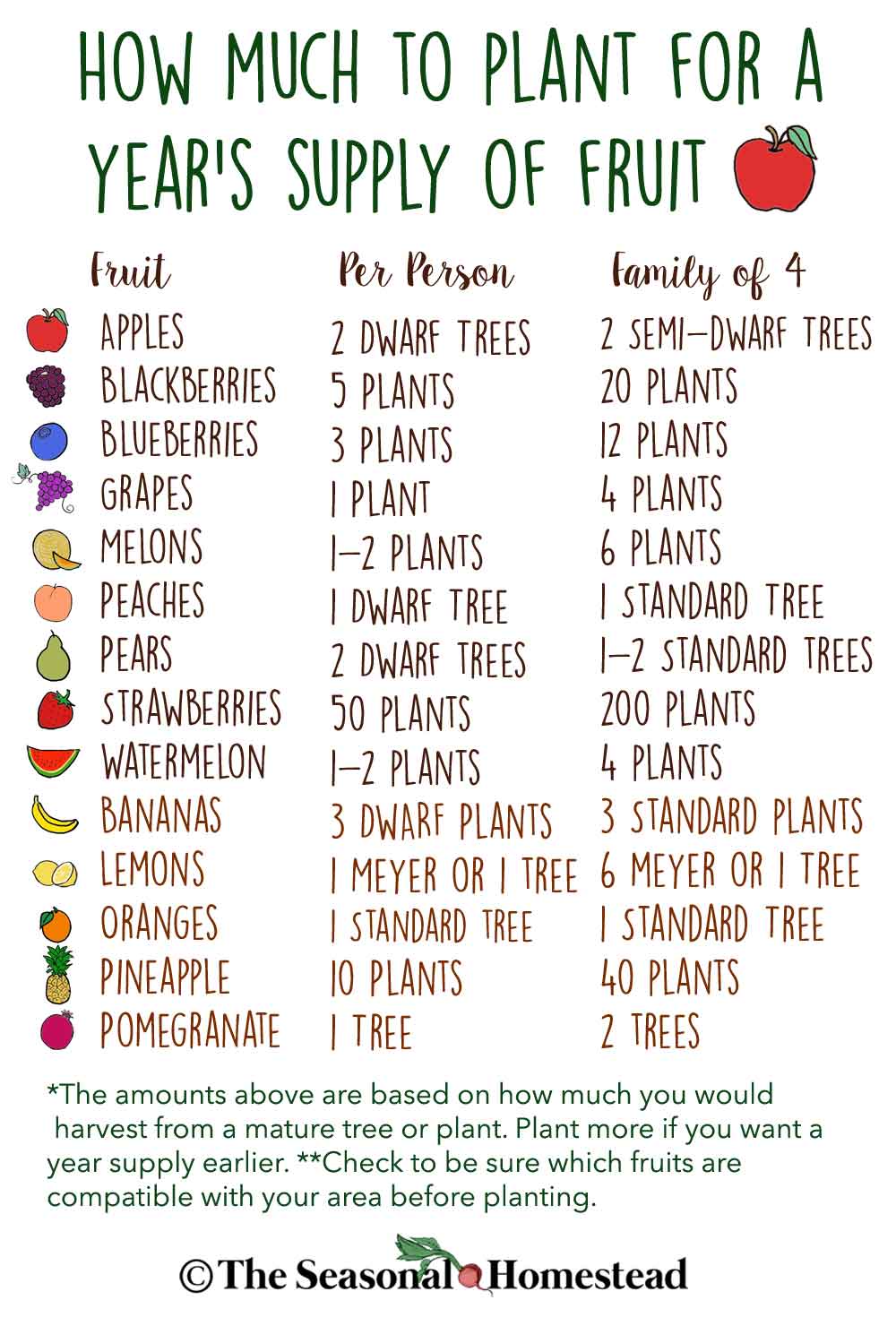
To answer the question of whether you can grow berries all year round, it depends on several factors, including the type of berry, the climate, and the growing conditions. Generally, most berry plants have specific growing seasons, but with the right techniques, it is possible to extend their growing period.
Types of Berries Suitable for Year-Round Growing
Certain types of berries are more amenable to year-round cultivation, especially in controlled environments. The most common types include:
- Strawberries - Varieties such as everbearing strawberries can produce fruit multiple times throughout the year.
- Blueberries - With proper preparation and care, you can harvest blueberries in summer and fall.
- Raspberries - Some everbearing raspberry varieties can yield fruit in late summer and early fall.
Greenhouse Cultivation
Growing berries in a greenhouse is one of the most effective methods to achieve year-round production. The greenhouse’s controlled environment allows for optimal growing conditions, including:
- Temperature control - Protects plants from extreme cold or heat.
- Humidity management - Helps prevent diseases and supports healthy growth.
- Extended sunlight exposure - Using supplemental lighting can encourage berry plant growth during the shorter days of winter.
Hydroponics and Aquaponics Systems
Utilizing hydroponics and aquaponics systems is another advanced method for growing berries all year. These methods leverage soilless growing techniques, which can result in healthier plants and faster growth rates. Key benefits include:
- Space efficiency - Allows for more plants to be grown in a smaller area.
- Optimal nutrient delivery - Nutrients are delivered directly to the plant roots, enhancing growth.
- Minimal pests - Soil-borne pests are not a concern, allowing for healthier plants.
Climate Control Techniques
For outdoor berry cultivation in less-than-ideal climates, several climate control techniques can extend the growing season:
- Row covers - Protect plants from frost and extend the growing season in the spring and fall.
- Mulching - Insulates the soil and plant roots, providing warmth and moisture retention.
- Season extenders - Use cold frames or poly tunnels to enhance growing conditions during colder months.
Choosing the Right Varieties
Selecting the appropriate berry varieties is crucial for year-round success. Some varieties are specifically bred to withstand colder temperatures and produce fruit for extended periods. Important factors include:
- Hardiness zones - Choose varieties that are suited to your local climate conditions.
- Production times - Look for varieties that have staggered harvesting times for continuous yield.
- Pest and disease resistance - Select robust varieties that require less maintenance and produce higher yields.
Questions from Our Readers
What is the best time to plant berries?
The best time to plant berries is typically in the early spring or late fall. This timing allows the plants to establish their roots before facing the heat of summer or the frost of winter. Early spring is ideal for most berry types because the soil is warming up, while late fall planting can offer the benefits of winter chilling for certain varieties.
How does climate affect berry growth?
Climate plays a crucial role in berry growth, as different berry varieties thrive in specific temperature ranges and conditions. For instance, some berries prefer cooler climates with adequate rainfall, while others may need warmth and sunlight to produce fruit effectively. It’s important to consider your local climate when deciding which berries to grow.
Can berries be grown year-round?
While most berries have specific growing seasons, some varieties can be grown year-round in certain climates, especially in greenhouses or controlled environments. For example, strawberries can yield fruit in multiple seasons if managed properly, but most berries have a defined growing season that is influenced by local weather patterns.
What soil conditions are ideal for growing berries?
Berries thrive in well-draining, loamy soils that are rich in organic matter. The soil should be slightly acidic, with a pH level between 5.5 and 6.5, to support optimal growth. Proper soil preparation, including testing pH and amending as necessary, can help ensure that berry plants receive the nutrients they need for healthy growth and fruit production.

If you want to read more articles like What is the best time to grow berries? A Seasonal Guide for Gardeners, we recommend you check out our Berries category.
Leave a Reply
Related Articles