What is the Best Thing to Feed Strawberry Plants? Ultimate Guide for Healthy Growth

Growing healthy strawberry plants requires careful attention to their nutritional needs. The right type of food not only supports robust growth but also enhances fruit quality and flavor. This ultimate guide will explore the best feeding practices for strawberry plants, delving into essential nutrients, suitable fertilizers, and organic alternatives. Whether you’re a novice gardener or an experienced cultivator, understanding what to feed your strawberries is crucial for achieving a bountiful harvest. Join us as we uncover the secrets to nourishing your plants and ensuring they thrive season after season.
What is the Best Thing to Feed Strawberry Plants?
Strawberry plants thrive best when they receive a balanced diet rich in nutrients. The ideal feed for these plants includes a mix of nitrogen, phosphorus, and potassium, which can be provided through organic fertilizers such as compost or well-made manure. In addition, specific fertilizers designed for berry plants can enhance growth and productivity. It is crucial to apply nutrients in moderation to prevent nutrient burn and to enhance soil vitality. Incorporating mulch can also help retain moisture and provide slow-release nutrients over time.
Essential Nutrients for Strawberry Plants
Strawberry plants require several essential nutrients for optimal growth. The primary macronutrients include nitrogen for leaf development, phosphorus for root growth and fruit production, and potassium for overall plant health and disease resistance. Secondary nutrients such as calcium, magnesium, and sulfur also play important roles in plant structure and function. Deficiencies in these nutrients can lead to poor growth and low fruit yields, so it is important to monitor and amend soil accordingly.
Organic Fertilizers for Strawberries
Using organic fertilizers such as compost, fish emulsion, or seaweed extract can significantly improve soil health and provide essential nutrients for strawberry plants. Organic inputs contribute to the microbial life in the soil, enhancing its structure and fertility. For instance, compost not only supplies a wide range of nutrients but also improves moisture retention in the soil, creating an ideal environment for strawberries to thrive.
Timing of Fertilizer Application
The timing of fertilizer application is critical for strawberry plants. Typically, it's best to apply fertilizer in early spring as growth begins, ensuring that nutrients are available right when the plants need them most. A second application can be beneficial after the first fruit harvest to support re-stocking nutrients as the plants prepare for the next growing season. It's important to avoid fertilizing too late in the season to prevent new growth that could be damaged by frost.
Soil Testing for Optimal Feeding
Conducting a soil test is essential before deciding what to feed strawberry plants. A soil test reveals the levels of nutrients, pH, and organic matter, allowing for a tailored fertilization regime. Based on the test results, gardeners can amend the soil with specific fertilizers or soil conditioners to balance nutrient levels and improve plant productivity. Regular soil testing can help maintain optimum growing conditions over time.
Mulching Benefits for Strawberry Plants
Applying mulch around strawberry plants provides multiple benefits that contribute to their overall health. Mulch helps to retain soil moisture, suppress weeds, and regulate soil temperature. Additionally, as organic mulch decomposes over time, it provides a slow release of nutrients back into the soil, promoting sustained growth throughout the growing season. Therefore, using mulch is a highly effective strategy for improving the care and feeding of strawberry plants.
| Nutrient | Function | Source |
|---|---|---|
| Nitrogen | Promotes leaf growth | Compost, Fish Emulsion |
| Phosphorus | Supports root development | Bone Meal, Rock Phosphate |
| Potassium | Aids in overall health and disease resistance | Wood Ash, Potash |
| Calcium | Strengthens cell walls | Gypsum, Lime |
| Magnesium | Important for photosynthesis | Epsom Salt |
What is the best fertilizer for strawberries?

The best fertilizer for strawberries is one that promotes healthy growth, enhances fruit production, and maintains soil nutrient balance. Generally, a balanced fertilizer with a formulation that encourages flowering and fruiting is ideal. A common recommendation is a balanced fertilizer with an N-P-K ratio (Nitrogen-Phosphorus-Potassium) of around 10-10-10 or 5-10-10. This provides adequate amounts of nitrogen for leafy growth while ensuring sufficient phosphorus and potassium for strong root systems and good fruit quality.
Organic vs. Synthetic Fertilizers
Organic fertilizers, such as compost or well-rotted manure, can improve soil health over time and release nutrients slowly. In contrast, synthetic fertilizers offer quicker nutrient absorption. Here are some considerations:
- Organic Fertilizers: They improve soil structure, provide a slow-release of nutrients, and enhance microbial activity.
- Synthetic Fertilizers: These deliver nutrients rapidly, allowing for immediate impact on plant growth.
- Combination Approaches: Some gardeners opt for a combination of both to balance immediate and long-term nutrient needs.
Application Timing
Timing is crucial when applying fertilizer to strawberries. Apply fertilizers at specific growth stages to maximize effectiveness:
- Pre-Planting: Incorporate fertilizers into the soil before planting to establish a nutrient-rich environment.
- Early Growth: Apply during the early growing season as the plants begin to leaf out to stimulate vigorous growth.
- Mid-Season: A second application can be beneficial during blooming to support fruit development.
pH Levels and Nutrient Availability
The pH level of the soil influences nutrient availability for strawberries. Ideally, the pH should be between 5.5 and 6.5 for optimal nutrient uptake:
- Soil Testing: Regular soil tests can help determine the pH and nutrient levels, guiding fertilization decisions.
- pH Adjustment: Amend soil with lime to raise pH or sulfur to lower it if necessary.
- Choosing Fertilizers: Certain fertilizers may be better suited for specific pH levels, impacting their effectiveness.
Micro Nutrients for Strawberries
In addition to the primary nutrients, strawberries also require trace elements like boron, iron, and magnesium for optimal growth:
- Boron: Essential for flower and fruit development, but should be applied in very small amounts.
- Iron: Crucial for photosynthesis, iron deficiencies can cause yellowing of leaves.
- Magnesium: Important for chlorophyll production; application can improve overall plant health.
Fertilizer Types and How to Choose
Choosing the right type of fertilizer can impact the health and yield of strawberry plants. Here are some options:
- Granular Fertilizers: Slow-release options can be applied at planting time for sustained growth.
- Liquid Fertilizers: These can be applied as foliar feeds and deliver nutrients quickly to the plants.
- Specialized Strawberry Fertilizers: Formulations specifically designed for strawberries can help target their unique nutritional needs.
What to put on strawberry plants to help them grow?
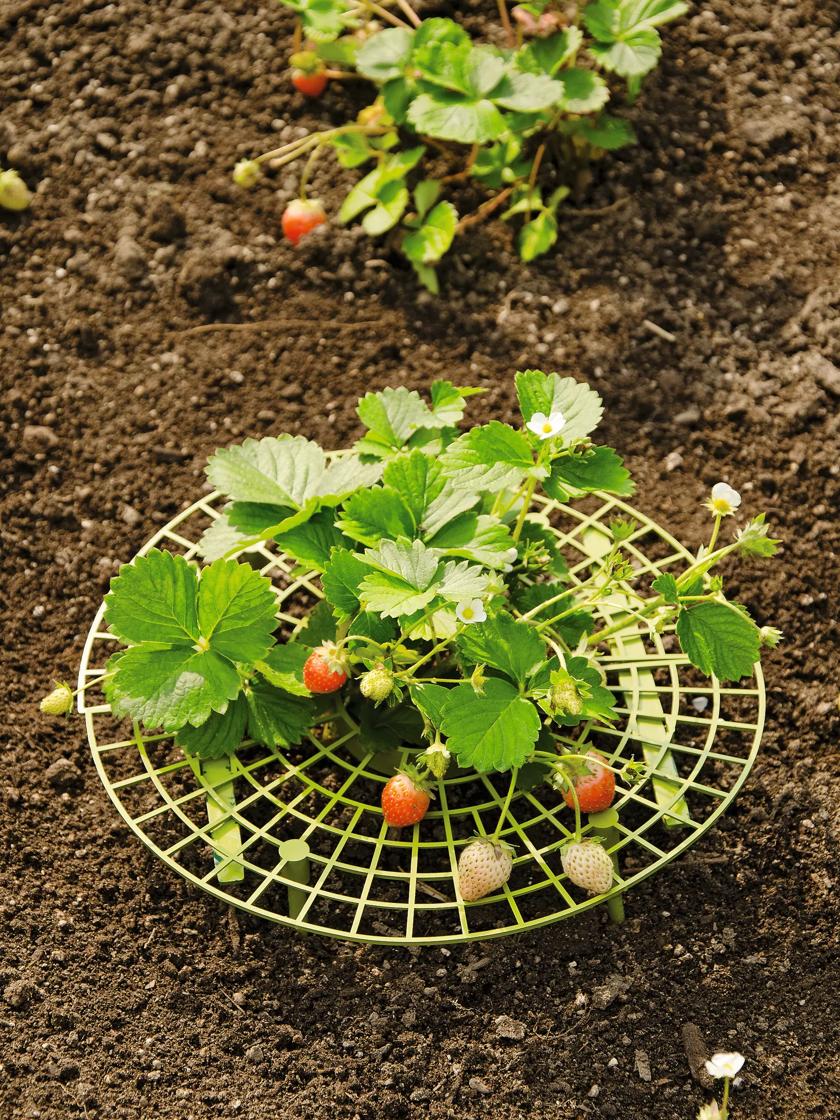
To help strawberry plants grow, it is essential to provide them with the right nutrients, soil conditions, and care. Here are some effective strategies and materials you can use to support their growth:
Soil Preparation
Proper soil preparation is crucial for the health of strawberry plants. Strawberry plants thrive in well-draining, fertile soil with a pH between 5.5 and 6.8. To prepare the soil:
- Add Organic Matter: Incorporate compost or well-rotted manure to enhance nutrient content and improve soil structure.
- Test Soil pH: Use a soil testing kit to ensure the pH is within the recommended range for strawberries.
- Ensure Good Drainage: If soil drainage is poor, consider raised beds or amending with sand to promote adequate airflow and prevent root rot.
Fertilization
Stroberry plants require a balanced supply of nutrients, especially nitrogen, phosphorus, and potassium. Applying fertilizers at the right time can significantly boost their growth.
- Use a Balanced Fertilizer: A fertilizer with an N-P-K ratio of 10-10-10 can provide essential nutrients.
- Apply Fertilizer at Planting: When planting, mix fertilizer into the soil to give plants a strong start.
- Feed During Growing Season: Reapply fertilizer every 4-6 weeks during the growing season to maintain healthy growth.
Watering Practices
Consistent watering is vital for strawberry plants. They require sufficient moisture without being waterlogged. Implementing effective watering techniques can help in their growth.
- Irrigate Regularly: Ensure that strawberry plants receive about 1-1.5 inches of water per week, either through rainfall or irrigation.
- Avoid Overhead Watering: Use drip irrigation or soaker hoses to avoid wetting foliage, which can lead to disease.
- Mulch to Retain Moisture: Apply a layer of mulch to conserve soil moisture and suppress weeds.
Pest and Disease Management
Strawberry plants are susceptible to several pests and diseases that can hinder their growth. Managing these threats is essential for a healthy crop.
- Regular Inspection: Check plants frequently for signs of pests such as aphids or spider mites and diseases like powdery mildew.
- Use Organic Pesticides: Apply neem oil or insecticidal soap to eliminate pests while remaining environmentally friendly.
- Practice Crop Rotation: Rotate strawberry plants with other crops to prevent the buildup of soil-borne diseases.
Pruning and Maintenance
Regular pruning and maintenance help improve air circulation and encourage healthy fruit development in strawberry plants.
- Remove Dead Leaves: Trim any yellow or dead leaves to prevent disease and improve airflow.
- Manage Runners: Control the spread of runners if you want to focus on fruit production rather than increasing plant numbers.
- Support Plants: Use stakes or cages if needed to keep strawberry plants off the ground, reducing the risk of rot and improving sun exposure.
Questions from Our Readers
What type of fertilizer is best for strawberry plants?
To ensure optimal growth, strawberry plants thrive on a balanced fertilizer that is high in phosphorus, such as a 10-10-10 or 5-10-10 NPK. This helps promote flowering and fruiting, which are essential for producing a bountiful harvest.
How often should I feed my strawberry plants?
It's recommended to feed strawberry plants every 4 to 6 weeks during the growing season. However, it’s crucial to monitor them for signs of nutrient deficiency and adjust the feeding schedule based on their specific needs.
Can I use organic options for feeding strawberry plants?
Yes, organic options such as compost, fish emulsion, or worm castings can be very beneficial for strawberry plants. These options not only provide essential nutrients but also improve soil health and overall plant vigor.
Is it important to adjust feeding based on soil type?
Absolutely, the type of soil you have can significantly affect nutrient availability. Conducting a soil test can help determine the right amendments required for your strawberry plants, ensuring they receive the proper nutrition for successful growth.

If you want to read more articles like What is the Best Thing to Feed Strawberry Plants? Ultimate Guide for Healthy Growth, we recommend you check out our Berries category.
Leave a Reply
Related Articles