What is the Best Companion Plant for Blackberries? Discover Ideal Partners for Healthy Growth!

When cultivating blackberries, selecting the right companion plants can significantly enhance their growth and productivity. Companion planting is a time-tested strategy that involves growing different species together for mutual benefits, such as pest control, improved pollination, and increased nutrient availability. In this article, we will explore the best companion plants for blackberries, highlighting their unique advantages and how they can contribute to a thriving garden. Whether you're a seasoned gardener or a novice, understanding these beneficial partnerships will help you create a healthier and more productive blackberry patch. Let's dive into the ideal companions that can support your blackberry plants!
What is the Best Companion Plant for Blackberries?
Blackberries thrive in certain conditions, and choosing the right companion plants can enhance their growth, deter pests, and improve overall yield. Some of the best companion plants for blackberries include clover, which enriches the soil with nitrogen; bumblebee attracting flowers, which help with pollination; and herbs such as mint and basil that can provide natural pest control. These plants not only support blackberries by attracting beneficial insects but also help create a diverse ecosystem that encourages plant health.
Clover as a Companion Plant
Clover is an exceptional companion plant for blackberries because it acts as a nitrogen fixer, providing essential nutrients to the soil. By planting clover among the blackberry bushes, gardeners can naturally enhance the soil's fertility, leading to better growth and fruit production. Additionally, clover's low growth habit helps suppress weeds that may compete with blackberries for resources like water and sunlight.
Flowering Plants for Pollination
Incorporating flowering plants, such as marigolds or calendula, alongside blackberries can significantly improve pollination efficiency. These plants attract pollinators like bees, which are crucial for the successful reproduction of blackberries. Enhanced pollination leads to larger and more abundant fruit production, making flowering companion plants a smart choice for those looking to maximize their blackberry harvest.
Herbs for Pest Control
Certain herbs, including mint and basil, can serve as effective companion plants for blackberries by repelling undesirable pests. The strong scents of these herbs deter aphids and other harmful insects, reducing the likelihood of infestations. Additionally, having herbs nearby can attract beneficial insects that prey on pests, thus forming a natural pest management system that supports the health of blackberry plants.
Benefits of Planting with Vegetables
Certain vegetables, such as lettuce or spinach, can be planted near blackberries to optimize garden space and create a multi-layered garden. These shallow-rooted vegetables thrive in similar conditions as blackberries without competing heavily for nutrients. Moreover, the leafy greens provide shade to the soil, helping to retain moisture and reduce the risk of weed growth, ultimately benefiting the entire garden ecosystem.
Creating a Biodiverse Garden
Diversity in the garden is crucial for both plant health and pest management. Incorporating a variety of companion plants alongside blackberries leads to a more resilient garden. By selecting plants with different growth habits, flowering times, and nutrient requirements, gardeners can create a complex environment that supports beneficial insects and may improve resistance to common diseases and pests affecting blackberries.
| Companion Plant | Benefits |
|---|---|
| Clover | Nitrogen fixation and weed suppression. |
| Flowering Plants | Attracts pollinators to enhance fruit production. |
| Mint | Repels pests and attracts beneficial insects. |
| Lettuce | Utilizes different soil levels and retains soil moisture. |
| Diverse Plants | Improves garden resilience and disease resistance. |
What grows well next to blackberries?
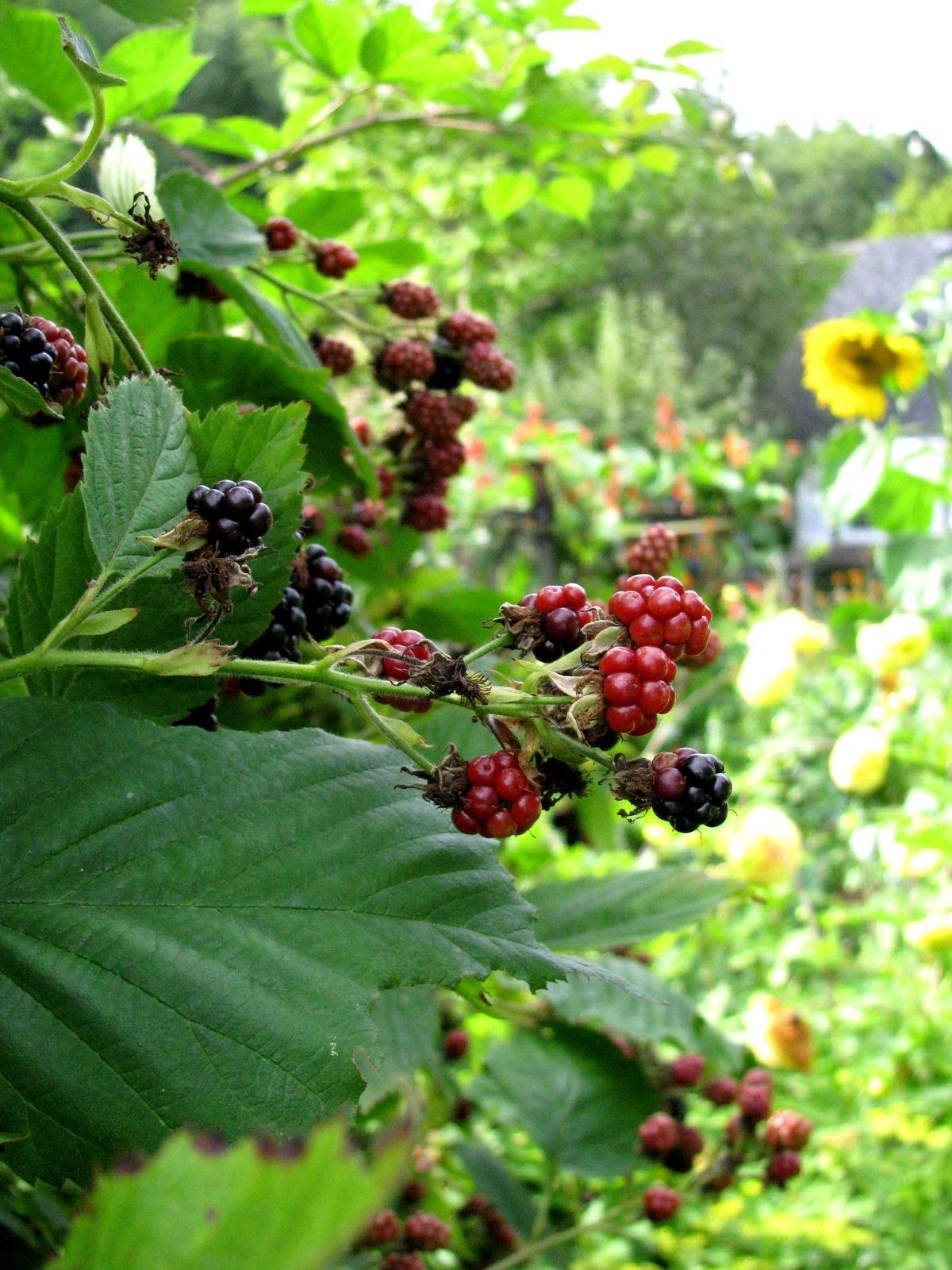
Blackberries are a popular fruit-bearing plant that can thrive alongside several other companion plants. When choosing what to grow next to blackberries, it's important to consider both their growth habits and their nutritional needs, as well as potential benefits such as pest deterrence and pollinator attraction.
Companion Herbs for Blackberries
Herbs are excellent companions for blackberries as they can help repel pests and attract beneficial insects. Some herbs that grow well next to blackberries include:
- Basil - Helps repel flies and mosquitoes.
- Thyme - Attracts pollinators and can help improve the flavor of blackberries.
- Mint - Deters some pests, but should be grown in containers to control its spread.
Flowers That Attract Pollinators
Planting flowers that attract pollinators can enhance the productivity of your blackberry plants. Consider the following flowers:
- Lavender - A flowering plant that attracts bees and other beneficial insects while providing fragrance.
- Echinacea - Known for attracting butterflies and bees, it can improve pollination rates of blackberries.
- Marigolds - Deter harmful nematodes in the soil while attracting beneficial insects.
Vegetables That Can Grow Alongside Blackberries
Certain vegetables can also be planted near blackberries without competing for resources. These include:
- Garlic - Helps to repel pests that might target blackberries.
- Onions - Similar to garlic, they can deter pests and are beneficial for companion planting.
- Radishes - These fast-growing roots can break up the soil and improve drainage near blackberry plants.
Plants That Provide Shade
In extremely hot climates, shade can be beneficial for the roots of blackberry plants. Consider these options:
- Currants - These berry-producing shrubs can offer light shade during the hottest parts of the day.
- Rhubarb - Its large leaves can provide ample shade while also yielding edible stalks.
- Asparagus - Although slow to establish, it can provide some shade and is a perennial companion.
Pest-Deterring Plants
Some plants are specifically known for their ability to deter pests. Incorporating them can protect your blackberry crops:
- Nasturtiums - They serve as a trap plant that attracts aphids, keeping them away from blackberries.
- Rue - Known for repelling various pests, making it a beneficial companion.
- Citronella - A strong scent that deters mosquitoes and other pests that can harm plants.
What not to plant blackberries near?

Blackberries, while a delicious and hardy fruit, can have specific planting restrictions due to their growing conditions and interactions with other plants. Here’s a detailed look at what not to plant blackberries near.
Companion Plants to Avoid
Blackberries should not be planted near certain companion plants that can either inhibit their growth or compete for resources. Some plants release chemicals that can be detrimental to blackberry plants, disrupting their development.
- Potatoes: These can compete for nutrients and water, affecting the health of the blackberry bushes.
- Tomatoes: Both are susceptible to similar pests and diseases, particularly blight, which can spread easily between them.
- Eggplants: These belong to the same family as tomatoes and can also encourage the same problems.
Pest and Disease Concerns
Certain plants can attract pests and diseases that negatively impact blackberries, making it essential to keep them separated.
- Raspberries: They are prone to similar diseases, particularly root rot and virus infections, which can affect both plants.
- Wild strawberries: These may attract pests that could spread to blackberries, especially if planted too closely.
- Grapes: Grape plants can harbor specific pests that may threaten blackberry plants as well.
Soil Nutrient Competition
Soil nutrients are crucial for blackberry growth, and certain plants can deplete these essential resources faster than blackberries can recover.
- Corn: Corn requires a lot of nitrogen, which can limit the availability of this nutrient for nearby blackberries.
- Carrots: While they don't consume as much nitrogen, their shallow root system may still compete for water and minerals.
- Onions: Similar to carrots, they have the potential to compete for space and nutrients within the soil.
Plant Height and Shade Considerations
The height of certain plants can create competition for sunlight or shade that can suppress blackberry growth, which prefers full sun.
- Sunflowers: Their tall structure can shade blackberry plants, inhibiting their growth.
- Kale: While relatively short, dense plantings can block light necessary for optimal blackberry production.
- Squashes: These sprawling plants may also create excessive shade, impacting the yield of blackberry bushes.
Root Structure Interference
Blackberries have specific root structures that may interact unfavorably with other nearby plants.
- Maple trees: Their extensive root system can dominate the soil and absorb vital nutrients.
- Pines: These trees also shed needles that can acidify the soil, making it hostile for blackberry plants.
- Willows: They require a large amount of water and can deprive blackberries of this essential resource.
What is the secret to growing blackberries?
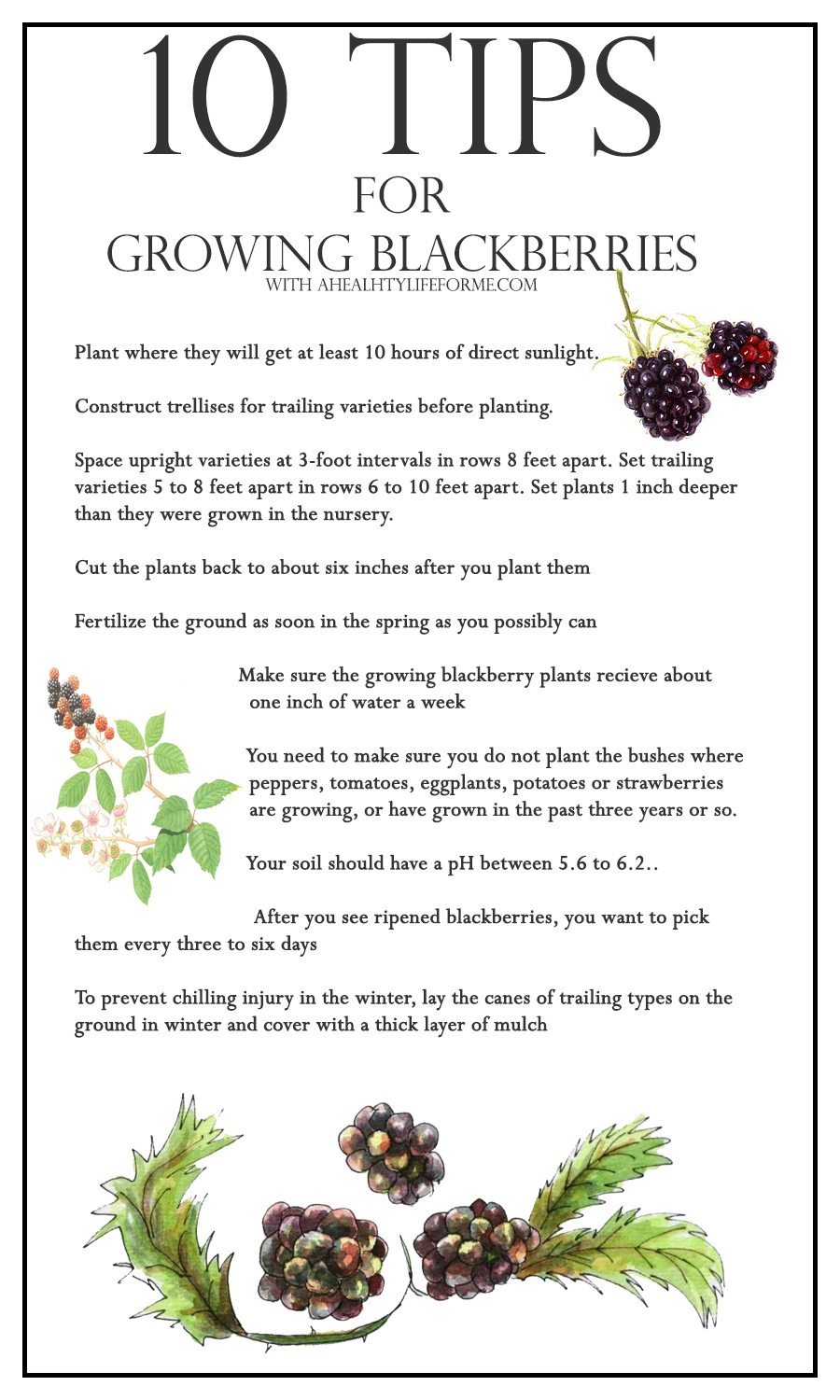
To successfully grow blackberries, there are several key aspects to consider, including the right variety, soil preparation, proper care, and pest management. Here is a detailed exploration of the secrets to growing blackberries.
Choosing the Right Variety
When starting your blackberry garden, selecting the appropriate variety is crucial. Blackberries can be classified into two main types: erect and trailing. Erect varieties are bushy and require minimal support, while trailing types need trellising for optimal growth.
- Consider your climate: Choose varieties that thrive in your local weather conditions.
- Fruit characteristics: Pay attention to flavor, size, and yield when selecting.
- Resistance to diseases: Opt for varieties that are resistant to common blackberry diseases.
Soil Preparation
The quality of the soil directly affects the health and productivity of blackberry plants. Preparing the soil properly ensures that the plants receive adequate nutrients and drainage.
- pH levels: Aim for a soil pH of 5.5 to 7.0 for optimal blackberry growth.
- Amendments: Mix in organic matter such as compost or well-rotted manure to enhance soil fertility.
- Drainage: Ensure good drainage by avoiding heavy clay soils or creating raised beds.
Watering and Fertilization
Blackberries require consistent watering and proper fertilization to produce healthy fruit. Establishing a routine will help maintain the necessary moisture balance.
- Watering schedule: Water the plants deeply once a week, especially in dry conditions.
- Fertilization: Use a balanced fertilizer in early spring and another light application in early summer.
- Mulching: Apply mulch around the plants to retain moisture and suppress weeds.
Pest and Disease Management
Keeping blackberries healthy involves vigilance against pests and diseases. Implementing preventive measures is key to a fruitful harvest.
- Regular inspections: Check plants frequently for signs of pests such as aphids or spider mites.
- Use of organic pesticides: Consider using neem oil or insecticidal soap as safe treatment options.
- Crop rotation: Practice crop rotation to prevent soil-borne diseases from becoming established.
Pruning and Training
Pruning and training blackberry plants are essential for maximizing yield and ensuring good airflow around the plants. Proper maintenance leads to healthier growth.
- Pruning schedule: Prune the plants during their dormant season to promote new growth.
- Training methods: Use trellises to support trailing varieties and keep the fruit off the ground.
- Remove dead canes: Clear away any dead or diseased canes to enhance air circulation and plant health.
Where's a good place to plant a blackberry bush?
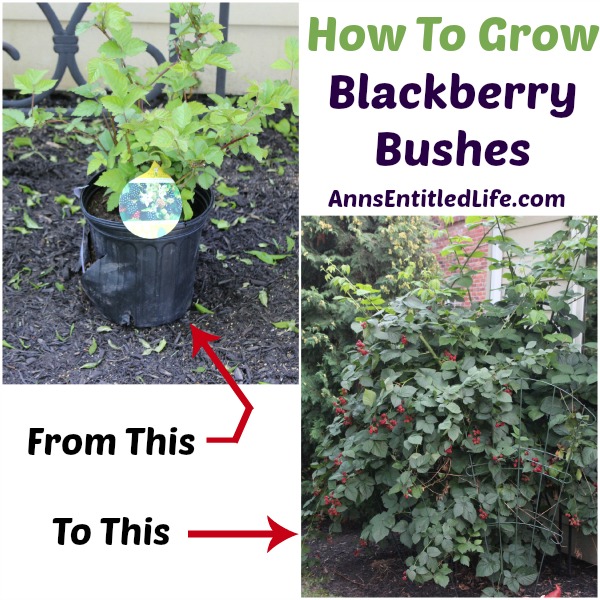
Planting a blackberry bush requires considering several factors to ensure success. The ideal location will promote healthy growth and high fruit yield. Here are some key points to consider for planting a blackberry bush.
Sunlight Exposure
For optimal growth, blackberry bushes require at least 6 to 8 hours of direct sunlight each day. Insufficient sunlight can lead to poor fruit development and susceptibility to diseases.
- Choose a site that faces south or west for maximum sun exposure.
- Avoid areas surrounded by tall structures or trees that can cast shadows.
- Monitor sunlight patterns through the seasons to ensure consistent light availability.
Soil Type and Quality
Blackberries thrive in well-drained, loamy soil that is rich in organic matter. The soil should have a pH level between 5.5 and 7.0.
- Conduct a soil test to determine nutrient levels and pH.
- Add compost or aged manure to improve soil fertility and structure.
- Ensure the planting site is not prone to regular waterlogged conditions.
Airflow and Spacing
Proper air circulation around the blackberry bushes is crucial to prevent fungal diseases. Adequate spacing between plants also allows for better growth.
- Space each bush 3 to 4 feet apart to maximize airflow.
- Plant in rows that are 5 to 8 feet apart for easier maintenance and harvesting.
- Consider pruning techniques to maintain good airflow as the plants mature.
Water Drainage
All blackberry varieties prefer well-drained areas to avoid root rot. Ensure the planting site does not hold excessive water.
- Select a spot that does not flood during heavy rain or snowmelt.
- If the natural drainage is poor, consider raised beds to improve water flow.
- Implement a drip irrigation system to provide consistent moisture without oversaturation.
Climate Considerations
Blackberries are best suited to temperate climates; however, certain varieties can adapt to warmer or colder regions. Understanding your local climate can help in choosing the right variety and planting strategy.
- Select varieties that are hardy in your USDA zone.
- Avoid planting in areas prone to late-season frosts which can damage blossoms.
- Consider using frost cloths or other protections in regions with unpredictable late frosts.
Questions from Our Readers
What is the best companion plant for blackberries?
Raspberry plants are often considered the best companion plants for blackberries. They thrive in similar soil and climatic conditions, allowing both to grow well together without competing for resources.
Why should I plant companions with blackberries?
Companion planting with blackberries can enhance biodiversity in your garden, improve pollination, and even help control pests. Plants like clover can enrich the soil, providing necessary nutrients that benefit both species.
Are there any plants to avoid when growing blackberries?
It's best to avoid planting blackberries near strawberries and potatoes. These plants can compete for water and nutrients, which may lead to reduced yields for your blackberry plants.
How can companion plants help improve blackberry growth?
Companion plants can help improve blackberry growth by providing shade, reducing weeds, and attracting beneficial insects. This creates a healthier environment for blackberries, allowing them to flourish without excessive competition.

If you want to read more articles like What is the Best Companion Plant for Blackberries? Discover Ideal Partners for Healthy Growth!, we recommend you check out our Berries category.
Leave a Reply
Related Articles