Discover What Berry is a Mix of Blackberry and Raspberry?
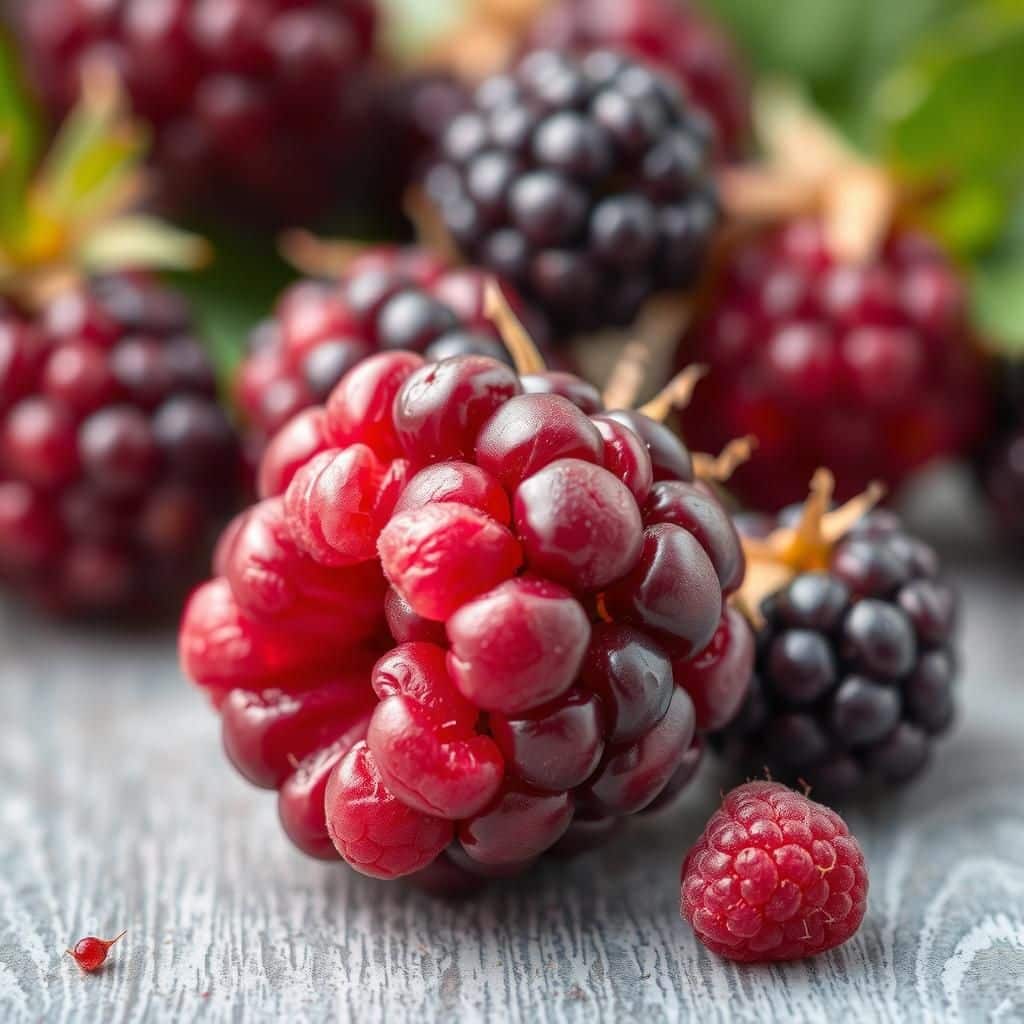
In the world of fruits, berries hold a special place due to their vibrant flavors and nutritional benefits. Among the various types of berries, there exists a delightful blend that combines the sweetness of raspberries with the boldness of blackberries. This intriguing mix not only tantalizes the taste buds but also boasts a unique texture and an array of health advantages. In this article, we will delve into the fascinating characteristics of this hybrid berry, its origins, cultivation, and how it stands out in the berry family. Join us as we uncover what makes this berry a delicious and nutritious treat.
What Berry is a Mix of Blackberry and Raspberry?
The berry that is a mix of blackberry and raspberry is known as the boysenberry. This unique fruit is a cross between these two delicious berries, along with a few other species, such as the loganberry. Boysenberries are celebrated for their rich purple hue and their sweet-tart flavor profile, making them a popular choice in jams, pies, and desserts. The cultivation of boysenberries began in the early 20th century and has garnered attention for its distinct taste that often evokes a deeper flavor due to the genetic contributions from both parent berries.
Origin of Boysenberry
The boysenberry was developed in the 1920s by horticulturist Rudolph Boysen in California. His goal was to create a berry that combined the flavors of blackberries, raspberries, and loganberries. The boysenberry name is derived from Boysen's surname, and over time, it gained popularity as it was cultivated and distributed by other farmers in the region. The berry became especially well-known when introduced to the public by Walter Knott, who featured them in his Knott's Berry Farm theme park.
Flavor Profile
The flavor of a boysenberry is often described as a harmonious blend between the sweetness of blackberries and the tartness of raspberries. This unique balance makes them excellent for a wide variety of culinary uses, from baking to fresh consumption. The flavor can vary based on ripeness, with fully ripe boysenberries exhibiting a deeper sweetness that is complemented by a lingering tartness, enhancing the overall tasting experience.
Nutrition Benefits
Like many berries, boysenberries are a treasure trove of nutritional benefits. They are low in calories yet rich in essential vitamins and minerals, particularly vitamin C and vitamin K. Additionally, they are packed with antioxidants, which help fight oxidative stress and may reduce the risk of chronic diseases. The high fiber content found in boysenberries aids in digestion and promotes gut health, making them a healthy addition to any diet.
Culinary Uses
In the culinary world, boysenberries shine in numerous applications, including jams, jellies, and syrups, where their distinctive flavor can be enjoyed year-round. They are also popular in desserts such as pies, cakes, and ice creams, showcasing their versatility. Additionally, boysenberries can be utilized in savory dishes, paired with meats or incorporated into sauces, offering a unique twist that elevates the dish's flavor profile.
Growing Boysenberries
Growing boysenberries requires careful attention to soil and climate conditions, as they thrive in temperate regions with well-drained, fertile soil. They are typically grown on trellises to support the sprawling vines and can benefit from regular pruning to promote healthy growth and fruit production. Gardeners should provide adequate water and support to ensure a bountiful harvest, as these berries can yield fruit from summer into early fall.
| Attribute | Boysenberry | Blackberry | Raspberry |
|---|---|---|---|
| Taste | Sweet-tart | Juicy, sweet | Tart, sweet |
| Color | Purple | Black | Red |
| Vitamin C | High | Moderate | High |
| Growing Season | Summer to Fall | Summer | Summer |
| Best Uses | Desserts, jams | Fresh, baking | Desserts, salads |
What is a raspberry combination with a blackberry?

A raspberry combination with a blackberry refers to the delightful pairing of these two berries, which can be found in various culinary applications. Both raspberries and blackberries belong to the same family, Rubus, and share similar flavor profiles that make them complementary. Their combination typically enhances the overall taste experience, benefiting from the tartness of raspberries and the slightly sweeter, juicier nature of blackberries. This pairing is popular in desserts, beverages, jams, and salads, providing a burst of color and flavor.
Nutritional Benefits
The combination of raspberries and blackberries offers several nutritional benefits. Both berries are rich in vitamins, minerals, and antioxidants, making them a healthy choice for any diet.
- High in Fiber: Both raspberries and blackberries are excellent sources of dietary fiber, promoting digestive health.
- Rich in Antioxidants: They contain powerful antioxidants that combat oxidative stress and inflammation in the body.
- Low in Calories: This combination is low in calories, making it ideal for weight management without sacrificing flavor.
Culinary Uses
Raspberry and blackberry combinations are versatile in culinary applications, enhancing various dishes with their vibrant colors and flavors.
- Desserts: They can be used in pies, tarts, and crumbles, providing a deliciously sweet-tart balance.
- Drinks: Their juices are popular in cocktails, smoothies, and flavored waters, adding an refreshing element.
- Salads: Tossing them into salads creates a beautiful presentation and adds a burst of flavor.
Flavor Profile
The flavor profile of a raspberry combination with a blackberry is an intriguing mix that offers consumers a unique taste experience.
- Tartness: Raspberries bring a noticeable tartness that complements the sweetness of blackberries.
- Complexity: The interplay of flavors creates a complex, layered taste that enhances the overall dish.
- Juiciness: Blackberries add moisture, making the combination juicy and satisfying in various preparations.
Pairing with Other Ingredients
Raspberries and blackberries can be paired with various ingredients to elevate their flavors and create new dishes.
- Dairy Products: They pair well with yogurt, cream, and cheese for a rich dessert or breakfast option.
- Herbs: Fresh herbs like mint and basil can accentuate their flavors in salads or beverages.
- Nuts: Adding nuts like almonds or walnuts introduces a crunchy texture that contrasts beautifully with the softness of the berries.
Seasonality and Availability
The seasonality of raspberries and blackberries influences their availability and quality, impacting culinary choices.
- Summer Harvest: Both berries are typically harvested in the summer months, offering peak freshness during this time.
- Local vs. Imported: Consumers may choose local products for better taste and sustainability during the season.
- Freezing Options: They can be frozen easily, allowing this delicious combination to be enjoyed year-round regardless of their season.
Do loganberries taste good?

Loganberries are a hybrid fruit, derived from a cross between blackberries and raspberries. The taste of loganberries can be described as a unique blend of both parent fruits but often leans towards a more tart flavor profile. Many people find them delicious, especially those who enjoy berries that have a distinctively tart and slightly sweet taste. When ripe, loganberries can have an enjoyable burst of flavor, making them suitable for various culinary uses.
Nutritional Benefits of Loganberries
Loganberries not only taste good, but they also offer several nutritional benefits:
- Rich in vitamins like C and A, supporting immune health.
- High in antioxidants, which help combat oxidative stress.
- Good source of dietary fiber, promoting digestive health.
Culinary Uses of Loganberries
Loganberries can be incorporated into various dishes, enhancing both flavor and presentation. They are used in:
- Jams and jellies, providing a tart fruit base.
- Desserts like pies, tarts, and cobblers, especially when paired with sweeter ingredients.
- Salads, offering a burst of flavor when mixed with greens and nuts.
Comparing Taste with Other Berries
When comparing loganberries to other berries, the taste can vary significantly. Here’s how they stack up:
- Blackberries: Loganberries are often more tart than blackberries.
- Raspberries: They share a similar tartness, but loganberries can have a more complex flavor.
- Strawberries: Strawberries are typically sweeter, while loganberries have a more robust tart flavor.
Growing Loganberries
For those interested in growing loganberries, understanding their cultivation is key:
- They prefer well-drained soil and can thrive in various climates.
- Loganberries require regular watering, especially during dry periods.
- They benefit from regular pruning to promote better fruit production.
Where to Buy Loganberries
Finding loganberries can sometimes be a challenge, but there are several options:
- Local farmers' markets often carry fresh loganberries during their peak season.
- Some specialty grocery stores may stock them, particularly in the summer months.
- Online retailers and berry farms can provide fresh or frozen loganberries year-round.
Is loganberry a New York thing?

Loganberry is indeed a fruit that has significant ties to New York, particularly in its agricultural history and cultural relevance. The loganberry, a cross between a blackberry and a raspberry, was developed in the late 19th century by James Logan of California. However, its connection to New York becomes pronounced due to the regions where it has been cultivated and its presence in local markets.
Historically, loganberries were once popular in many aspects of Northeastern cuisine, often featured in jams, jellies, and beverages. The fruit's adaptability allowed it to thrive in the climate found in parts of New York. While loganberry's popularity may have waned in some areas over time, it still holds a special place in the hearts of locals who appreciate unique and heirloom varieties of fruits that reflect the heritage of the region.
Historical Background of Loganberry in New York
The loganberry's introduction and cultivation in New York were influenced by broader trends in agriculture during the late 19th and early 20th centuries. As more people experimented with growing different berries, loganberries found their niche among local farmers and gardeners.
- Early Cultivation: Loganberries were seen as a novel fruit that attracted attention in farming communities.
- Preservation and Usage: Many home canners preserved loganberries for use in various recipes.
- Market Presence: Specialty markets and fairs often showcased loganberries, promoting local agriculture.
Loganberry Products and Their Popularity
Various products made from loganberries remain popular among New York artisans and food producers. These products highlight the versatility and unique flavor of the fruit, especially in regional cuisine.
- Jams and Jellies: Loganberry jams are cherished for their tangy sweetness and vibrant color.
- Drinks: Loganberry soda has a nostalgic appeal and is a favorite in some local restaurants.
- Pastries: Bakeries occasionally use loganberries in pies and desserts, celebrating their tartness.
Loganberry Festivals and Events in New York
New York hosts various events where loganberries are celebrated, showcasing the fruit's local significance and promoting awareness among residents and visitors.
- Farmers' Markets: Seasonal markets often feature loganberry products made by local vendors.
- Food Festivals: Regional food festivals may highlight loganberry-themed dishes and beverages.
- Harvest Events: Some farms invite people to participate in picking loganberries, fostering community engagement.
Culinary Uses of Loganberry in New York
The unique flavor profile of loganberries lends itself well to diverse culinary applications, making it a sought-after ingredient in local cuisine.
- Savory Dishes: Some chefs experiment with loganberries in savory sauces and dressings, enhancing the flavor of meats.
- Confections: Confectioners use loganberries in candies and chocolates to add a tart element.
- Salads: Loganberries are sometimes used in salads, offering a refreshing contrast to mixed greens.
Future Prospects of Loganberry in New York
Looking forward, the cultivation of loganberries in New York may see a resurgence as consumers gravitate towards heirloom varieties and sustainable agriculture.
- Interest in Heritage Crops: A growing movement focused on preserving heritage crops may boost loganberry cultivation.
- Farm-to-Table Movement: Increased demand for locally sourced ingredients can lead to more loganberry-based products.
- Research and Development: Agricultural colleges and farms might pursue further research on optimal cultivation methods.
Questions from Our Readers
What berry is a mix of blackberry and raspberry?
The berry that is a mix of blackberry and raspberry is called a boysenberry. This fruit is a cross between the two and has a unique flavor that combines the tartness of raspberries with the sweetness of blackberries.
Where are boysenberries commonly grown?
Boysenberries are primarily grown in regions with a temperate climate, particularly in the United States, especially in California. These berries thrive in well-drained soil and require an environment that is not too warm or too cold.
What are the health benefits of boysenberries?
Boysenberries are rich in vitamins, minerals, and antioxidants, making them a nutritious addition to diets. They contain high levels of dietary fiber, which can support digestive health, and are known to have anti-inflammatory properties.
How can boysenberries be used in cooking?
Boysenberries can be used in various culinary applications, such as making jams, jellies, pies, or even as a topping for yogurt and desserts. Their versatile flavor makes them suitable for both sweet and savory dishes, enhancing the overall taste.

If you want to read more articles like Discover What Berry is a Mix of Blackberry and Raspberry?, we recommend you check out our Berries category.
Leave a Reply
Related Articles