What are the best plants for full hot sun? A Complete Guide to Choosing the Perfect Sun-Loving Plants
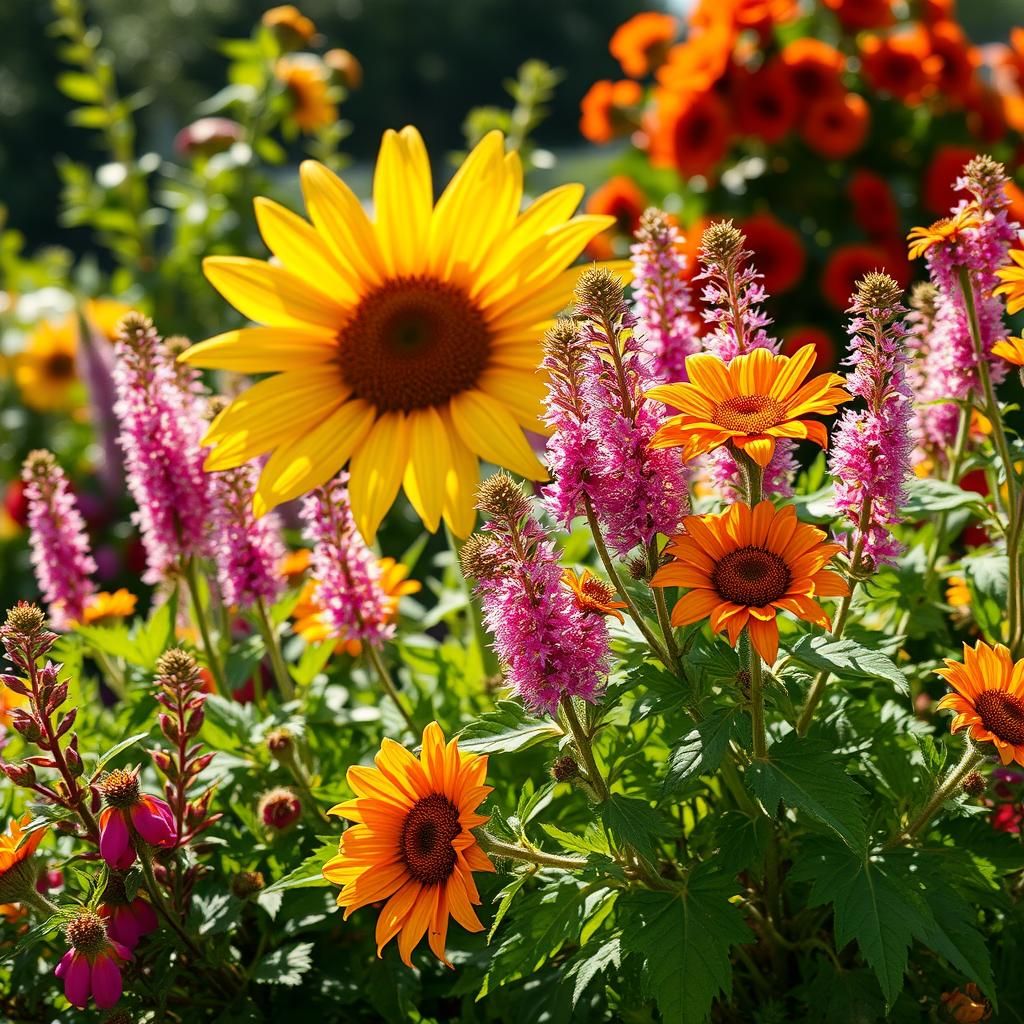
When it comes to gardening in full hot sun, selecting the right plants can make all the difference between a thriving garden and a withering landscape. Sun-loving plants are specially adapted to withstand intense heat and bright light, making them the ideal choice for sun-drenched areas in your yard or garden. In this complete guide, we will explore the best plants that not only survive but flourish in these conditions. From vibrant flowers to hardy succulents, discover how to choose the perfect sun-loving plants that will add beauty and resilience to your outdoor space.
Best Plants for Full Hot Sun
When choosing the best plants for full hot sun, it is essential to select species that thrive in high temperatures and direct sunlight. These plants not only endure intense heat but also require minimal water once established, making them ideal for drought-prone areas. Some of the best options include succulents, ornamental grasses, and certain varieties of flowering plants such as portulaca and zinnias. These plants are not only resilient but can also add vibrant colors and textures to your landscape, ensuring that your garden remains lively and colorful even in the hottest months.
Succulents
Succulents are remarkable for their ability to store water, allowing them to survive in arid conditions. Plants like agave, aloe vera, and sedum are excellent choices for hot, sunny spots. They require minimal care and can thrive on little water, making them perfect for sunny gardens or containers. Their diverse shapes and colors can add unique aesthetics to any landscape.
Ornamental Grasses
Ornamental grasses are a fantastic addition for gardens in full sun, as they add movement and texture while requiring little maintenance. Species such as miscanthus and panicum can tolerate high heat and poor soil conditions. Their tall, graceful stems provide a wonderful contrast to other plants and can create a visually striking backdrop in any garden design.
Flowering Plants
Many flowering plants are well-suited for high temperatures and can bring vibrant color to sunny areas. Zinnias, marigolds, and portulaca are perfect examples that not only survive but thrive in hot, direct sunlight. These plants often attract pollinators like bees and butterflies, enhancing the biodiversity of the garden.
Herbs
Herbs like rosemary, thyme, and oregano not only flourish in full sun but also provide culinary benefits. These aromatic plants are drought-resistant once established and can be used fresh in cooking, making them a practical choice for gardeners who enjoy cooking with their homegrown herbs. Their low water requirements and resilience in hot weather make them perfect for sunny, dry locations.
Cacti
Cacti are the quintessential plants for extreme heat and full sun exposure. They are well-known for their ability to thrive in the hottest conditions and require very little water. Varieties like the saguaro and barrel cactus add a distinct touch to gardens while being low-maintenance. Their unique structures and blooming flowers can create a stunning display in sunny areas.
| Plant Type | Water Needs | Sun Requirement |
|---|---|---|
| Succulents | Low | Full Sun |
| Ornamental Grasses | Medium | Full Sun |
| Flowering Plants | Medium | Full Sun |
| Herbs | Low | Full Sun |
| Cacti | Very Low | Full Sun |
What potted plant is best for extreme heat?
:max_bytes(150000):strip_icc()/27625_FernswithCarmen__107w_preview-00e0c0a736b54d76b8a4742e27089e32.jpg)
When it comes to potted plants that can withstand extreme heat, certain species stand out due to their adaptability and resilience. Here are some of the best options:
Succulents
Succulents are among the best choices for extreme heat conditions due to their ability to store water in their leaves and stems. This adaptation allows them to thrive in arid environments where water is scarce.
- Aloe Vera: Known for its medicinal properties, this succulent prefers bright light and requires very little water.
- Agave: This plant is very hardy and can tolerate drought. Its unique rosette shape adds visual interest.
- Echeveria: These rosette-shaped succulents come in various colors and tolerate full sun, making them ideal for hot climates.
Cacti
Cacti are quintessential plants for hot and dry conditions. They have specialized adaptations, such as a waxy coating on their surface to reduce water loss.
- Saguaro Cactus: This iconic cactus can store large amounts of water and withstand extreme temperatures, making it an excellent choice for hot regions.
- Barrel Cactus: Its rounded shape helps it minimize water loss while storing moisture for dry periods.
- Prickly Pear Cactus: This plant is not only drought-tolerant but also produces edible fruit, adding functional value to its aesthetic appeal.
Herbs
Certain herbs are highly adaptable to hot conditions and can thrive in pots with minimal water. They also provide culinary benefits.
- Rosemary: This herb loves the sun and is drought-resistant once established. Its woody stems can handle extreme heat.
- Thyme: With its low water needs, thyme is perfect for xeriscaping or hot patios.
- Oregano: This robust herb flourishes in sunny locations and can withstand high temperatures without much watering.
Floral Options
While many flowering plants can suffer in extreme heat, certain varieties are known for their heat tolerance and vibrant blooms.
See also:
- Lantana: This heat-loving flower attracts pollinators and blooms in a variety of colors, thriving in full sun.
- Butterfly Bush: Known for attracting butterflies, this plant is very resilient to heat and blooms profusely in warm conditions.
- Zinnias: Easy to grow, zinnias are brightly colored flowers that can withstand the blistering heat of summer.
Ornamental Grasses
Ornamental grasses can add texture and movement to your garden while being incredibly heat-tolerant.
- Blue Fescue: This grass is not only drought-resistant but also adds a lovely blue hue to the landscape.
- Mexican Feather Grass: This species thrives in hot, dry environments and produces delicate, feathery plumes.
- Pampas Grass: This towering variety is highly drought-tolerant, providing a dramatic backdrop in extreme heat.
What is the easiest flower to grow in full sun?
:max_bytes(150000):strip_icc()/GettyImages-1366343015-d00ff618ffe1463e840366cdc286315c.jpg)
The easiest flower to grow in full sun is typically the zinnia. Zinnias are known for their vibrant colors, resilience, and ability to thrive in sunny conditions, making them a favorite among both novice and experienced gardeners. They require little maintenance and can produce blooms all summer long, attracting pollinators such as bees and butterflies.
Benefits of Growing Zinnias
Zinnias offer a range of benefits that make them an excellent choice for full sun gardens. Their hardy nature allows them to withstand dry conditions and heat, which is particularly important in sunny areas.
- Vibrant Colors: Zinnias come in various bright shades, including red, yellow, pink, and purple, adding a pop of color to any garden.
- Low Maintenance: These flowers require minimal care, making them ideal for busy gardeners.
- Attract Pollinators: Zinnias draw in butterflies and bees, promoting a healthy ecosystem in the garden.
Ideal Growing Conditions for Zinnias
To effectively grow zinnias, it is essential to provide them with the right conditions. They prefer areas with full sunlight for at least six hours daily and well-draining soil.
- Soil Requirements: Use sandy or loamy soil with good drainage to prevent root rot.
- Watering Practices: Water the plants deeply but infrequently to encourage strong root systems.
- Sunlight Exposure: Ensure they receive full sun for optimal growth and blooming.
Common Varieties of Zinnias
There are several varieties of zinnias, each with unique characteristics that may appeal to different gardeners. Choosing the right type can enhance the beauty of your garden.
- Garden Zinnias: These are tall and provide a classic garden look, suitable for borders.
- Dwarf Zinnias: Shorter varieties that work well in pots or as front border plants.
- Cutting Zinnias: Specially bred for longer stems, perfect for flower arrangements.
Common Pests and Diseases
Zinnias, while hardy, can still be susceptible to certain pests and diseases. Being aware of these issues can help maintain the health of your plants.
- Aphids: These small pests can weaken plants and can be controlled with insecticidal soap.
- Powdery Mildew: A fungal disease that appears as a white coating; ensure good air circulation around plants to prevent it.
- Spider Mites: These tiny insects thrive in dry conditions; regular water can help keep them at bay.
Gardening Tips for a Thriving Zinnia Garden
To ensure a flourishing zinnia garden, consider implementing the following gardening tips. These practices can enhance growth and bloom production.
- Fertilizing: Use a balanced fertilizer to promote healthy growth during the growing season.
- Deadheading: Regularly remove spent blooms to encourage more flowers to form.
- Spacing: Give each plant enough space to allow for airflow and reduce competition for nutrients.
What tropical plants can handle full sun?
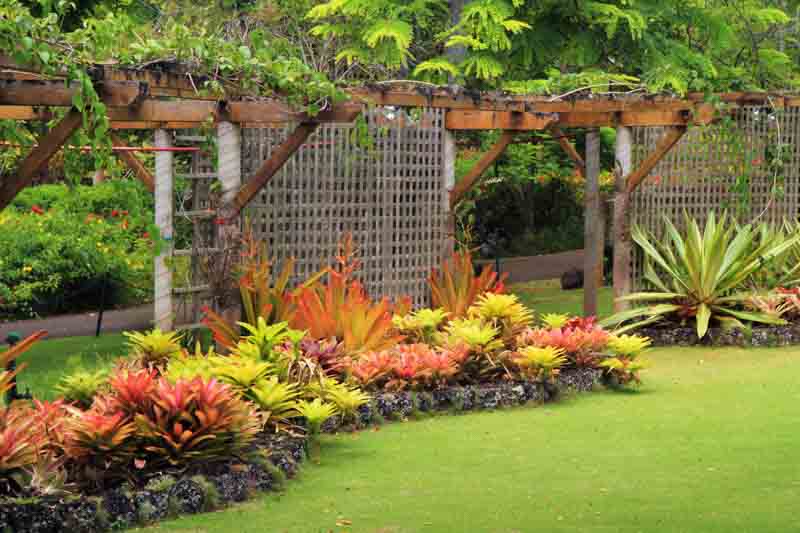
When considering tropical plants that are capable of thriving in full sun, it's essential to choose species that not only tolerate high light conditions but also possess the resilience to handle heat and potentially dry conditions. Here are some popular tropical plants that are well-suited for full sun exposure:
1. Bougainvillea
Bougainvillea is a vibrant, fast-growing vine that is renowned for its breathtaking bracts in various colors, such as pink, purple, and orange. This plant thrives in full sun and is well-known for needing minimal water once established.
- Colorful displays: Bougainvillea's bright flowers add a cheerful and lively atmosphere to gardens.
- Heat tolerance: Very resistant to heat, making it perfect for hot climates.
- Low maintenance: Requires little watering and thrives in poor soil conditions.
2. Plumeria (Frangipani)
Plumeria, commonly known as frangipani, is a popular tropical plant known for its stunning, fragrant flowers, which bloom in various colors. It requires full sun to produce its lush foliage and flowers effectively.
- Fragrant blooms: The sweet scent of plumeria flowers attracts pollinators, enhancing your garden's biodiversity.
- Dry conditions: This plant can tolerate drought once established, making it ideal for hotter climates.
- Attractive foliage: The thick, green leaves provide excellent visual interest even when the plant is not in bloom.
3. Canna Lily
Canna lilies are tropical plants with stunning flowers and broad, tropical foliage, making them ideal for sunny locations. They thrive in full sun and can bring height and drama to any garden.
See also:
- Vibrant colors: Available in various shades, including red, orange, and yellow, which can liven up any landscape.
- Bird attraction: The flowers attract hummingbirds and butterflies, enhancing the garden's ecosystem.
- Varied heights: Different species offer a range of heights, giving gardeners the flexibility to create stunning displays.
4. Heliconia
Heliconia, often referred to as lobster claw due to its unique shape, is a striking tropical plant that thrives in full sun conditions. Its vivid inflorescences make it a favorite in tropical gardens.
- Unique appearance: The bold shapes of the flowers provide a tropical feel and serve as excellent focal points.
- Vigorous growth: Heliconia can quickly fill in spaces in your garden, making it ideal for tropical landscaping.
- Wildlife friendly: The flowers attract various pollinators, including birds and insects.
5. Aloe Vera
While often associated with medicinal uses, Aloe Vera also functions as an attractive succulent in tropical gardens. This plant is highly adaptable and can easily thrive in full sun conditions, provided it has well-dr drained soil.
- Versatile use: Beyond its visual appeal, aloe vera is valued for its gel, which has soothing properties.
- Low water needs: This plant requires minimal watering, making it a suitable choice for dry, sunny locations.
- Easy care: Its resilience and adaptability mean it can thrive in various soil types with little maintenance.
What plants can handle afternoon sun?
:strip_icc():focal(621x0:623x2)/static.onecms.io__wp-content__uploads__sites__37__2020__10__23__baptisia-starlite-prairieblues-176798ce-07e4679a053e453f86f4e7244c23124e.jpg)
Plants that can handle afternoon sun are typically those that thrive in bright, direct light for several hours each day. These plants usually have adaptations that allow them to tolerate high temperatures and conserve moisture, making them ideal for areas with intense sunlight during the hottest part of the day.
1. Succulents
Succulents are a diverse group of plants that store water in their leaves, stems, or roots, allowing them to thrive in arid conditions. They are well-suited for afternoon sun due to their thick, fleshy tissues, which help to prevent dehydration.
- Agave: Known for their rosette shape and spiky leaves, agaves are exceptionally drought-tolerant and relish bright, direct sunlight.
- Aloe Vera: This popular succulent not only handles afternoon sun but also has medicinal properties, making it a versatile addition to your garden.
- Jade Plant: With its thick, oval leaves, the jade plant thrives in sunny environments and is low-maintenance, only needing watering when the soil is completely dry.
2. Ornamental Grasses
Ornamental grasses are excellent choices for gardens that receive afternoon sun. They not only add texture and movement to landscapes but also are generally more resilient to heat.
- Miscanthus: Known for its tall stature and feathery plumes, Miscanthus adds drama to any garden and thrives in full sun.
- Pennisetum: Commonly known as fountain grass, it produces attractive flower spikes and does well in hot, dry conditions.
- Blue Fescue: This clumping grass is favored for its blue-gray color and heat tolerance, making it a stunning addition to sunny borders.
3. Mediterranean Herbs
Herbs from the Mediterranean region are naturally adapted to withstand the intense sun and poor soil conditions, making them ideal for hot, sunny gardens.
- Rosemary: A robust herb that needs full sun and well-drained soil, rosemary is perfect for sunny areas and enhances culinary dishes.
- Thyme: This low-growing herb tolerates heat and drought, making it an excellent ground cover for sunny spots.
- Oregano: Best known for its culinary use, oregano thrives in full sun and can tolerate dry spells very well.
4. Cacti
Cacti are well-known for their ability to store water and thrive in harsh conditions. They are excellent options for areas receiving abundant afternoon sunlight.
- Saguaro Cactus: Iconic for its tall, upright form, the saguaro thrives in bright sunlight and can withstand extreme heat.
- Barrel Cactus: With its rounded shape and spines, barrel cacti are well-suited for sunny areas and offer striking visual appeal.
- Prickly Pear: Known for its flat pads and colorful fruits, prickly pear thrives in full sun and is quite drought-tolerant.
5. Sun-loving Perennials
Many perennials are adapted to thrive in sunny conditions, making them ideal choices for gardens exposed to afternoon sun.
- Daylilies: With their vibrant blooms and ability to adapt to various soil types, daylilies perform well in full sunlight.
- Coneflower: Known for attracting pollinators, coneflowers not only thrive in sunny conditions but are also drought-resistant.
- Black-eyed Susan: This cheerful wildflower flourishes in sunny spots and is tolerant of heat, providing bright color to gardens.
Questions from Our Readers
What types of plants thrive in full hot sun?
Many plants that are drought-tolerant and native to arid regions thrive in full hot sun. Examples include succulents, lavender, bee balm, and various ornamental grasses. These plants have adapted to withstand high temperatures and require minimal watering, making them ideal choices for sunny gardens.
How often should I water plants in full sun?
Plants in full sun typically require more frequent watering, especially during hot summer months. It is essential to water them deeply and less often, allowing the soil to dry out between waterings. Aim for once or twice a week, adjusting frequency based on your local climate and specific plant needs.
Can I use mulch to help plants in full sun?
Yes, using mulch is highly beneficial for plants in full sun. Mulch helps to retain moisture, regulate soil temperature, and suppress weeds. Applying a layer of organic mulch, such as wood chips or straw, can significantly improve the health of your sun-loving plants and reduce water usage.
Are there specific varieties of flowers suitable for full sun?
Absolutely, there are many flower varieties that thrive in full sun, including marigolds, zinnias, coneflowers, and daylilies. These flowers not only tolerate the heat but often bloom profusely under sunny conditions, adding vibrant colors and attracting pollinators to your garden.
See also:

If you want to read more articles like What are the best plants for full hot sun? A Complete Guide to Choosing the Perfect Sun-Loving Plants, we recommend you check out our Plants category.
Leave a Reply
Related Articles