What Are the Best Perennial Plants for Full Sun? Top Choices for Your Garden

When designing a vibrant garden, selecting the right plants for full sun is essential for creating a thriving outdoor space. Perennial plants are a fantastic choice, as they offer year-after-year blooms and require less maintenance than annuals. In this article, we will explore some of the best perennial plants suited for full sun conditions, highlighting their unique attributes, hardiness, and aesthetic appeal. Whether you’re aiming for a colorful flower bed, a fragrant herb garden, or a low-maintenance landscape, the following top choices will help you create a stunning garden that flourishes in bright sunlight.
Best Perennial Plants for Full Sun
When selecting the best perennial plants for full sun, it's important to consider varieties that thrive in bright conditions and can withstand heat. Perennials such as coneflower, black-eyed Susan, and daylilies are excellent choices, as they not only boast vibrant blooms and foliage but also require minimal maintenance once established. These plants often attract beneficial pollinators like bees and butterflies, enhancing the beauty of your garden while providing essential habitat. Additionally, incorporating native perennials can further enhance resilience, as these species are well-adapted to local climates and soils, ensuring a sustainable garden that flourishes year after year.
Coneflower (Echinacea)
The coneflower, or Echinacea, is widely appreciated for its striking purple petals and prominent, spiky center. This hardy perennial thrives in full sun and well-drained soil, making it ideal for flower beds and pollinator gardens. Coneflowers are drought-tolerant, and they attract a variety of beneficial insects, including pollinators like bees and butterflies, throughout the blooming season. Their long-lasting flowers also make them excellent for cutting gardens.
Black-eyed Susan (Rudbeckia)
Black-eyed Susan, scientifically known as Rudbeckia, is a vibrant addition to any full sun garden. With golden yellow petals and dark brown centers, these perennials create a striking contrast in flower beds. They are easy to grow and thrive in diverse soil types, making them a favorite among gardeners. Additionally, their ability to self-seed means that once planted, they will return year after year, providing reliability and color to your landscape without extra effort.
Daylilies (Hemerocallis)
Daylilies, or Hemerocallis, are renowned for their wide array of colors and appealing blooms. These drought-tolerant perennials require minimal care and flourish in full sun, displaying flowers that last for just one day but continuously produce buds throughout the growing season. Daylilies adapt well to various soil conditions, making them incredibly versatile. They are also deer-resistant, adding to their appeal for gardeners concerned about wildlife.
Lavender (Lavandula)
Lavender, belonging to the Lavandula genus, is a fragrant perennial that prefers full sun and well-drained soil. This aromatic plant not only adds beauty to the landscape with its striking purple flowers but also emits a delightful fragrance that enhances the garden's atmosphere. Lavender is known for attracting pollinators, and its drought tolerance makes it an excellent choice for low-maintenance gardens. Additionally, the dried flowers can be harvested for use in sachets or aromatherapy.
Phlox (Phlox paniculata)
Phlox, specifically Phlox paniculata, is a perennial that achieves splendid heights and offers clusters of colorful flowers. Thriving in full sun, this plant is perfect for adding vertical interest to borders and flower beds. Blooming in midsummer, the flowers attract butterflies and other pollinators, making it a vibrant choice that contributes to the health of your garden ecosystem. Phlox is also known for its resilience and ability to adapt to various soil types, making it a reliable option for any garden layout.
| Plant Name | Sun Exposure | Unique Feature |
|---|---|---|
| Coneflower | Full Sun | Attracts pollinators |
| Black-eyed Susan | Full Sun | Self-seeds annually |
| Daylilies | Full Sun | Drought-tolerant |
| Lavender | Full Sun | Aromatic fragrance |
| Phlox | Full Sun | Attracts butterflies |
What perennial is best in full sun?
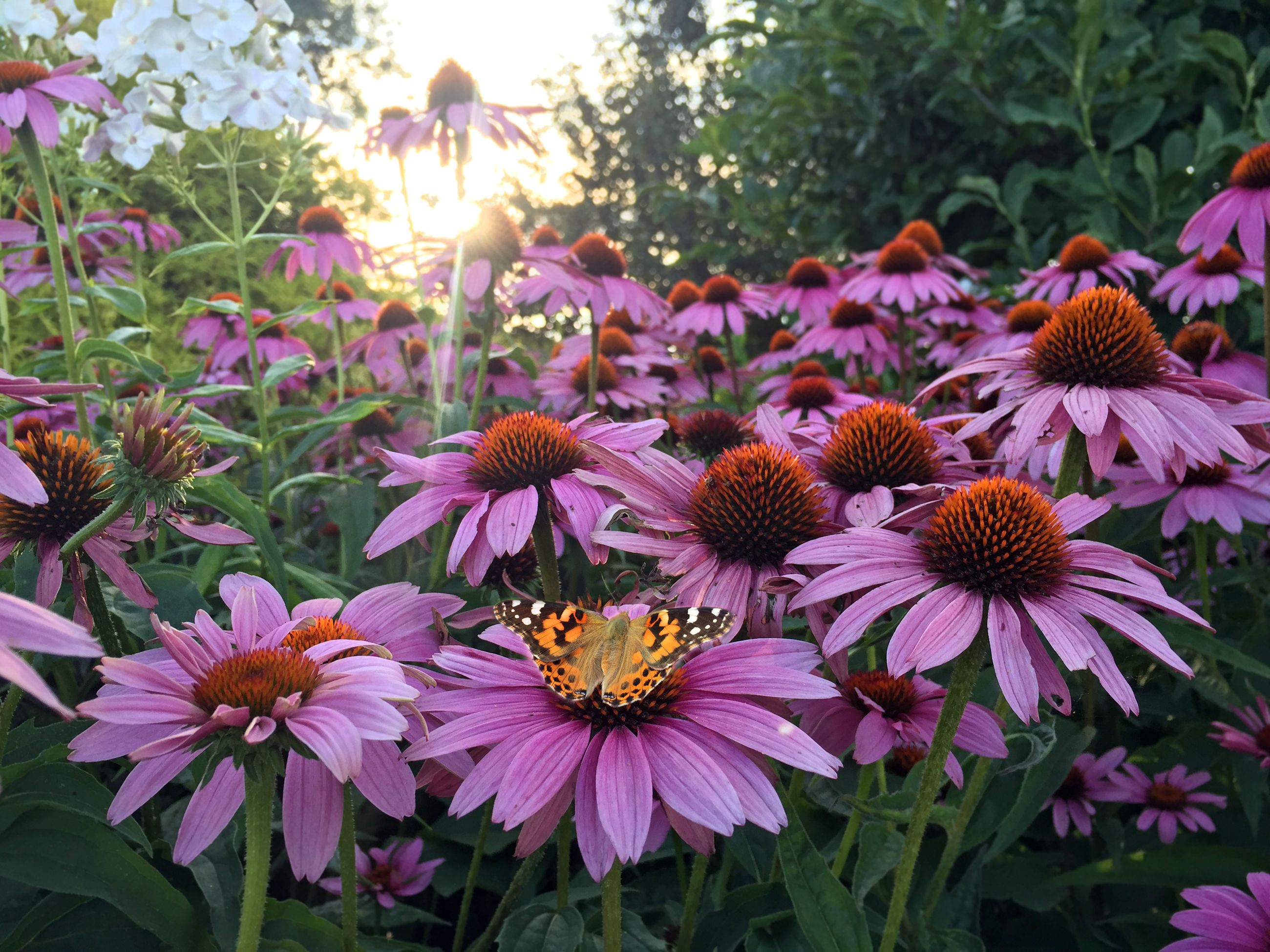
When it comes to choosing the best perennial for full sun, several factors need to be considered, including climate, soil type, and the specific landscape design. Generally, perennials that thrive in full sun possess qualities like drought resistance and vibrant blooms that can withstand the harsh conditions of direct sunlight. One of the top contenders for a full sun perennial is the daylily (Hemerocallis). Known for its hardiness and adaptability, daylilies can bloom in a range of colors and often exhibit continuous flowering throughout the summer.
Understanding Full Sun Conditions
Full sun is usually defined as having a minimum of six hours of direct sunlight each day. In this environment, plants need to be capable of handling high temperatures and potential drought. Factors that influence plant choice include:
- Microclimate: Consider the specific conditions of your garden area, such as wind exposure and soil drainage.
- Plant Height: Taller plants may overshadow shorter ones, affecting their sun exposure.
- Watering Needs: Select perennials that can thrive with limited water, as full sun areas can dry out quickly.
Top Perennials for Full Sun
Here are some of the top perennials that thrive in full sun environments:
- Daylily: Known for their hardy nature and diverse colors.
- Black-eyed Susan: These bright yellow flowers are resilient and attract pollinators.
- Lavender: This fragrant herb not only tolerates heat but also thrives in poor soil.
- Coneflower: Attractive to butterflies and capable of blooming all summer long.
- Russian Sage: Its silvery foliage and lavender blooms are excellent for dry conditions.
Soil Considerations
Soil type can greatly affect the success of your chosen perennials. Full sun perennials prefer well-draining soils that can retain some moisture, yet allow excess water to pass through. Key points to consider include:
- Drainage: Ensure that the soil doesn't become waterlogged, as this can harm perennials.
- Nutrient Content: Enrich the soil with organic matter to promote healthy growth.
- pH Level: Test the soil for pH and adjust as necessary to suit the preferred levels of your chosen plants.
Watering Techniques
Understanding how to properly water your full sun perennials is vital for their health. Here are some effective watering techniques:
See also:
- Deep Watering: Water deeply but infrequently to encourage roots to grow downwards.
- Mulching: Use mulch to retain soil moisture and reduce evaporation.
- Watering Schedule: Observe your plants and adjust your watering based on weather conditions (less during rainy days, more during dry spells).
Pest Management
Full sun perennials may encounter pests, necessitating thoughtful management practices to keep plants healthy. Consider the following strategies:
- Regular Monitoring: Check plants routinely for any signs of pests or diseases.
- Natural Predators: Encourage beneficial insects that prey on common pests.
- Organic Treatments: Use eco-friendly pest control methods to reduce chemical exposure.
What plants can tolerate full sun and heat?

Plants that can thrive in full sun and heat are essential for gardeners looking to create vibrant landscapes in warmer climates. These plants have adapted to withstand high temperatures and intense sunlight, often displaying characteristics such as thick leaves, deep root systems, and drought resistance. Here’s a detailed list of some popular plants known for their ability to endure these challenging conditions.
1. Succulents
Succulents are a diverse group of plants that have developed specialized tissues to store water, making them highly resilient to dry, hot climates. Their fleshy leaves and stems allow them to survive prolonged periods without water. Some common types include:
- Aloe Vera - Known for its medicinal properties and ability to thrive in sunny spots.
- Echeveria - A popular ornamental succulent with various colors and shapes.
- Agave - Hardy, often used in landscaping and capable of surviving with minimal water.
2. Lavender
Lavender is a perennial herb recognized for its fragrant flowers and ability to withstand hot, sunny conditions. It prefers well-draining soil and moderate watering, making it ideal for dry landscapes. Key benefits of lavender include:
- Attracts pollinators - Bees and butterflies are drawn to its vibrant blooms.
- Drought-tolerant - Once established, it requires little water.
- Aromatic properties - The scent of lavender is therapeutic and can deter pests.
3. Yarrow
Yarrow is a hardy perennial that can thrive in poor soils and full sun, making it a favorite among gardeners. It is known for its feathery foliage and clusters of small flowers. Benefits of yarrow include:
- Drought-resistant - It tolerates dry spells once established.
- Medicinal uses - Traditionally used for its healing properties.
- Pest-resistant - Helps deter harmful insects in the garden.
4. Sedum
Sedums, or stonecrops, are succulent plants that thrive in hot and dry conditions. They come in various shapes and sizes, offering versatility in landscaping. Benefits of sedum include:
- Low maintenance - Requires little care and minimal watering.
- Variety of colors - Available in greens, reds, and purples for aesthetic appeal.
- Attractive to pollinators - Flowers attract bees and butterflies during the bloom season.
5. Coneflower
Coneflower, or Echinacea, is a robust perennial that thrives in full sun and delivers vibrant blooms throughout the summer. Known for its resilience, it’s a popular choice among gardeners. Key aspects include:
- Medicinal properties - Often used to boost the immune system.
- Attracts wildlife - Draws birds and pollinators into the garden.
- Heat and drought tolerant - Adaptable to a range of soil types and conditions.
What is the best low maintenance perennial plant?
:strip_icc()/echinacea-purpurea-coneflower-b24cc95a-4950f1fab8774a97bf4c9afd39301943.jpg)
The best low maintenance perennial plant is Echinacea purpurea, commonly known as the Purple Coneflower. This hardy plant is favored by many gardeners for its resilience, vibrant color, and ability to thrive in a variety of conditions. Echinacea is drought-resistant and attracts pollinators like bees and butterflies, making it a valuable addition to any garden. Its simple care requirements and long blooming season, typically from mid-summer to early fall, further enhance its appeal as a low-maintenance option.
Characteristics of Echinacea Purpurea
Echinacea purpurea is known for its large, daisy-like flowers with prominent, raised centers. These flowers can bloom in shades of purple, pink, and sometimes white. The plant typically grows between 2 to 4 feet tall and features stout stems with lance-shaped leaves that can reach up to 5 inches in length. Its ability to withstand heat and drought makes it an ideal choice for gardeners seeking resilient plants.
- Height: 2 to 4 feet
- Flower colors: Purple, pink, and white
- Leaf shape: Lance-shaped, up to 5 inches
Growing Conditions for Echinacea
Echinacea purpurea thrives in full sun but can tolerate partial shade, making it flexible in terms of planting locations. It prefers well-drained soil and is not overly demanding when it comes to soil type. Once established, this perennial can handle drought conditions, and it typically does not require fertilization, which minimizes the effort needed for successful growth.
- Sunlight: Full sun to partial shade
- Soil type: Well-drained soil preferred
- Drought resistance: High, once established
Care and Maintenance Tips
The care for Echinacea purpurea is minimal. This plant requires occasional watering, especially during prolonged dry spells. Deadheading spent flowers can encourage more blooms and can also enhance the plant's overall appearance. It is advisable to divide the plants every 3 to 4 years to maintain their vigor and improve their blooming capacity.
See also:
- Watering: Occasional during dry periods
- Deadheading: Encourages more blooms
- Dividing: Every 3 to 4 years
Wildlife Benefits of Echinacea
Echinacea purpurea is not only beautiful but also beneficial for wildlife. The flowers attract a variety of pollinators, including bees and butterflies, which are essential for maintaining a healthy ecosystem. Additionally, the seeds from the spent flowers provide food for birds, further enhancing the ecological value of this perennial.
- Bee attraction: Essential pollinators
- Butterfly appeal: Enhances garden aesthetics
- Bird food: Seeds benefit local bird species
Common Pests and Diseases
While Echinacea purpurea is generally resistant to most pests and diseases, it can occasionally be affected by issues such as powdery mildew or aphids. Regular monitoring and maintaining good air circulation around the plants can help prevent these problems. If necessary, organic treatments can be applied to manage any outbreaks, ensuring that the plants remain healthy without heavy intervention.
- Pest resistance: Generally strong
- Common issues: Powdery mildew & aphids
- Preventive measures: Good air circulation
What is the most hardy perennial flower?
:strip_icc()/coneflower-00e5c598-6a87a3c2b91447888f0ba17f8ad924ca.jpg)
The most hardy perennial flower is widely regarded to be the Hellebore. This flower, known for its resilience and ability to thrive under harsh conditions, showcases beautiful blooms that can emerge even when snow is still present on the ground. Hellebores are highly valued for their ability to withstand cold temperatures, making them a popular choice for gardens in colder climates. They are also known to be relatively low-maintenance, requiring minimal care once established.
Characteristics of Hellebore
The Hellebore has several distinct characteristics that contribute to its hardiness:
- Cold Tolerance: Hellebores can survive temperatures as low as -10°F, making them ideal for regions with harsh winters.
- Evergreen Foliage: These plants retain their leaves year-round, providing visual interest even in winter months.
- Diverse Varieties: There are several species and hybrids available, offering a range of colors and flower shapes, including white, pink, and green.
Growing Conditions for Hellebore
Hellebores are versatile when it comes to their growing conditions:
- Soil Requirements: They prefer well-drained, rich soil, but can adapt to less fertile conditions.
- Light Preferences: Hellebores thrive in partial to full shade, making them suitable for woodland gardens.
- Water Needs: Although they prefer consistently moist soil, they are tolerant of drought once established.
Care Instructions for Hellebore
Caring for Hellebores is relatively straightforward:
- Mulching: Adding a layer of organic mulch can help retain soil moisture and suppress weeds.
- Pruning: Remove dead leaves and spent blooms to encourage new growth and maintain appearance.
- Fertilizing: A balanced fertilizer in early spring can boost flowering, although they generally do not require much fertilization.
Companion Plants for Hellebore
There are several plants that work well alongside Hellebores in garden settings:
- Hostas: Their lush foliage complements the delicate blooms of Hellebores and thrives in similar conditions.
- Ferns: Hardy ferns provide texture and fill empty spaces in shaded areas where Hellebores grow.
- Toad Lilies: These perennial flowers, which bloom later in the season, can create a continuous display of color in the garden.
Common Pests and Diseases of Hellebore
Though hardy, Hellebores can face certain challenges:
- Leaf Spot: A fungal disease that may occur; affected leaves should be removed and destroyed.
- Root Rot: Overwatering can lead to root rot, so proper drainage is essential.
- Pests: While generally pest-resistant, they can occasionally be affected by aphids, which can be managed with insecticidal soap.
Questions from Our Readers
What are the best perennial plants for full sun?
Perennials that thrive in full sun include coneflowers, daylilies, shasta daisies, and sedums. These plants are not only drought-resistant but also attract pollinators, making them excellent choices for vibrant gardens in sunny locations.
How much sunlight do perennial plants need?
Most perennial plants classified for full sun typically require at least 6 to 8 hours of direct sunlight each day. Adequate sunlight is crucial for their growth, flowering, and overall health.
Are there any low-maintenance perennial plants for sunny areas?
Yes, there are several low-maintenance perennial plants for sunny areas, such as lavender, sedum, and black-eyed Susans. These plants are hardy, require minimal care, and can thrive in various soil types, making them perfect for busy gardeners.
Can I grow perennial plants in containers for full sun?
Absolutely! Many perennial plants can be successfully grown in containers as long as they receive proper drainage and adequate sunlight. Utilizing large pots with well-draining soil allows for good growth and makes it easy to reposition them based on light exposure.
See also:
If you want to read more articles like What Are the Best Perennial Plants for Full Sun? Top Choices for Your Garden, we recommend you check out our Perennials category.
Leave a Reply
Related Articles