What are the Best Annuals for Gardens? Top Choices for a Vibrant Landscape

Selecting the right annuals for your garden can transform your outdoor space into a vibrant and flourishing landscape. With a multitude of options available, it’s essential to choose plants that not only complement each other but also thrive in your specific climate and soil conditions. This article explores some of the best annuals that gardeners can incorporate for stunning visual appeal throughout the growing season. From cheerful petunias to striking sunflowers, we’ll highlight top choices that promise to provide a burst of color and life, ensuring your garden remains a stunning focal point all year round.
Best Annuals for Gardens: A Comprehensive Guide
When selecting the best annuals for your garden, it's essential to consider factors such as climate, soil type, and the overall aesthetic you wish to achieve. Annuals are plants that complete their life cycle in a single growing season, providing vibrant color and lush foliage. Some popular options include the bright and cheery Marigold, the delicate Petunia, and the striking Zinnia. These flowers not only enhance the beauty of your garden but also attract beneficial pollinators like bees and butterflies. By choosing the right combinations of annuals, you can create a stunning visual display that continuously blooms from spring through fall.
Top Colorful Annuals
When it comes to adding color to your garden, some of the top choices include Cosmos, Celosia, and Pansies. Cosmos are known for their vibrant pinks, purples, and whites, offering a playful look. Celosia stands out with its unique feather-like appearance and bright reds and yellows, making it a bold addition. On the other hand, Pansies provide a delicate touch, often featuring multicolored blooms that last throughout cooler months, enriching your garden’s appeal.
Best Annuals for Pollinators
To attract pollinators such as bees and butterflies, consider planting Sunflowers, Lantanas, and Nasturtiums. Sunflowers are not only iconic for their towering height and sunny disposition but also serve as a vital food source for birds and insects. Lantanas produce clusters of small flowers that are particularly appealing to butterflies, while Nasturtiums are not just beautiful but also edible, adding both color and functionality to your garden space.
Low-Maintenance Annuals
For gardeners seeking a hassle-free experience, low-maintenance annuals like Portulaca, Zinnia, and Alyssum are excellent choices. Portulaca, also known as moss rose, thrives in poor soil and drought conditions, making it extremely resilient. Zinnias are hardy blooms that require minimal care and are available in a wide array of colors, while Alyssum offers delicate white or purple flowers and releases a sweet fragrance, effortlessly enhancing any garden with minimal effort.
Heat-Resistant Annuals
In warmer climates, choosing heat-resistant annuals can ensure a thriving garden despite high temperatures. Angelonia, Salvia, and Verbena perform exceptionally well under the sun. Angelonia is favored for its unique spike-like flowers and ability to withstand heat, while Salvia provides stunning purple blooms alongside drought tolerance. Verbena creates beautiful draping mats of flowers, adding a lush look to hanging baskets and containers even during the hottest summer days.
Seasonal Annuals
Seasonal annuals such as Snapdragons, Petunias, and Sweet Alyssum cater to different planting times throughout the year. Snapdragons thrive in cooler spring weather, offering tall spikes of variance in color and texture. Petunias are favorites for their adaptability to varied climates; blooming beautifully in spring and early summer. Sweet Alyssum is ideal for late-season planting, filling spaces with fragrant white or lavender blossoms and inviting a pleasant scent in the garden.
| Annual | Color | Benefits |
|---|---|---|
| Marigold | Orange, Yellow | Repels pests |
| Petunia | Various | Long blooming season |
| Zinnia | Various | Attracts butterflies |
| Cosmos | Pink, White | Easy to grow |
| Sunflower | Yellow | Attracts birds and bees |
What are the best annual flowers for garden beds?
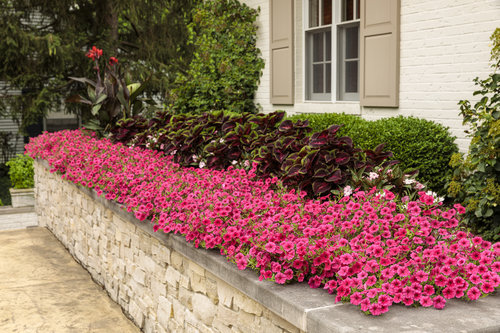
When selecting the best annual flowers for garden beds, it’s essential to consider their blooming season, color, height, and overall growth habit. Annuals are plants that complete their life cycle in one growing season and provide vibrant color and continuous blooms throughout the season. Here are some of the best options:
Common Characteristics of Great Annuals
Annual flowers that thrive in garden beds typically share several common characteristics that make them ideal for speedy and reliable growth. These include:
- Vibrant Colors: Annuals are known for their bold and diverse color palette.
- Extended Bloom Period: Many annuals bloom continuously until frost, providing long-lasting beauty.
- Fast Growth: They establish quickly, allowing for immediate impact in the garden.
Top Annual Flowers for Sunny Garden Beds
In sunny locations, some annual flowers thrive exceptionally well, providing a vibrant display through various seasons. Some of the top picks include:
- Marigolds: They are hardy and attract beneficial insects, deterring pests.
- Petunias: Known for their fragrant blooms and wide range of colors, they continuously bloom all season.
- Zinnias: These flowers offer a plethora of colors and are perfect for cutting gardens.
Best Annuals for Shady Garden Beds
For areas with limited sunlight, certain annual flowers can flourish and add beauty to shaded garden beds. These include:
- Impatiens: They thrive in shade or partial shade with a variety of vibrant colors.
- Begonias: They are excellent for shady spots and have unique foliage along with beautiful blooms.
- Fuchsias: They are known for their pendulous flowers and unique color combinations.
Container-Friendly Annuals
When it comes to gardening in containers, some annual flowers are particularly well-suited due to their adaptability and growth habits, such as:
See also:
- Geraniums: They are resilient and offer continuous blooms, making them a favorite for pots.
- Lobelia: Known for their trailing habit, they are perfect for cascading over the edges of containers.
- Calibrachoa: Often called million bells, they are low-maintenance and create beautiful hanging displays.
Caring for Annual Flowers in Garden Beds
Proper care is crucial for maximizing the beauty and lifespan of annual flowers in garden beds. Key aspects include:
- Watering: Consistent and adequate watering helps prevent stress and promotes healthy growth.
- Fertilization: Regular feeding with a balanced fertilizer boosts blooming and overall vitality.
- Deadheading: Removing spent flowers encourages new blooms and prolongs flowering period.
What flowers last the longest in a garden?
:max_bytes(150000):strip_icc()/long-lasting-cut-flowers-bouquets-dahlia-getty-0523-c409d93bb80b4bb9b230cbed3064af57.jpg)
The longevity of flowers in a garden can greatly enhance its aesthetic appeal and reduce maintenance efforts. Several flower varieties have been recognized for their extended blooming periods and resilience. Below are some of the flowers that last the longest in a garden.
Perennials
Perennial flowers are a fantastic choice for lasting blooms in the garden. They return year after year, providing consistent color and interest. Some of the most popular perennial flowers include:
- Daylilies: Known for their vibrant colors and drought resistance.
- Peonies: They can live for decades with minimal care and have a stunning fragrance.
- Chrysanthemums: These flowers bloom in late summer to fall, providing color just as many other plants start to fade.
Annuals with Long Blooming Seasons
While many annuals complete their life cycle in one season, several have extended blooming periods that can last until the first frost. Notable examples include:
- Petunias: Known for their large blooms and ability to flower continuously throughout the summer.
- Geraniums: They produce clusters of bright flowers, thriving with regular deadheading.
- Marigolds: Resistant to pests and excellent for summer gardens, they can flower from spring to fall.
Ornamental Grasses
While not traditional flowers, ornamental grasses can contribute significantly to the garden's beauty for extended periods. Their seasonal changes and timeless structures add texture and movement. Common types include:
- Miscanthus: With its feathery plumes, it provides interest in all seasons.
- Pennisetum: Also known as fountain grass, it offers graceful, arching forms and long-lasting blooms.
- Calamagrostis: Known as feather reed grass, it holds its shape and color well through winter.
Herbs with Flowering Capabilities
Many herbs not only provide culinary benefits but also produce beautiful flowers that can last throughout the growing season. Some that are particularly known for their blooms include:
- Lavender: Its fragrant purple flowers attract pollinators and bloom for several months.
- Basil: When allowed to flower, it can add beautiful spikes that attract beneficial insects.
- Sage: Its delicate flowers emerge in spring and can attract many pollinators to the garden.
Roses
Roses are a classic choice praised for their beauty and variety. Many modern hybrid varieties are bred for a longer blooming season and increased resistance to disease. Consider the following:
- Hybrid Tea Roses: Known for their stunning blooms and prolonged flowering time throughout the summer.
- Floribunda Roses: These produce clusters of flowers and are known for their continuous blooming.
- Climbing Roses: They can cover trellises and walls while providing abundant blooms over the season.
Which plant will last the longest, annuals or perennials?
:strip_icc()/new-england-aster-purple-dome-48af2cce-7d9de8357ac749b686aa85f0a45a8716.jpg)
Understanding Annuals and Perennials
Annuals are plants that complete their life cycle within one growing season, from germination to seed production and death. In contrast, perennials are plants that live for multiple years, typically producing flowers and seeds over many growing seasons. The longevity of these plants can be traced back to their biological structures and reproductive strategies, making it essential to understand how these factors influence their lifespans.
- Annuals: These plants grow quickly, bloom, and die within a year, which means they focus all their energy on reproduction within this short timeframe.
- Perennials: They invest energy in root and foliage development, surviving through dormant periods, which allows them to persist across many seasons.
- Adaptation: The strategies of annuals and perennials have evolved to suit varying environmental conditions, impacting their overall durability.
The Lifespan of Annuals
Annual plants generally have a shorter lifespan, usually completing their life cycle within a single year. This quick lifecycle allows them to rapidly fill ecological niches and take advantage of optimal growing conditions. While they may produce abundant blooms during their brief time alive, their lifespan is fundamentally limited by their reproductive strategy.
- Fast Growth: Annuals tend to sprout quickly, allowing them to establish themselves before competition from longer-lived plants.
- Seed Production: They prioritize seed production as a means of ensuring survival through progeny rather than living for extended periods.
- Quick Responses to Environment: Their lifecycle allows them to adapt rapidly to changes in climate and soil conditions.
The Long-Term Survival of Perennials
Perennials offer longevity, typically surviving for several years or even decades. Their ability to regrow each season from the same root system enables them to adapt to varying environmental conditions and recover from adverse weather or stress. This resilience is a crucial component of their persistent nature.
- Root Development: Perennials invest in extensive root systems to store nutrients and water for survival during unfavorable seasons.
- Seasonal Growth Patterns: Many perennials go dormant during extreme weather conditions, which saves energy and resources.
- Continuous Blooming: Some perennials can bloom throughout several seasons, allowing them to attract pollinators and sustain ecological interactions over extended periods.
Environmental Factors Influencing Longevity
The environment plays a significant role in determining whether annuals or perennials last longer in a specific location. Factors such as soil quality, climate, and competition from other plants impact their growth and survival strategies, with perennials generally being more resilient in varied ecosystems over time.
See also:
- Soil Quality: Perennials often thrive in nutrient-rich soils, while annuals can outcompete them in disturbed areas.
- Climate: Different climatic conditions can favor one type over the other, influencing which plants persist.
- Plant Competition: In ecosystems with dense competition, perennials may establish deep roots to outlast shallow-rooted annuals.
Practical Implications for Gardeners
For gardeners, understanding the differences in longevity between annuals and perennials can influence planting decisions. Choosing the right plants can lead to more sustainable garden practices and reduced maintenance efforts. Perennials often require less frequent replanting and can provide ongoing benefits over the years.
- Cost-Effectiveness: While perennials may have higher initial costs, they often save money in the long run due to their longevity.
- Seasonal Interest: Incorporating both types can provide continuous blooms and visual appeal across multiple seasons.
- Ecological Benefits: By planting perennials, gardeners can enhance local biodiversity and create habitats for beneficial wildlife.
Conclusion on Plant Durability
When comparing the durability of annuals and perennials, the evidence strongly suggests that perennials typically last longer. However, both types of plants have unique roles and benefits in the ecosystem, making them valuable in various gardening and horticultural contexts.
What is the best flower that blooms all summer?
:max_bytes(150000):strip_icc()/annual-flowers-bloom-all-summer-long-dahlia-getty-0523-663221fdec104732b34e0e019905f2ff.jpg)
The best flower that blooms all summer is generally considered to be the daylily (Hemerocallis). This perennial flowering plant is prized for its vibrant colors and ability to produce blooms continuously throughout the summer months. Daylilies are remarkably low-maintenance, making them a favorite among gardeners.
The Advantages of Daylilies
Daylilies offer numerous advantages, contributing to their popularity in gardens:
- Low Maintenance: Daylilies are drought-resistant and require minimal care once established.
- Variety of Colors: Available in a wide range of colors, they can brighten any landscape.
- Long Blooming Period: Typically bloom from late spring to early fall, providing consistent color.
Choosing the Right Variety
There are several varieties of daylilies, and choosing the right one can depend on your garden's conditions:
- Classic Daylily: The traditional orange daylily is hardy and understands various climates.
- Modern Hybrids: These offer a mix of colors, sizes, and bloom shapes, enhancing visual appeal.
- Ever-blooming Types: Some varieties continuously produce blooms, extending the flowering season.
Planting Daylilies
To achieve optimal growth, proper planting techniques are crucial:
- Soil Preparation: Daylilies prefer well-draining soil enriched with organic matter.
- Spacing: Place the plants 18 to 24 inches apart to allow for ample growth.
- Sun Exposure: Provide full sun for at least six hours daily to encourage abundant blooms.
Care and Maintenance
Maintaining your daylilies ensures a lush display throughout the summer:
- Watering: Water the plants deeply, especially during dry spells.
- Fertilization: Use a balanced fertilizer in early spring to boost growth.
- Deadheading: Remove spent flowers to promote continual blooming and tidy appearance.
Companion Planting
Daylilies can enhance the beauty of your garden when paired with other plants:
- Hostas: Their lush foliage complements daylilies and provides contrast.
- Peonies: The blooming periods align perfectly, creating a colorful display.
- Black-eyed Susans: These flowers bloom simultaneously and add vibrant yellow tones.
Questions from Our Readers
What are the best annuals for sunny gardens?
The best annuals for sunny gardens include petunias, marigolds, and zinnias. These flowers thrive in full sun and can add vibrant colors to your garden throughout the growing season. Their hardiness and ability to attract pollinators make them popular choices for sunny areas.
Which annuals are suitable for shaded gardens?
For shaded gardens, begonias, impatiens, and coleus are excellent annuals to consider. These plants are known to flourish in low-light conditions and can bring a splash of color to areas that receive minimal sunlight. Their diverse foliage and flowers can create a beautiful backdrop in your garden.
How often should I water annuals in my garden?
Annuals generally require regular watering, typically about once a week, but this can vary based on weather conditions. It is important to ensure the soil remains moist but not waterlogged. Checking the soil for dryness is key to maintaining healthy plants.
Can annuals be grown in containers?
Yes, annuals are perfect for container gardening, as they can adapt well to limited spaces. Using good quality potting soil and ensuring proper drainage are essential for the success of your container plants. You can create beautiful displays by mixing different varieties and colors.
See also:

If you want to read more articles like What are the Best Annuals for Gardens? Top Choices for a Vibrant Landscape, we recommend you check out our Annuals category.
Leave a Reply
Related Articles