What Are the Best Annuals for Garden Beds? Top Picks for a Vibrant Floral Display

When it comes to creating a vibrant and colorful garden, choosing the right annuals for your flower beds is essential. These plants not only offer a burst of color throughout the growing season but also provide versatility in design and maintenance. From sunny marigolds to delicate petunias, annuals can elevate your garden's aesthetic and attract pollinators. In this article, we will explore some of the best annuals for garden beds, highlighting top picks that promise to deliver a stunning floral display. Discover how to mix and match these varieties to create an eye-catching masterpiece in your outdoor space.
What Are the Best Annuals for Garden Beds?
When considering the best annuals for garden beds, it’s essential to select plants that not only provide vibrant color but also thrive in your specific climate conditions. Some of the top choices include petunias, known for their extensive range of colors and patterns, and marigolds, which are excellent for pest control. Other notable mentions are zinnias, which attract pollinators, and impatiens, perfect for shady areas. Incorporating a diverse selection of these annuals can transform your garden into a stunning display while providing varied bloom times throughout the growing season.
Petunias
Petunias are a popular choice for garden beds due to their vibrant colors and resilience to heat. They come in a variety of shades, from soft pastels to bold hues, and can bloom continuously from spring until the first frost. These plants thrive in full sun and prefer well-drained soil. Their low-maintenance nature and ability to tolerate periods of drought make them ideal for gardeners seeking reliable and stunning blooms.
Marigolds
Marigolds are not just beautiful; they are also highly effective at deterring pests in the garden, making them an essential choice for companion planting. These annuals bloom profusely in shades of yellow, orange, and gold, bringing a warm touch to garden beds. They are tolerant of various soil types and can flourish in both sunny and slightly shady spots, adding versatility to garden design. Their vibrant flowers also attract beneficial pollinators.
Zinnias
Zinnias are beloved for their daisy-like flowers that come in numerous colors, making them a favorite among gardeners. These annuals are particularly useful in attracting bees and other pollinators, aiding in the overall health of the garden ecosystem. Zinnias thrive in full sunlight and well-draining soil, producing abundant blooms throughout the summer. They are also drought-tolerant once established, making them a low-maintenance option for vibrant garden beds.
Impatiens
Impatiens are ideal for shaded garden beds, providing color and life where sunlight is limited. Available in a variety of colors, these annuals can create a lush and vibrant display under trees or in other shaded areas. Impatiens prefer moist, well-drained soil and require regular watering. Their capability to thrive in low-light conditions makes them a valuable addition to any garden design, especially when aiming for a bold color palette.
Cosmos
Cosmos are known for their cheerful flowers and ability to produce blooms all summer long until frost. They are easy to grow and can tolerate poor soil conditions while thriving in full sun. These annuals feature delicate, feathery foliage and come in colors including pink, white, and orange. Their tall stems add height to garden beds, making them perfect for back-row planting while attracting pollinators and creating a lively floral display.
| Annual | Key Colors | Sun Preference | Height |
|---|---|---|---|
| Petunias | Various | Full Sun | 8-18 inches |
| Marigolds | Yellow, Orange | Full Sun | 6-36 inches |
| Zinnias | Various | Full Sun | 12-48 inches |
| Impatiens | Various | Shade | 6-24 inches |
| Cosmos | Pink, White, Orange | Full Sun | 18-48 inches |
What flowers grow best in raised beds?

Raised beds are a fantastic option for growing flowers, providing improved drainage and soil quality. Here are some flowers that thrive in these conditions:
Perennials for Raised Beds
Perennials are a great choice for raised beds since they return year after year, offering longevity to your garden. Some of the best perennials that flourish in raised beds include:
- Black-eyed Susan - This hardy flower is drought-tolerant and attracts pollinators.
- Daylilies - Known for their vibrant colors and minimal care, they can adapt to various soil types.
- Coreopsis - These flowers thrive in full sun and can bloom for many months, adding bright colors to your raised beds.
Annuals that Thrive in Raised Beds
Annual flowers complete their life cycle in one growing season, making them perfect for adding seasonal color. Some recommended annuals include:
- Zinnias - They come in various colors and are easy to grow, attracting butterflies to your garden.
- Petunias - With a wide range of colors and patterns, they adapt well to raised beds and provide dynamic displays.
- Marigolds - These flowers have pest-repellent properties, making them beneficial companions in the garden.
Herbaceous Flowers Ideal for Raised Beds
Herbaceous flowers can be both beautiful and practical. Many offer scents and colors, contributing aesthetic and functional value. Some herbaceous flowers suitable for raised beds include:
- Lavender - This aromatic flower thrives in well-drained, sandy soil and attracts beneficial pollinators.
- Gaillardia - Known for its bright red and yellow hues, it thrives in hot, dry conditions.
- Delphiniums - They provide stunning vertical interest and bloom in vibrant shades under the right conditions.
Shade-Loving Flowers for Raised Beds
While raised beds are commonly associated with sunny locations, there are flowers that can thrive in partial shade. The following shade-loving varieties are excellent for these setups:
- Astilbe - Thriving in humidity and shade, they produce feathery plumes that bring texture to garden beds.
- Hostas - Known for their foliage, they come in various sizes and can add diverse colors to shaded areas.
- Bleeding Heart - With their unique heart-shaped flowers, these plants create an ethereal effect in shady spots.
Tips for Flower Care in Raised Beds
To ensure your flowers thrive in raised beds, consider the following care tips:
See also:
- Soil Quality - Use high-quality soil that retains moisture but drains well, often a mix of compost, peat moss, and garden soil.
- Watering - Regular watering is crucial, especially during dry spells; aim for deep watering rather than frequent shallow watering.
- Mulching - Applying mulch around your flowers helps retain moisture, suppress weeds, and regulate soil temperature.
What are the easiest flowers to grow in a garden bed?

The easiest flowers to grow in a garden bed vary depending on climate, soil conditions, and maintenance preferences. However, there are several species that are generally considered low-maintenance and suitable for beginner gardeners. Here are some of the easiest flowers to grow:
1. Marigolds: Known for their vibrant colors, marigolds are not only easy to grow but also help deter pests in the garden. They thrive in full sunlight and can tolerate a variety of soil types.
2. Zinnias: Zinnias are popular for their bright, cheerful blooms and long blooming period. They require little water once established and attract beneficial insects like butterflies.
3. Sunflowers: These tall, iconic flowers are incredibly easy to grow from seeds. Sunflowers require full sun and well-drained soil, making them suitable for many garden types.
4. Cosmos: With their delicate blooms and ability to thrive in poor soil, cosmos are perfect for gardeners seeking low-maintenance options. They grow quickly and can tolerate drought once established.
5. Daisies: Classic and sturdy, daisies can be grown in various conditions. They are perennial plants that will return year after year, making them an excellent choice for any garden bed.
Marigolds: Pest-Deterring Beauties
Marigolds are not just easy to grow; they also serve a functional role in the garden. Their flowers emit a scent that repels many garden pests, making them a natural pesticide. Planting marigolds among other flowers can enhance their health and longevity.
- Plant in full sun for best growth.
- Deadhead regularly to promote new blooms.
- Can be grown in pots or garden beds.
Zinnias: Colorful and Hardy
Zinnias are treasured for their broad spectrum of colors and resilient nature. They thrive in full sun and are tolerant of drought conditions once established. Zinnias bloom all summer, providing continuous visual interest in your garden.
- Prefer well-drained soil.
- Check regularly for pests like aphids.
- Can be started from seeds or nursery plants.
Sunflowers: The Garden Showstoppers
Sunflowers are often regarded as the quintessential garden flower. They can reach impressive heights and are relatively easy to cultivate from seeds. Sunflowers grow best in areas with plenty of sunlight and can adapt to different soil types.
- Sow seeds directly in the garden after the last frost.
- Support taller varieties with stakes.
- Can be grown in containers if space is limited.
Cosmos: Simple Charm
Cosmos flowers are celebrated for their ability to thrive even under the toughest conditions. These flowers appreciate poor soil and can handle drought, making them perfect for gardeners with less time for maintenance.
- Plant in full sun for optimal blooming.
- Thin seedlings to avoid overcrowding.
- Regular deadheading can extend the blooming period.
Daisies: Timeless Garden Staples
Daisies are perennial favorites that bring classic charm to any garden. They are resilient and can adapt to a wide range of soil conditions. With proper care, daisies will return every year, making them a worthwhile investment.
- Space plants to allow for adequate airflow.
- Deadhead spent flowers to promote re-blooming.
- Able to thrive in sunny and partially shaded areas.
Which plant will last the longest, annuals or perennials?
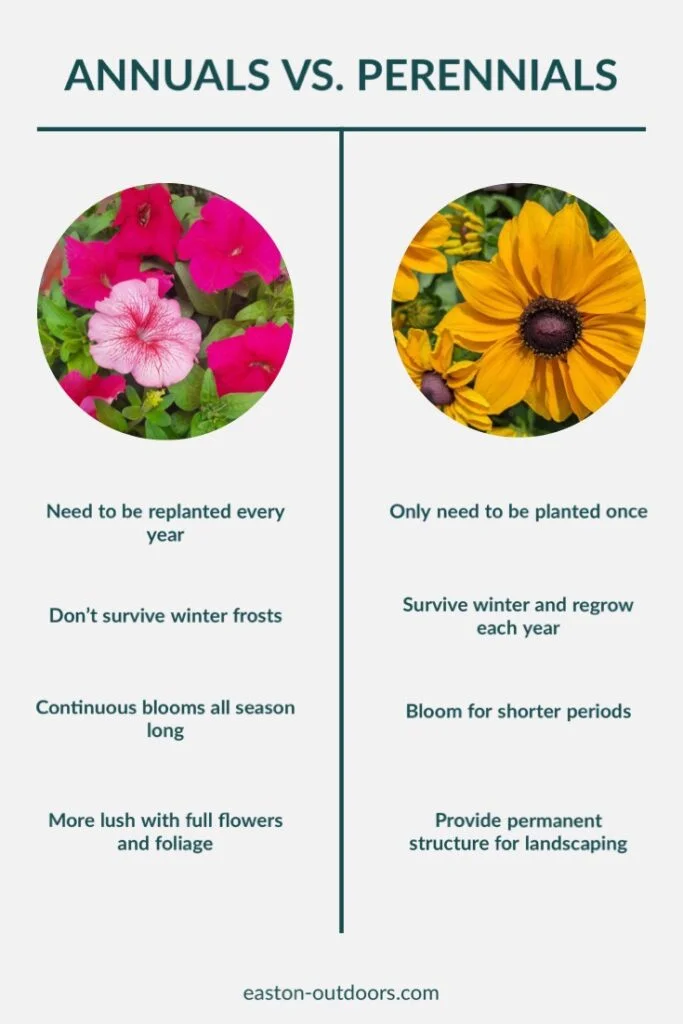
Annual plants and perennial plants serve different purposes in a garden and have different life spans. In terms of longevity, perennials are the clear winners, as they live for several years while annuals complete their life cycle within one growing season.
See also:
The Lifespan of Annuals
Annual plants are characterized by their one-year life cycle. They germinate, grow, flower, seed, and die within a single year. This quick progression allows them to quickly occupy space and provide instant color and beauty to a garden. However, once they flower and produce seeds, they die off.
- Growth Cycle: Annuals typically sprout in the spring and die with the first frost.
- Maintenance: They usually require more frequent replanting and care each year.
- Variety: They offer a diverse range of colors and types, ideal for seasonal displays.
The Lifespan of Perennials
Perennials, on the other hand, are plants that last for multiple years. They grow back each spring from their root system, typically entering a dormant stage in the winter. This allows for a more sustainable garden where plants come back year after year without needing to be replanted.
- Longevity: Many perennials can thrive for several years, often decades with proper care.
- Investment: While they may take longer to establish, they ultimately save money in the long run.
- Seasonal Interest: Some perennials bloom at different times, providing continuous beauty throughout the growing season.
Cultural Significance of Perennials vs. Annuals
The cultural significance of both annuals and perennials varies across gardening communities. Many gardeners prefer perennials for their durability and eco-friendliness, as they promote biodiversity and soil health. Annuals, however, play a critical role in vibrant designs, allowing for seasonal creativity and quick changes in garden aesthetics.
- Environmental Benefits: Perennials are better for native pollinators and local ecosystems.
- Design Flexibility: Annuals allow for more frequent changes, showcasing different styles.
- Community Preferences: Gardeners may choose based on local climate and soil conditions.
Plant Care and Maintenance Requirements
The care and maintenance of annuals and perennials also differ significantly. Annuals need more frequent watering, fertilization, and pest management throughout their brief lifespan, while perennials, after their initial establishment, often require less attention.
- Watering Needs: Annuals generally need consistent moisture, while perennials can tolerate drought.
- Fertilization: Annuals benefit from regular fertilization, especially during blooming, while perennials usually need less.
- Pest Management: Annuals might attract more pests due to their lush growth, requiring more integrated pest management strategies.
Cost and Economic Considerations
When planning a garden, the economic considerations between choosing annuals versus perennials can be significant. Although annuals tend to have a lower upfront cost, their need for replanting each year can accumulate, ultimately making them more expensive over time.
- Initial Investment: Annuals may cost less to plant initially, but require repeated purchases.
- Long-term Savings: Perennials might have higher initial costs but lead to savings due to their longevity.
- Resale Value: Established perennial gardens may enhance property value more than annual displays.
What are the best things to plant in a raised garden bed?

When planning what to plant in a raised garden bed, several factors should be considered, including climate, the purpose of the garden, and companion planting techniques. Here are some of the best options to consider:
Vegetables
Raised garden beds are ideal for growing a variety of vegetables due to improved drainage and soil quality. Some popular choices include:
- Tomatoes - These are one of the most rewarding vegetables to grow and thrive in raised beds. They require full sun and well-drained soil.
- Peppers - Bell peppers and hot peppers alike flourish in warm conditions and benefit from the controlled environment of a raised bed.
- Leafy Greens - Spinach, kale, and lettuce grow quickly and can be harvested multiple times, making them ideal for successive planting throughout the season.
Herbs
Herbs are perfect for raised garden beds as they often have different watering and sunlight needs compared to vegetables. Some great options include:
- Basil - This herb thrives in warm temperatures and is perfect for summer planting, pairing well with tomatoes.
- Parsley - A versatile herb that can grow in partial shade, making it adaptable for various planting conditions.
- Thyme - This hardy herb can tolerate dry conditions and is a great addition to any herb garden.
Flowers
Incorporating flowers into a raised garden bed not only adds beauty but can also attract beneficial insects. Choices might include:
- Marigolds - Known for their pest-repelling properties, marigolds are a great companion to vegetables.
- Nasturtiums - These edible flowers add a splash of color and can deter aphids and other pests.
- Sunflowers - Tall and striking, sunflowers can provide shade for smaller plants and attract pollinators.
Fruits
Certain fruits can be successfully grown in raised beds, especially if you choose compact or dwarf varieties. Consider these options:
- Strawberries - They adapt well to raised beds and can produce fruit in the first year of planting.
- Dwarf Fruit Trees - These trees are suitable for small spaces and can produce apples, peaches, or cherries.
- Raspberries - A perennial favorite, raspberries can thrive in a raised bed where they can be kept neat and manageable.
Companion Planting
Utilizing companion planting in raised beds can enhance growth and reduce pests. Key combinations include:
- Carrots and Onions - These vegetables benefit from being planted together as the onions can deter carrot flies.
- Beans and Corn - Beans provide nitrogen to the soil, benefiting corn, while corn offers natural support for climbing bean plants.
- Spinach and Strawberries - Strawberries can grow well alongside spinach, which benefits from the shadow provided by the leafy strawberry plants.
Questions from Our Readers
What are the best annuals for garden beds?
Annuals like petunias, marigolds, and zinnias are considered some of the best choices for garden beds. These plants thrive throughout the growing season, offering vibrant colors and long-lasting blooms. With proper care, they can fill your garden with beauty until the first frost.
How do I choose the right annuals for my garden?
When selecting annuals for your garden, consider factors such as sunlight, soil type, and climate. It's essential to choose plants that will thrive in your specific conditions, ensuring a lush and vibrant garden display. Opt for annuals that match your garden's design theme and maintenance preferences.
See also:
When is the best time to plant annuals?
The best time to plant annuals typically falls after the last frost of spring. This is usually between mid-April and May, depending on your region. By planting at this time, you allow the plants to establish themselves and bloom profusely throughout the warmer months.
How do I care for annuals in my garden?
To care for your annuals, ensure they receive adequate sunlight, water them regularly, and provide fertilizer as needed. They benefit from deadheading, which encourages more blooms, and regular observation for pests or diseases, helping to maintain their health and vitality throughout the season.

If you want to read more articles like What Are the Best Annuals for Garden Beds? Top Picks for a Vibrant Floral Display, we recommend you check out our Annuals category.
Leave a Reply
Related Articles