What Annuals Bloom the Fastest? Top Quick-Blooming Flowers for Your Garden

When it comes to creating a vibrant garden in record time, choosing the right annuals is crucial. Fast-blooming flowers can transform your outdoor space with bursts of color in just a few weeks, making them perfect for both seasoned gardeners and beginners alike. Whether you're looking to fill in gaps, enhance curb appeal, or simply enjoy a flourishing landscape, understanding which annuals bloom the fastest is key. In this article, we will explore the top quick-blooming flowers that can brighten up your garden, providing essential tips on how to care for them and maximize their blooming potential.
Fast-Blooming Annuals for Quick Garden Color
Many gardeners seek out annuals that bloom quickly to provide immediate color and vibrancy to their landscapes. Among these, varieties such as petunias, marigolds, zinnias, and celosia often stand out for their rapid growth and abundant blooms. These types typically start to flower within 6 to 8 weeks after planting, making them ideal for those who want to create an attractive garden without a long wait. Additionally, these annuals thrive in a variety of conditions, ensuring that even novice gardeners can achieve success and enjoy a vibrant garden setting in no time.
Petunias: A Popular Choice for Quick Blooms
Petunias are a favorite among gardeners due to their ability to produce an impressive array of colors and shapes within a short time frame. These plants typically take about 6 to 8 weeks to bloom, and with proper care, they can continue flowering until the first frost. Petunias thrive in full sun and well-drained soil, making them perfect for garden beds and containers alike.
Marigolds: Brighten Your Garden Instantly
Known for their cheerful yellow, orange, and red hues, marigolds are another fast-blooming annual that can add immediate color. They usually begin to flower about 8 weeks after sowing seeds. Marigolds are hardy and can tolerate varying soil conditions while attracting beneficial insects, making them a great addition to any garden.
Zinnias: A Burst of Color
Zinnias are celebrated for their wide variety of vibrant colors and their fast blooming nature, typically taking just 7 to 12 weeks from planting to flowering. These drought-tolerant plants are a fantastic option for bringing bright colors to summer gardens. Moreover, zinnias attract pollinators like butterflies, enhancing the garden’s ecosystem.
Celosia: Unique Blooms for Visual Interest
Celosia is known for its stunning, plume-like flowers that add texture and depth to any garden. This annual typically blooms within 8 weeks, showcasing bright colors that stand out in landscaping. Celosia prefers warm environments and well-draining soil, making them ideal for sunny spots in your yard.
Creating a Blooming Schedule: Understanding Timing
Knowing when to plant is crucial for achieving fast blooms. Most fast-blooming annuals should be started indoors 6 to 8 weeks before the last frost date or sown directly in the garden once the soil has warmed. Using a planting calendar can help gardeners synchronize their planting schedules to ensure a continuous display of flowers throughout the growing season.
| Annual | Bloom Time (Weeks) | Color Varieties |
|---|---|---|
| Petunias | 6-8 | Pink, Purple, Red, White |
| Marigolds | 8 | Yellow, Orange, Red |
| Zinnias | 7-12 | Red, Pink, Yellow, Orange |
| Celosia | 8 | Red, Orange, Yellow |
What is the easiest flower to bloom all summer?
:max_bytes(150000):strip_icc()/GettyImages-1366343015-d00ff618ffe1463e840366cdc286315c.jpg)
The easiest flower to bloom all summer is the Marigold (Tagetes). These vibrant annuals are celebrated for their bright orange and yellow flowers and their ability to thrive in a variety of conditions. Marigolds are often recommended for novice gardeners due to their low maintenance requirements and resilience against pests and harsh weather. They bloom continuously throughout the summer, providing a cheerful display in gardens and landscapes.
Benefits of Planting Marigolds
Marigolds offer numerous benefits that make them a top choice for summer blooming flowers. Their vibrant colors not only enhance the aesthetics of a garden but also attract beneficial insects. Here are some key advantages:
- Low Maintenance: Marigolds require minimal care, making them ideal for busy gardeners.
- Pest Resistance: The scent of marigolds is known to deter harmful pests such as aphids and nematodes.
- Diverse Varieties: They come in many species and sizes, ranging from compact to taller varieties, allowing flexibility in gardening designs.
Ideal Growing Conditions for Marigolds
Understanding the ideal conditions for marigold growth can significantly impact their blooming performance. These flowers thrive under certain conditions:
- Sunlight: Marigolds prefer full sun and should receive at least 6 hours of direct sunlight daily.
- Soil Type: Well-draining soil that is rich in organic matter is optimal for healthy growth.
- Temperature: They flourish in warm temperatures, typically between 70°F to 75°F (21°C to 24°C).
Caring for Marigolds Throughout Summer
To ensure marigolds bloom throughout the summer, proper care is necessary. Here are essential care tips:
- Watering: Water marigolds regularly, keeping the soil moist but not soggy, especially during dry spells.
- Fertilization: A balanced, slow-release fertilizer applied every few weeks can promote abundant blooms.
- Deadheading: Regularly removing spent flowers encourages new blooms and keeps plants tidy.
Pest and Disease Management for Marigolds
Although marigolds are relatively pest-resistant, occasional issues may arise. Here are strategies to manage pests and diseases:
See also:
- Regular Inspection: Check plants regularly for signs of pests such as spider mites or aphids.
- Natural Remedies: Use insecticidal soap or neem oil as eco-friendly solutions for pest control.
- Crop Rotation: Rotating marigold plantings each year can help reduce soil-borne diseases and pests.
Companion Planting with Marigolds
Marigolds are excellent companions for various plants in the garden. They can enhance growth and protect neighboring plants. Here are some effective companion pairings:
- Tomatoes: Marigolds repel pests that commonly attack tomatoes, such as whiteflies and hornworms.
- Beans: Their flowers attract beneficial insects that improve bean pollination.
- Cucumbers: Planting marigolds near cucumbers can help deter cucumber beetles.
Which flower blooms the quickest?

The flower that is known for blooming the quickest is the Kalanchoe. This succulent plant typically flowers in a matter of weeks after planting, with certain species completing their bloom cycles in as little as three to four weeks. Kalanchoes can produce clusters of small, colorful flowers, making them a popular choice for gardeners who seek rapid and vibrant blooms.
Characteristics of Kalanchoe Flowers
Kalanchoe flowers are notable for their vibrant colors and compact blooms, which can include shades of red, pink, yellow, and white. These flowers generally grow in clusters, creating a striking visual appeal. The plant thrives in well-drained soil under moderate light conditions, which aids in the speedy blooming process.
- Vibrant colors
- Compact growth habit
- Clusters of small flowers
Growing Conditions for Quick Blooms
To encourage the fastest blooming of Kalanchoe, it is important to provide the right growing conditions. These plants prefer bright, indirect sunlight and can flourish in temperatures ranging from 60°F to 70°F. Overwatering should be avoided, as it may hinder blooming and contribute to root rot.
- Bright, indirect sunlight is key
- Optimal temperature range
- Control water levels
Propagation and Care Tips
Kalanchoe can be propagated easily through leaf cuttings or offsets, making it a good choice for beginner gardeners. When properly cared for, the plant can bloom multiple times a year, providing a continuous display of color throughout the seasons. Regular pruning can also help to promote denser growth and more flowers.
- Easy propagation via cuttings
- Multiple blooms possible
- Prune for denser growth
Other Quick-Blooming Flowers
Aside from Kalanchoe, there are other quick-blooming flowers that gardeners might consider. For example, the pansy can bloom within 6 to 8 weeks, while the marigold takes about the same time. These flowers are also favored for their vibrant colors and can be an excellent option for filling gardens or containers quickly.
- Pansy, blooming in 6 to 8 weeks
- Marigold, also blooms in a similar timeframe
- Diverse options for vibrant displays
Benefits of Quick-Blooming Flowers
Quick-blooming flowers offer a variety of benefits for gardeners and home decorators. They can enhance the aesthetic of a space quickly, serving as an excellent source of instant color. Moreover, they can adapt to different settings, whether in garden beds or pots, helping create attractive landscapes without a long waiting period.
- Instant color for your garden
- Adaptable to various settings
- Enhance landscape appeal quickly
Which plant blooms instantly?

The plant that is often cited for its ability to bloom instantly is the Himalayan Blue Poppy (Meconopsis betonicifolia). This extraordinary flower is known for its vibrant blue hues and unique blooming behavior. While no plant truly blooms instantly in the traditional sense, the Himalayan Blue Poppy is remarkable for the speed at which it opens its flowers once the conditions are right.
Growth Conditions for Instant Blooming
The Himalayan Blue Poppy requires specific conditions to flourish and produce blooms rapidly. These conditions include:
- Cool Temperatures: Ideal growth occurs in cooler climates, often at higher altitudes.
- Moist Soil: The plant thrives in well-drained yet moist soil, ensuring that it receives adequate hydration.
- Indirect Light: Preferring dappled sunlight, the Himalayan Blue Poppy flourishes under shade or partial sunlight.
Pollination and Blooming
The blooming process of the Himalayan Blue Poppy is closely tied to its pollination mechanisms. During the blooming stage:
- Attracts Pollinators: The bright blue color is designed to attract bees and other pollinators.
- Rapid Opening: The flowers can open relatively quickly once pollinators are present, enhancing reproduction.
- Temperature Sensitivity: Warmer temperatures can accelerate flowering, triggering rapid bloom times.
Visual Characteristics
The appearance of the Himalayan Blue Poppy is one of the reasons it is cherished by gardeners and botanists alike. Key visual attributes include:
See also:
- Vibrant Colors: The striking blue petals contrast beautifully with bright yellow stamens.
- Unique Shape: The flowers have a delicate and soft appearance, resembling tissue paper.
- Height: Typically reaching between two to three feet tall, they stand out in any garden.
Growing Himalayan Blue Poppy
Cultivating the Himalayan Blue Poppy can be rewarding, but it requires knowledge and effort. Consider the following tips:
- Seed Sourcing: Purchase high-quality seeds from reputable sources.
- Proper Spacing: Ensure ample space between plants for air circulation and growth.
- Fertilization: Utilize a balanced fertilizer during the growing season to promote healthy blooms.
Popular Use in Gardens
The Himalayan Blue Poppy is often used in various gardening styles for its striking appearance. Its applications include:
- Border Planting: Ideal for adding color to borders and garden edges.
- Cut Flowers: Excellent for arrangements due to their vibrant hue and unique shape.
- Rock Gardens: Thrives in rocky and alpine garden settings where it mimics its native habitat.
What is the easiest annual flower to take care of?
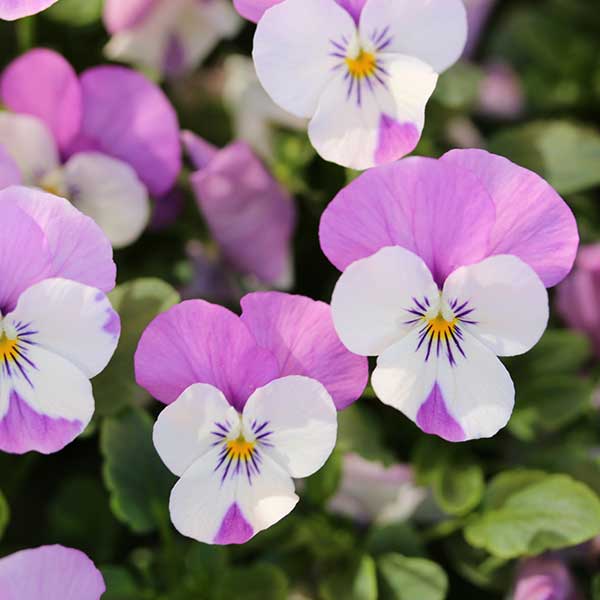
The easiest annual flower to take care of is typically considered to be the petunia. These flowers are not only vibrant and beautiful but also quite forgiving and resilient, making them ideal for novice gardeners.
Characteristics of Petunias
Petunias are known for their variety of colors and fragrance. They can adapt to various growing conditions and provide a long-lasting bloom throughout the summer. Here are some key characteristics:
- Variety: Available in solid colors, stripes, and patterns.
- Drought Tolerance: Can withstand dry conditions once established.
- Growth Habit: Available in trailing and compact forms.
Growing Conditions for Petunias
Petunias thrive in well-drained soil and prefer full sun exposure. They can tolerate some shade, but their growth and blooming might be affected. Here are essential growth conditions:
- Soil Type: Should be loamy and well-drained.
- Light Requirements: Needs at least 6 hours of sunlight daily.
- Water Needs: Moderate watering is essential; avoid overwatering.
Common Pests and Diseases
Although generally resistant, petunias can attract certain pests and suffer from diseases. Awareness of these issues can help in their management:
- Aphids: Can be controlled with insecticidal soap.
- Powdery Mildew: Avoid overhead watering to prevent fungal growth.
- Root Rot: Ensure proper drainage to mitigate this risk.
Maintenance Tips for Petunias
Petunias require minimal maintenance, making them an excellent choice for busy gardeners. Here are some maintenance tips to keep them flourishing:
- Deadheading: Regularly remove spent blooms to encourage further flowering.
- Fertilization: A balanced fertilizer every few weeks can enhance growth.
- Watering Schedule: Water when the topsoil feels dry to the touch.
Popular Varieties of Petunias
There are numerous varieties of petunias, each with its unique appeal. Here are some popular options you might consider:
- Wave Petunias: Known for their spreading habit; ideal for ground cover.
- Supertunias: Hybrid petunias that are particularly robust and prolific bloomers.
- Grandiflora: Large-flowered varieties that make a stunning visual impact.
Questions from Our Readers
What annuals bloom the fastest?
Annuals that bloom quickly include plants like zinnias, marigolds, and petunias. These flowers can start to show their vibrant colors in as little as four to six weeks after planting, making them ideal choices for gardeners looking for immediate visual impact.
How can I encourage faster blooming in annuals?
To encourage faster blooming, ensure that your annuals receive adequate sunlight and are planted in fertile soil. Providing regular water and using a balanced fertilizer can also significantly enhance growth and flower production.
Are there specific seasons when fast-blooming annuals perform best?
Fast-blooming annuals typically thrive in warm weather, so planting them in the spring after the last frost will yield the best results. They often reach their peak during the summer months, providing vibrant displays throughout the season.
Can I grow fast-blooming annuals in containers?
Yes, fast-blooming annuals are excellent choices for container gardening. Using a well-draining potting mix and ensuring the containers have proper drainage will help these plants flourish and bloom rapidly, even in limited spaces.
See also:

If you want to read more articles like What Annuals Bloom the Fastest? Top Quick-Blooming Flowers for Your Garden, we recommend you check out our Annuals category.
Leave a Reply
Related Articles