What Annuals Are Best for Full Sun? Top 10 Colorful Choices for Your Garden

When it comes to brightening up your garden with vibrant colors, choosing the right annuals is essential, especially for areas that receive full sun. Annual flowers not only add aesthetic appeal but can also thrive in the sunniest spots, providing a stunning display from spring through fall. In this article, we'll explore the top 10 colorful annuals specifically suited for full sun environments. Each selected flower offers unique qualities, ranging from resilience to striking visual impact, ensuring that your garden will be bursting with life and beauty all season long. Discover the perfect additions to create your sun-drenched paradise.
Best Annuals for Full Sun
When it comes to selecting the best annuals for full sun, it's essential to choose plants that can thrive under intense sunlight and heat. Some of the best options include petunias, marigolds, zinnias, cosmos, and salvias. These annuals are not only vibrant and colorful, but they also possess robust drought tolerance and are relatively low-maintenance, making them ideal for sunny gardens. With proper care, such as regular watering and well-drained soil, these plants will bloom throughout the growing season, enhancing the beauty of your outdoor spaces while also attracting pollinators like bees and butterflies.
Petunias
Petunias are one of the most popular choices for full sun gardens due to their vibrant colors and long blooming period. These annuals come in various shades, including pink, purple, and white, often with striking patterns. Petunias thrive in full sunlight and well-drained soil, making them ideal for containers and garden beds alike. Regular deadheading encourages new blooms, and their ability to withstand heat makes them a reliable choice for sunny locations.
Marigolds
Marigolds are renowned for their bright golden hues and pest-repelling properties. These hardy annuals perform exceptionally well in full sun, providing not just vibrant colors but also serving a functional role in the garden by deterring harmful insects. They require minimal maintenance and can bloom from early spring until frost, making them a fantastic addition to any sunny garden setting.
Zinnias
Zinnias are cherished for their diverse colors and sturdy nature, thriving under direct sunlight and producing abundant blooms. They are excellent for attracting butterflies, making them a favorite for pollinator gardens. Zinnias prefer well-drained soil and do best with adequate spacing for air circulation. Regular watering is crucial, particularly in hot weather, to encourage a stunning display throughout the summer.
Cosmos
Cosmos are elegant and carefree annuals that flourish in full sun, showcasing delicate flower heads on tall stems. These plants are drought-tolerant and thrive in less fertile soils, making them perfect for low-maintenance gardens. Their airy appearance and vibrant colors attract numerous pollinators, while their lightweight stems allow them to sway beautifully in the breeze, adding a whimsical touch to sunny landscapes.
Salvias
Salvias, often known as sage, are excellent annuals for sunny gardens, providing long-lasting blooms and aromatic foliage. They come in various colors, including purple, blue, and pink, and are particularly valuable for attracting hummingbirds. Salvia plants are drought-resistant and thrive in well-drained soil, making them an excellent choice for gardeners seeking low-maintenance yet colorful options that thrive in full sun.
| Annuals | Color Variety | Drought Tolerance | Pollinator Attraction |
|---|---|---|---|
| Petunias | Various | Moderate | Bees, butterflies |
| Marigolds | Yellow, orange | High | Pollinators |
| Zinnias | Multicolored | Moderate | Butterflies |
| Cosmos | Pink, white, red | High | Bees, butterflies |
| Salvias | Blue, purple, pink | High | Hummingbirds |
What are the best annuals to plant in full sun?
:max_bytes(150000):strip_icc()/best-annual-flowers-for-full-sun-1401931-1e66f71659c148858ab4f29a6376eb34.jpg)
Popular Full Sun Annuals
Annuals that thrive in full sun are not only vibrant but also hardy, making them perfect for bright garden spaces. Here are some popular choices:
- Marigolds: Known for their bright yellow and orange blooms, marigolds are hardy and can tolerate drought.
- Petunias: These versatile flowers come in various colors and thrive in sunny environments.
- Zinnias: They are easy to grow and provide a burst of color, attracting butterflies to your garden.
Factors to Consider When Choosing Annuals
When selecting annuals for full sun, consider factors like heat tolerance, soil conditions, and watering needs. A few important considerations include:
See also:
- Heat Tolerance: Ensure the plants can withstand high temperatures.
- Soil Type: Choose annuals that are suitable for your soil's drainage and composition.
- Water Requirements: Select plants that have similar watering needs to manage irrigation effectively.
Maintenance of Full Sun Annuals
Proper maintenance is essential for the health of full sun annuals. Regular care can enhance blooming and longevity. Key maintenance tasks include:
- Watering: Establish a consistent watering schedule, especially during dry spells.
- Deadheading: Regularly remove spent blooms to encourage more flowers.
- Fertilizing: Use a balanced fertilizer to support growth and vibrant blooms.
Companion Planting with Annuals
Companion planting can enhance the growth and blooming of your full sun annuals. When combining different plants, consider:
- Color Schemes: Pair contrasting colors for a more striking display.
- Growth Habits: Mix tall and trailing plants to create visual interest.
- Pest Control: Some annuals can repel pests, protecting nearby plants.
Seasonal Considerations for Planting
Timing is crucial when planting full sun annuals to ensure optimal growth and blooming. Seasonal tips include:
- Spring Planting: Start planting after the last frost for best results.
- Summer Care: Monitor water needs as temperatures rise.
- Fall Preparation: Clean up spent annuals to prepare the garden for winter.
What is the most heat tolerant annual flower?
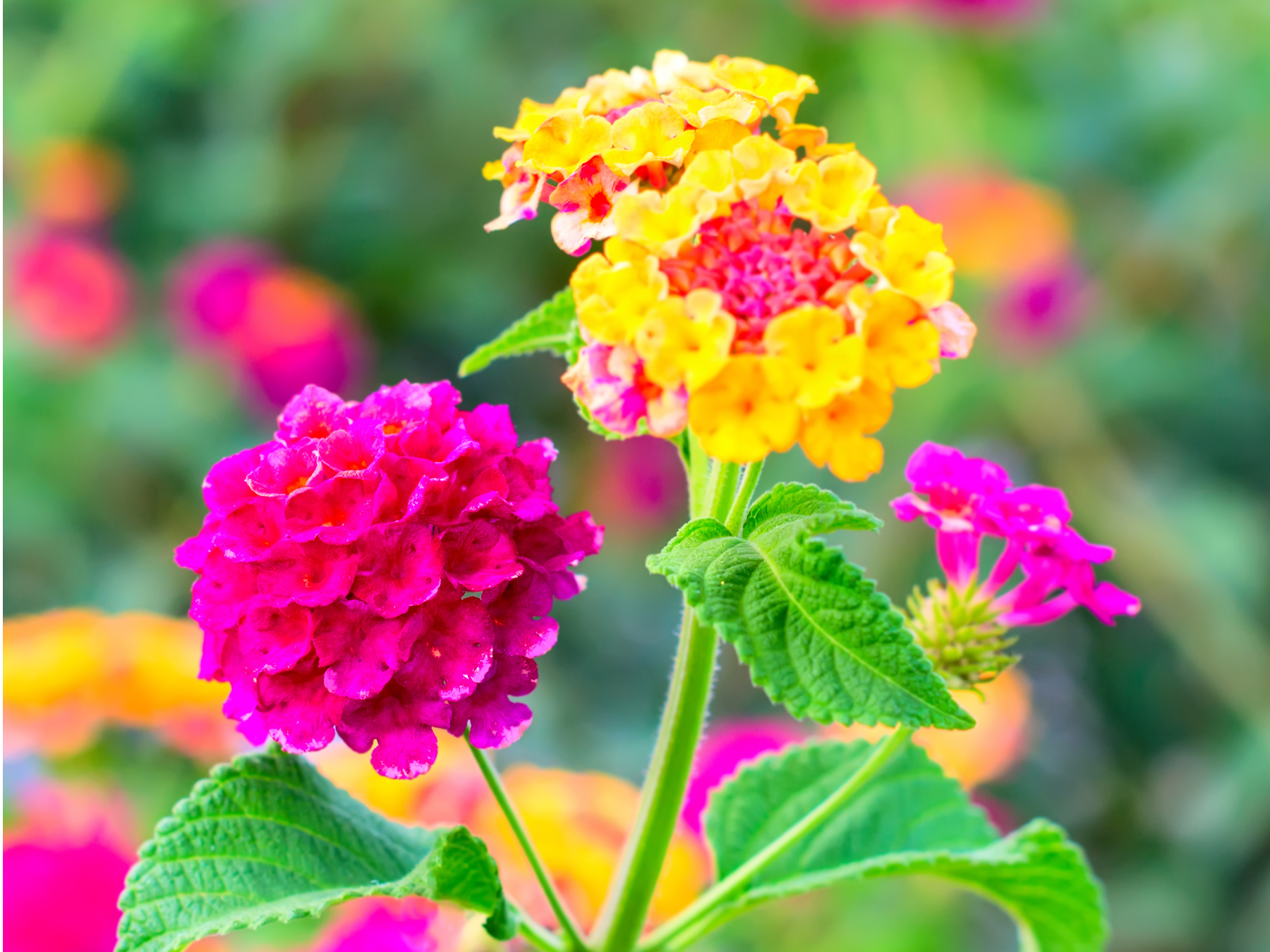
The most heat tolerant annual flower is the zinnia. Known for its vibrant colors and sturdy nature, zinnias thrive in hot and dry conditions, making them a favorite for gardeners in warmer climates. They can endure high temperatures without wilting, and their ability to attract pollinators such as bees and butterflies adds to their appeal. Zinnias come in various heights and flower sizes, allowing for a versatile display in garden beds, borders, or containers.
Factors Contributing to Heat Tolerance
Heat tolerance in flowers depends on several factors.
- Root Structure: A deep and robust root system helps the plant access moisture from deeper soil layers, allowing it to withstand heat.
- Leaf Structure: Certain leaf shapes and sizes can minimize water loss through transpiration, helping the plant conserve moisture during hot periods.
- Adaptation to Environment: Some flowers have evolved in hot climates, developing characteristics that allow them to thrive in extreme temperatures.
Other Heat-Tolerant Annual Flowers
Apart from zinnias, several other annual flowers are also known for their heat tolerance:
- Marigolds: These bright orange and yellow flowers are not only heat-loving but also repel pests, making them excellent companions in the garden.
- Cosmos: With feathery foliage and daisy-like blossoms, cosmos thrive in sunny environments and are very drought-resistant.
- Portulaca (Moss Rose): This succulently-leaved flower blooms abundantly in hot weather and requires minimal water, perfect for xeriscaping.
Growing Conditions for Zinnias
To successfully grow zinnias in hot climates, certain conditions should be met:
- Sun Exposure: Zinnias require full sun, ideally at least 6-8 hours of direct sunlight daily.
- Well-Drained Soil: They thrive in sandy or loamy soils that drain well, preventing root rot during periods of heavy watering.
- Regular Watering: While zinnias are drought-tolerant, consistent watering during extremely hot periods helps maintain their vigor and blooming capacity.
Maintenance Tips for Heat-Tolerant Flowers
Caring for heat-tolerant flowers like zinnias involves some specific practices:
- Deadheading: Regularly removing spent blooms encourages more flowering and helps keep the plant healthy.
- Fertilization: Applying a balanced fertilizer promotes growth, especially when preparing the soil before planting.
- Weed Control: Weeds compete for water and nutrients, so maintaining a weed-free bed is crucial for the health of the plants.
Impact on Garden Design
Integrating heat-tolerant flowers into garden designs can enhance aesthetics and sustainability:
See also:
- Colorful Displays: Zinnias provide vibrant colors throughout the summer, creating lively displays in any landscape.
- Pollinator Habitat: By attracting pollinators, these flowers contribute to biodiversity and ecological balance in gardens.
- Low Maintenance: These resilient flowers require less watering and care, making them ideal for busy gardeners or those in drought-prone areas.
What is the lowest maintenance annual flower?
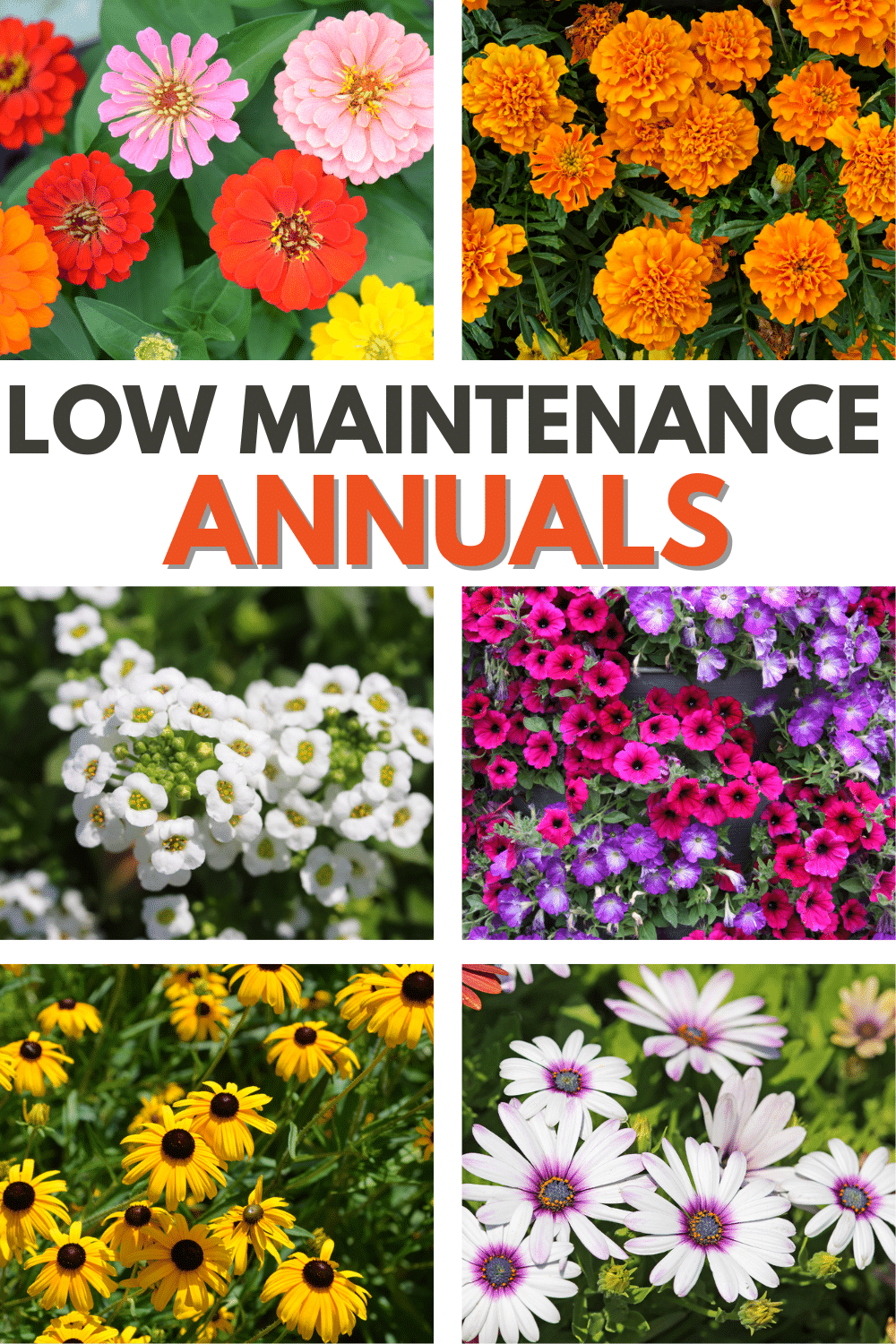
The lowest maintenance annual flower is often considered to be Marigold (Tagetes). These vibrant flowers are not only easy to grow but also hardy, making them a favorite among gardeners who prefer low-effort plants. Marigolds thrive in a variety of conditions, which contributes to their low maintenance requirements. They can handle poor soil, tolerate drought, and even repel some garden pests, making them a practical choice for gardeners of all levels.
Benefits of Choosing Marigolds
Marigolds provide several advantages that make them an excellent choice for those seeking low maintenance options. Their vibrant colors and scent can enhance any garden space. Some of the key benefits include:
- Vibrant Colors: They come in shades of yellow, orange, and red, adding a cheerful touch to gardens.
- Pest Deterrent: Marigolds can help keep pests at bay, benefiting surrounding plants.
- Easy to Grow: Whether from seeds or transplants, they require minimal effort to flourish.
Growing Conditions for Marigolds
Marigolds thrive in a variety of growing conditions, which further simplifies their care. They are adaptable and can grow in different environments, making them accessible for all gardeners. To ensure successful growth, consider the following:
- Sunlight: They prefer full sun, thriving best with at least 6 hours of direct sunlight daily.
- Soil Type: Marigolds are tolerant of poor soil but prefer well-drained conditions.
- Watering: These flowers are drought-tolerant, requiring minimal watering once established.
Caring for Marigolds
Taking care of marigolds is simple due to their hardy nature. They don't demand extensive upkeep, which is perfect for individuals with busy schedules. Key care tips include:
- Water Sparingly: Only water when the top inch of soil feels dry to the touch.
- Deadheading: Remove spent blooms to encourage more flowers and prolong blooming period.
- Fertilization: Minimal fertilization is needed; occasional balanced fertilizer works well.
Common Pests and Problems
Though generally resilient, marigolds can sometimes attract pests or suffer from specific issues. It's beneficial to be aware of these potential challenges. Common problems include:
- Aphids: These pests can attack the undersides of leaves, but marigolds usually recover quickly.
- Powdery Mildew: This fungal disease can appear in humid conditions; ensure good airflow around plants.
- Overwatering: This can lead to root rot; it's crucial to allow soil to dry out between waterings.
Seasonal Interest of Marigolds
Marigolds can provide color and life to garden spaces across multiple seasons. Their blooming period and consistent appearance can elevate the aesthetic appeal of any landscape. Consider the following:
- Long Blooming Season: They typically bloom from late spring until the first frost, offering extended periods of interest.
- Versatile Planting: Marigolds can be planted in borders, containers, or among vegetables for added color.
- Seasonal Themes: Their colors can complement various seasonal themes, perfect for festive decorations.
Questions from Our Readers
What are the best annuals for full sun?
The best annuals for full sun include Marigolds, Petunias, Zinnias, and Cosmos. These flowers thrive in bright sunlight and can handle the heat of summer, providing vibrant colors and continuous blooms throughout the growing season.
How much sun do annuals need to thrive?
Annuals typically require at least six hours of direct sunlight per day to thrive. Ensuring they receive this amount of light will help them grow strong and produce abundant flowers.
Are there any annuals that tolerate drought conditions?
Yes, some annuals such as Verbena, Portulaca, and Lantana are known for their drought tolerance. These plants can survive with minimal water once established, making them ideal for sunny areas with limited moisture.
See also:
Can I mix different annuals in a full sun garden?
Absolutely! Mixing different annuals like Salvia, Nasturtium, and Geraniums can create a vibrant and visually appealing garden. Just be sure to group plants with similar water and sunlight needs for the best results.

If you want to read more articles like What Annuals Are Best for Full Sun? Top 10 Colorful Choices for Your Garden, we recommend you check out our Annuals category.
Leave a Reply
Related Articles