Should You Prune Saskatoon Bushes? Essential Tips for Healthy Growth

Pruning Saskatoon bushes is a crucial aspect of maintaining their health and productivity. These hardy shrubs, known for their sweet berries, can thrive in various conditions, but proper care is essential for optimal growth. Whether you are an experienced gardener or a beginner, understanding the right techniques and timing for pruning can significantly impact the yield and vigor of your plants. In this article, we will explore the benefits of pruning Saskatoon bushes, when to do it, and step-by-step tips to ensure you achieve healthy, flourishing growth year after year.
Should You Prune Saskatoon Bushes?
Pruning saskatoon bushes is quite beneficial for their overall health and productivity. Regular pruning helps to remove dead, damaged, or diseased branches, which can foster better air circulation and reduce the likelihood of pest infestations. Furthermore, proper pruning encourages new growth and can lead to a more fruitful harvest. Timing is key; late winter or early spring before new growth begins is often ideal, as it allows for maximum sunlight exposure to the remaining branches, ensuring your bush remains well-shaped and productive throughout the growing season.
Benefits of Pruning Saskatoon Bushes
Pruning saskatoon bushes allows for improved fruit production as it facilitates better light penetration and airflow, which are essential for the development of healthy fruit. By selectively removing older or weaker branches, you direct the plant's energy toward more productive areas, resulting in a higher yield. Additionally, pruning enhances the overall aesthetics of the shrub, ensuring that it maintains a pleasing shape, which can enhance the beauty of your garden.
When is the Best Time to Prune?
The best time to prune saskatoon bushes is during late winter or early spring, just before they begin to leaf out. This timing is crucial as it minimizes stress on the plant and allows for quicker recovery and regrowth. Pruning in late winter ensures that you can easily see the branches you need to remove, and doing so at this time helps to avoid frost damage to new shoots that can happen if pruned in early spring when temperatures may fluctuate.
How to Properly Prune Saskatoon Bushes
To properly prune saskatoon bushes, start by examining the structure of the plant and identifying areas that need attention. Use clean, sharp pruning shears to remove dead or diseased branches at their base. Aim to maintain an open center, encouraging upward growth while eliminating crossing branches that may rub against each other. This method not only promotes a healthier bush but also ensures that sunlight can reach all parts of the plant.
Common Mistakes When Pruning
One of the most common mistakes when pruning saskatoon bushes is cutting too much at once, which can significantly stress the plant. Another mistake is pruning during the wrong season, as this may lead to frost damage or improper growth patterns. Additionally, failing to use sterilized tools can lead to the spread of diseases. It’s important to approach the task with understanding and care to maintain the health of the shrub.
Table of Key Pruning Tips
| Tip | Description |
|---|---|
| Timing | Prune in late winter or early spring. |
| Tools | Use clean and sharp pruning shears. |
| Technique | Aim for an open center to facilitate light and air. |
| Frequency | Prune annually for best results. |
| Caution | Avoid removing more than 25% of the bush in one session. |
When to prune saskatoon?

To properly care for saskatoon (Amelanchier alnifolia) plants, understanding when to prune them is essential for promoting healthy growth and abundant fruiting. The best time to prune saskatoon bushes is during the late winter to early spring, preferably just before new growth begins. Here are some reasons why this timing is considered optimal:
- Dormant Season: Pruning during the dormant season minimizes stress on the plant and reduces the chances of disease entering through wounds.
- Visibility of Structure: In winter, the lack of leaves allows for better visibility of the plant's structure, helping you determine which branches to remove.
- Encouraging Growth: Pruning before the growing season prompts vigorous growth and enhances fruit production in the coming year.
Pruning Techniques
Pruning saskatoon should be done using appropriate techniques to ensure a balanced structure and healthy growth. Key techniques include:
- Thinning: Remove some of the older branches to allow sunlight and air to penetrate the center of the plant.
- Heading Back: Cut back the ends of branches to encourage bushier growth.
- Removing Dead or Diseased Wood: Always eliminate any dead, damaged, or diseased branches to promote overall health.
Tools Needed for Pruning
Using the right tools is crucial for effective pruning. Essential tools include:
- Bypass Pruners: Ideal for cutting smaller branches and ensuring clean cuts.
- Loppers: Useful for cutting thicker branches that pruners cannot handle.
- Saw: A small pruning saw can be used for larger branches to ensure a smooth cut.
Frequency of Pruning
Deciding how often to prune saskatoon plants is important for maintaining their vigor. The frequency depends on:
- Age of the Plant: Younger plants may need annual shaping while older plants require less frequent pruning.
- Growth Rate: Faster-growing varieties may need more regular attention than slower-growing ones.
- Desired Size: Regular pruning helps maintain the desired size and shape of the shrub.
Post-Pruning Care
After pruning, providing proper care is essential for the health and productivity of saskatoon plants. Recommended practices include:
See also:
- Watering: Ensure the plant is adequately watered, especially if it has been pruned heavily.
- Fertilization: Apply a balanced fertilizer to promote healthy regrowth.
- Mulching: Adding mulch around the base can retain moisture and suppress weeds.
Signs that Pruning is Needed
Recognizing when your saskatoon plants need pruning is vital. Look for these signs:
- Overcrowding: If branches are crossing or crowded, it’s time to thin them out.
- Unhealthy Growth: Sparse leaves or weak growth can indicate the need for pruning.
- Excessive Age of Branches: Older branches may produce less fruit and should be replaced with younger growth.
When should you not prune bushes?

When it comes to pruning bushes, timing is crucial for the health and appearance of the plants. Certain situations warrant abstaining from pruning to avoid damage or stress to the bushes. Here are some key instances when you should not prune your bushes.
Pruning During Winter Dormancy
Pruning bushes during their winter dormancy can lead to issues, particularly for those that flower in spring. Cutting them back during this period can remove the buds that were formed the previous year, affecting blooming. It's essential to understand the growth cycle of your particular bushes.
- Spring-flowering bushes should not be pruned in winter.
- Winter pruning can reduce the number of flowers produced in spring.
- Wait until after flowering to avoid removing potential blooms.
Pruning in Extreme Weather Conditions
Extreme weather, such as freezing temperatures or intense heat, is not conducive to pruning. When the weather is harsh, bushes are already under stress, and pruning can exacerbate this. It's best to wait for milder conditions to ensure proper healing.
- Pruning during cold spells can lead to frost damage.
- High temperatures can cause water stress, further harming the bushes.
- Optimal conditions enable better recovery from pruning.
When the Plants Are Diseased or Infested
Avoid pruning bushes that are showing signs of disease or pest infestation. Pruning can spread pathogens and exacerbate the issue. It's crucial to address the health problems first before considering any cutting back.
- Identify and treat the underlying issue before pruning.
- Pruning diseased parts without proper care can lead to more damage.
- Use clean tools to prevent spreading disease during necessary cuts.
Pruning Newly Planted Bushes
Newly planted bushes should not be pruned for at least a year after planting. This allows them to establish their root system and adapt to their environment. Pruning too early can hinder their growth.
- The initial focus should be on root establishment.
- Pruning can remove essential foliage needed for photosynthesis.
- Let the bushes acclimate to ensure healthy growth in future seasons.
During the Bushes' Active Growth Phase
Pruning during the active growth phase can stress the plants and reduce their overall vigor. It's best to time your pruning according to the shrub's specific growth cycle, generally favoring early spring or late summer.
- Interrupting active growth can hinder the plant's development.
- Focus on pruning after flushing out new growth, not during.
- Proper timing ensures better energy distribution post-pruning.
What are saskatoon berries called in the USA?

Saskatoon berries are commonly referred to as Juneberries or Serviceberries in the USA. These names reflect the local terminology and highlight their seasonal availability in June, as well as their historical significance in Native American culture. Although the scientific name of the plant is Amelanchier alnifolia, the names Juneberry and Serviceberry are frequently used interchangeably across various regions in the United States.
What Are Juneberries?
Juneberries are the edible fruits of the serviceberry tree, belonging to the Rosaceae family. They are small, round, and typically have a sweet flavor, making them a popular choice for various culinary uses such as pies, jams, and jellies. The berries are often deep purple or blue when ripe.
- Appearance: Juneberries resemble blueberries but are generally larger and have a unique taste that many describe as a combination of sweet and nutty.
- Nutritional Value: They are rich in vitamins and antioxidants, making them a healthy addition to any diet.
- Harvesting Season: Juneberries ripen in late spring to early summer, typically in June, which is how they got their name.
The Cultural Significance of Serviceberries
Serviceberries have long been valued by Native American tribes for their significant nutritional benefits and were often included in traditional diets. The cultural importance of these berries is rooted in their role in ceremonial practices and community gatherings.
- Historical Use: Native Americans used the berries for various purposes, including as a food source and in medicinal applications.
- Ceremonial Traditions: The berries were often incorporated into rituals and celebrations, symbolizing the arrival of spring.
- Harvesting Practices: Many tribes developed specific techniques for harvesting and preserving Juneberries, emphasizing their value in indigenous culture.
How to Use Juneberries in Cooking
Juneberries can be used in a wide range of culinary applications, offering versatility for home cooks and professional chefs alike. Their sweet flavor and unique texture make them a fantastic addition to various dishes.
See also:
- Pies and Tarts: Juneberries can be used as a filling for pies and tarts, often paired with ingredients like sugar, lemon, or nutmeg for added flavor.
- Jams and Jellies: Making jams or jellies from Juneberries is a popular way to preserve their flavor for use throughout the year.
- Salads and Breakfast Dishes: They can also be added fresh to salads, yogurts, and breakfast cereals for a nutritious boost.
Growing Serviceberries in the USA
Serviceberries are relatively easy to grow in various regions of the USA, making them an appealing choice for home gardeners. They thrive in well-drained soil and can tolerate a range of climates.
- Soil Requirements: Serviceberries prefer well-drained soils but can adapt to a variety of soil types, making them suitable for many gardening conditions.
- Sunlight Needs: These plants thrive best in full sun to partial shade, ensuring they receive adequate sunlight for optimal fruit production.
- Pest Management: While they can be susceptible to certain pests, proper care and management techniques can mitigate these issues.
Health Benefits of Eating Juneberries
Incorporating Juneberries into your diet can provide numerous health benefits due to their rich nutritional profile. They are known for their antioxidant properties and can contribute to overall wellness.
- Rich in Antioxidants: Juneberries contain high levels of antioxidants, which help combat oxidative stress and reduce inflammation in the body.
- Nutrient-Dense: They are a good source of vitamins A and C, as well as dietary fiber, which support overall health.
- Heart Health: Regular consumption of Juneberries may help lower cholesterol levels and improve cardiovascular health.
Should you prune bushes in the summer?
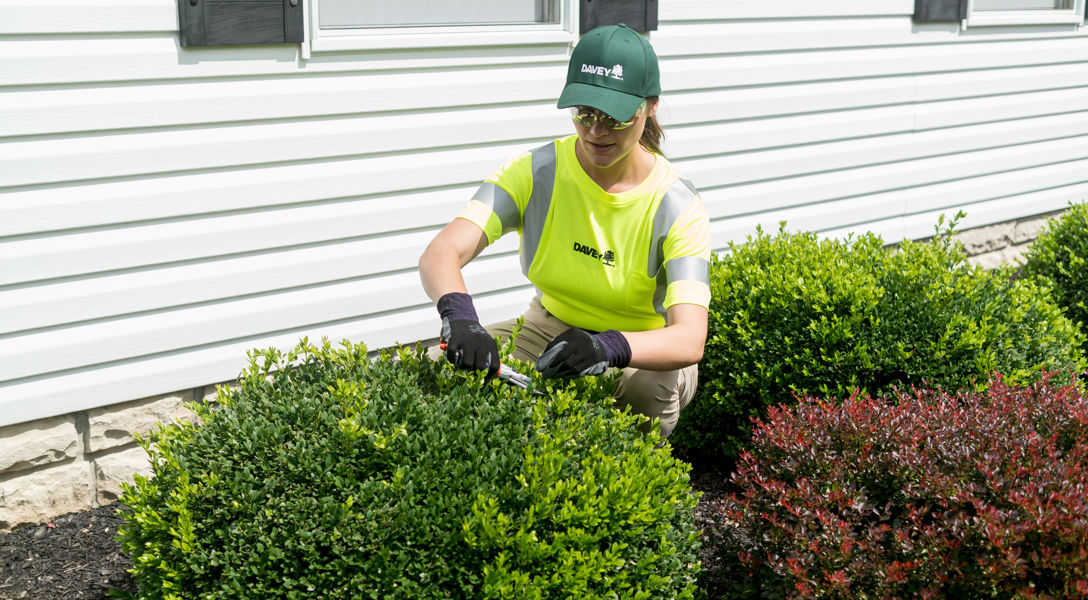
Pruning bushes in the summer can be a topic of debate among gardeners and horticulturists. Generally, the best time to prune varies depending on the type of bush and the desired outcomes. Here are some considerations.
Benefits of Summer Pruning
Summer pruning can provide several benefits that might be advantageous for maintaining the health and aesthetics of your bushes.
- Control Growth: Summer pruning helps to control the growth of the bushes, encouraging a more compact and manageable shape.
- Improved Airflow: Removing excess foliage improves airflow, which can reduce the risk of disease caused by humidity and fungal infections.
- Better Light Exposure: By thinning out the branches, you can ensure that the remaining leaves receive adequate light, promoting better overall health.
Types of Bushes Suitable for Summer Pruning
Not all bushes respond well to summer pruning, and it’s essential to know which types are suited for this practice.
- Deciduous Shrubs: Many deciduous shrubs, such as boxwoods and holly, can be pruned in summer to maintain shape.
- Flowering Shrubs: Certain flowering bushes, like some varieties of hydrangeas, may benefit from light pruning after their blooms have faded.
- Fruit-Bearing Plants: Many fruit-bearing bushes, such as raspberries, can be pruned in summer to promote better fruit production in the next season.
Timing Considerations for Summer Pruning
The timing of summer pruning can significantly impact the results you achieve. It's important to consider the following factors.
- Growth Cycle: Wait until the bush has completed its main growth cycle in early summer before making significant cuts.
- Weather Conditions: Choose a cool, dry day to prune to minimize the stress on the plant and the risk of disease.
- Post-Bloom Period: For flowering shrubs, it's often best to prune immediately after blooming has finished, to avoid cutting off potential flowers for the following year.
Potential Risks of Summer Pruning
While summer pruning can be beneficial, there are also potential risks that gardeners should consider before making cuts.
- Plant Stress: Pruning during peak heat can stress the bush, potentially leading to wilting or disease.
- Interrupted Growth: Excessive pruning could interrupt the natural growth cycle, leading to poor performance in subsequent seasons.
- Pests and Diseases: Open wounds from pruning may attract pests or expose the bush to diseases if done carelessly.
Best Practices for Summer Pruning
To ensure successful summer pruning, adhering to best practices is crucial for maintaining bush health.
- Sharp Tools: Always use sharp and clean pruning tools to make precise cuts and minimize damage.
- Remove Dead or Diseased Wood: Focus on removing any dead or diseased branches to improve the overall health of the bush.
- Avoid Over-Pruning: Only remove about one-third of the plant to avoid shocking it and ensure continued growth.
Questions from Our Readers
Should you prune saskatoon bushes?
Yes, pruning saskatoon bushes is recommended to promote healthy growth and increased fruit production. Regular pruning helps to remove dead or damaged branches, improve air circulation, and encourage new growth, ultimately leading to a more robust plant.
When is the best time to prune saskatoon bushes?
The best time to prune saskatoon bushes is in the late winter or early spring when the plants are still dormant. This timing minimizes stress on the plant and allows for better recovery as they emerge from dormancy and begin active growth.
How much should you prune saskatoon bushes?
Generally, it is advised to prune about one-third of the previous year's growth, focusing on removing wood that is older than three years. This helps to maintain the shape of the bush while promoting new productive growth.
Can over-pruning damage saskatoon bushes?
Yes, over-pruning can be detrimental to saskatoon bushes, leading to weak growth and reduced fruiting. It is essential to prune judiciously to maintain a balance between encouraging new growth and preserving the overall health of the plant.
See also:

If you want to read more articles like Should You Prune Saskatoon Bushes? Essential Tips for Healthy Growth, we recommend you check out our Pruning category.
Leave a Reply