Should I Remove Yellow Leaves from Lily? Essential Care Tips for Healthy Plants

When caring for lilies, one common question arises: should you remove yellow leaves? Yellowing foliage can indicate various issues, from environmental stress to nutrient deficiencies. Understanding the reasons behind this change in color is crucial for maintaining the health and vitality of your plants. In this article, we will explore essential care tips for lilies, including when and how to remove yellow leaves, ensuring your plants thrive. By following these guidelines, you can promote robust growth and vibrant blooms, creating a stunning display in your garden or home. Let's dive into the essentials of lily maintenance and care.
Should I Remove Yellow Leaves from Lily?
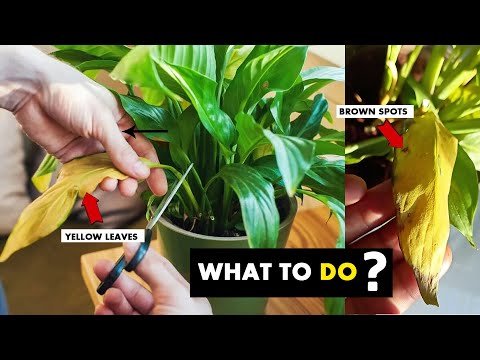
The presence of yellow leaves on a lily plant can often be a cause for concern among gardeners. It is generally advisable to remove these yellow leaves as they can indicate underlying issues such as nutrient deficiencies, overwatering, or environmental stress. Removing the yellow foliage not only improves the plant's overall appearance but also encourages the growth of new, healthy leaves and reduces the risk of potential diseases that can spread from decaying leaves. However, before proceeding with removal, it's essential to assess the overall health of the plant and identify the root cause of the discoloration to ensure proper care going forward.
Reasons for Yellow Leaves
Yellow leaves on a lily can be caused by several factors, including overwatering, nutrient deficiencies, and pests. Overwatering often leads to poor drainage, resulting in root rot, which ultimately causes leaves to turn yellow. Nutrient deficiencies, particularly in essential elements like nitrogen, will also manifest as yellowing since the plant cannot produce adequate chlorophyll. Additionally, pest infestations such as aphids or spider mites can sap the vitality of the plant, leading to yellow leaves.
How to Identify the Cause
To effectively address yellow leaves, one must first identify the underlying cause. Start by examining the watering habits; if the soil is consistently damp, consider reducing the frequency of watering. Check the fertility of the soil as well, and evaluate if a fertilizer is necessary to restore nutrients. Pests can be identified visually; if you observe any insects or webbing on the leaves, it’s crucial to act quickly. Inspecting the roots during a transplant may also help in diagnosing root health.
Best Practices for Removing Yellow Leaves
When removing yellow leaves from a lily, use clean, sharp scissors or pruners to make clean cuts that minimize damage to the adjacent healthy leaves. Always remove the leaves at their base to prevent leaving any part that could decay and lead to disease. After removal, it may be prudent to sanitize your pruning tools to prevent spreading pests or diseases. This procedure will not only aid in rejuvenating the plant but will also promote better air circulation, which helps in preventing future issues.
See also:
Aftercare for Your Lily
Once yellow leaves have been removed, it's imperative to provide appropriate aftercare to promote robust growth. Ensure that the lily receives sufficient natural light, but avoid direct sunlight that can scorch remaining leaves. Adjust the watering schedule to establish a balance that keeps the soil slightly moist without becoming waterlogged. Using a balanced fertilizer can also help restore nutrients lost due to yellowing and aid in regrowth after the removal of unhealthy foliage.
Preventing Future Yellow Leaves
To help prevent future occurrences of yellow leaves, implement regular maintenance routines. Ensure your lily is planted in well-draining soil to avoid waterlogging and root issues. Regularly inspect your plants for signs of pests and take immediate action to control infestations. Performing soil tests can also provide insight into nutrient levels, allowing you to amend any deficiencies promptly. Moreover, practicing proper pruning techniques can keep the plant healthy by improving ventilation and reducing overcrowding.
| Cause | Symptoms | Solution |
|---|---|---|
| Overwatering | Yellow leaves, mushy roots | Reduce watering, improve drainage |
| Nutrient deficiencies | Yellow leaves, stunted growth | Apply balanced fertilizer |
| Pests | Visible insects, webbing | Use insecticidal soap or neem oil |
Understanding the Causes of Yellow Leaves in Lilies
When it comes to caring for your lilies, understanding the underlying reasons for yellow leaves is crucial. Yellowing can be caused by various factors such as nutrient deficiencies, inconsistent watering, or even disease. For instance, a lack of essential nutrients like nitrogen can lead to older leaves turning yellow as the plant prioritizes energy for new growth. Conversely, excessive watering or poor drainage may cause root problems that manifest in yellow leaves. Identifying whether the issue is environmental, nutritional, or biological is the key to deciding whether you should remove the affected leaves or adjust your care practices.
Importance of Regular Monitoring for Plant Health
Regular monitoring of your lilies helps in identifying symptoms like yellow leaves early on. By frequently checking for changes in color or texture, you can quickly determine if this is a sign of a more significant issue or simply a natural aging process of the plant. This proactive approach not only empowers you to address problems promptly but also enhances your overall success in maintaining vibrant and healthy lilies throughout their growing season.
Best Practices for Watering Your Lilies
Proper watering techniques play a significant role in the overall health of your lilies. Over-watering can lead to root rot, while under-watering may cause stress, both of which contribute to yellowing leaves. It is advisable to check the moisture level of the soil before the next watering; the top inch should be dry before you add more water. Additionally, incorporating good drainage systems ensures that your lilies get the right balance of moisture, promoting healthy growth and minimizing yellow leaves.
See also:
Essential Nutrients for Optimal Lily Growth
Providing your lilies with the right nutrients is vital for their overall health and vibrant appearance. Nutrients such as nitrogen, phosphorus, and potassium are essential for plant growth. To prevent yellow leaves, consider using a balanced fertilizer during the growing season to ensure your lilies are not missing out on these critical nutrients. A soil test can help you determine any deficiencies and guide you in selecting the appropriate amendments to keep your plants thriving.
Identifying and Treating Pest Infestations
Pests such as aphids, spider mites, or scale can also lead to yellow leaves in your lilies. These pests suck the sap from leaves, which can stress the plant and change its coloration. Regularly inspect your plants for signs of infestation, and if found, treat them promptly with an appropriate insecticide or natural remedy like neem oil. Early intervention can prevent further damage and help maintain the *health* and aesthetic appeal of your lilies.
Understanding When to Prune Yellow Leaves
Knowing the right time to prune yellow leaves is as critical as knowing when not to. If the leaves have turned yellow due to natural aging, it is usually safe to remove them, allowing the plant to redirect its energy to healthier growth. However, if yellowing is related to a more serious issue such as disease or nutrient deficiency, it is advisable to address the underlying problem before resorting to pruning. Pruning should always support your plant's overall health rather than undermine it.
Questions from Our Readers
Should I remove yellow leaves from lily?
Yes, you should remove yellow leaves from lilies. Yellowing can indicate stress or poor health, and by removing these leaves, you can promote better air circulation and focus the plant's energy on healthier foliage.
When is the best time to remove yellow leaves from lilies?
The best time to remove yellow leaves is during the growing season, particularly in spring and summer. This ensures that the plant can rejuvenate and redirect its resources toward new growth once the damaged leaves are removed.
See also:
How should I remove the yellow leaves from my lily?
To remove yellow leaves, use clean, sharp scissors or pruning shears to cut them off at the base of the leaf stem. This method minimizes damage to the plant and reduces the risk of infection or disease.
Will removing yellow leaves harm my lily plant?
Removing yellow leaves will not harm your lily plant; in fact, it can be beneficial. By eliminating unhealthy foliage, you help the plant to conserve energy and focus on producing new, healthy growth.
If you want to read more articles like Should I Remove Yellow Leaves from Lily? Essential Care Tips for Healthy Plants, we recommend you check out our Plants category.
Leave a Reply
Related Articles