Should I Remove the Flowers from My Strawberry Plants? Expert Tips for Optimal Plant Health

When growing strawberries, one common dilemma gardeners face is whether to remove the flowers from their plants. This question is not merely a matter of personal preference; it can significantly impact the health and yield of your strawberry crop. Understanding the purpose of the flowers and the growth cycles of strawberry plants is essential for making informed decisions. In this article, we'll explore expert tips on managing flowers, the potential benefits of removal, and strategies for optimal plant health. By following these recommendations, you can ensure your strawberry plants thrive and produce delicious fruit for seasons to come.
Should I Remove the Flowers from My Strawberry Plants?
Removing the flowers from your strawberry plants is a decision that can significantly impact their overall productivity and health. If your plants are still young and you aim for a more robust growth in the following seasons, it is advisable to remove the flowers to allow the plant to focus its energy on establishing a strong root system and foliage. Conversely, if your plants are mature and ready to fruit, retaining the flowers will result in a harvest of delicious strawberries. Balancing the removal of flowers depends on the age and health of your strawberry plants as well as your gardening goals.
Understanding the Growth Cycle of Strawberry Plants
Strawberry plants undergo several growth stages: establishment, flowering, and fruiting. In the establishment phase, typically during the first year, it's beneficial to remove flowers to encourage the development of strong roots and leafy growth. This foundational growth is crucial for subsequent fruiting. As the plants mature, they will naturally have the capacity to bear fruits; thus, not removing flowers at this stage allows you to enjoy their harvest.
Benefits of Removing Flowers in Early Development
Removing flowers during the early development stage can promote better plant health by redirecting energy towards growing stronger roots and foliage. When these resources are allocated efficiently, the plants can develop a more extensive root system which will be essential for nutrient absorption and overall robustness in future growing seasons. This practice is particularly beneficial for bare-root strawberry plants or newly planted ones.
When to Leave Flowers Intact
If your strawberry plants are well-established, it’s generally a good idea to leave the flowers intact. This is because mature plants can handle the energy expenditure associated with fruiting and can yield a substantial harvest of strawberries. Leaving flowers during the correct season can lead to fruitful plants that provide tasty strawberries, making it crucial to recognize the maturity of your plants before making a decision.
Signs You Should Consider Flower Removal
Certain signs can indicate that you may want to remove flowers from your strawberry plants. If you notice that the plants appear stunted, have poor growth, or lack vigor, it may be beneficial to remove the flowers. They can use considerable energy that might otherwise support the development of needed foliage and roots. By removing the flowers, you can aid in the overall recovery and growth potential of the plants.
Potential Drawbacks of Flower Removal
While removing flowers can have its benefits, there are potential drawbacks worth noting. If healthy flowers are removed at the wrong time, it can reduce fruit yields, ultimately impacting your harvest for the current season. Additionally, the timing of flower removal is crucial; doing it too late could mean missing out on an opportunity for strawberries. Striking a balance between growth development and fruit production is essential.
| Aspect | Remove Flowers | Keep Flowers |
|---|---|---|
| Plant Age | Young | Mature |
| Growth Focus | Root Development | Fruit Production |
| Harvest Season | No | Yes |
| Potential Energy Use | Less on Flowers | More on Fruits |
| Impact on Future Growth | Positive | Varied |
Should I trim my strawberry flowers?

Trimming strawberry flowers can be beneficial, but it depends on the specific circumstances of your strawberry plants. Here are some key considerations regarding whether you should trim your strawberry flowers.
Understanding Strawberry Flower Trimming
Trimming strawberry flowers involves removing some or all of the flowers that appear on your strawberry plants. This practice can impact the overall health and yield of the plants.
- Timing: The best time to trim strawberry flowers is during the early growth stages, typically in the first year.
- Type of strawberries: June-bearing varieties may benefit from trimming, whereas ever-bearing varieties may not.
- Purpose: The primary goal is often to promote stronger root development rather than immediate fruit production.
Benefits of Trimming Strawberry Flowers
There are several benefits to consider when trimming strawberry flowers, particularly for young plants.
- Enhanced Root Growth: By removing flowers, the plant directs energy to root establishment.
- Better Fruit Quality: Stronger plants can produce higher-quality berries in future seasons.
- Increased Plant Vigor: Plants that focus on growth rather than fruiting initially tend to thrive better long-term.
When Not to Trim Strawberry Flowers
While there are benefits, there are also situations when trimming may not be advisable.
- Established Plants: For mature plants, trimming flowers could reduce your expected yield significantly.
- Fruiting Season: Avoid trimming during the flowering or fruiting stages to prevent loss of potential berries.
- Health of the Plants: If plants are already stressed or unhealthy, trimming may not be beneficial.
How to Trim Strawberry Flowers Correctly
If you've decided that trimming is appropriate, it's essential to do it correctly to maximize the benefits.
- Use Clean Tools: Ensure that scissors or shears are clean to avoid diseases.
- Identify the Right Flowers: Focus on flowers that are weak or on young plants that you want to strengthen.
- Trim Sparingly: Avoid excessive trimming; a few flowers removed can suffice for desired results.
Potential Risks of Trimming
While trimming can be beneficial, it is essential to recognize potential downsides.
- Loss of Potential Crop: Early trimming may lead to fewer strawberries in the current season.
- Plant Shock: Over-trimming can cause stress to the plants, leading to stunted growth.
- Incorrect Timing: Trimming at the wrong time can hinder your plants' ability to produce fruit effectively.
Do the flowers on strawberry plants turn into strawberries?
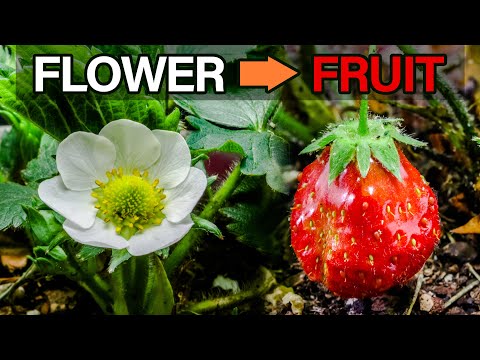
Yes, the flowers on strawberry plants do indeed turn into strawberries. Strawberry plants (genus Fragaria) are flowering plants that reproduce through a process called pollination. When the flowers bloom, they display multiple stamens that produce pollen and a central pistil that contains the ovary, which will develop into the fruit. After successful pollination, the fertilization of the ovules within the ovary occurs, leading to the formation of strawberries.
Below are detailed sections exploring various aspects related to how flowers on strawberry plants become strawberries:
Pollination Process
The process of pollination is crucial for the transformation from flower to fruit in strawberry plants. Pollination can occur through various agents, primarily insects like bees. These insects transfer pollen from the male parts of the flower to the female parts.
- Attracting Pollinators: Strawberry flowers emit sweet fragrances and vibrant colors to attract pollinators.
- Pollen Transfer: During the pollination process, pollen grains are deposited onto the stigma of the flower.
- Successful Fertilization: Once pollen reaches the ovary, it fertilizes the ovules, initiating fruit development.
Flower Structure
The structure of strawberry flowers contains specific components essential for fruit formation. Each flower typically has five petals and numerous yellow stamens surrounding a central pistil.
- Petals: The bright white or pink petals attract pollinators and protect the reproductive organs.
- Stamens: These are the male reproductive parts that produce and release pollen.
- Pistil: The central structure containing the ovary, where fertilization takes place, leading to strawberry formation.
Fruit Development Stages
Once the flower has been pollinated and fertilized, several stages of fruit development occur, leading to the growth of strawberries.
- Initial Growth: Following fertilization, the ovary begins to enlarge as it develops into a fruit.
- Cell Division: Cells within the ovary multiply and expand, forming the fleshy part of the strawberry.
- Ripening: As the fruit matures, it undergoes color changes and increases in sweetness, ready for harvest.
Common Varieties of Strawberry Plants
There are several varieties of strawberry plants, each with unique characteristics that can affect flower and fruit production.
- June-bearing: These produce a large crop in late spring or early summer, making them popular for commercial farming.
- Ever-bearing: They produce strawberries multiple times throughout the growing season.
- Day-neutral: These can produce fruit any time as long as conditions are favorable, often yielding strawberries from spring to fall.
Environmental Factors Influencing Fruit Development
The ability of strawberry flowers to develop into fruit is significantly influenced by environmental conditions.
- Temperature: Optimal temperatures during flowering and fruit-setting stages are crucial for successful pollination.
- Water Supply: Adequate hydration supports the flowering process and the growth of developing strawberries.
- Soil Quality: Nutrient-rich soil is vital for healthy plant growth and fruit production, affecting both the flowers and the resulting strawberries.
How long should I pinch off strawberry flowers?

To effectively manage strawberry plants and ensure optimal fruit production, it is recommended to pinch off strawberry flowers during the first few weeks after planting. This practice allows the plants to focus their energy on establishing a strong root system rather than producing fruit too early. Typically, you should pinch off flowers for about 4 to 6 weeks after planting, depending on the variety of strawberries and local growing conditions. This time frame might vary slightly; however, the overarching goal remains the same: to enhance the overall health and yield of the strawberry plants.
Why Pinch Off Strawberry Flowers?
Pinching off flowers is crucial for the development of strawberry plants. By removing flowers early on, plants can divert their resources to strengthen their roots and foliage. This leads to improved resilience and productivity in the long run.
- Promotes Strong Root Development: Young strawberry plants need time to establish roots before producing fruit.
- Increases Nutrient Uptake: Focusing on vegetative growth allows for better absorption of nutrients from the soil.
- Enhances Future Harvests: Healthy plants are likely to produce more fruit in subsequent seasons.
When is the Best Time to Start Pinching Off Flowers?
The best time to start pinching off flowers is during the initial growth phase. This generally occurs shortly after planting, when the plants are still developing and adjusting to their new environment. Timing is essential as it helps in maximizing the potential fruit yield.
- Observe Plant Growth: Generally, flowers can be pinched off for the first 4-6 weeks.
- Consider Local Climate: Growth rates may vary based on your regional growing conditions.
- Monitor Flower Development: Pinch flowers when they first appear to maintain focus on growth.
How to Properly Pinch Off Flowers?
To effectively pinch off strawberry flowers, you should use clean, sharp tools or your fingers. The goal is to remove the flower buds without damaging the surrounding leaves and stems, ensuring the plant remains healthy.
- Use Clean Tools: If using scissors or pruning shears, ensure they are sanitized.
- Pinch at the Base: Remove the flower bud gently by pinching it at its base to avoid harming the plant.
- Avoid Over-Removal: Only remove flowers; leave enough foliage for photosynthesis.
Effects of Not Pinching Off Flowers
Failing to pinch off strawberry flowers can adversely impact the health of the plants. If early flowers are allowed to develop into fruit, the plants may become stressed and fail to thrive, resulting in lower yields in the long term.
- Depleted Energy Resources: The plant may divert too much energy into fruit production.
- Weak Plants: Poorly established plants may struggle to survive windy or dry conditions.
- Reduced Yield: Overwhelmed plants often produce smaller fruits or fewer quantities.
Alternative Strategies for Strawberry Plant Management
Besides pinching off flowers, several other management strategies can help enhance the productivity of strawberry plants. Implementing a comprehensive care routine will ensure your plants stay healthy.
- Fertilization: Regularly apply a balanced fertilizer to provide essential nutrients.
- Watering: Ensure adequate moisture, especially during flower and fruit development stages.
- Proper Spacing: Give plants enough room to grow without competition for sunlight.
Questions from Our Readers
Should I remove the flowers from my strawberry plants?
It is generally recommended to remove the flowers from your strawberry plants during their first year. This practice helps the plants to focus their energy on establishing a strong root system, leading to better yields in subsequent years.
When is the best time to remove flowers from strawberry plants?
You should remove flowers from your strawberry plants in the early spring when they first appear. This timing ensures that the plants can devote their resources to growth and development instead of fruit production during their juvenile stage.
What happens if I don’t remove the flowers?
If you don’t remove the flowers, your strawberry plants may still produce fruit, but it could lead to weaker plants with lower yields in the following years. This is because the plants will be spending valuable energy on producing fruit rather than growing strong roots and foliage.
Will removing flowers affect the taste of strawberries?
Removing flowers will not affect the taste of strawberries for the following year; in fact, it may enhance their flavor and quality. A stronger plant that has been given the chance to develop properly tends to produce sweeter and more flavorful strawberries when it eventually fruits.

If you want to read more articles like Should I Remove the Flowers from My Strawberry Plants? Expert Tips for Optimal Plant Health, we recommend you check out our Berries category.
Leave a Reply
Related Articles