Should I Cut the Runners Off My Strawberry Plants? Expert Tips for Optimal Growth

Strawberry plants are beloved for their sweet fruits and vibrant foliage, but maintaining them can be a bit tricky. One common question among gardeners is whether or not to cut the runners, or stolons, that develop from these plants. While runners can help propagate new plants, they can also divert energy away from fruit production in established plants. In this article, we’ll explore the pros and cons of removing strawberry runners and provide expert tips on how to encourage optimal growth and fruit yield. Understanding the right approach can make a significant difference in the health and productivity of your strawberry plants.
Should I Cut the Runners Off My Strawberry Plants?
Cutting the runners off your strawberry plants can be beneficial depending on your gardening goals. If you want to encourage the mother plant to invest its energy into producing larger and tastier fruits, pruning runners is recommended, as it redirects resources away from runner development. However, if you are interested in propagating new strawberry plants, leaving the runners intact may be advantageous. The decision ultimately hinges on whether you prioritize fruit production or propagation when cultivating your strawberries.
What Are Strawberry Runners?
Strawberry runners, or stolons, are horizontal stems that grow from the main plant and can produce new plants at their tips. They are a natural propagation method for strawberries, allowing a single plant to spread and cover a wider area. These runners can be beneficial for increasing the number of plants in your garden without requiring seeds or extensive interventions. Understanding their role is crucial in deciding whether to keep or remove them during plant care.
Benefits of Cutting Runners
Cutting runners can lead to increased fruit production as the plant allocates more energy to developing fruits rather than producing new plants. This is especially vital for commercial growers or those looking to maximize yield in a limited space. Additionally, by removing runners, you can help improve air circulation around the plants, potentially reducing the risk of diseases that flourish in crowded conditions.
When to Cut Runners
The best time to cut runners is during the growing season when the plant is actively producing fruit. Generally, it's advisable to prune runners in late spring or early summer, just after the initial fruiting phase. This timing allows the plant to focus its resources on fruit production while ensuring that the plants are not overgrown and share nutrients excessively.
How to Cut Runners
To effectively cut runners, use clean, sharp pruning scissors or shears to avoid damaging the main plant. Cut the runner cleanly at the base where it originates from the main stem, being careful not to harm nearby leaves or emerging fruits. For best results, ensure that the cut is at a 45-degree angle to help promote quick healing and reduce stress on the plant.
Alternative Methods: Transplanting Runners
Instead of cutting runners, you can choose to transplant them to create new strawberry plants. This process involves gently severing the runner from the mother plant while retaining some of the stem and root system. After cutting, place the new plant in a separate pot with quality potting soil and care for it until it establishes roots. This method allows you to expand your strawberry garden without sacrificing fruit production from the existing plants.
| Aspect | Cutting Runners | Keeping Runners |
|---|---|---|
| Fruit Production | Increases | Decreases |
| Plant Spread | Reduces | Increases |
| Resource Allocation | Mainly to fruit | Mainly to runners |
| Care Required | Less management | More management |
| Propagation | Not possible | Possible |
What happens if you don't cut strawberry runners?
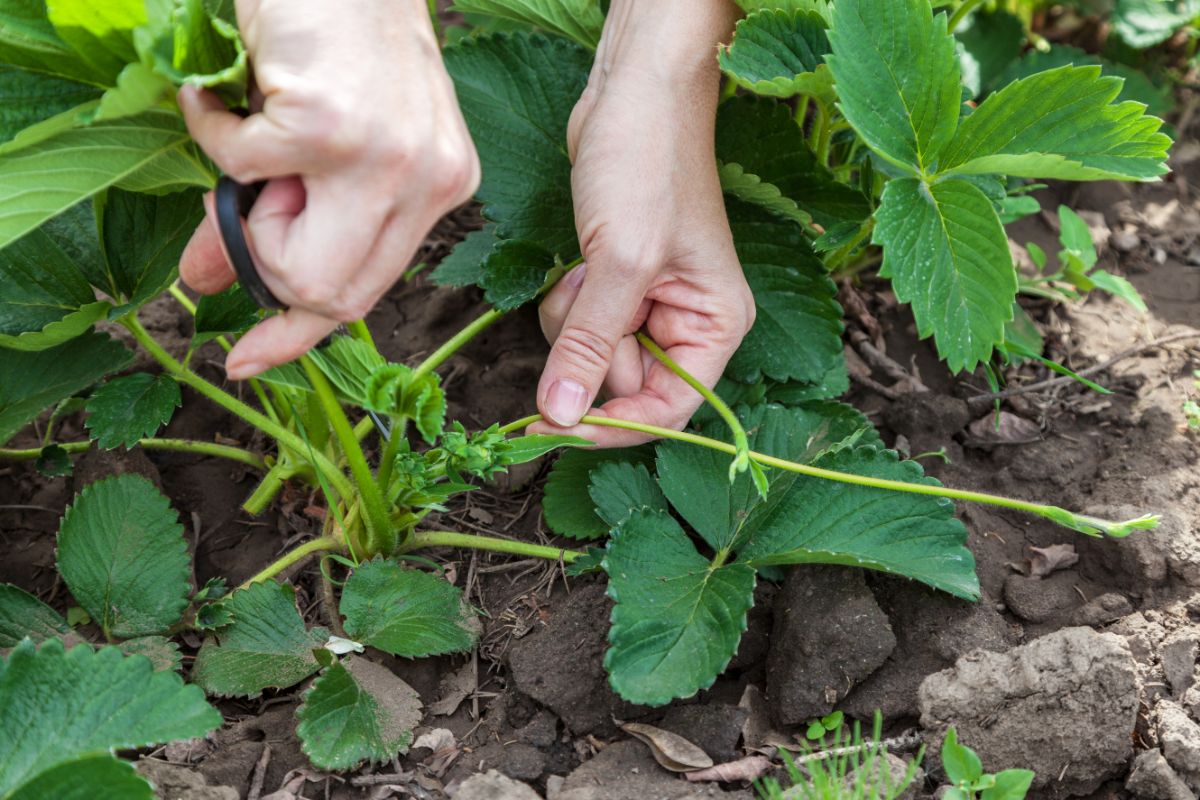
If you don't cut strawberry runners, several consequences can arise, affecting the overall health and productivity of your strawberry plants. Strawberry runners, or stolons, are the horizontal stems that grow away from the parent plant, producing new plants at their tips. While they can be beneficial for propagating strawberries, failing to manage them can lead to multiple challenges.
Competing for Nutrients
When runners are allowed to grow without control, they can begin to compete for vital nutrients with the parent plant and other nearby plants. This competition can hinder the growth of both the parent and the new plants. The effects may include:
- Reduced fruit quality: The parent plant may produce smaller and less flavorful strawberries.
- Poor development: New plants may fail to develop properly due to insufficient nutrients.
- Stunted growth: Both the parent and offspring plants may exhibit slower growth rates.
Overcrowding of Plants
Not trimming runners can result in an excessive number of plants in a limited space, which leads to overcrowding. This overcrowding can affect both the air circulation and sunlight availability for each plant. Consider the following points:
- Pest infestations: Denser plantings can attract pests that thrive in crowded conditions.
- Disease spread: Poor air circulation can lead to increased humidity, fostering conditions for fungal diseases.
- Competition for space: Plants competing for limited growing space may hinder each other’s growth.
Reduced Fruit Yield
Allowing runners to proliferate can ultimately lead to a decreased overall fruit yield from your strawberry plants. The focus of the parent plant may shift away from fruit production as it diverts energy to sustain multiple runners. Highlights include:
- Less energy for fruiting: The parent plant may produce fewer berries, focusing resources on fighting off competition.
- Temporary decline: In the following seasons, overgrown patches may lead to fewer strawberry crops.
- More priority on runners: The plants may prioritize runner production over fruit yield.
Maintenance Challenges
Management of strawberry beds becomes significantly more challenging when runners are not regularly cut. This can lead to increased maintenance requirements, which include:
- Weed problems: Overgrown strawberries can create a favorable environment for weeds to flourish.
- Higher labor costs: More frequent maintenance will be needed to manage the chaos.
- Complex harvest: Harvesting becomes more complicated as plants become entangled.
Potential for Weak Plants
When strawberry plants expend too much energy on producing runners, both the parent and the new plants may become weaker over time. This weakening can lead to:
- Increased susceptibility: Weaker plants are more vulnerable to diseases and pests.
- Lower resilience: The structural integrity of the plants may diminish, making them more prone to damage from weather conditions.
- Long-term decline: A continuous lack of energy for growth will result in a declining health status for the plants.
What do I do with strawberry runners?
:strip_icc()/strawberry-runners-2b841d19a5c24f32b248690c87144654.jpg)
To manage strawberry runners, which are the offshoots produced by strawberry plants, you can utilize them in several beneficial ways. These runners, also known as stolons, can help propagate your strawberry plants or can be managed to ensure healthy growth of the main plant. Here’s what you can do:
Understanding Strawberry Runners
Strawberry runners are long stems that extend from the parent plant and develop new plants at the nodes. Each runner can produce a new strawberry plant, thereby increasing your strawberry population without the need for seeds. Understanding how runners work is essential for effective management.
- Growth Conditions: Runners thrive in warm, humid conditions.
- Seasons: They usually appear in late spring and summer.
- Health of Parent Plant: Ensure the parent plant is healthy for optimal runner production.
Propagation Techniques
You can make the most of strawberry runners by using them for propagation. You can either let them root where they lay or transfer them to new pots. Rooting runners can significantly increase your strawberry yield.
- Direct Planting: Allow runners to root in the soil directly where they sprout.
- Potted Propagation: Cut the runner and place it in a pot with soil to encourage growth.
- Choosing Containers: Use containers that provide good drainage and space for the plants to grow.
Maintenance of Runners
Maintaining runners properly is crucial for the health of both the new plants and the parent plant. Proper maintenance involves ensuring adequate water and nutrients, as well as preventing overcrowding.
- Watering: Keep the soil moist but not soggy.
- Nutrient Supply: Apply fertilizer to promote growth of new plants.
- Remove Excess Runners: Trim back excess runners to focus the plant’s energy.
Removing Runners
In some cases, you may want to remove runners to encourage the parent plant to put more energy into producing fruit rather than new plants. This can be particularly useful if your primary goal is to enhance fruit production.
- Timing: Remove runners during the growing season when fruiting slows down.
- Techniques: Use scissors or pruning shears to carefully detach runners.
- Preventing Stress: Ensure the parent plant is well-watered and fertilized after removal.
Identifying Healthy Runners
It's important to identify which runners are healthy and worth propagating and which ones should be removed. Healthy runners will display certain characteristics that indicate they are ready to become new plants.
- Vibrant Color: Healthy runners will have a green, vibrant color.
- Strong Stems: Look for runners with thick and sturdy stems.
- Root Development: Check for the presence of tiny root nodes; these are indicators of strong potential growth.
How to get strawberry plants to produce more fruit?
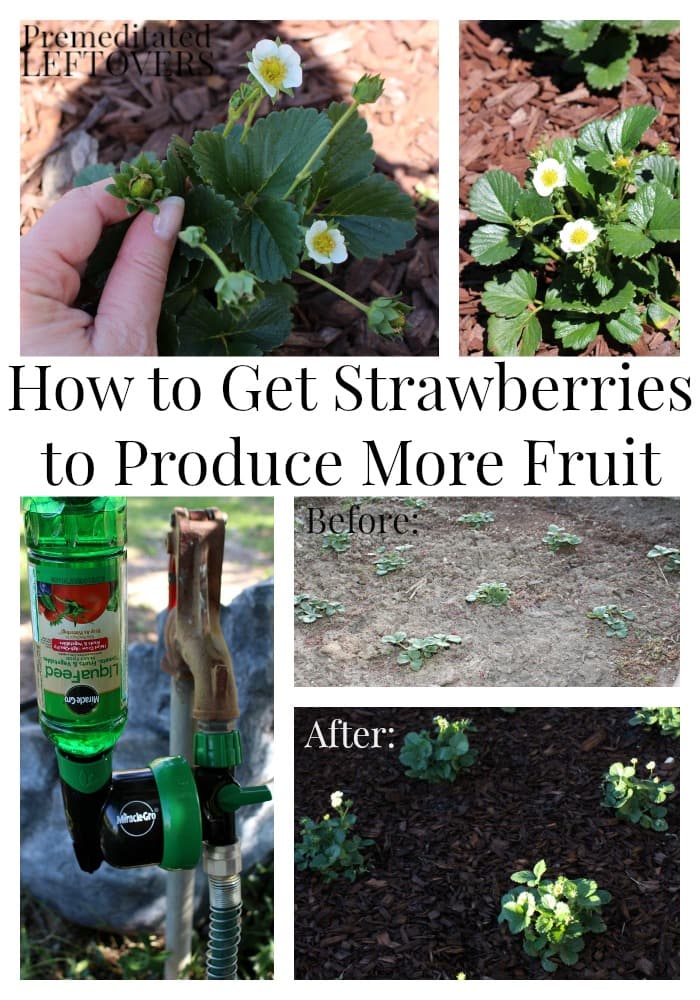
To ensure that strawberry plants produce more fruit, it's important to adopt proper cultural practices, select the right varieties, and provide optimal growing conditions. Here are some key strategies you can implement:
Soil Preparation
Proper soil preparation is fundamental for boosting strawberry yield. Strawberries thrive in well-drained, nutrient-rich soil.
- pH Level: Aim for a soil pH between 5.5 and 6.8. You can test your soil's pH and amend it with lime to raise pH or sulfur to lower it as needed.
- Organic Matter: Incorporate well-rotted compost or aged manure to enhance soil fertility and structure.
- Drainage: Ensure good drainage to prevent root rot; consider raised beds if your soil retains too much water.
Watering Practices
Strawberry plants require consistent moisture but can be sensitive to overwatering.
- Watering Schedule: Water deeply once a week, providing about 1 to 1.5 inches of water, especially during flowering and fruiting.
- Mulching: Apply mulch to retain soil moisture and keep the roots cool, while also reducing weed competition.
- Drip Irrigation: Utilize drip irrigation to deliver water directly to the root zone, minimizing evaporation and fungal diseases.
Fertilization Techniques
Proper fertilization is crucial for strawberry health and productivity.
- Nitrogen-Rich Fertilizers: Apply a balanced fertilizer high in nitrogen during early spring to promote robust leaf growth.
- Fruit Development: Switch to a lower-nitrogen fertilizer with a higher potassium and phosphorus ratio as flowers begin to form.
- Frequency: Fertilize every 4-6 weeks during the growing season, following the manufacturer’s recommended dosage.
Pruning and Maintenance
Regular maintenance helps focus the plant's energy on fruit production.
- Remove Runners: Trim back excess runners to redirect energy into fruit production rather than vegetative growth.
- Leaf Maintenance: Regularly remove old, yellowing leaves to improve air circulation and reduce disease risk.
- Spacing: Ensure adequate spacing between plants to promote good airflow and reduce competition for nutrients.
Pest and Disease Management
Protecting your strawberry plants from pests and diseases is essential for maximizing yield.
- Regular Inspection: Check plants regularly for signs of pests such as aphids, spider mites, or slugs.
- Organic Pesticides: Consider using organic pesticides or insecticidal soaps to manage pest populations.
- Disease Resistance: Select disease-resistant varieties and practice crop rotation to minimize disease occurrence.
Questions from Our Readers
Should I cut the runners off my strawberry plants?
Cutting the runners off your strawberry plants is often recommended if you want to focus the plant's energy on producing fruit rather than creating new plants. Runners, or stolons, are the long stems that can sprout new plants, but they can also divert resources from the main plant.
When is the best time to remove strawberry runners?
The best time to remove strawberry runners is typically in the early summer, after they have developed a few inches in length. This timing allows the parent plant to channel its energy into creating fruit rather than spreading itself thin by producing new plants.
Will cutting runners affect future strawberry yields?
Cutting runners can positively influence future strawberry yields by helping the main plant to focus on fruit production instead of vegetative growth. As a result, you may see an increase in the quality and quantity of strawberries produced in the next growing season.
Can I propagate strawberry plants from the runners I cut off?
Yes, you can easily propagate strawberry plants from the runners you cut off by placing them in soil to root. Ensure they have a strong root system before separating them from the main plant, allowing you to expand your strawberry patch effectively.
If you want to read more articles like Should I Cut the Runners Off My Strawberry Plants? Expert Tips for Optimal Growth, we recommend you check out our Berries category.
Leave a Reply
Related Articles